.webp)
If you've searched "ABA center near me," you're probably weighing a big question: should your child receive therapy at a clinic, at home, or somewhere in between?
There's no single right answer. The "better" setting depends on your child's needs, your family's daily life, and the skills you're working to build. Some children thrive with center structure. Others may make strong progress when skills are taught and practiced within daily routines—like breakfast, transitions, and bedtime. Many families find a combination can work well.
This guide walks through both options honestly—benefits, tradeoffs, and questions to ask—so you can decide what fits your family.
Disclaimer: This article provides general educational information and is not a substitute for professional medical advice. Decisions about therapy should be made with qualified professionals, including your pediatrician and a Board-Certified Behavior Analyst (BCBA).
AtlasCare ABA can help. If you're weighing an ABA center near you versus in-home therapy, our team can walk through your child's needs, schedule, and goals to explore options and identify a plan that fits your family. Serving families in Iowa, New Mexico, and North Carolina. Call 888-838-7222 or email info@atlascareaba.com.
Center-based ABA may fit well when:
- Your child benefits from consistent structure outside the home
- Peer interaction and group skills are priorities
- Home feels too distracting for sessions
- Your family prefers separation between therapy and home life
In-home ABA may fit well when:
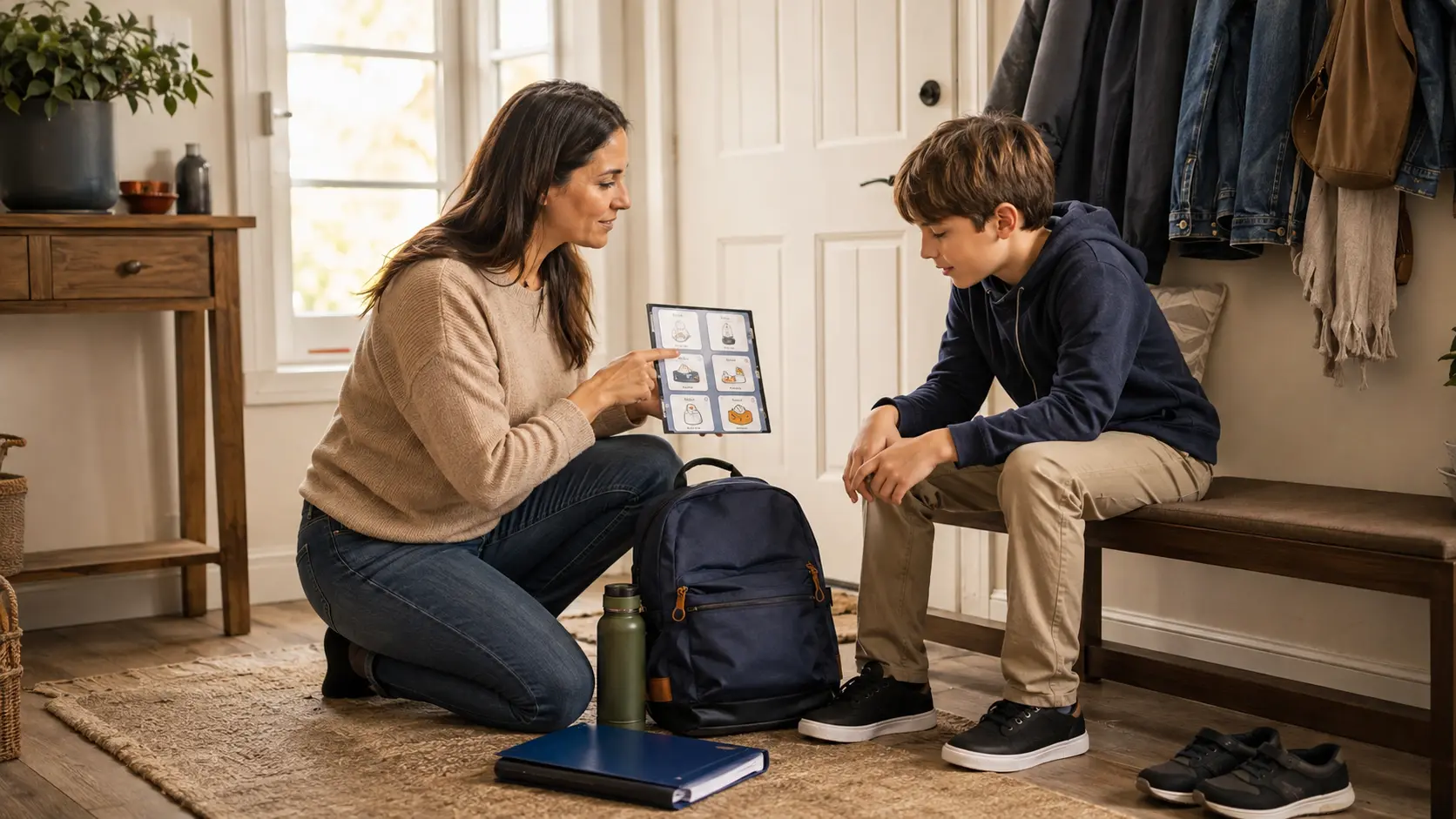
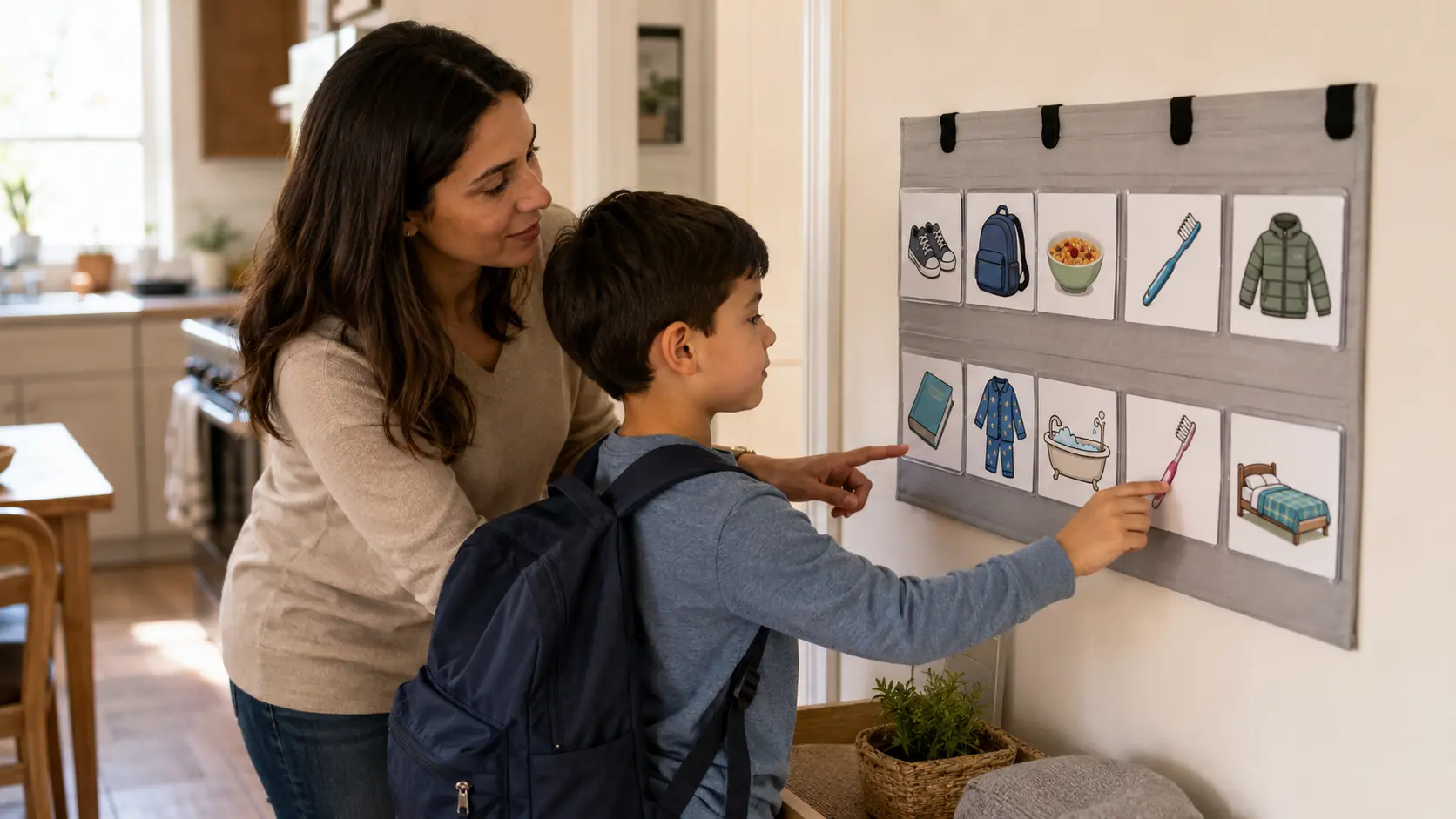
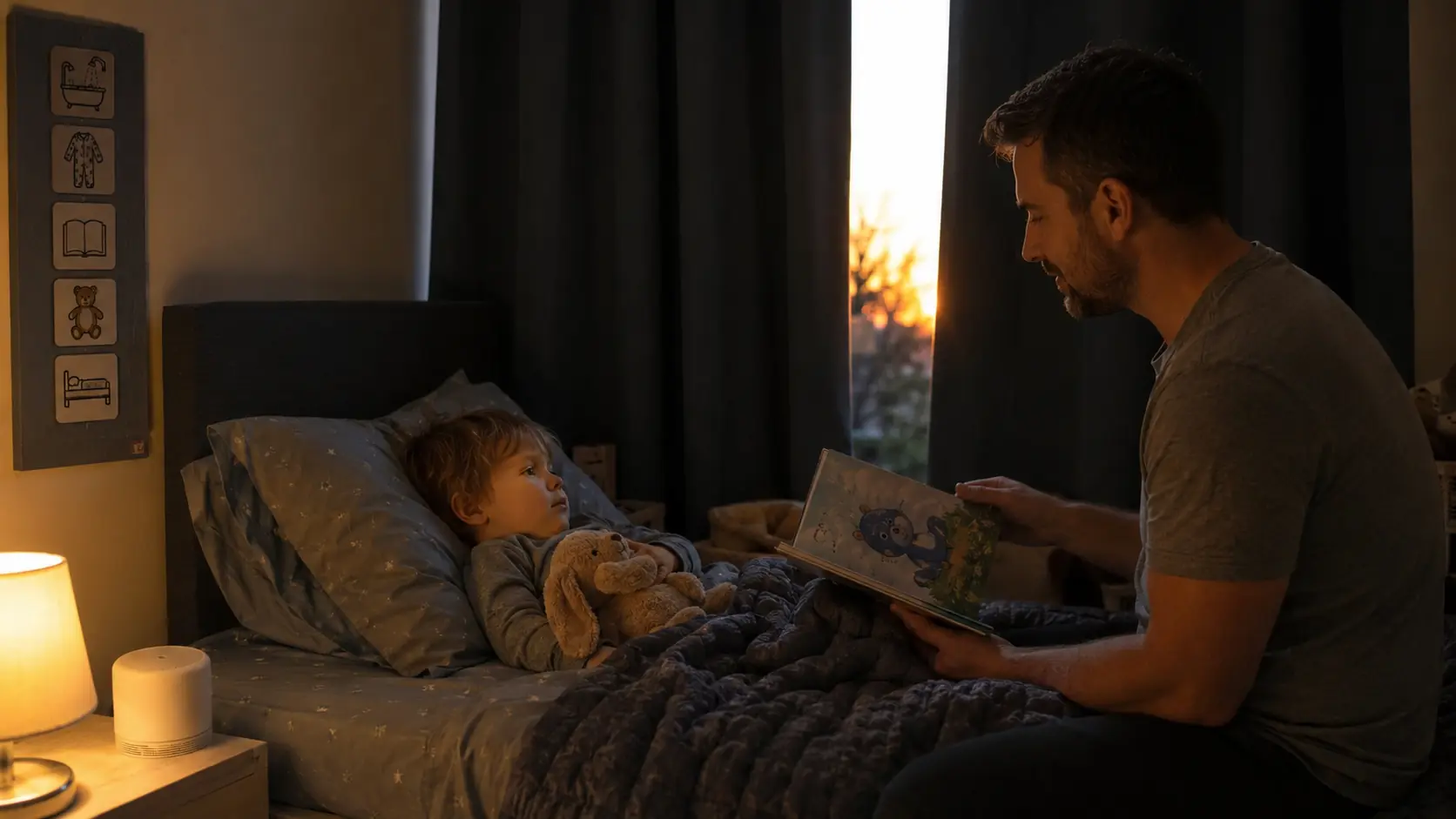
- You want skills practiced within daily routines (meals, bedtime, transitions)
- Real-time caregiver coaching is a priority
- Travel creates significant barriers
- Challenging moments happen at home and may benefit from in-the-moment support
For many families: a hybrid plan offers the most flexibility. Ideally, goals drive the setting—not the other way around.
What's the difference between center-based ABA and in-home ABA?
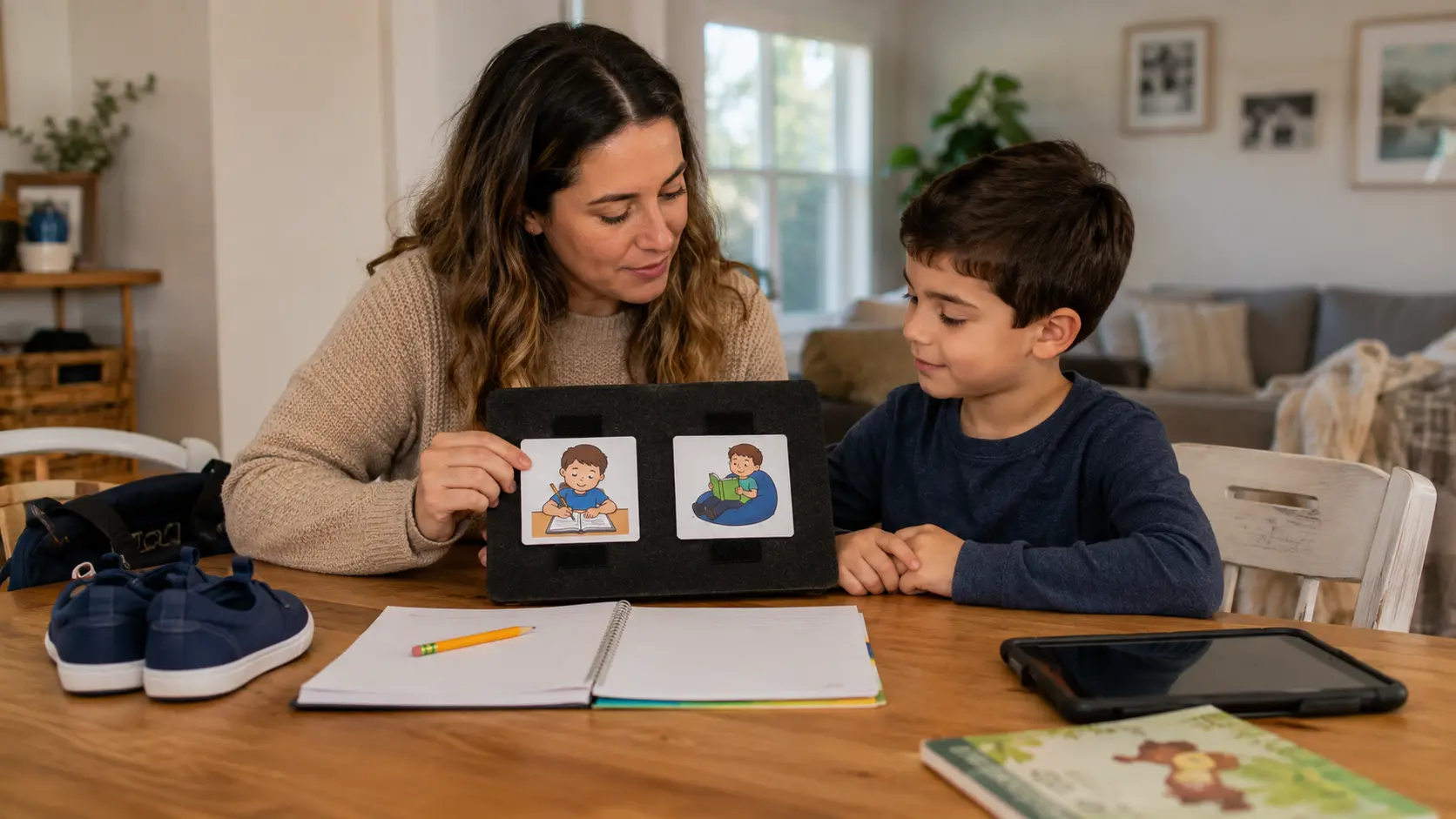
Both deliver Applied Behavior Analysis (ABA), a widely used approach that uses behavior-analytic strategies to support skill development in areas like communication, social interaction, self-regulation, and daily living—based on individualized goals and ongoing assessment. Core ABA strategies often include breaking skills into smaller steps, using reinforcement to encourage skill-building, and tracking progress with data. What changes is where it's applied.
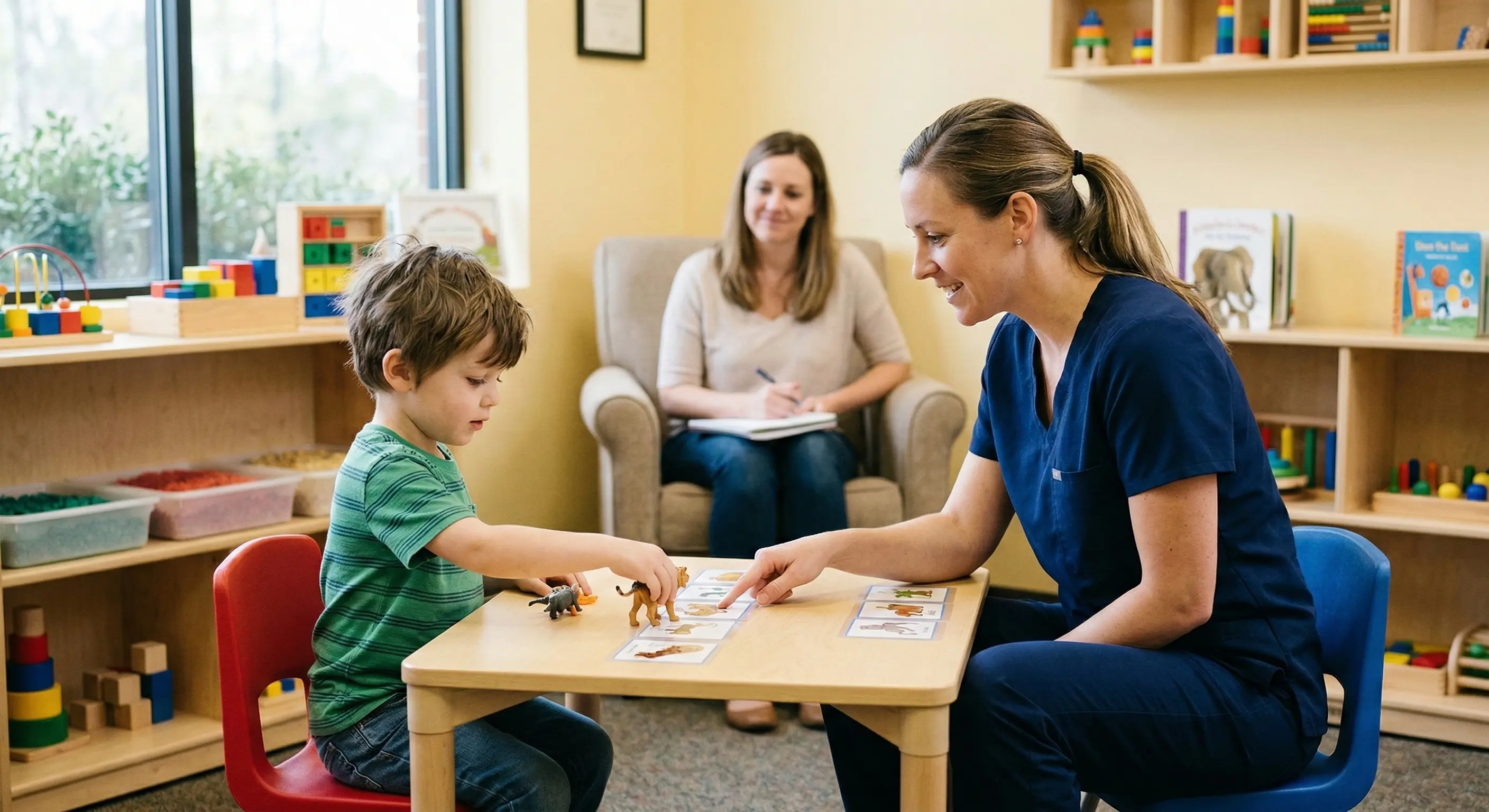
Center-based ABA (clinic/center)
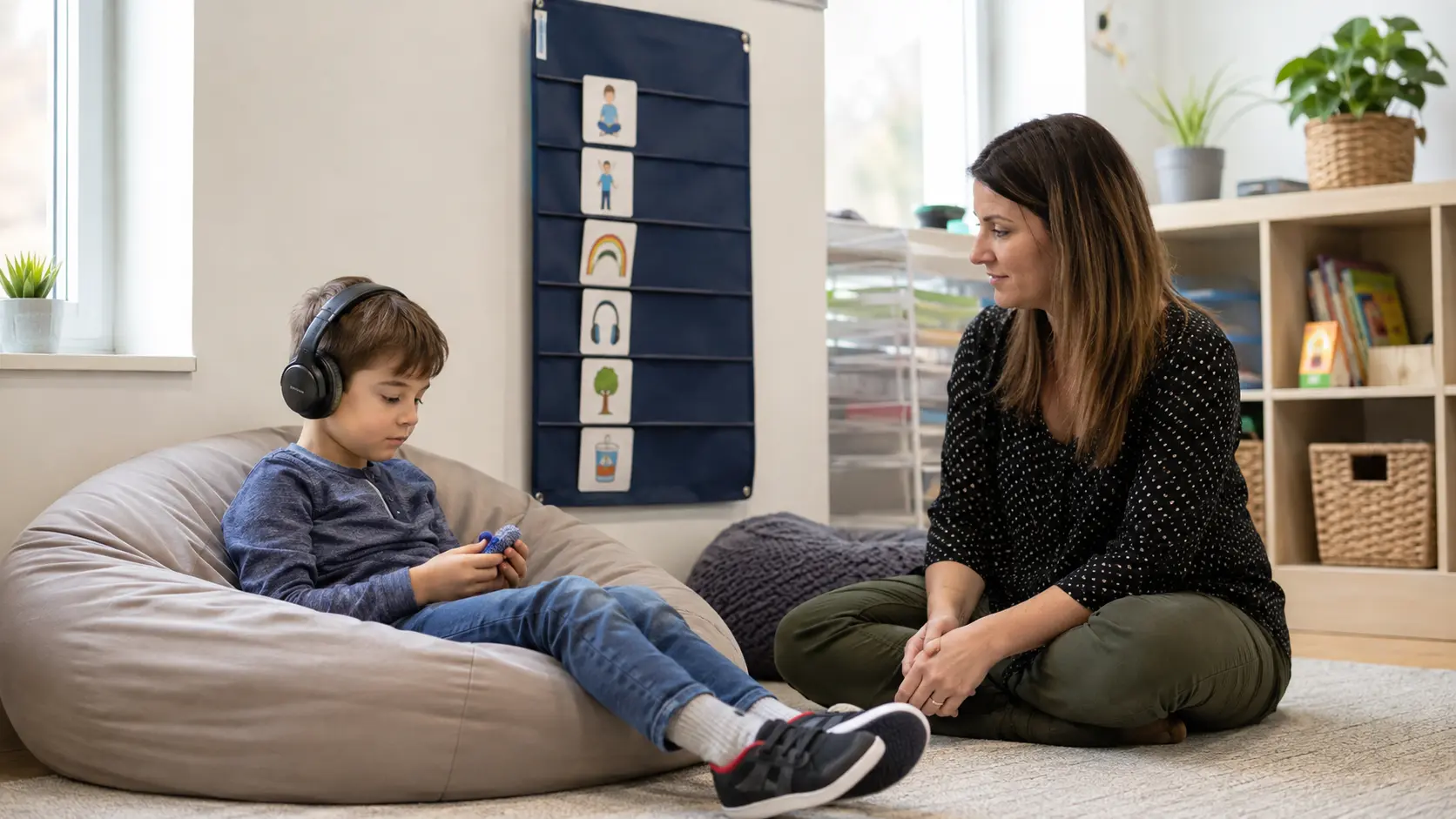
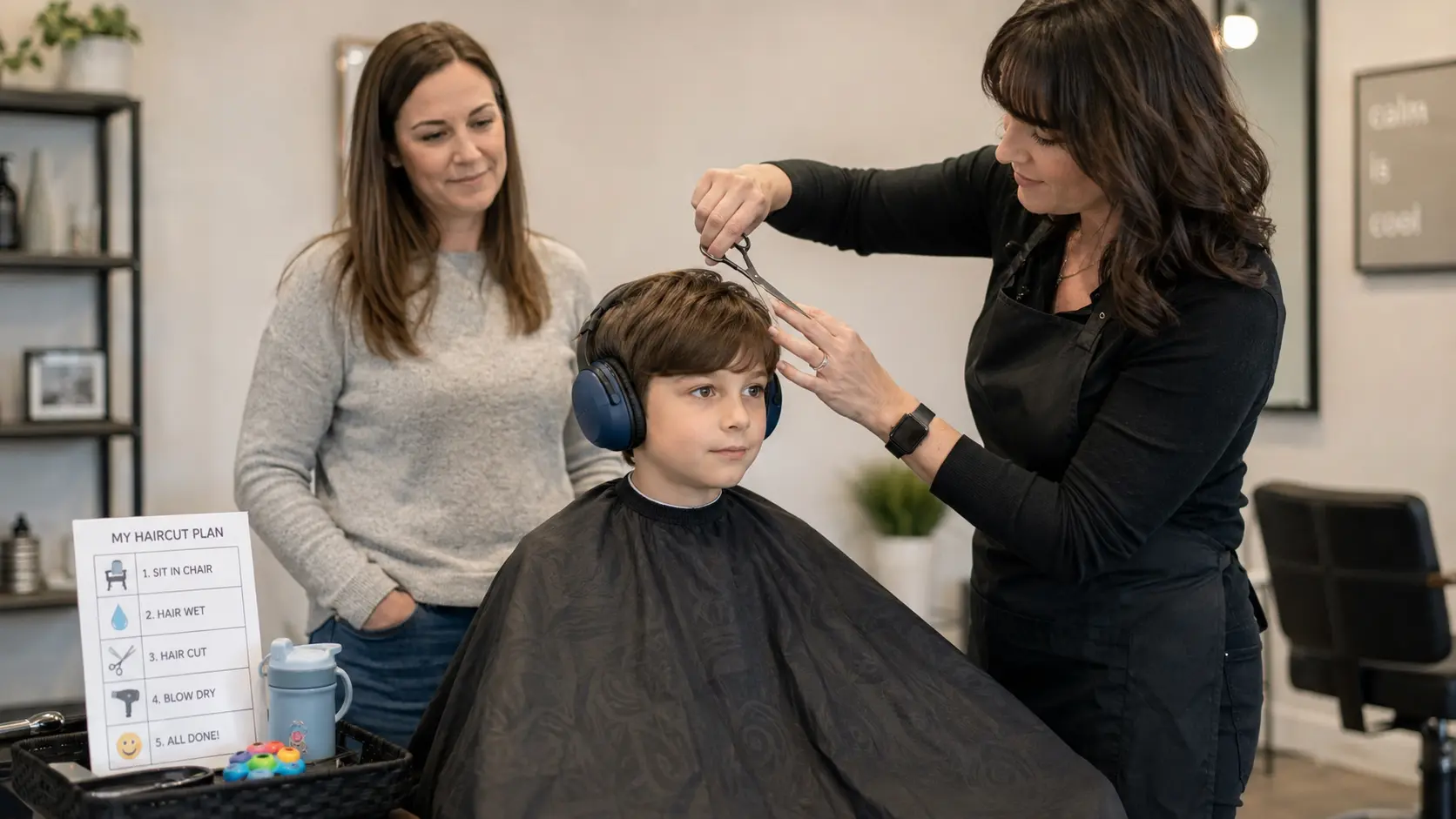
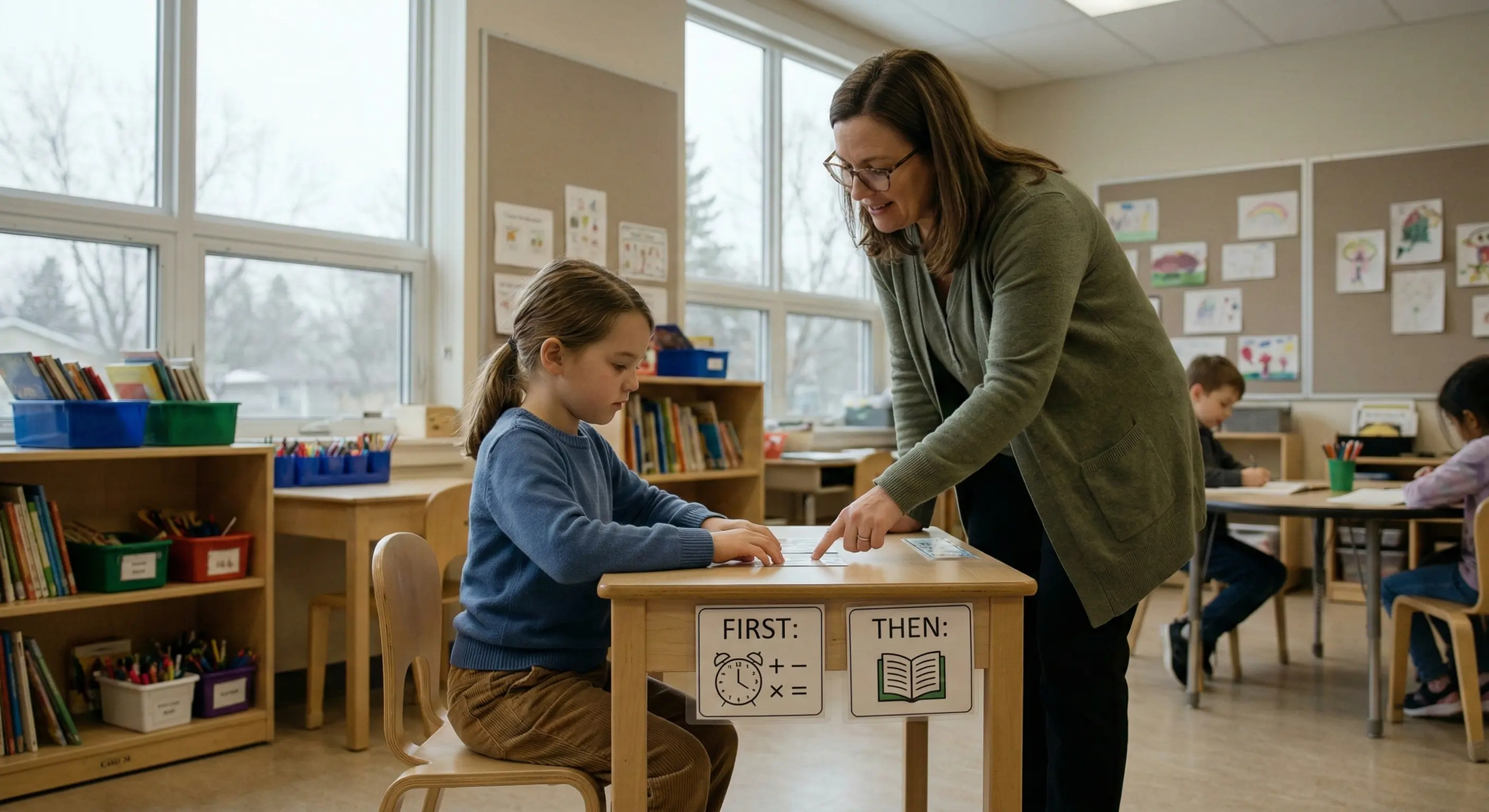
Your child travels to a clinic designed for therapy: consistent materials, controlled environments, structured routines. Many centers may offer opportunities for peer interaction through structured groups or social skills practice.
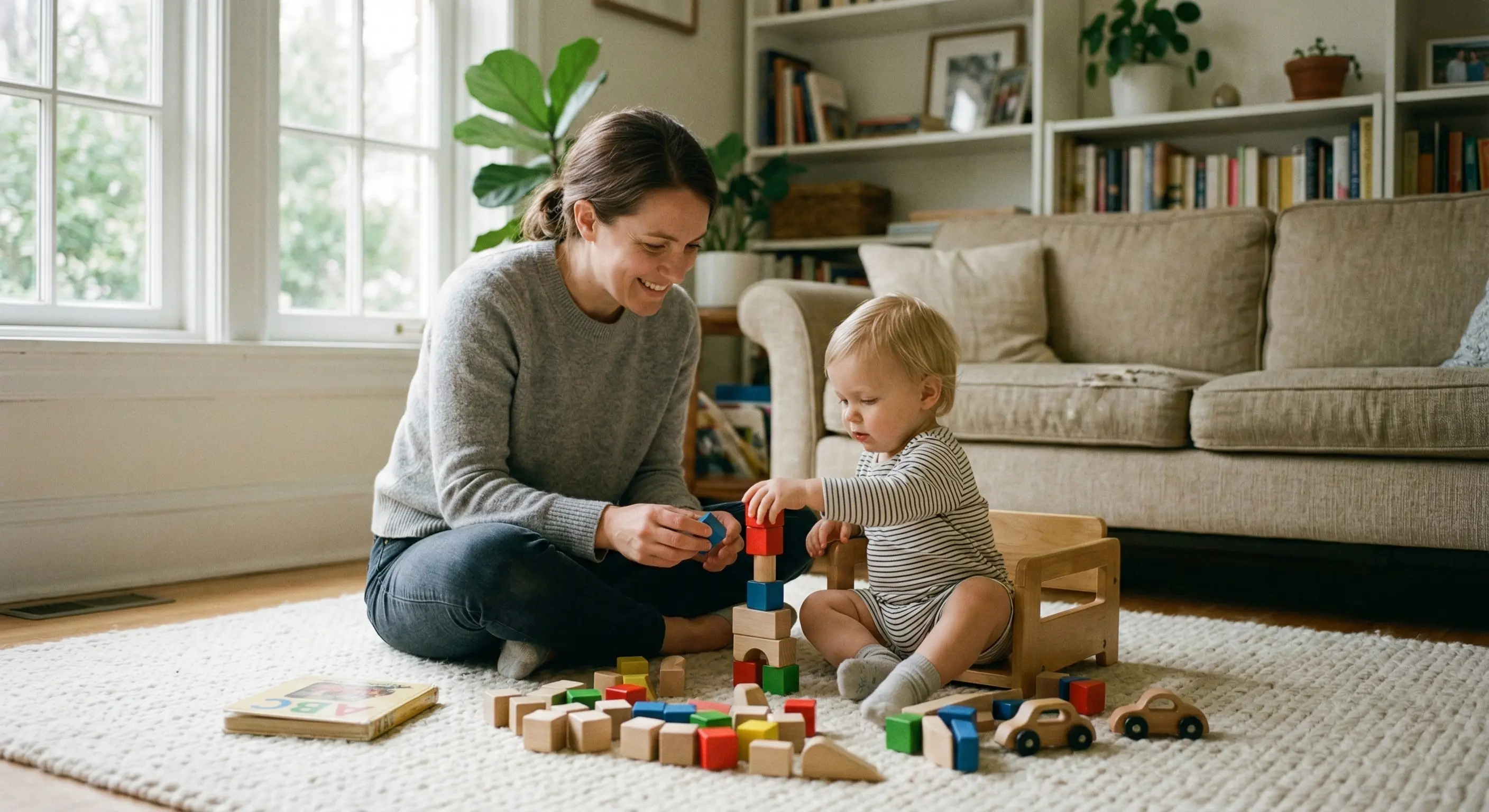
In-home ABA
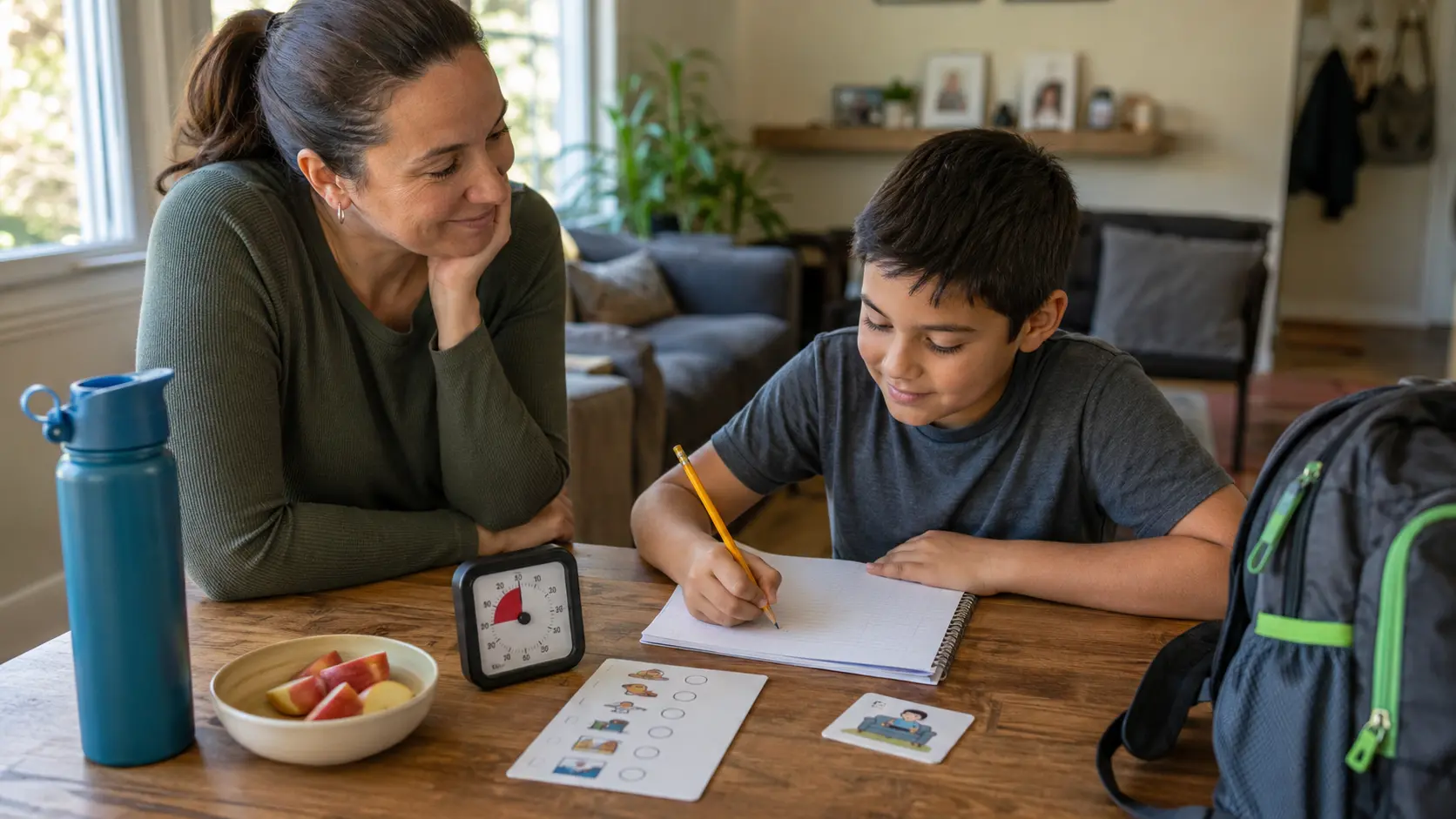
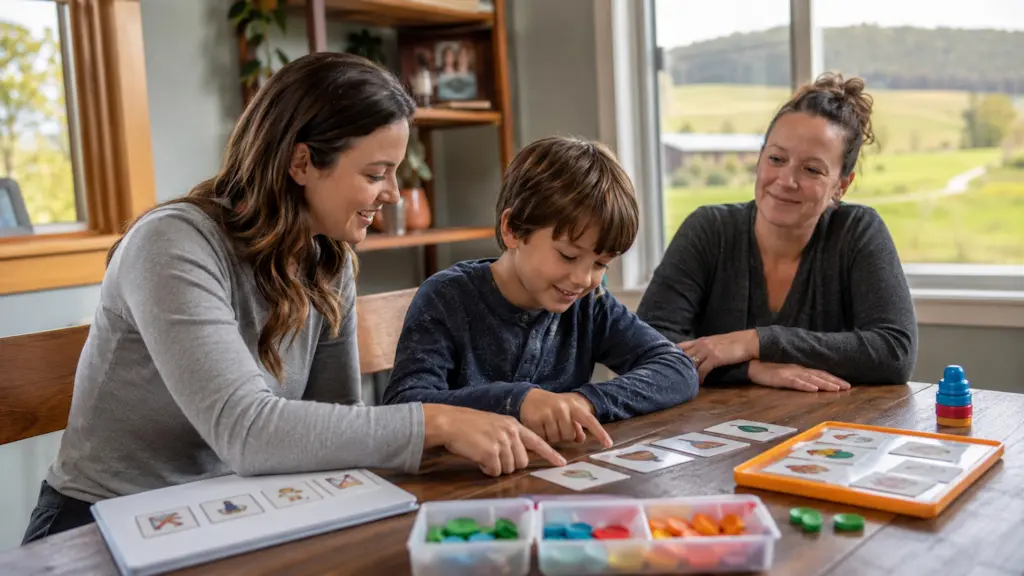
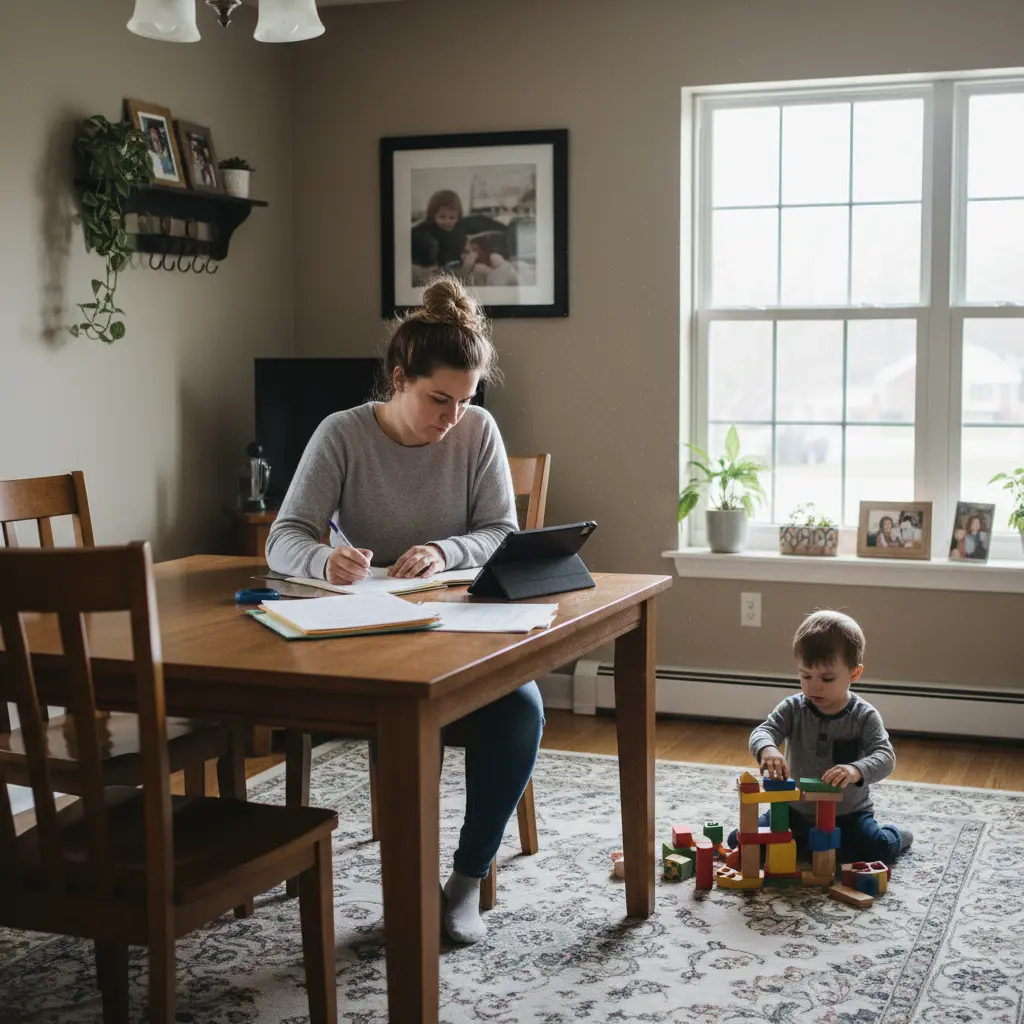
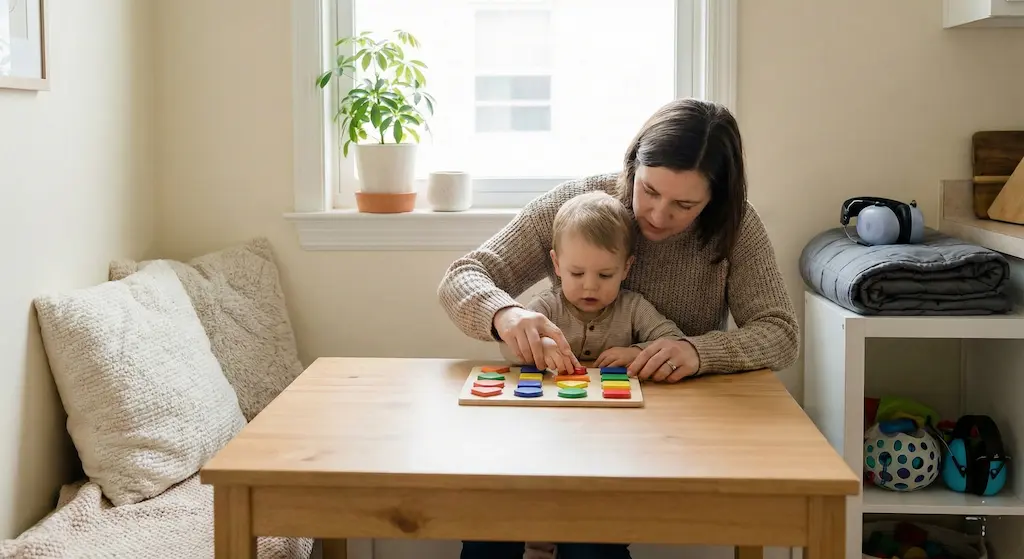
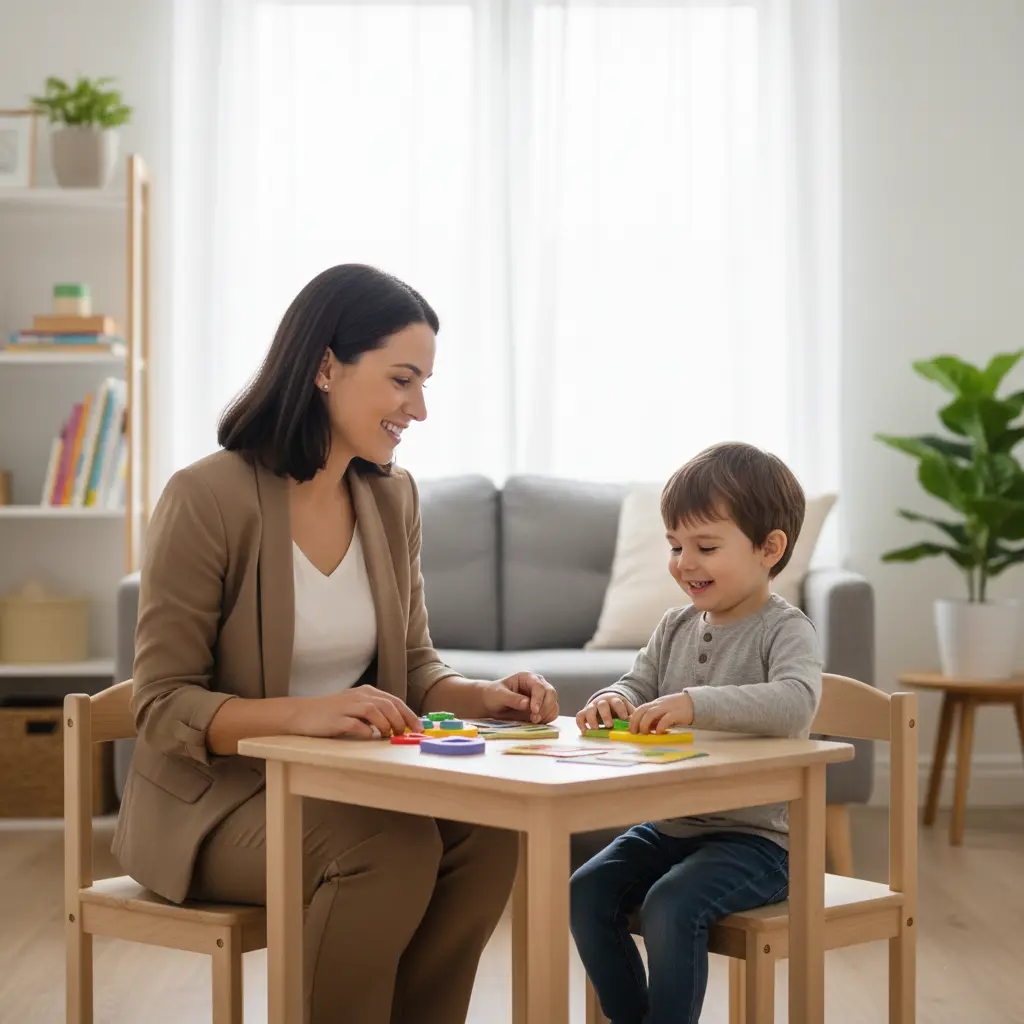
Within-home ABA therapy, a therapist comes to your home to work with your child in the environment where daily life happens. This can help families practice skills in the same setting where they're needed and may support caregiver involvement in a natural way.
Center vs In-Home ABA — side-by-side comparison
Cost, insurance, and scheduling considerations
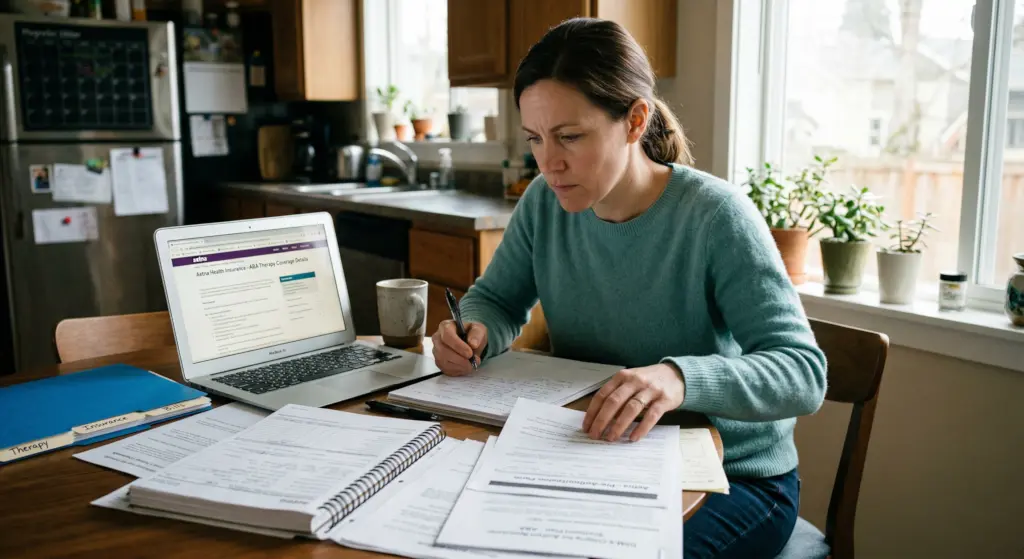
Costs and coverage can vary widely by state, insurer, and plan details. If you're comparing a center-based program and ABA therapy at home, ask each provider what's included (assessment, supervision, parent training), how cancellations and make-ups are handled, and whether there are different rates by setting. Many insurance plans that cover ABA require prior authorization and periodic re authorization, and families may still have deductibles, copays, or coinsurance depending on the plan. If you're searching "aba center near me," it can also help to ask about wait lists, session times, and how staffing coverage works—because a schedule your family can realistically maintain is often the most helpful.
Benefits of center-based ABA (and who it may fit best)
An ABA clinic near you may offer advantages for certain families:
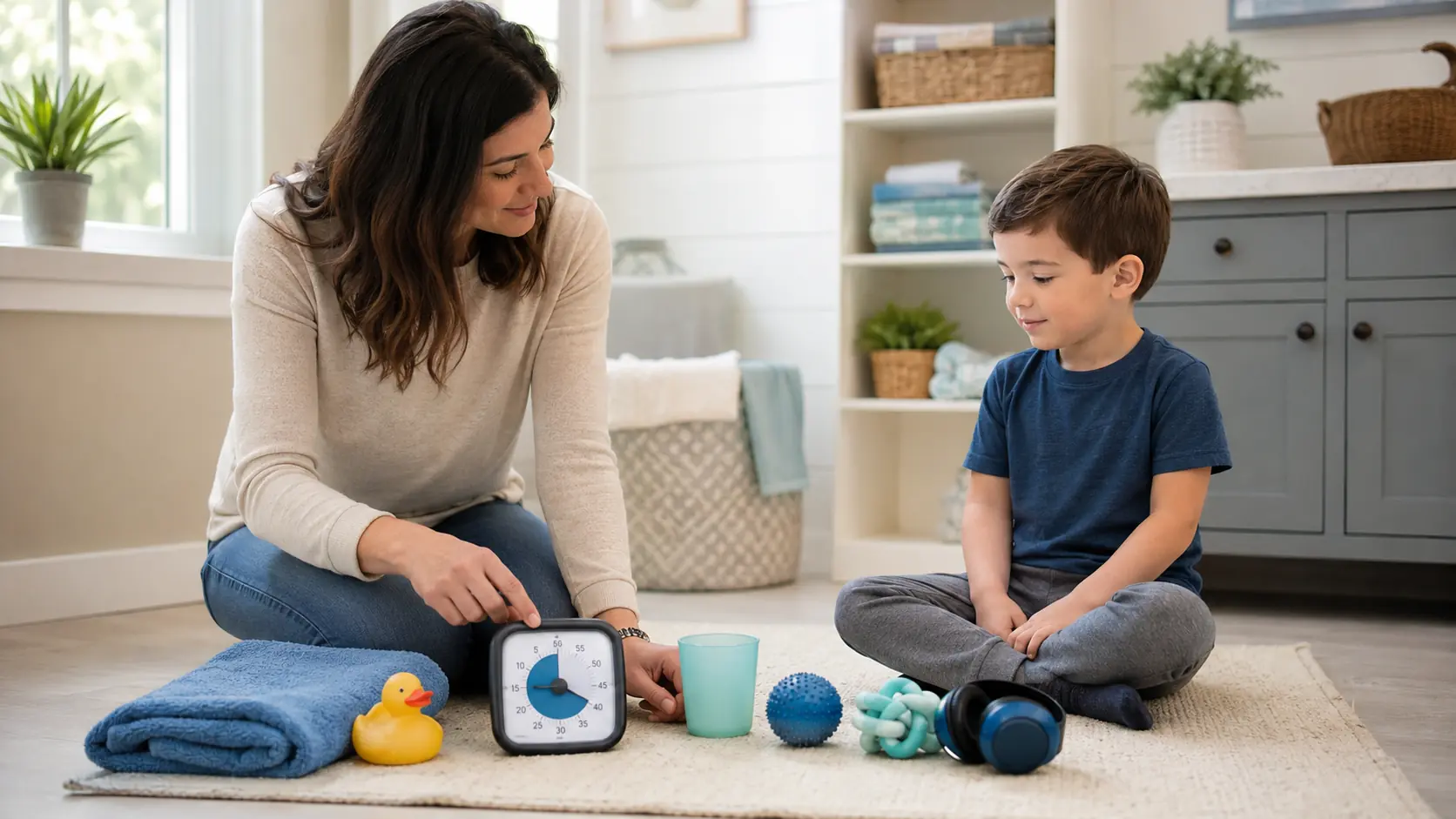
Structured environment. Some children who struggle with distractions at home may focus more easily in a therapy-designed space.
Built-in peer practice. If goals include sharing, turn-taking, or group activities, centers may provide structured opportunities to practice with peers when appropriate.
Separation of therapy and home. Some families prefer keeping therapy at the clinic so home stays a "therapy-free" zone.
Support for busy households. If your home is particularly active, a center may offer a calmer, more consistent setting for sessions when that's hard to create at home.
Benefits of in-home ABA (and who it may fit best)
In-home ABA therapy offers different strengths:
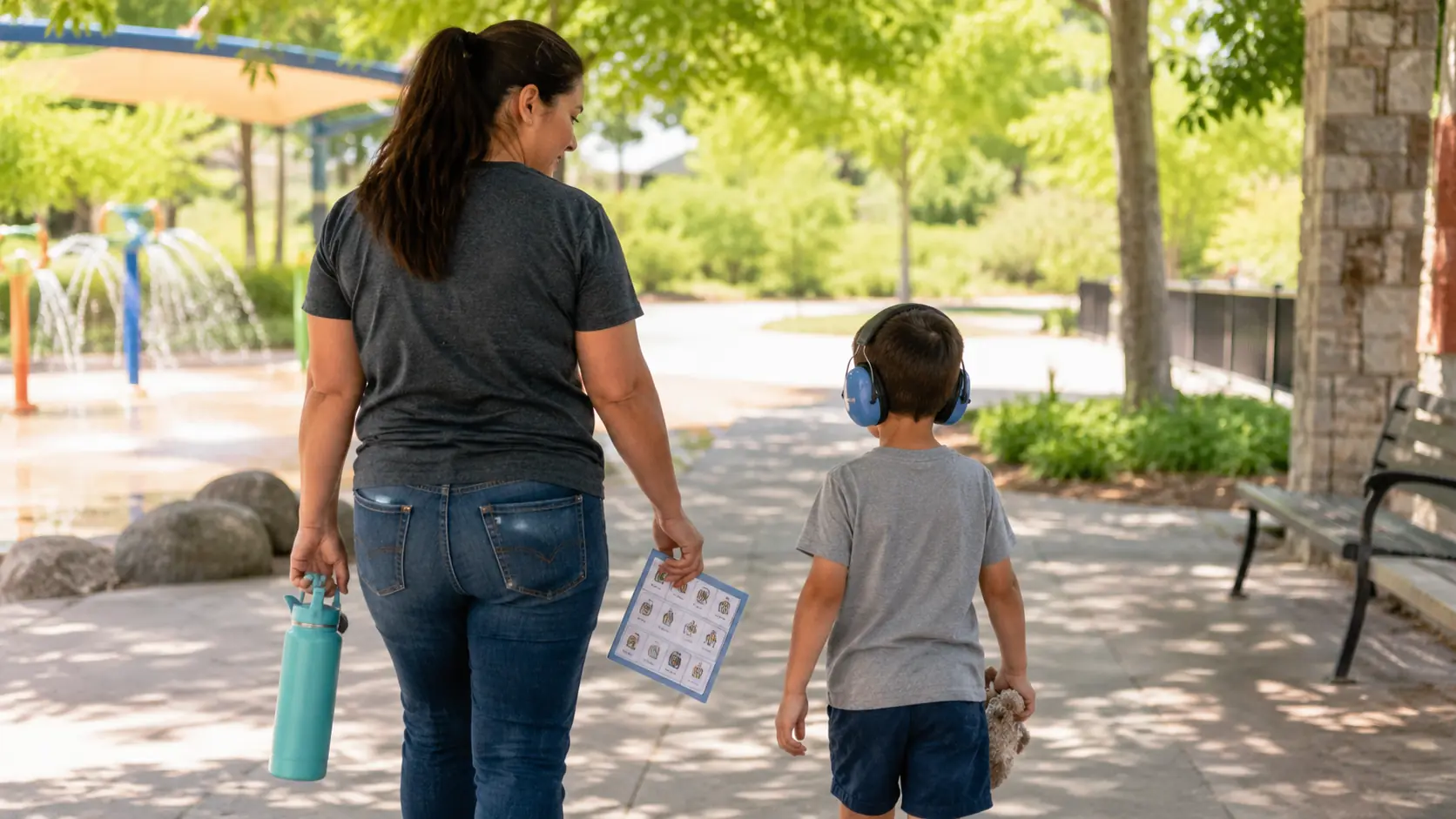
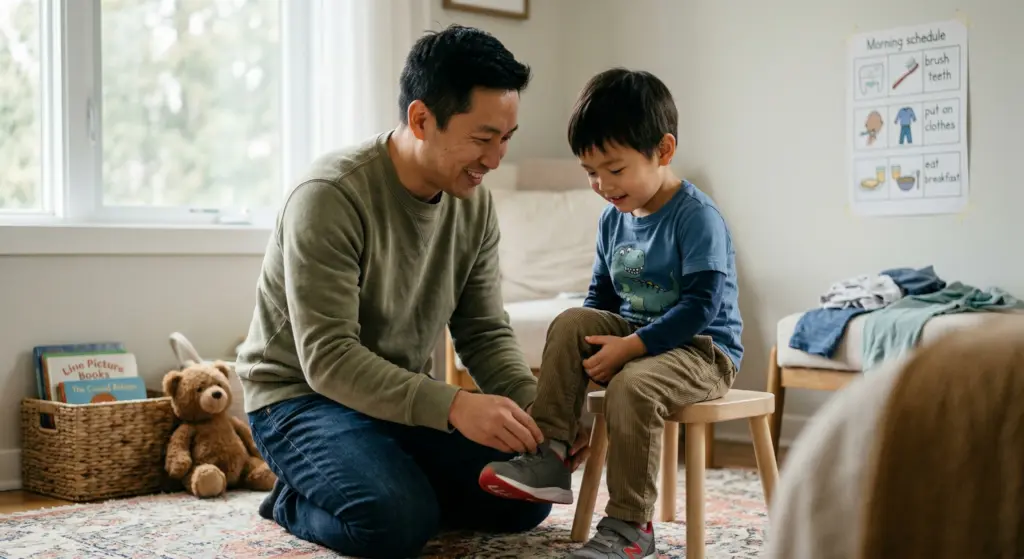
Skills embedded in real routines. When a therapist supports practice with transitions—like moving from tablet time to dinner—during real routines, it may be easier to carry those skills into everyday life.
Caregiver coaching where it counts. Parent training can be especially helpful when you can observe, ask questions, and practice strategies in real time.
Less travel, less disruption. Reducing commutes can make scheduling easier and support consistency for some families.
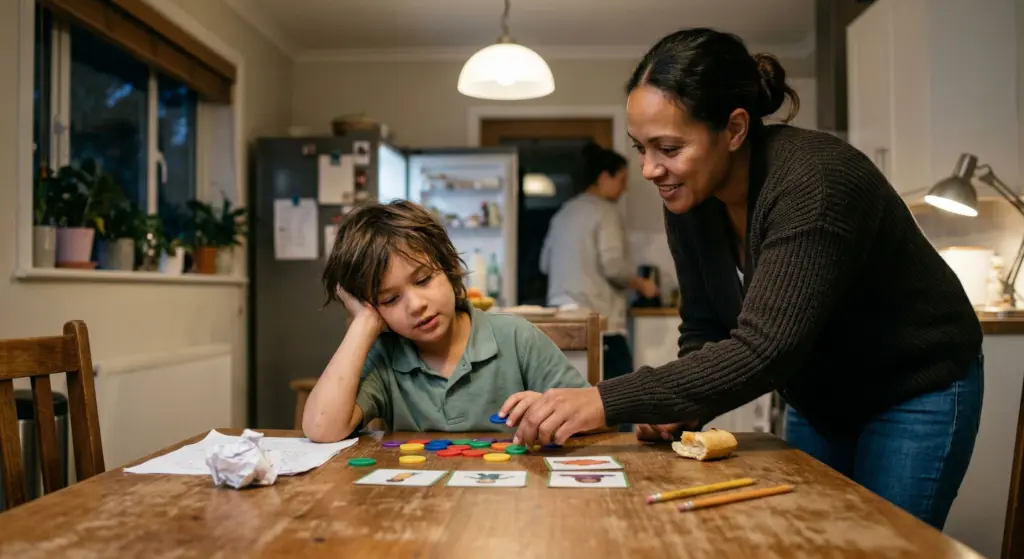
Support during moments that matter. If challenges happen mostly at home—meltdowns, morning struggles, mealtime difficulties—in-home therapy can target these situations in context.
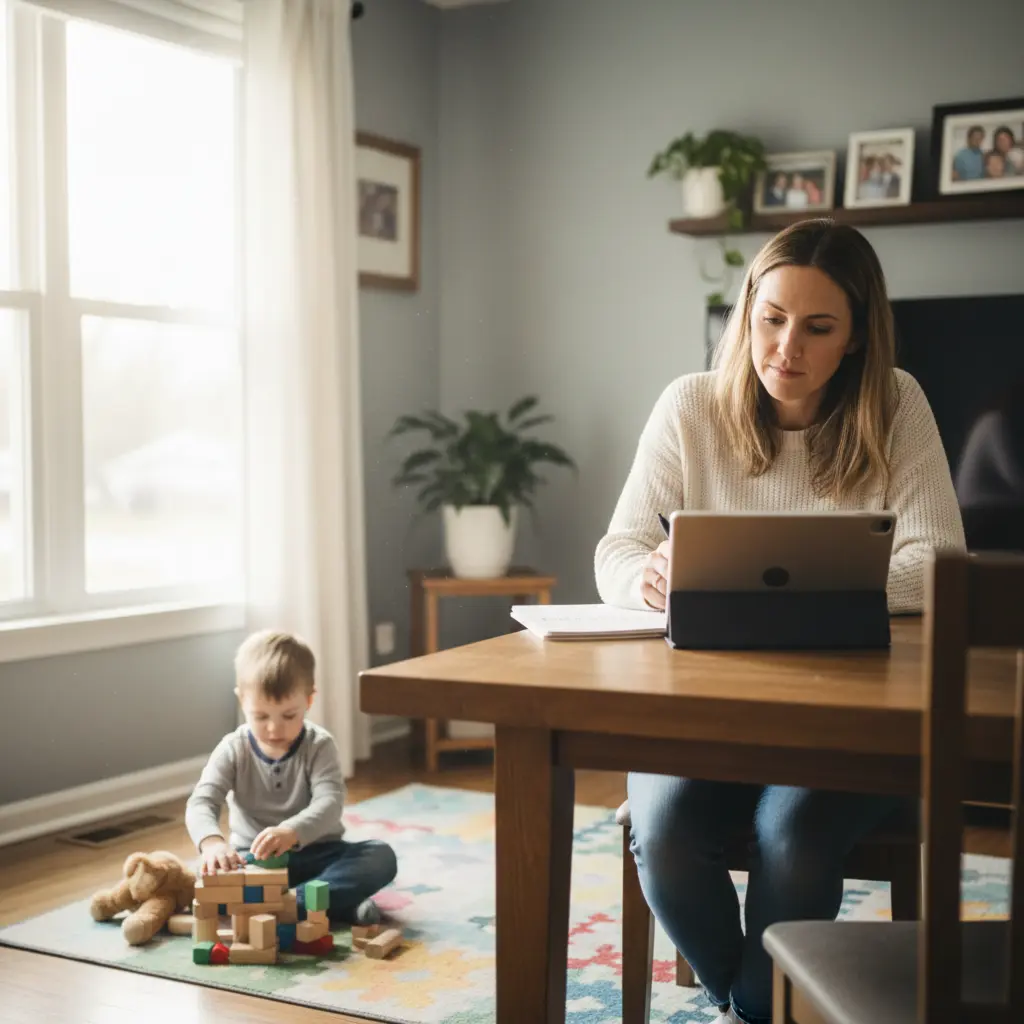
In-home ABA often works well with some planning: designated space, sibling activities, and managed distractions. A good provider helps you think through logistics.
What about a hybrid model?
Many families combine settings:
- In-home sessions plus periodic clinic social groups
- School/daycare support combined with parent training at home
- Intensive in-home therapy initially, transitioning to school-based services as skills develop
Goals should drive setting choices—and those goals evolve. Many families reassess progress periodically with their care team, often during regular treatment plan reviews or insurance reauthorization cycles.
"ABA center near me" — how to choose a quality provider (2026 checklist)
Credentials and supervision
ABA services are often delivered by trained behavior technicians (sometimes credentialed as RBTs) under the supervision of a BCBA or other qualified clinician, depending on the provider's model and state requirements. Ask: How often does a BCBA observe or review sessions? How are technicians trained and supervised?
Individualized goals (not compliance for compliance's sake)
High-quality ABA prioritizes meaningful skills—such as communication, safety, daily living, and goals chosen with family input—rather than focusing solely on compliance. Ask how goals are selected and whether your input matters. Look for providers who explain how they support your child's comfort, engagement, and assent-based participation when possible.
Parent training and collaboration
Ask how caregivers are coached and how skills generalize beyond sessions. At AtlasCare, parent training is an important part of our approach.
Data and progress updates
Ask what data they track and how often you'll review goals together.
Logistics
What's the wait list? Session length? Cancellation policy? Will your child work with consistent staff?
Insurance and authorizations
Many insurance plans that cover ABA require prior authorization and periodic re authorization. Ask how the provider handles insurance coordination and what costs to expect.
What to expect when you start ABA (center or in-home)
- Intake call and records review. Share background information about your child.
- Assessment and goal-setting. A BCBA (or supervising clinician) gathers your input and may observe your child to develop the treatment plan.
- Treatment plan and insurance authorization. The provider submits documentation; authorization timing varies by plan.
- Sessions begin. A therapist works with your child on treatment plan goals using age-appropriate activities that may include play-based teaching, structured practice, and everyday routines—based on your child's needs.
- BCBA supervision and parent training. Ongoing oversight supports treatment plan updates based on data, caregiver input, and your child's response to services.
- Reviews and transition planning. Goals evolve; the team helps plan for school transitions or stepping down services.
When to talk to your pediatrician (and how a BCBA fits in)
Contact your pediatrician if you notice: sleep problems, feeding concerns, possible seizures, skill regression, new or escalating self-injury, mental health concerns, medication questions, or safety concerns.
A BCBA focuses on behavior and skill-building. They coordinate with your pediatrician but don't replace medical care. Many families find a collaborative team approach helpful, which may include your pediatrician and specialists such as speech-language pathologists and occupational therapists, depending on your child's needs.
How AtlasCare ABA supports families choosing the right setting
We start by listening—to your child's needs, your family's routines, and your goals. Our services include in-home ABA therapy, school/daycare support, and parent training in Iowa, New Mexico, North Carolina, Delaware and Missouri.
Final takeaways
Choosing between an ABA center and in-home therapy isn't a test you can fail. You can start with one setting and shift. You can combine approaches. You can reassess as your child grows.
What matters is finding a provider who listens, explains clearly, and treats you as a partner.
Not sure whether your child would do best in a center-based ABA program or with ABA therapy at home? You don't have to figure it out alone. AtlasCare ABA partners with caregivers to build a plan that reflects your child's strengths, your family's routines, and the skills you want to prioritize—then updates that plan as goals and needs change over time. We provide in-home ABA therapy, school/daycare support, and parent training, and we'll help you understand what to expect with intake, assessment, and insurance authorization. Serving families in Iowa, New Mexico, North Carolina, Delaware and Missouri. Call 888-838-7222 or email info@atlascareaba.com to talk with our team.






.webp)


.webp)
.webp)
.webp)
.webp)




.jpg)
.webp)

.webp)





%20During%20Play%20in%20the%20Home.webp)