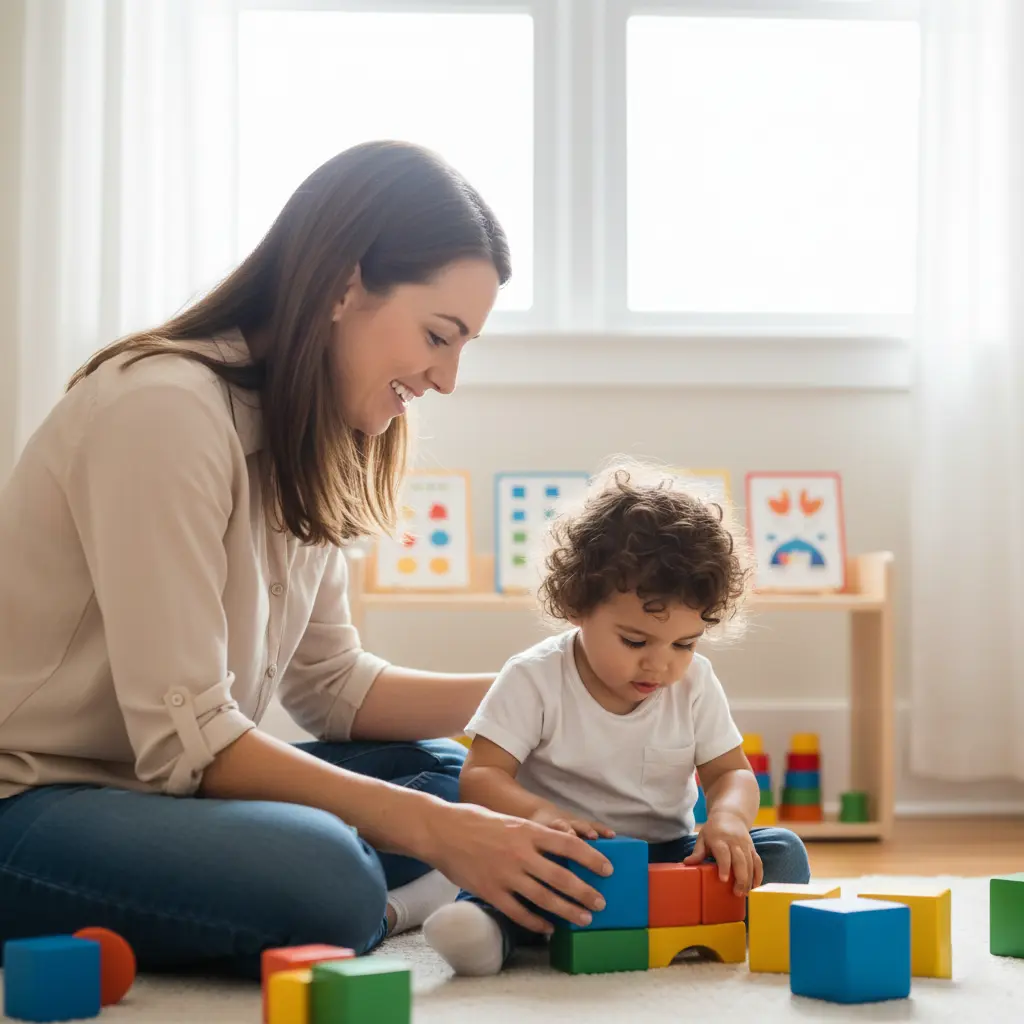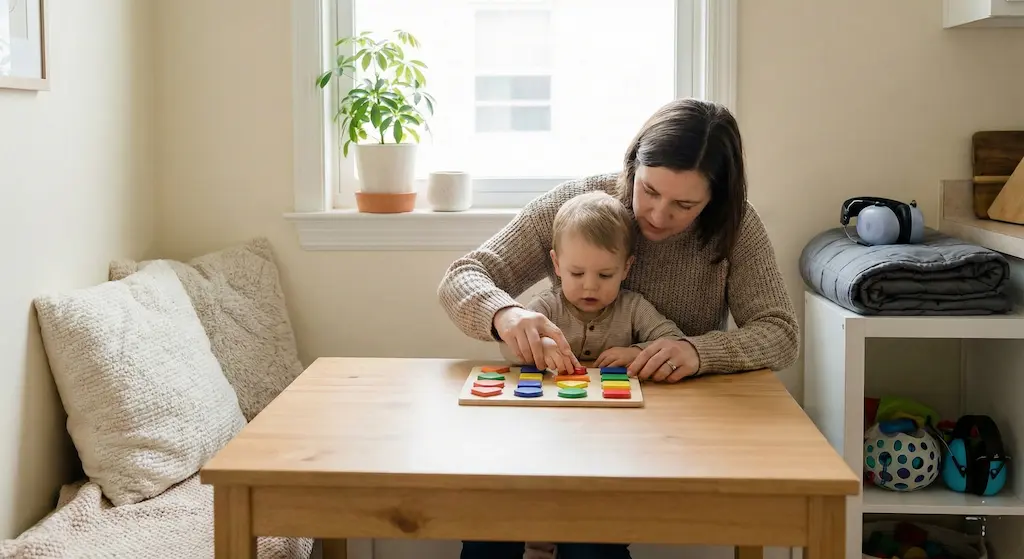
When you first start exploring ABA therapy for your child, one of the biggest decisions you'll face isn't about the therapy itself—it's about where that therapy happens. Should sessions take place in your living room, around your kitchen table, and during your actual morning routine? Or would your child do better in a dedicated clinic with other kids, structured spaces, and a team of specialists down the hall?
It's not an easy question. And honestly? There's no universal answer that works for every family.
What I can tell you is this: both in-home and clinic-based ABA can be effective. The "right" choice depends on your child's specific needs, your family's daily reality, and what goals matter most to you right now. So let's walk through what each option actually looks like, what the research tells us, and how to figure out which path makes sense for your situation.
Why Your ABA Setting Choice Matters
Before we dive into the specifics, it helps to understand why this decision carries weight in the first place.
The setting where your child receives ABA therapy shapes several important things:
- What skills are easiest to work on. Some goals—like getting dressed independently or handling transitions at bedtime—make the most sense when you're practicing them in the actual place where they happen. Other goals, like learning to take turns with peers or following group instructions, might be easier to address in a setting with built-in social opportunities.
- How well skills transfer to real life. This is what therapists call "generalization," and it's huge. A child might learn to request a snack perfectly in a therapy room, but can they do the same thing at grandma's house? At school? In a restaurant? Where therapy happens influences how easily skills carry over.
- Opportunities for social interaction. Kids need practice interacting with other kids—not just adults. The setting you choose affects how much natural peer interaction your child gets during therapy.
- Your involvement as a parent. Some settings make it easy for you to observe, participate, and learn alongside your child. Others keep parents more at arm's length. This matters more than many families realize at the start.
- Convenience and sustainability. Let's be real—ABA often means a lot of hours each week. If getting to therapy is a logistical nightmare, it affects everything. Your stress levels, your child's energy, and whether you can actually stick with it long-term.
None of these factors is more important than the others. They just need to be weighed based on what your family actually needs.
What Is In-Home ABA Therapy?
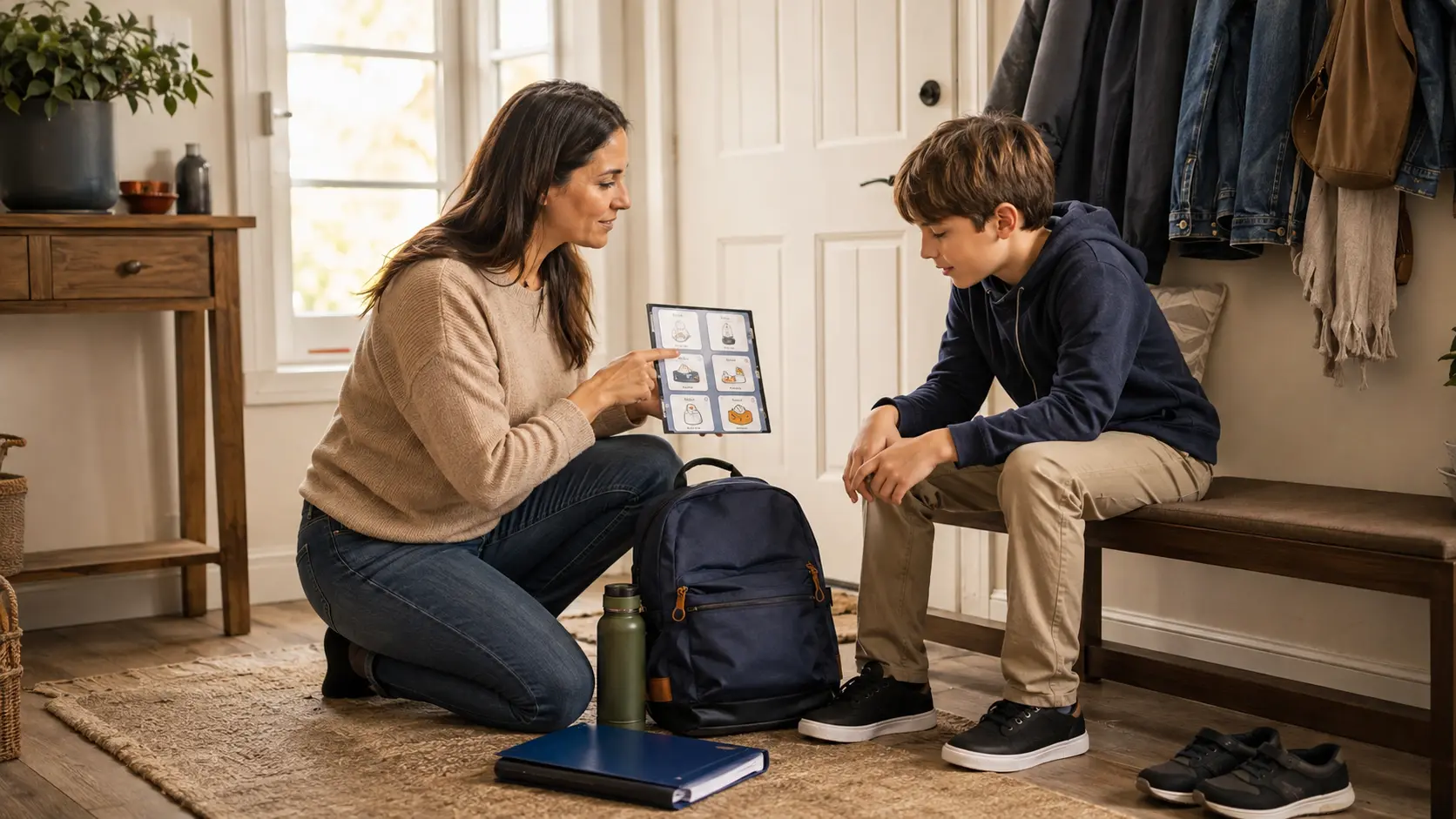
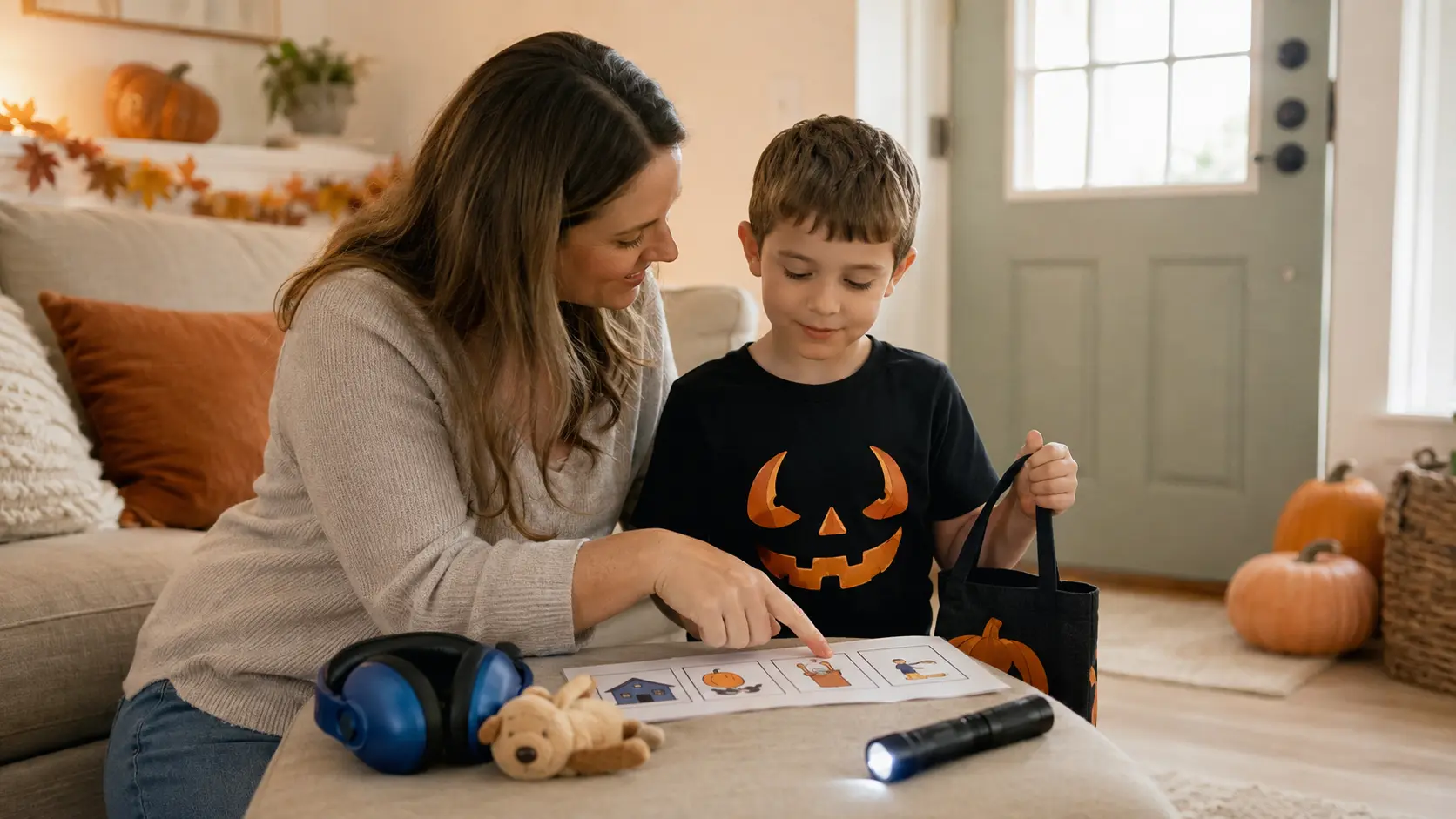
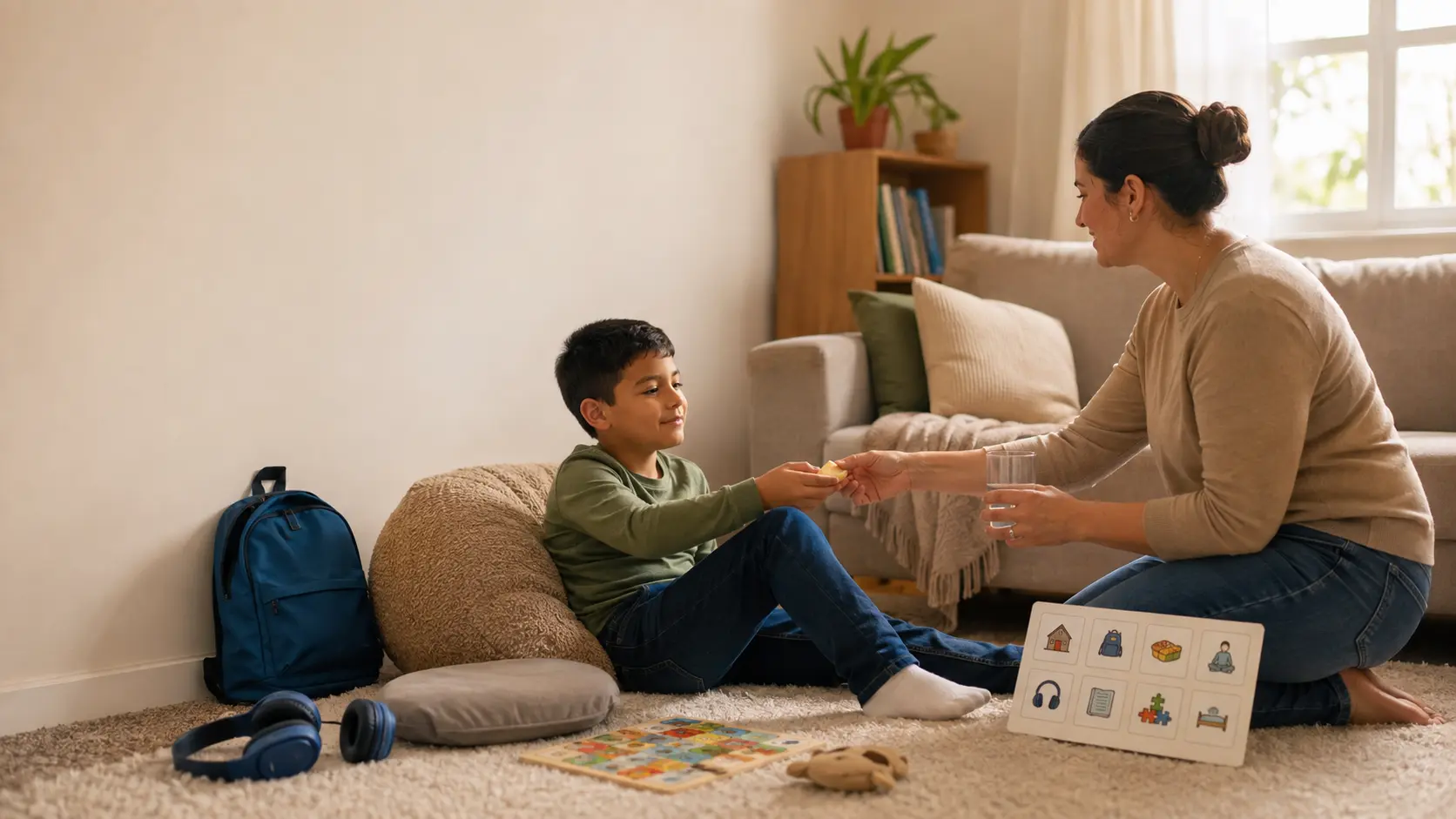
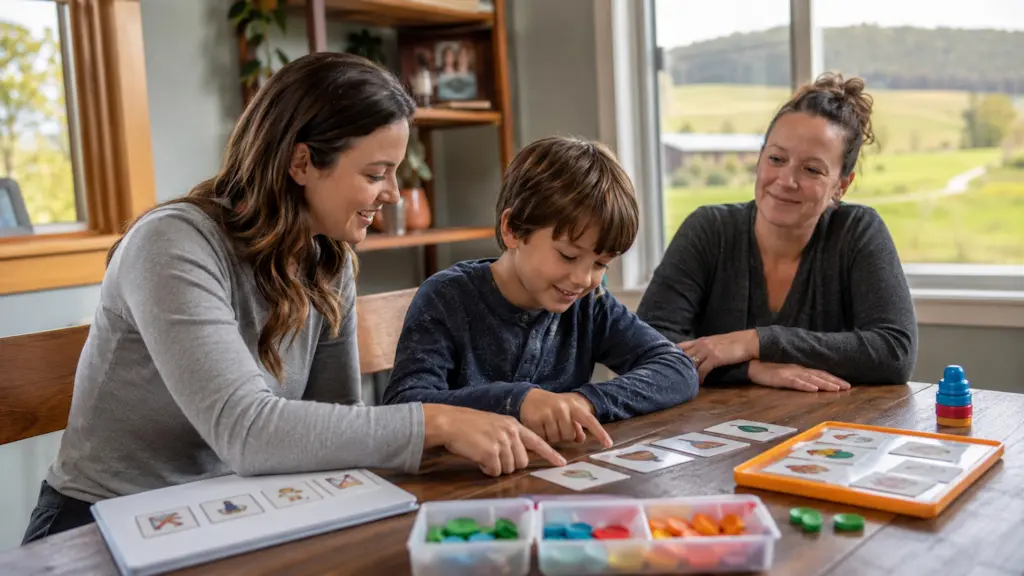
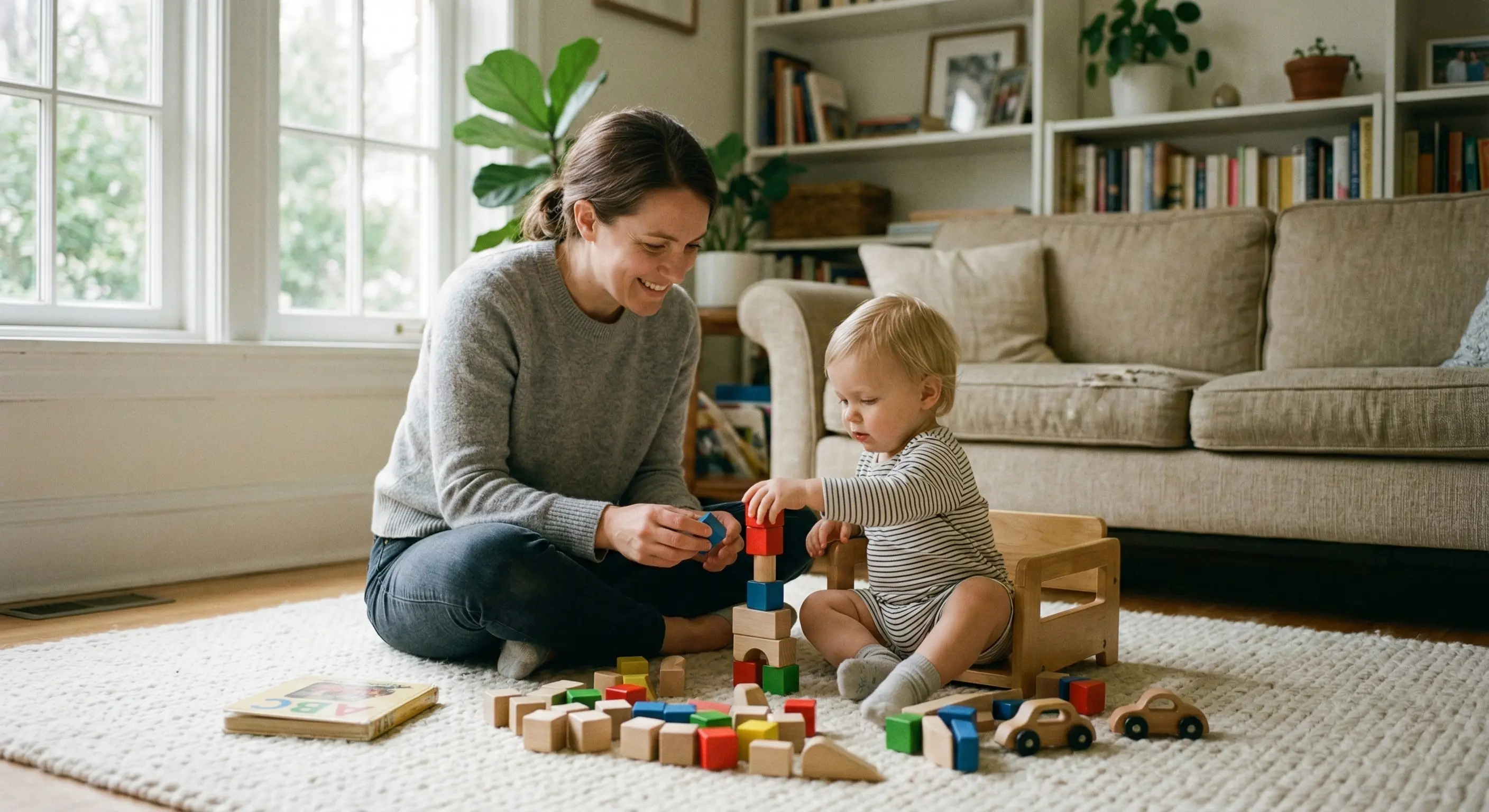
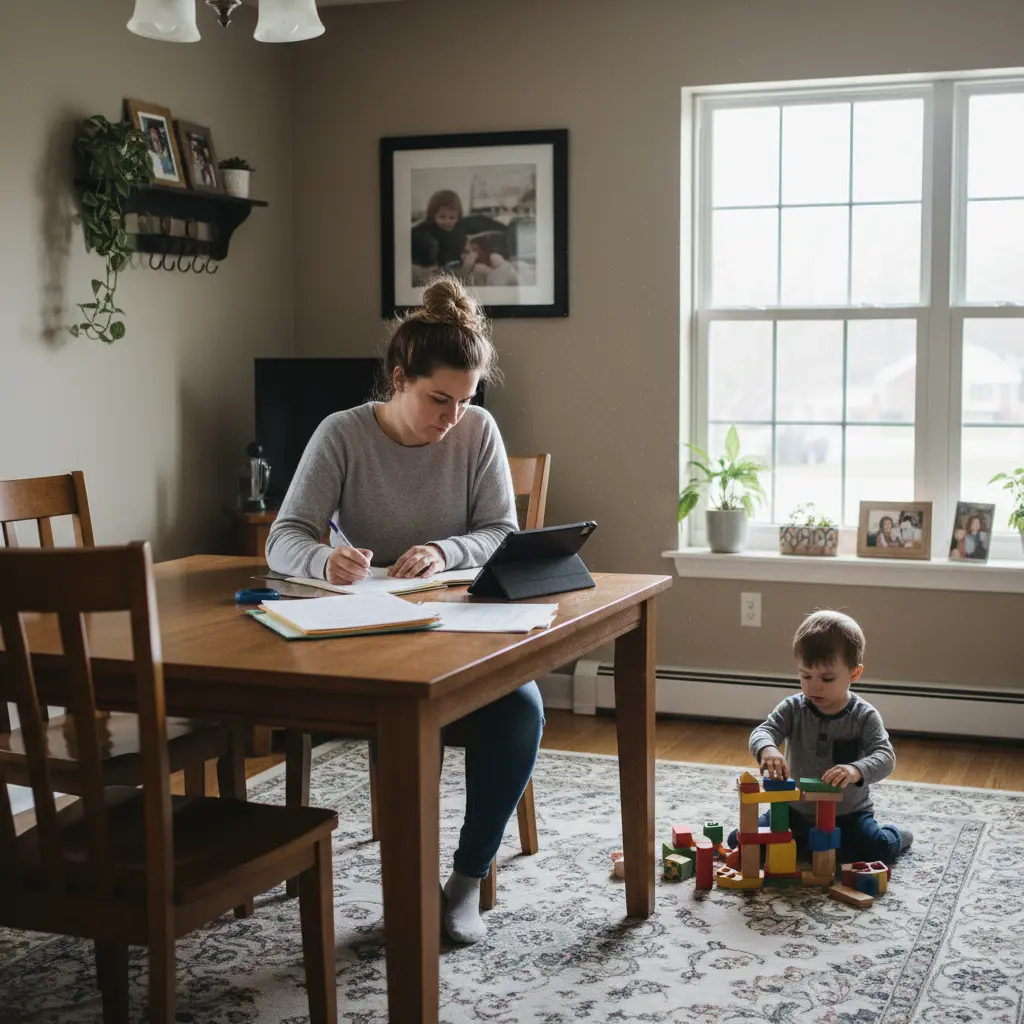
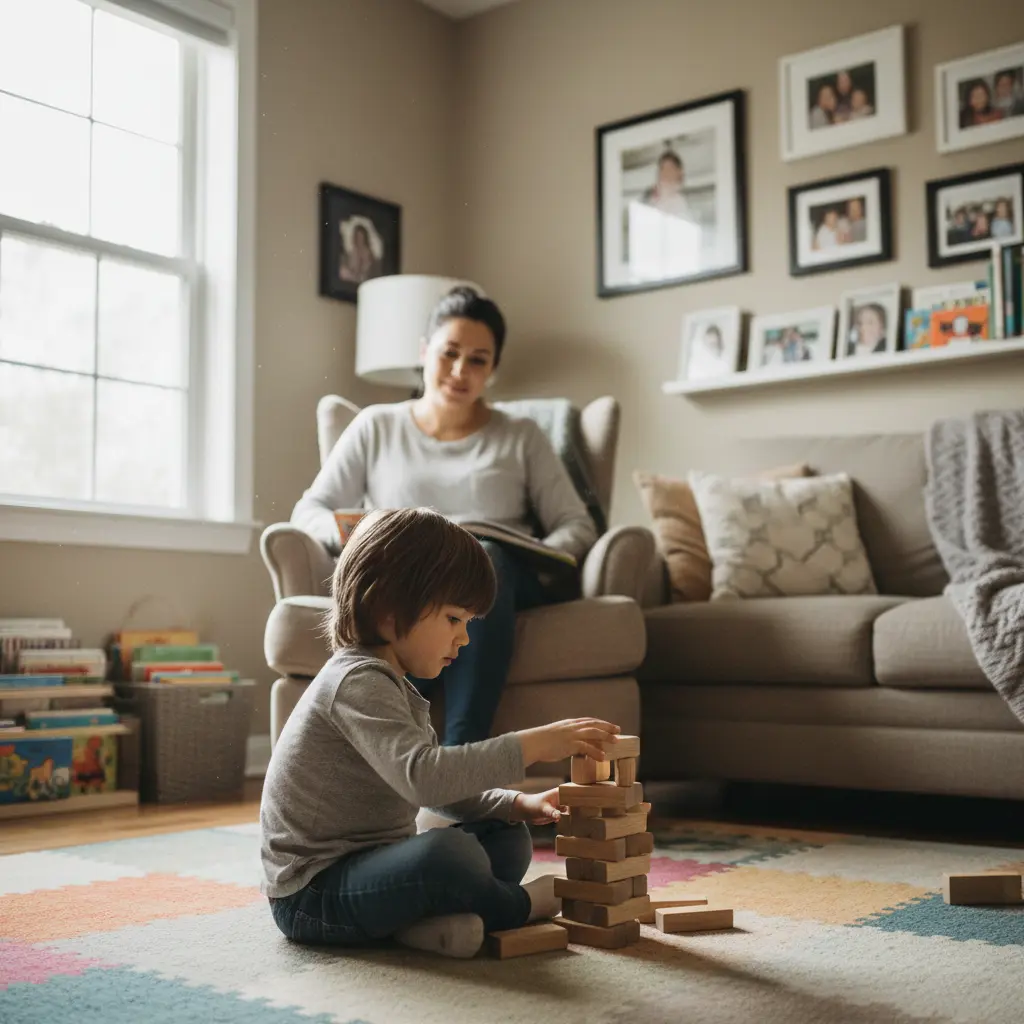
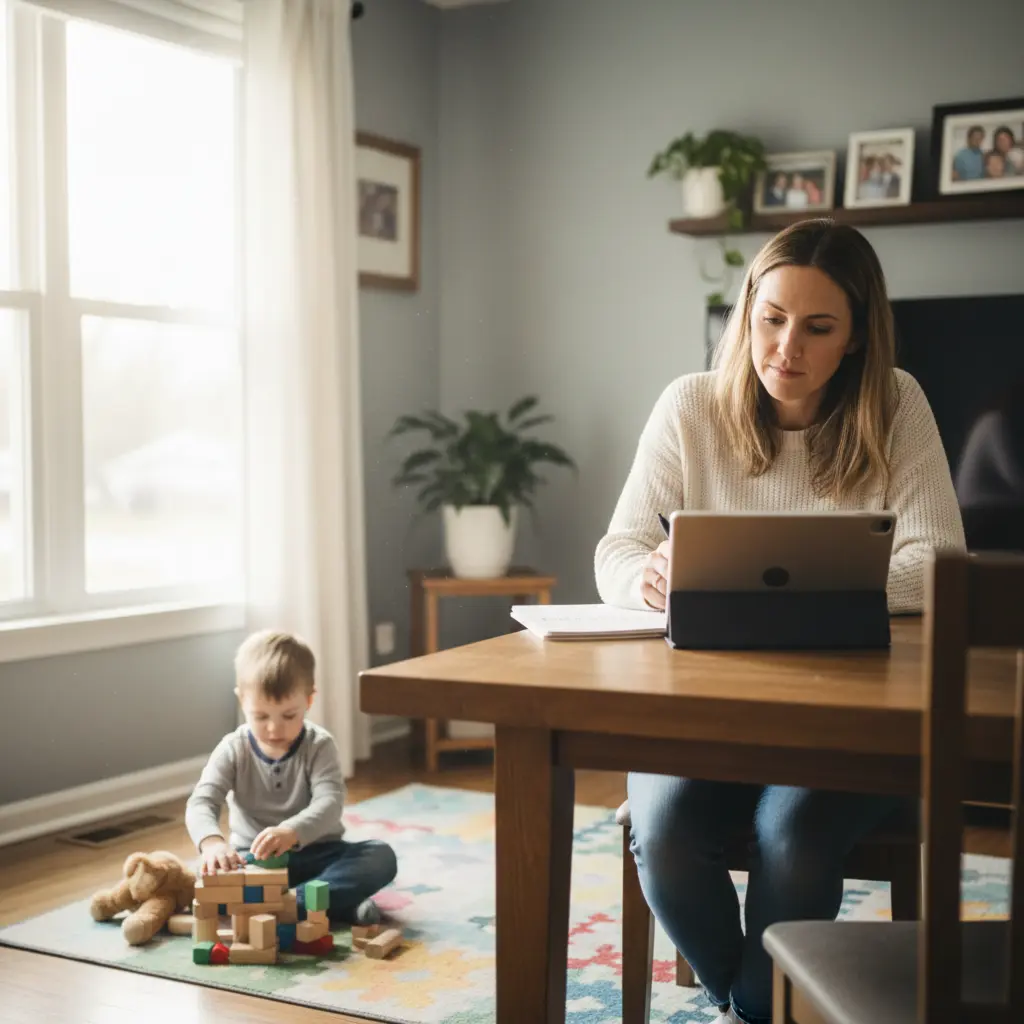
In-home ABA is exactly what it sounds like: therapy sessions delivered in your own home, woven into your child's natural routines and environment. Instead of going somewhere else to learn skills, your child practices them right where they'll use them every day.
How In-Home ABA Works
A Board Certified Behavior Analyst (BCBA) develops your child's treatment plan, and then a trained therapist—usually called a Registered Behavior Technician or RBT—comes to your house to run sessions. The BCBA supervises the program, checks in regularly, and adjusts things as your child progresses.
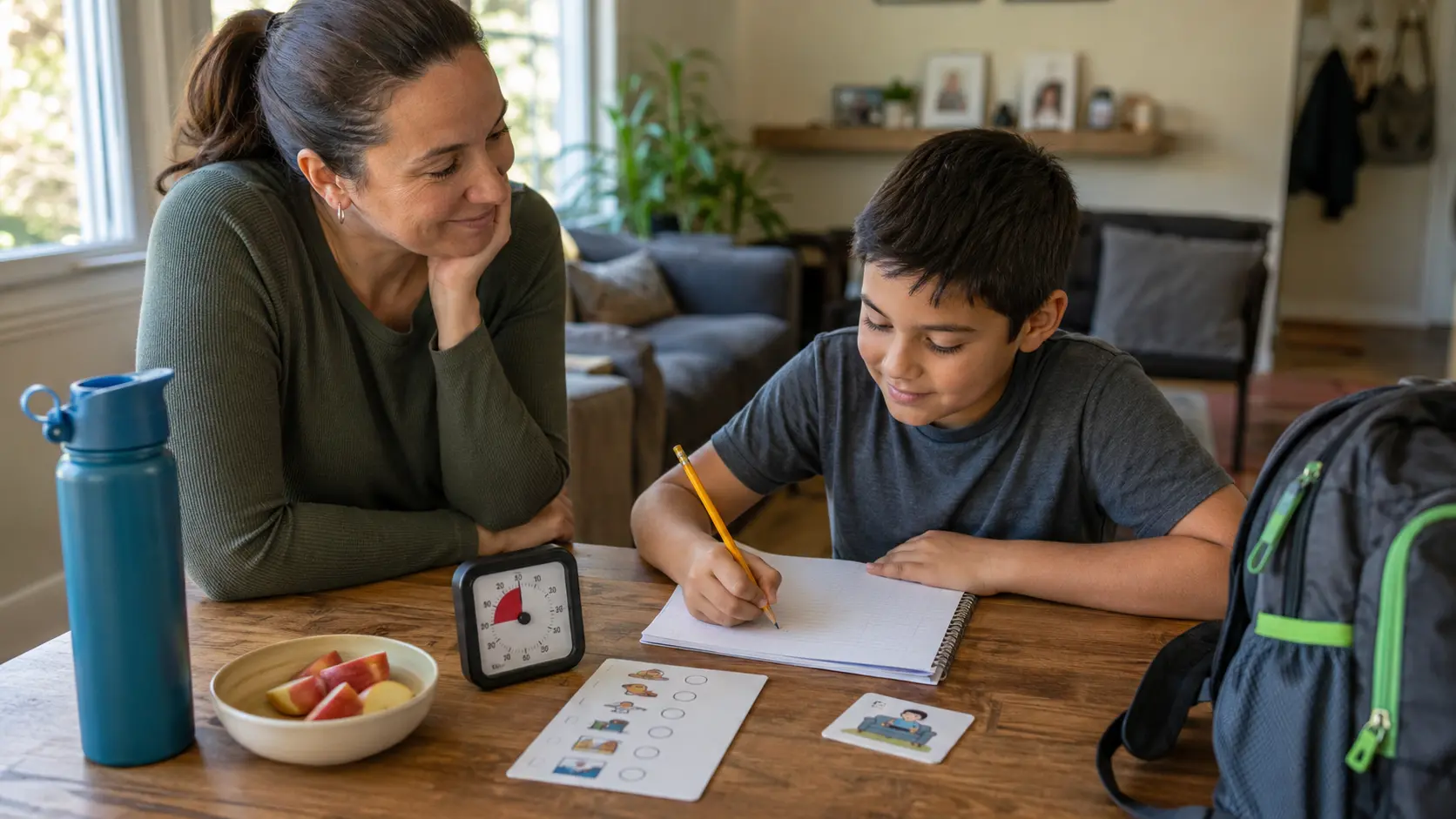
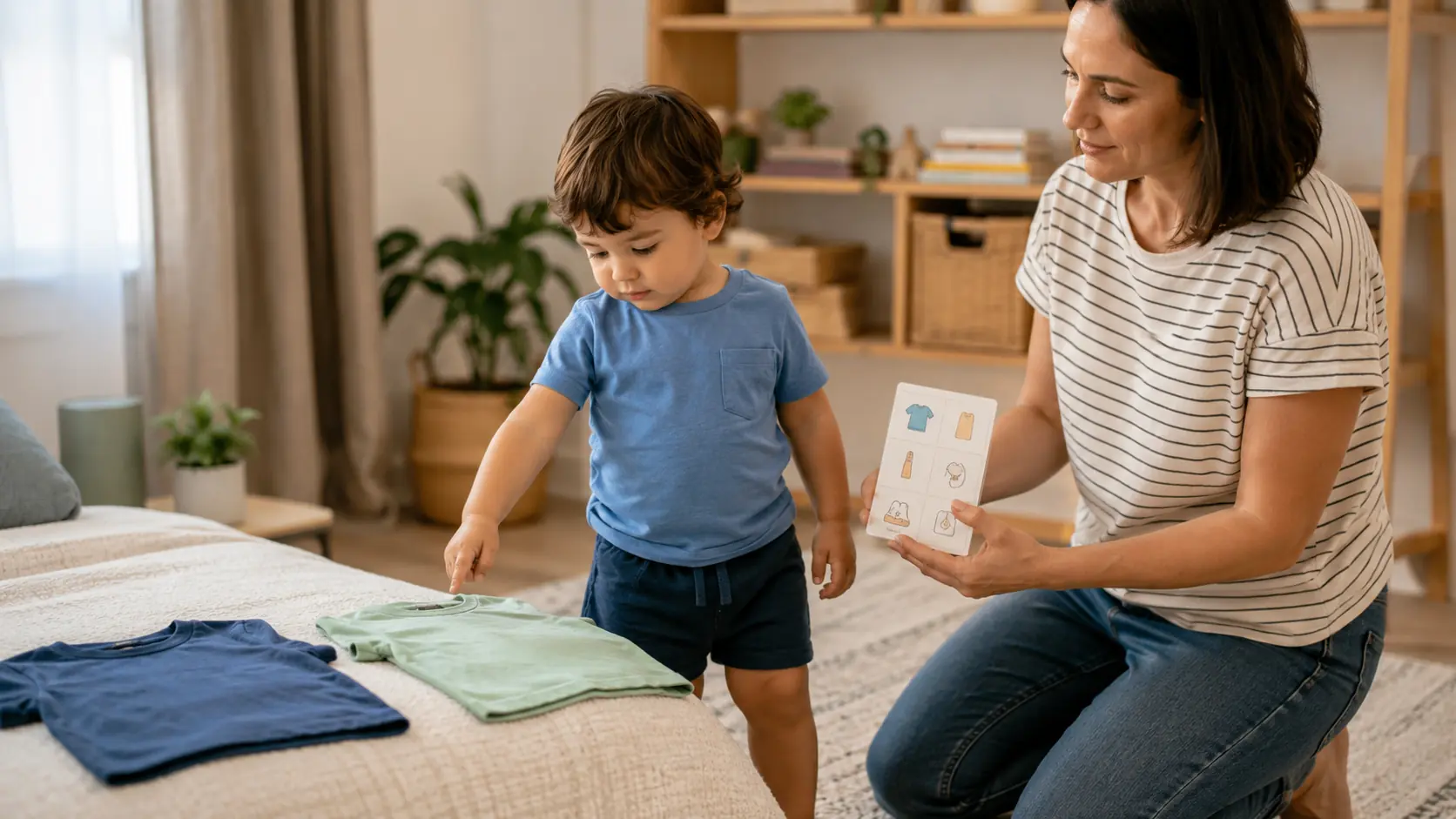
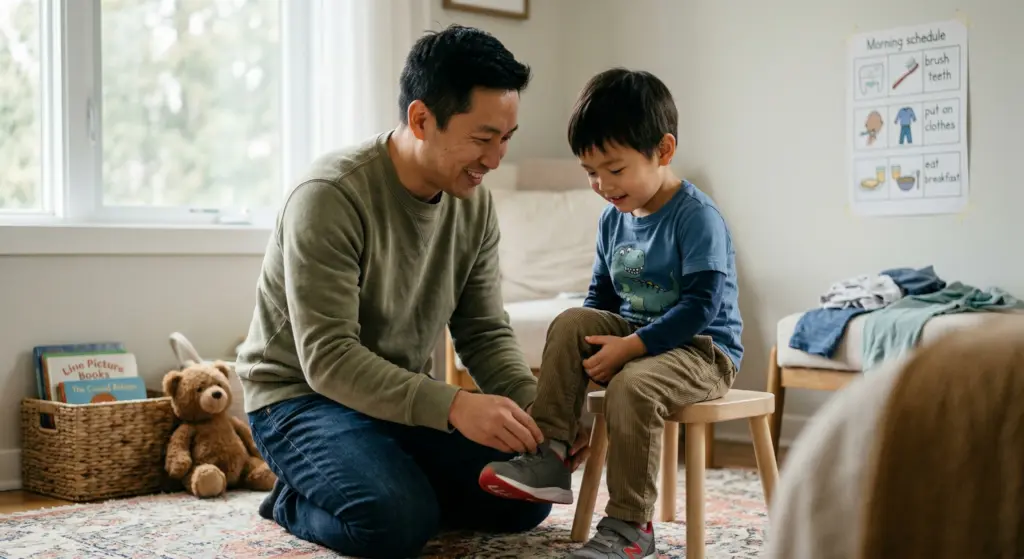
What makes in-home ABA different is the context. Sessions happen during real moments in your child's day. That might look like:
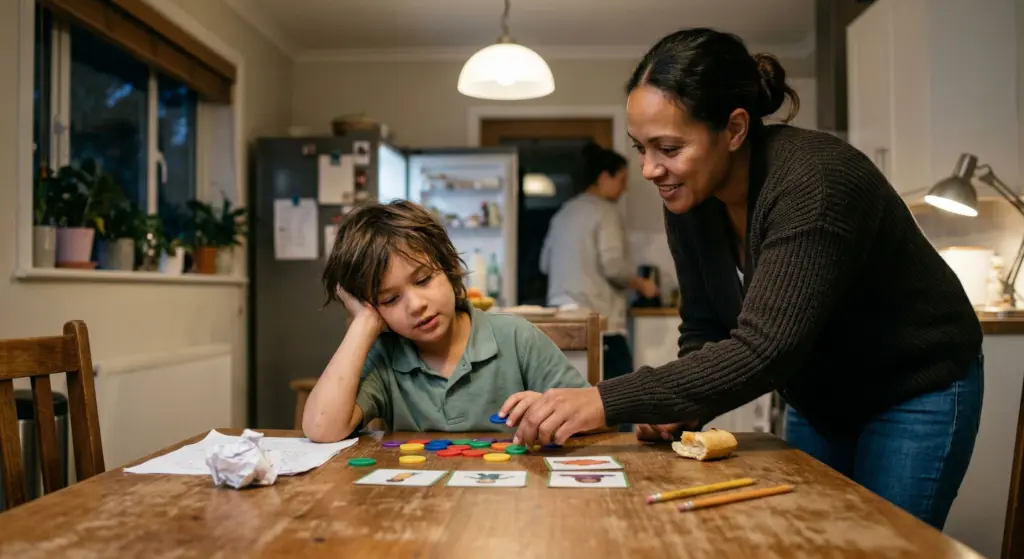
- Practicing communication skills while making breakfast together
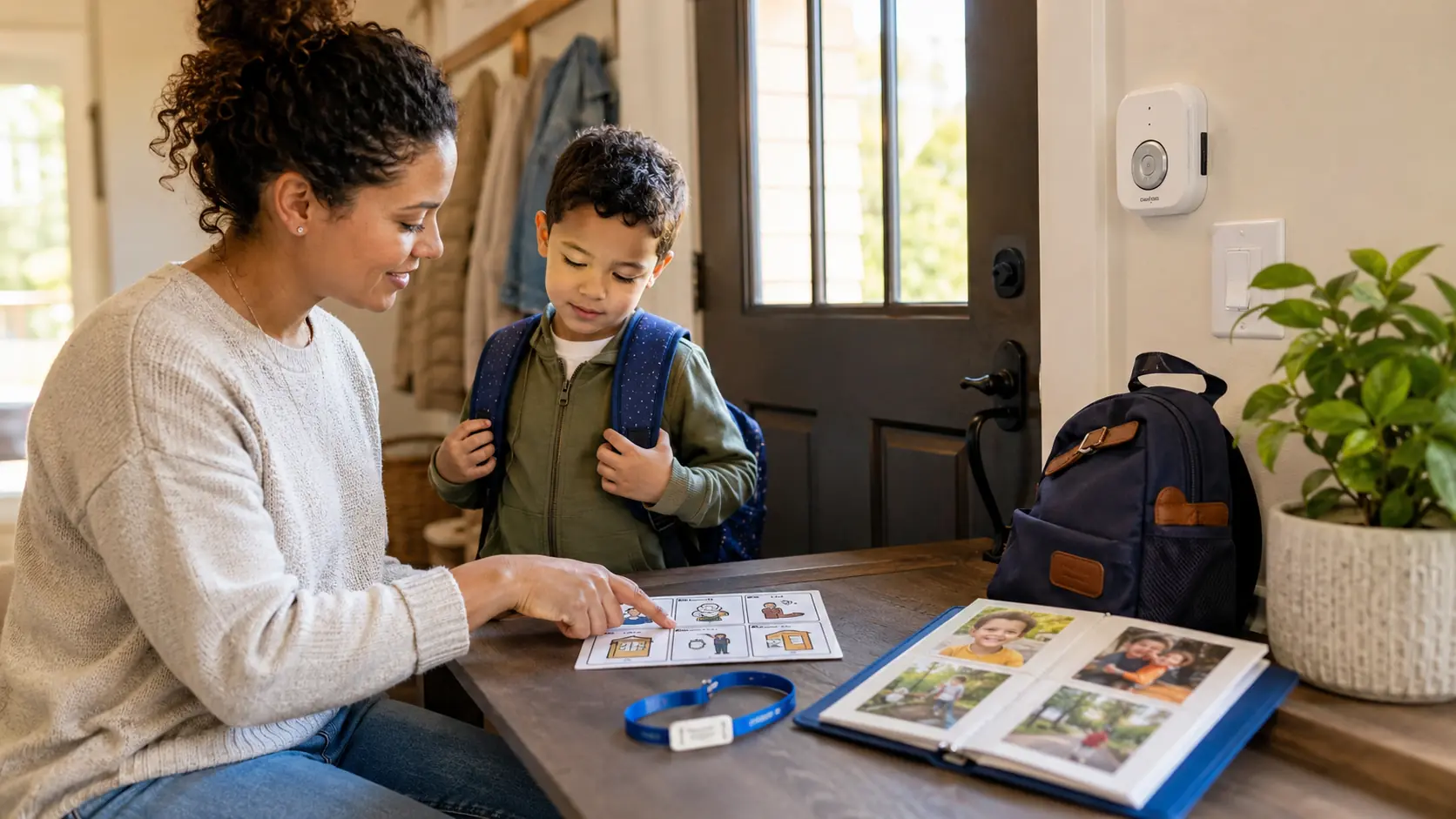
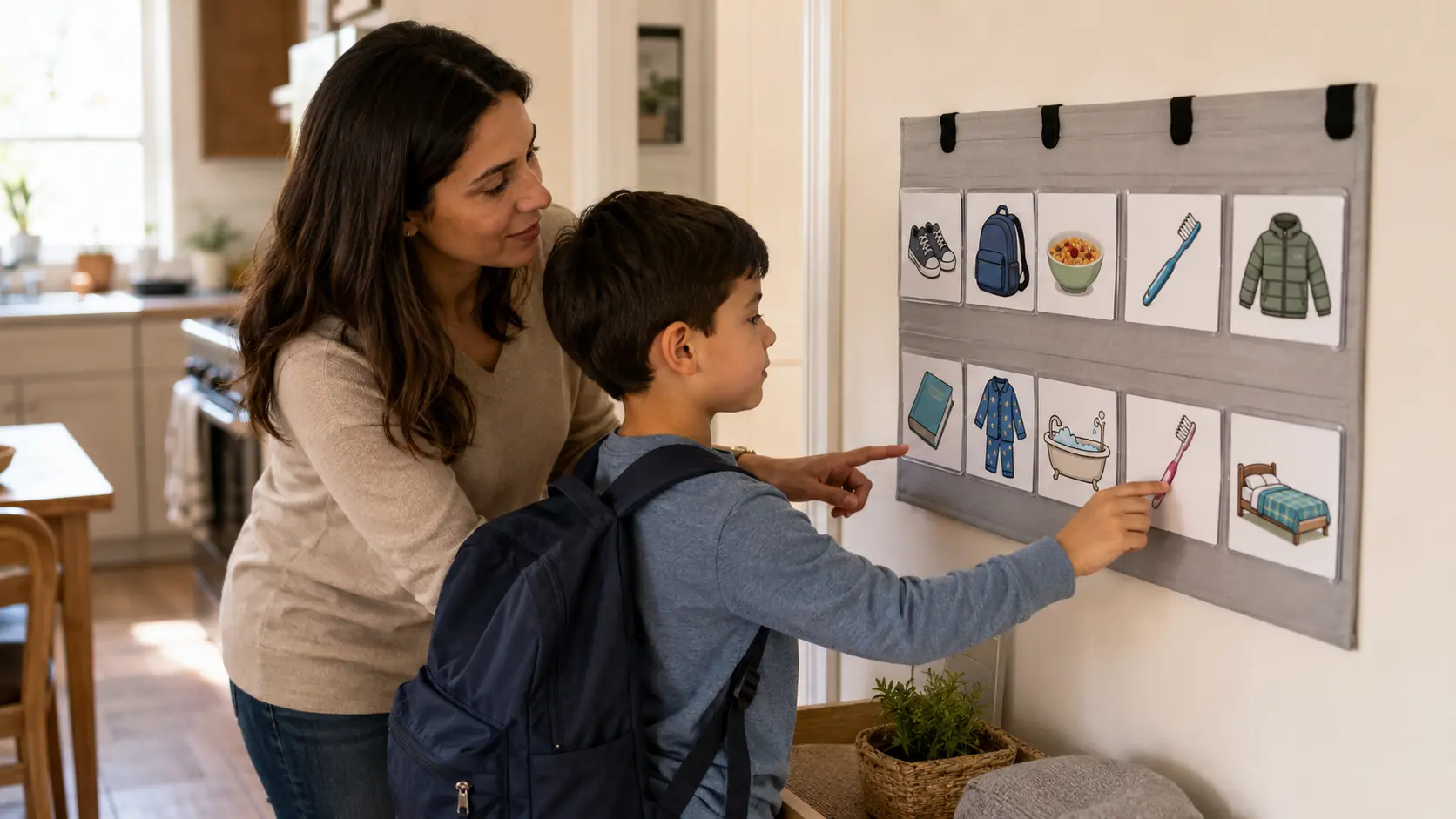
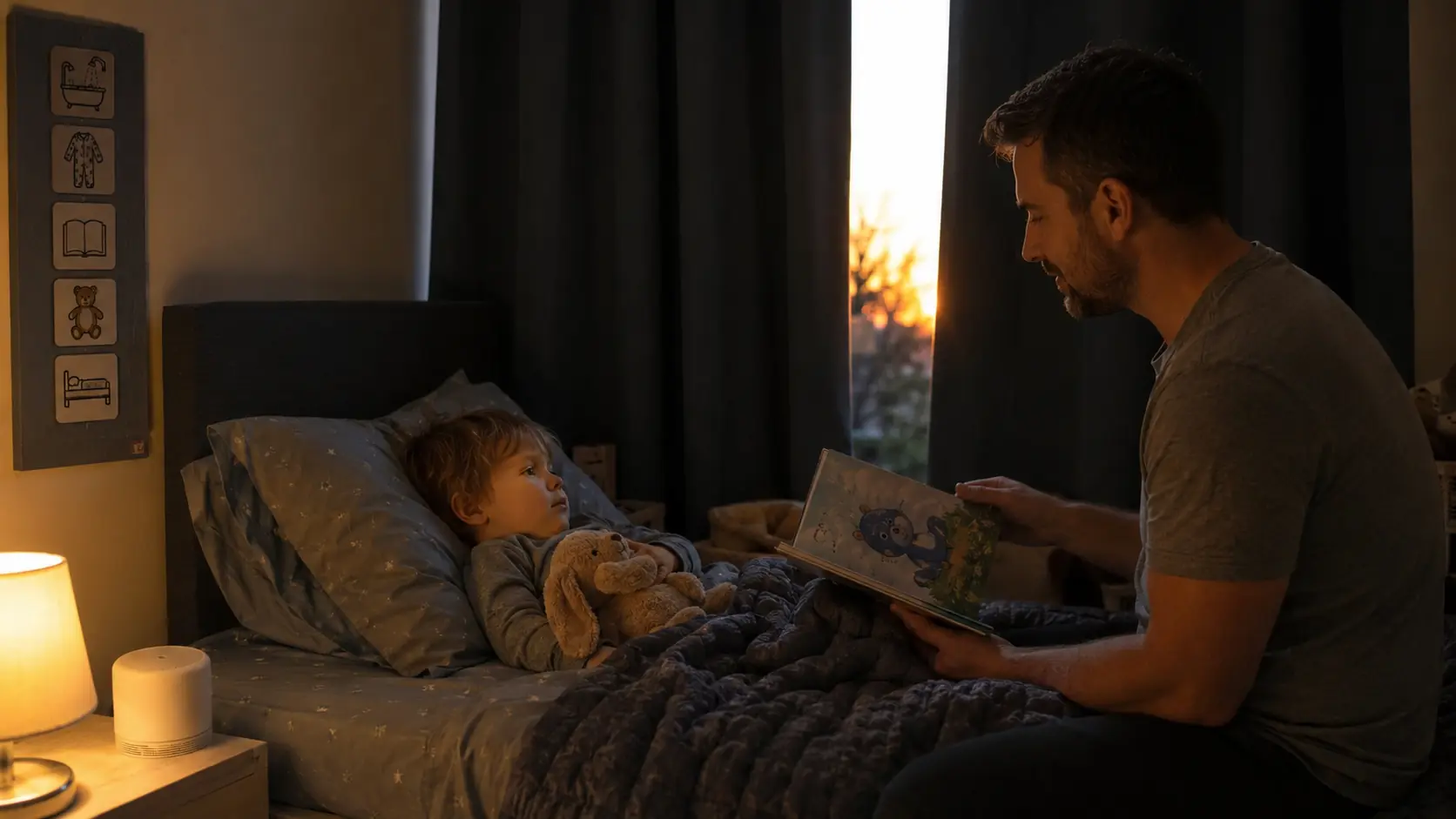
- Working on transitions during the actual bedtime routine that's been causing struggles
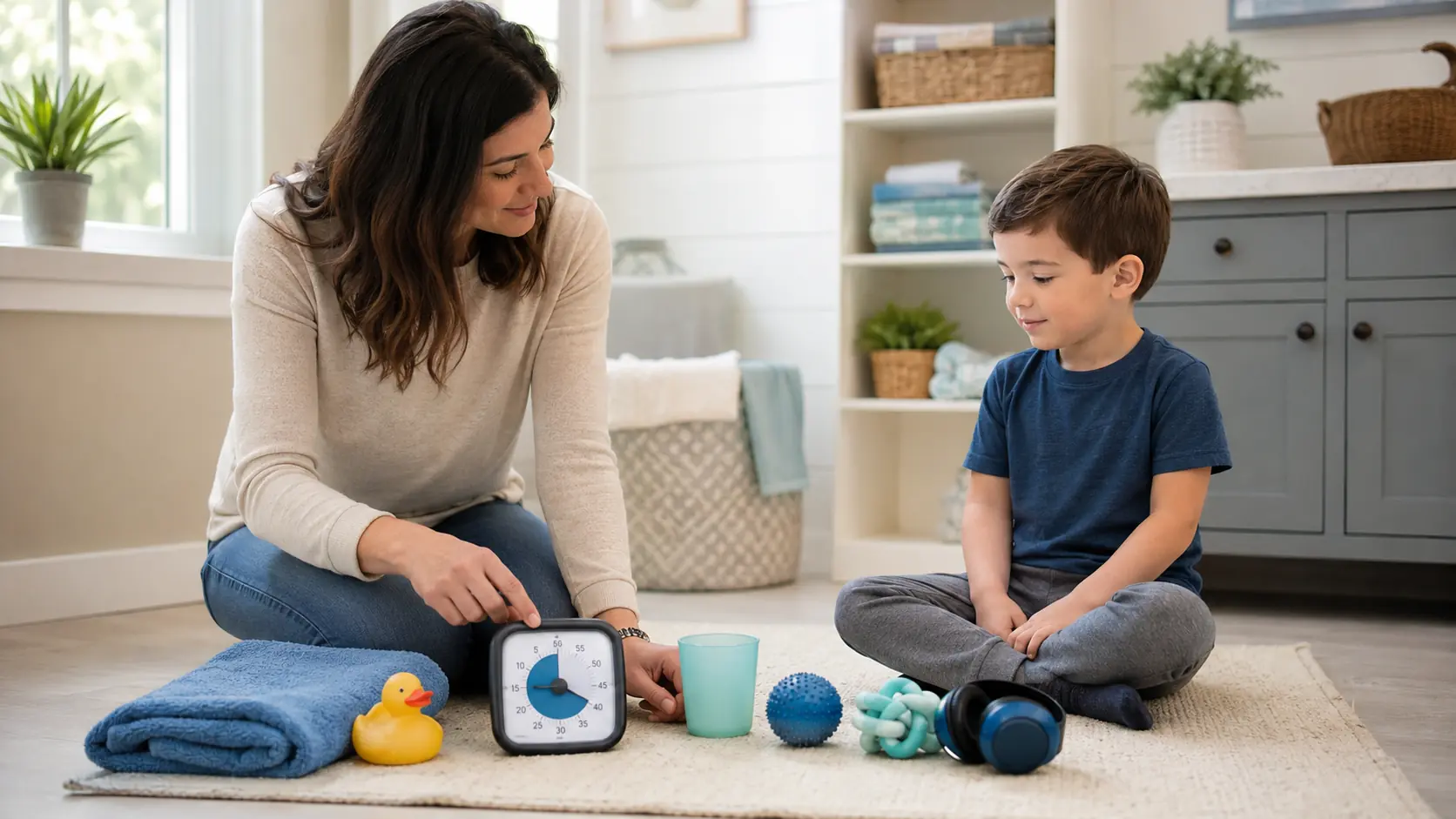
- Building tolerance for hygiene tasks in your own bathroom
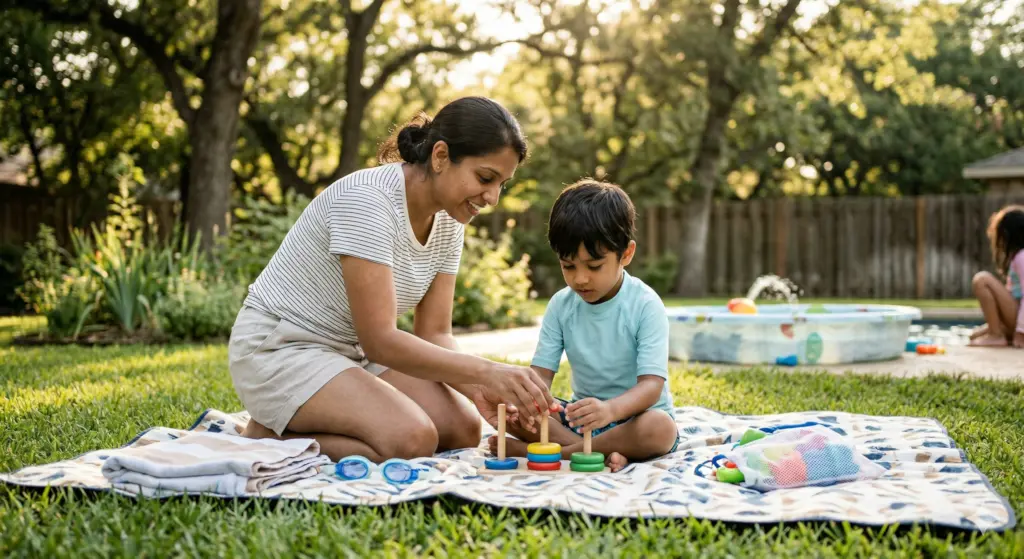
- Teaching play skills with your child's actual toys—and their siblings, if you have them
- Addressing challenging behaviors in the exact situations where they usually happen
The therapist isn't creating an artificial learning environment. They're stepping into your child's real life and teaching skills where they matter most.
Benefits of Home ABA Therapy
Research and clinical experience consistently point to several advantages of the in-home model:
- Stronger generalization of skills. When your child learns to ask for help while sitting at your kitchen table, they don't have to figure out how to transfer that skill from a clinic room to home. It's already happening in context. Studies suggest that skills taught in natural environments often generalize more easily because there's less of a gap between "learning" and "real life."
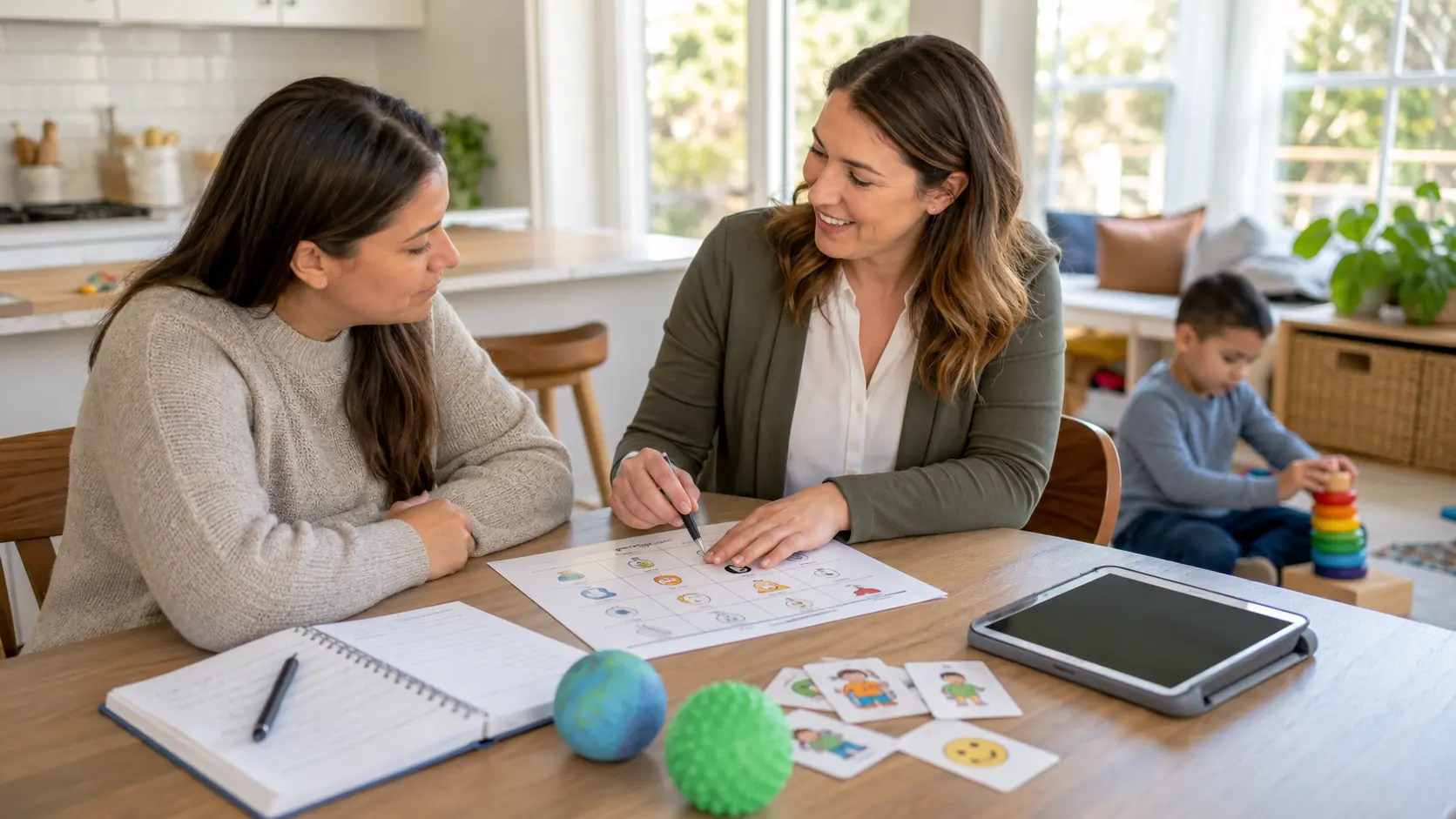
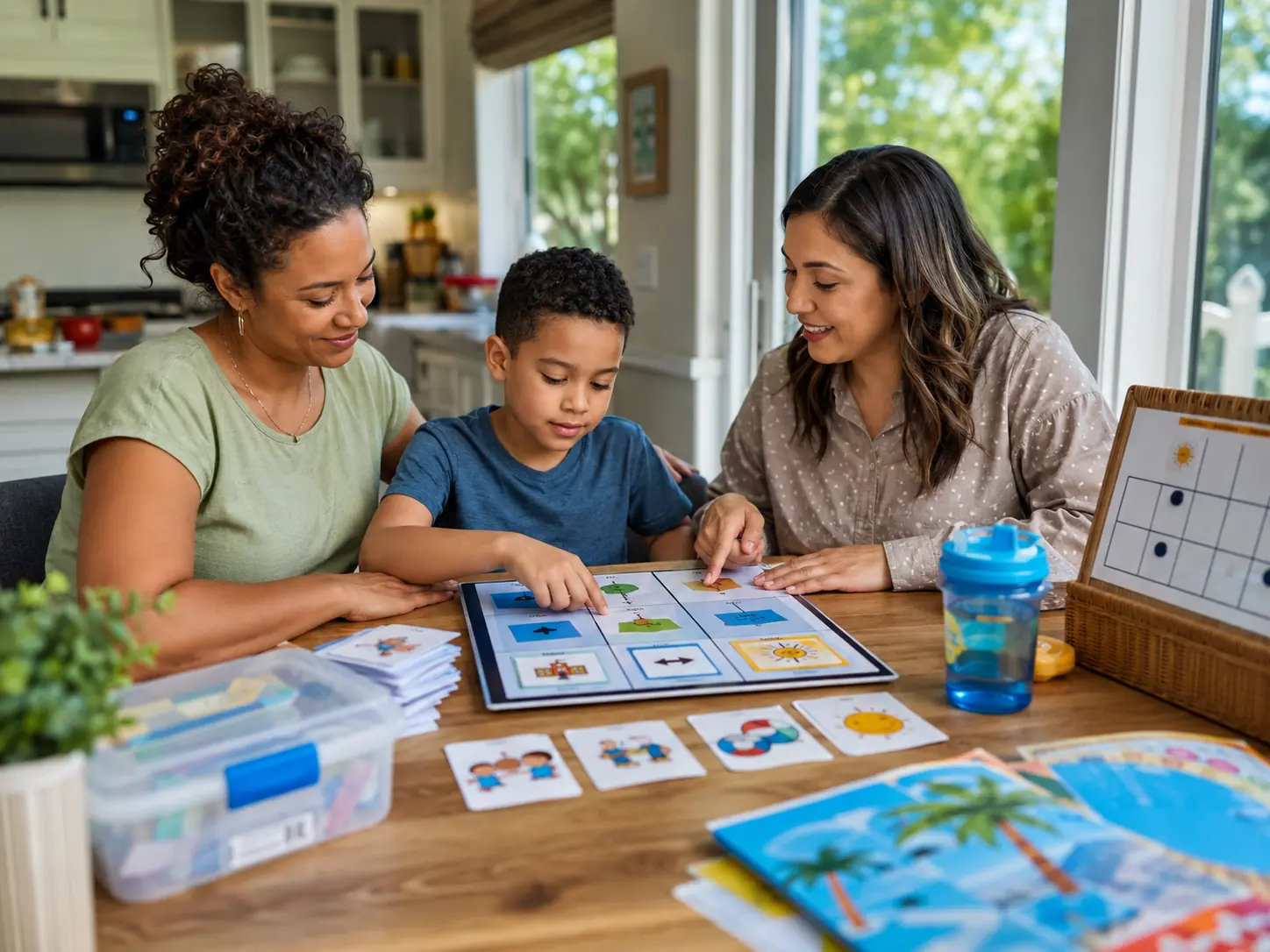
- Greater parent involvement. This is one of the biggest differences. When therapy happens in your home, you see what's going on. You watch the strategies in action. You can ask questions in the moment, practice techniques with guidance, and build confidence in supporting your child between sessions.
- That involvement isn't just nice to have—it's connected to better outcomes. Research consistently shows that parent training and participation improve how well children maintain skills over time. You become part of the treatment team, not just someone who drops off and picks up.
- Comfort and reduced anxiety. Many autistic children struggle with new environments. Unfamiliar spaces, different sounds, unexpected sensory input, all of that can increase anxiety and make learning harder. At home, your child is in familiar territory. They're not burning energy just trying to cope with the environment, which means more capacity for actual skill-building.
- Convenient therapy options. No commute. No fighting traffic. No trying to get a reluctant child into the car three times a week. For families in rural areas, families with multiple kids, or parents juggling complicated work schedules, this can be the difference between ABA being sustainable and ABA being impossible.
When In-Home Might Be a Great Fit
In-home ABA tends to work especially well when:
- Your child's biggest challenges involve home routines—getting ready in the morning, mealtimes, bedtime, cooperating with daily tasks
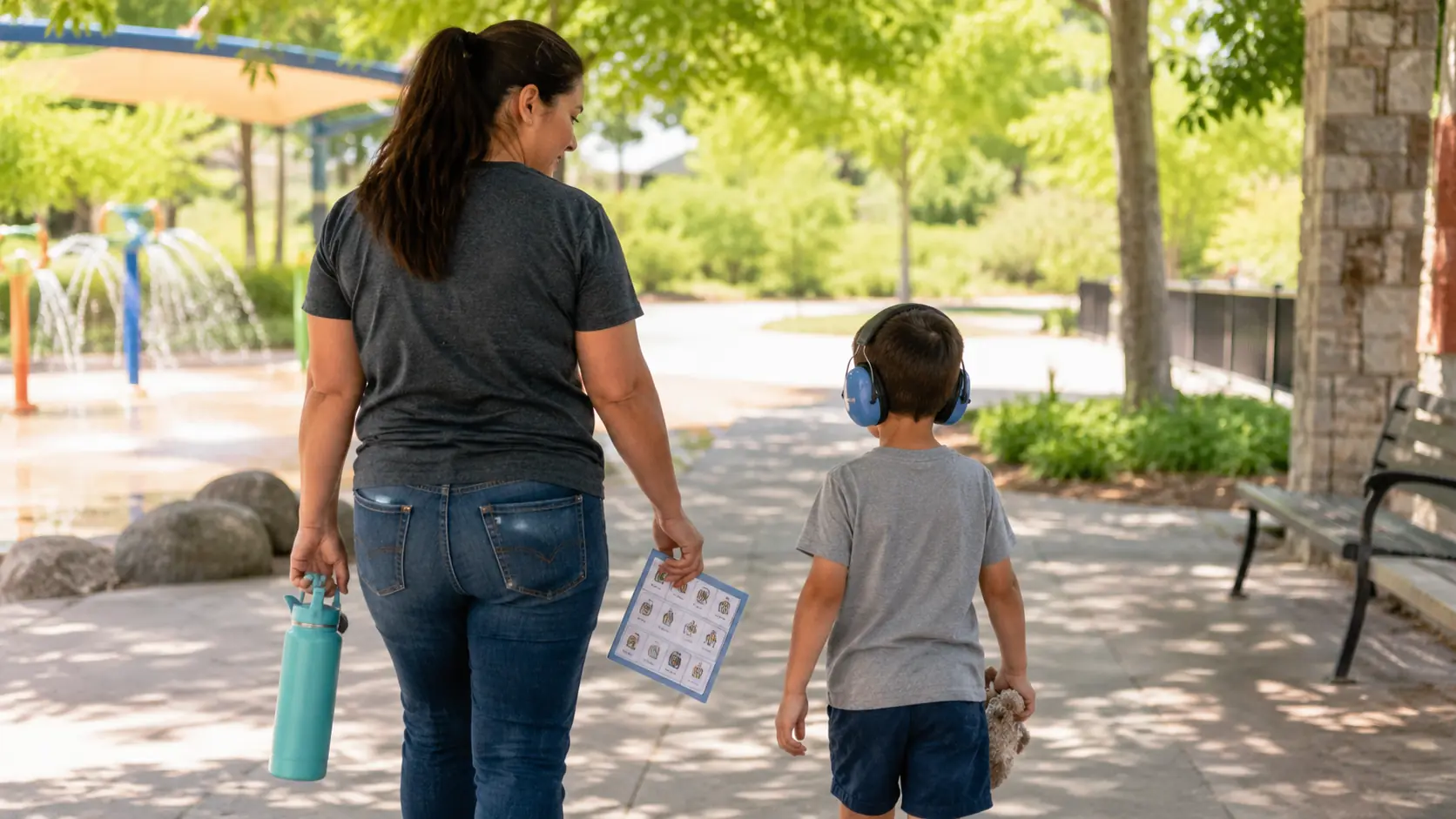
- Your child gets overwhelmed in busy, noisy, or unfamiliar environments
- You want to be actively involved in learning strategies and coaching
- Traveling to a center regularly would be difficult due to distance, schedule, or other kids in the family
- Your child has significant anxiety around new places or transitions
What Is Clinic- or Center-Based ABA Therapy?
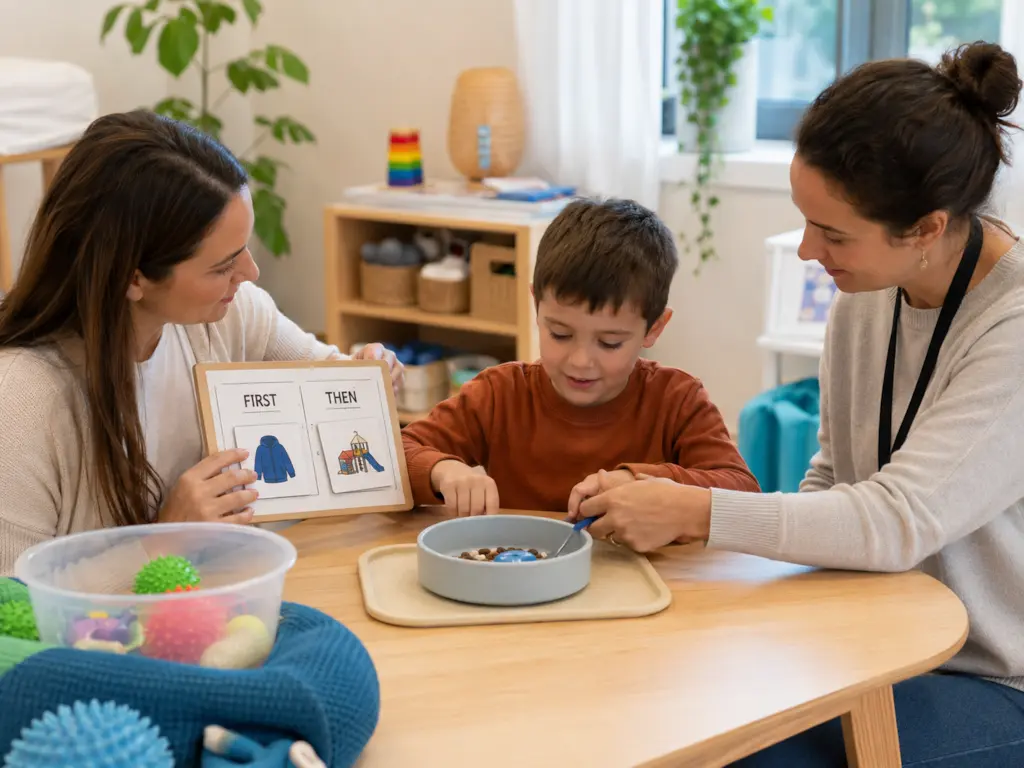
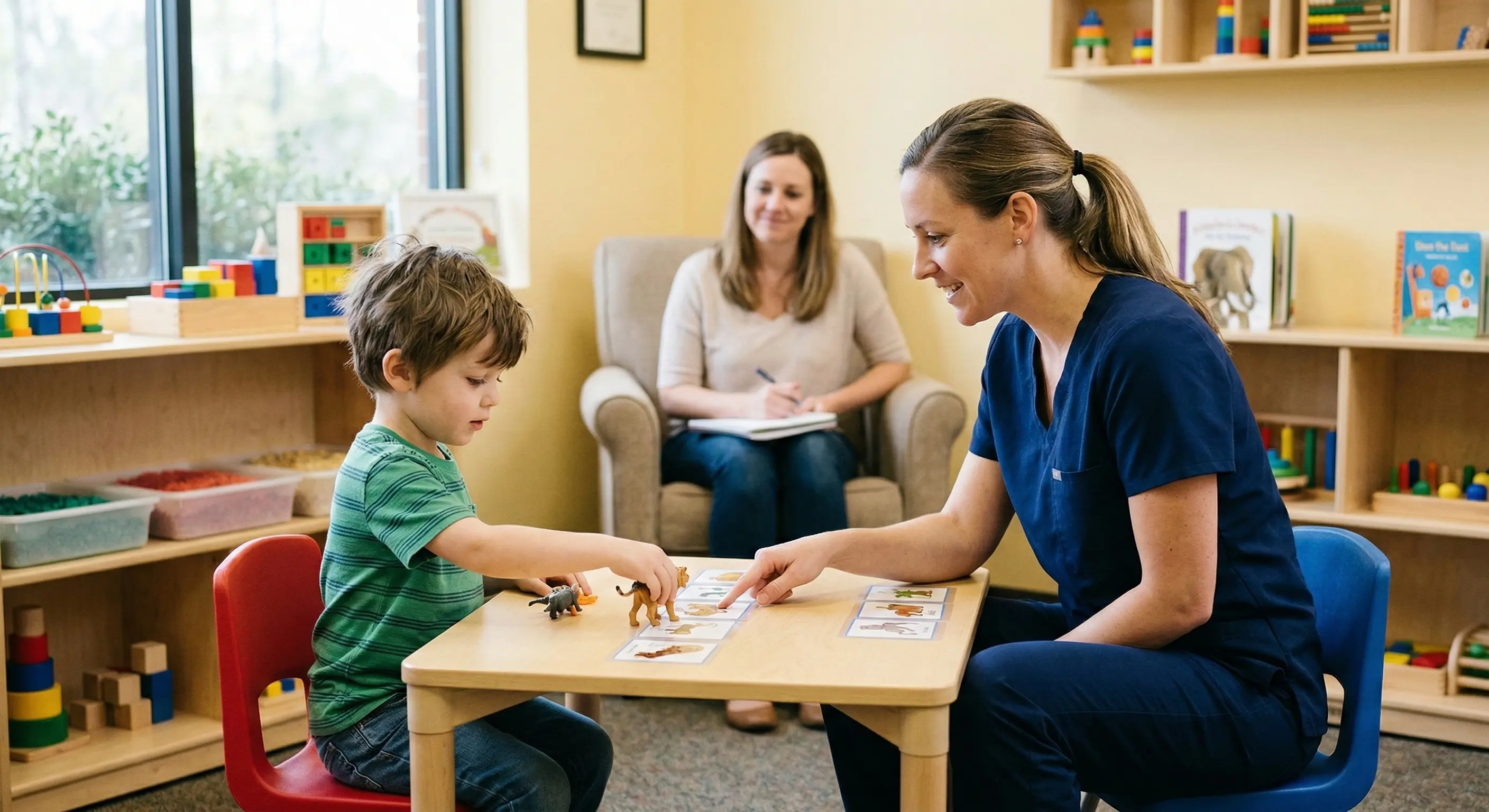
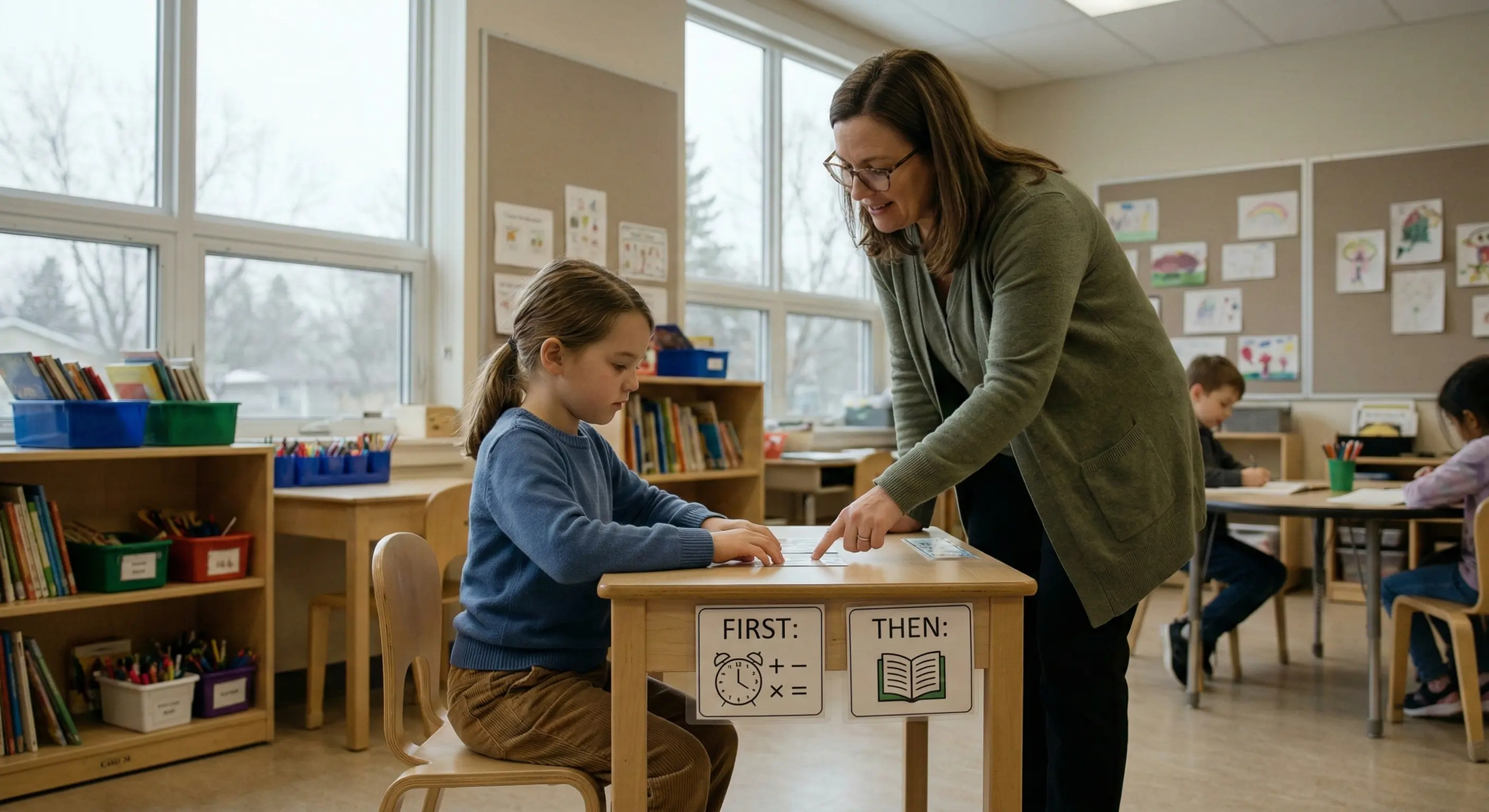
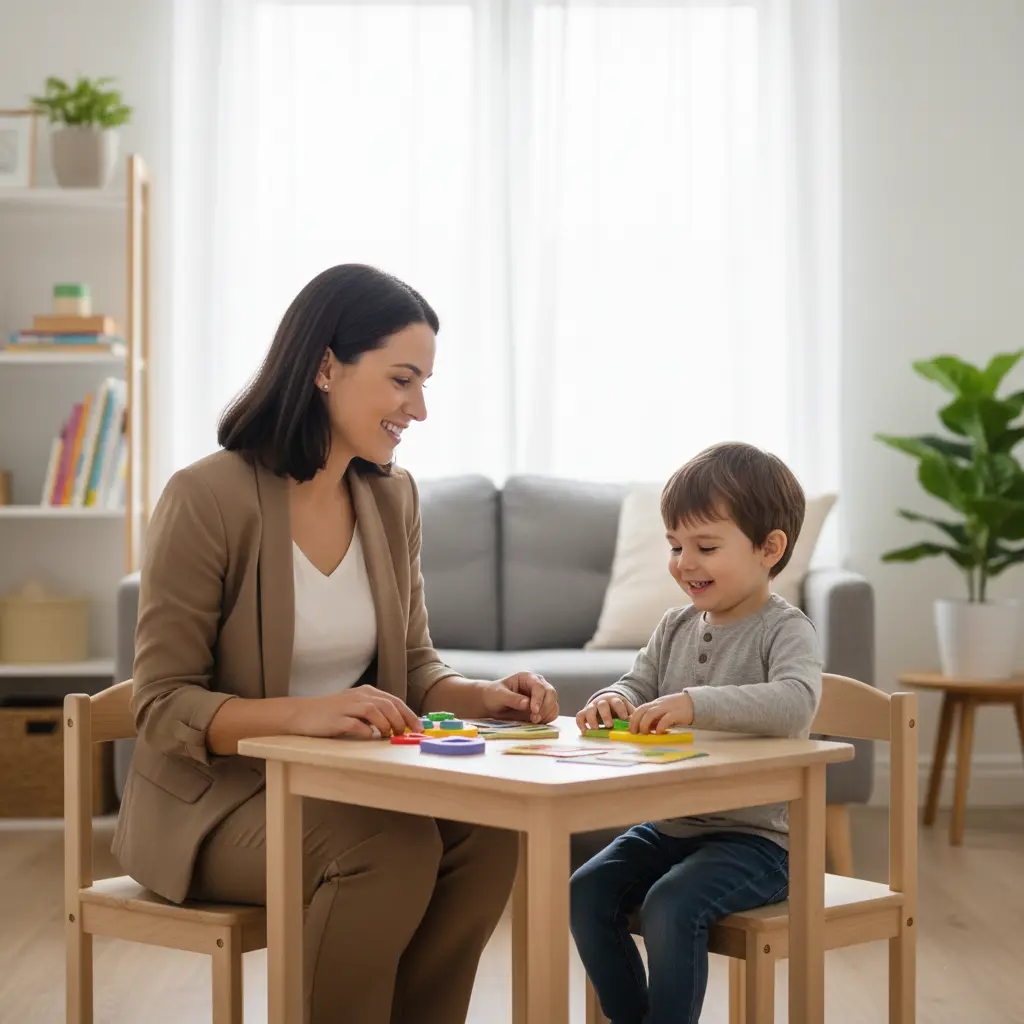
Clinic-based ABA—sometimes called center-based ABA—takes place in a dedicated facility designed specifically for therapy. These centers have purpose-built spaces: therapy rooms, play areas, group activity rooms, and often a team of different specialists working under one roof.
How Clinic-Based ABA Works
Your child travels to the clinic for their sessions, which might range from a few hours a day to full-day programming depending on their treatment plan. The environment is structured and consistent, with clear routines and expectations that help kids shift into "learning mode."
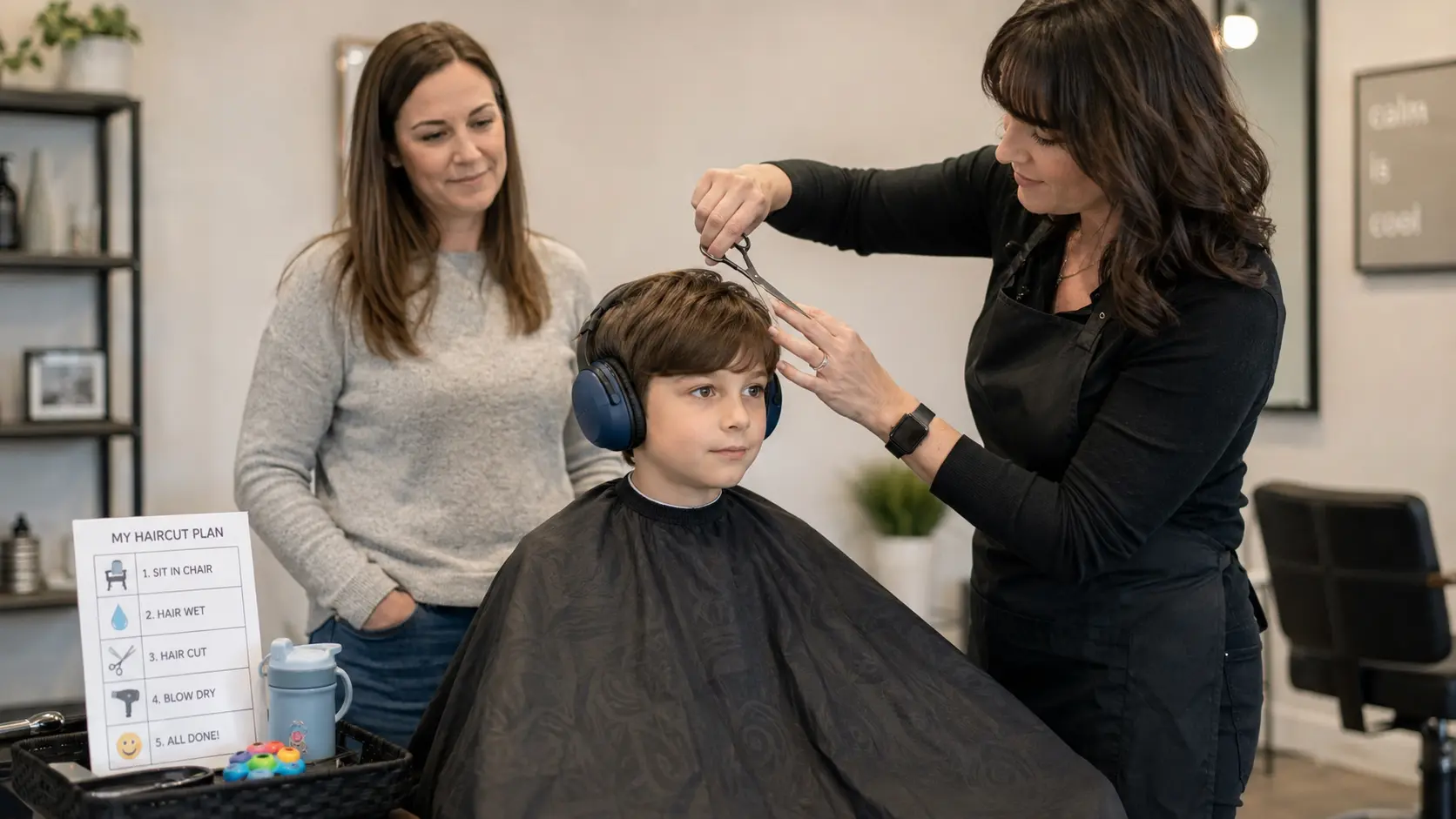
Many centers have multiple children receiving services at the same time, which creates natural opportunities for social interaction. Some offer specific social skills groups, classroom simulations, or peer activities as part of their programming.
Benefits of Center-Based ABA
Clinic-based programs have their own set of advantages that make them the right choice for many families:
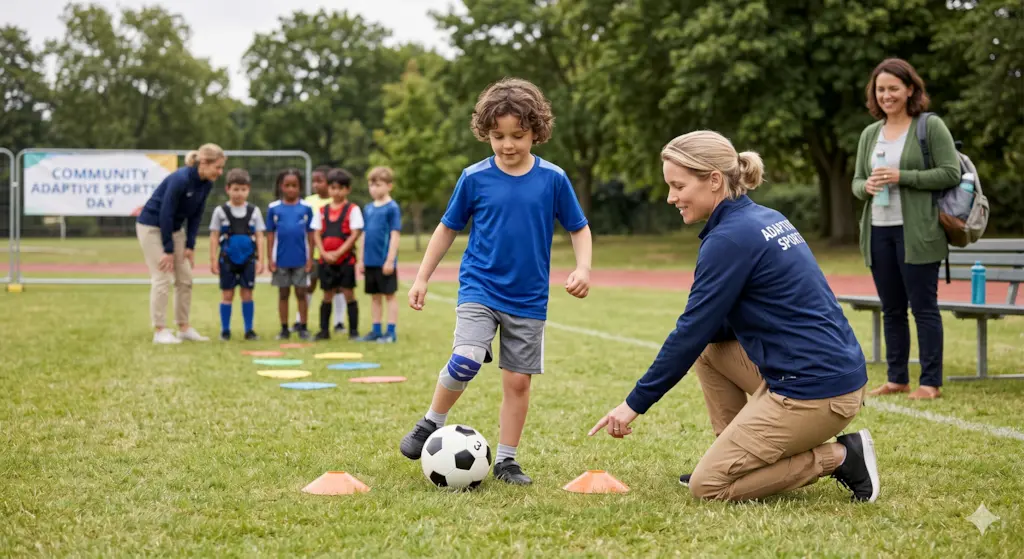
- Built-in peer interaction. If your child needs practice with social skills—taking turns, playing cooperatively, handling group activities—a center environment provides natural opportunities. There are other kids around. Group activities happen organically. Social skills groups can be integrated into the program without needing to arrange separate play dates or activities.
- Structured, distraction-reduced environment. Clinics are designed for learning. There's less of the household chaos that can make focusing difficult—no siblings interrupting, no dogs barking, no pile of laundry staring at you from the corner. For some kids, that clear separation between "therapy space" and "home space" actually helps them engage more fully.
- Access to resources and a multidisciplinary team. Many centers house not just ABA therapists but speech-language pathologists, occupational therapists, and multiple BCBAs. Having that team under one roof can streamline communication and make it easier to coordinate care. Centers also often have specialized materials, sensory equipment, and structured teaching tools that would be hard to replicate at home.
- Intensive programming options. Some families need or want high-intensity therapy—20, 30, even 40 hours a week. Centers are often better equipped to provide this kind of intensive schedule, with full- or half-day programming that supports rapid skill acquisition. This can be especially valuable for younger children or kids preparing for school.
When Center-Based Might Be a Great Fit
A clinic-based model often makes sense when:
- Your child needs intensive social skills practice or school-readiness preparation
- Your child does well with structure and routine, and isn't overly distressed by new environments
- You're looking for a multidisciplinary team with different specialists available
- Your child benefits from the clear boundary between "therapy space" and home
- Peer interaction and group activities are high priorities for your family right now
In-Home vs Center-Based ABA: Side-by-Side Comparison
Sometimes it helps to see the key differences laid out clearly. Here's how the two settings typically compare across the factors that matter most:
Generalization of Skills
- In-home: This is where home-based therapy really shines. Skills are taught in the actual context where your child needs to use them. Toilet training happens in your bathroom. Mealtime communication happens at your table. Morning routines are practiced during actual mornings. There's no translation needed—the learning environment and the real environment are the same.
- Center-based: Generalization requires more intentional planning. A child might master a skill beautifully in the clinic, but that doesn't automatically mean they can do it at home, at school, or in the community. Good center-based programs build in strategies for carryover, but it takes extra effort to make sure skills don't stay "clinic-only."
Peer Interaction and Social Skills
- In-home: Social practice happens mostly with family members—parents, siblings, maybe neighbors or arranged play dates. If your child needs intensive peer interaction, you'll likely need to supplement with community activities, social skills groups through other providers, or school-based supports.
- Center-based: This is a strength of the clinic model. Other kids are right there. Group activities, circle time, parallel play, and social skills groups can be woven naturally into the therapy day. For children whose primary needs involve peer relationships and social development, this built-in social environment can be a significant advantage.
Parent Involvement
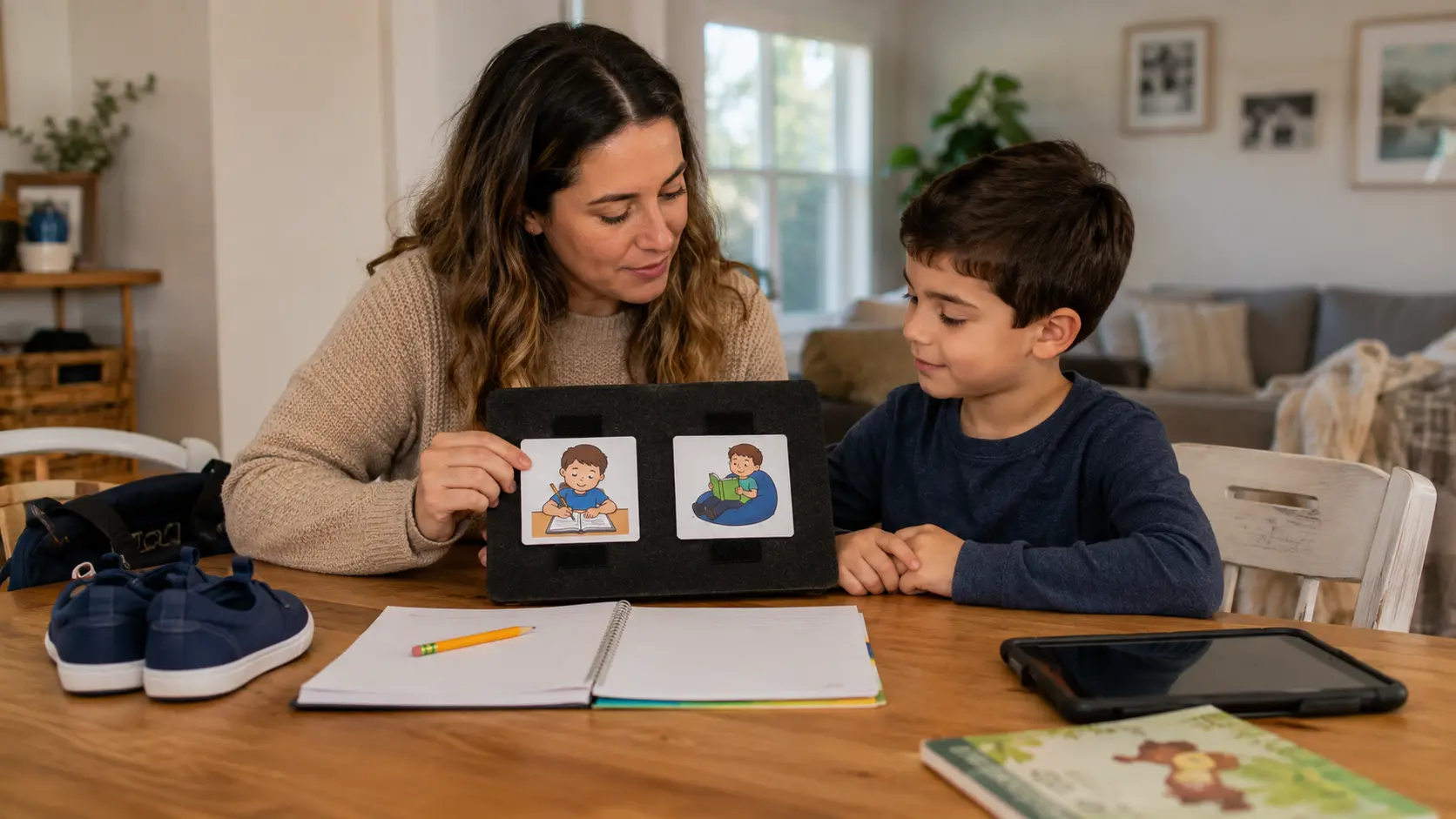
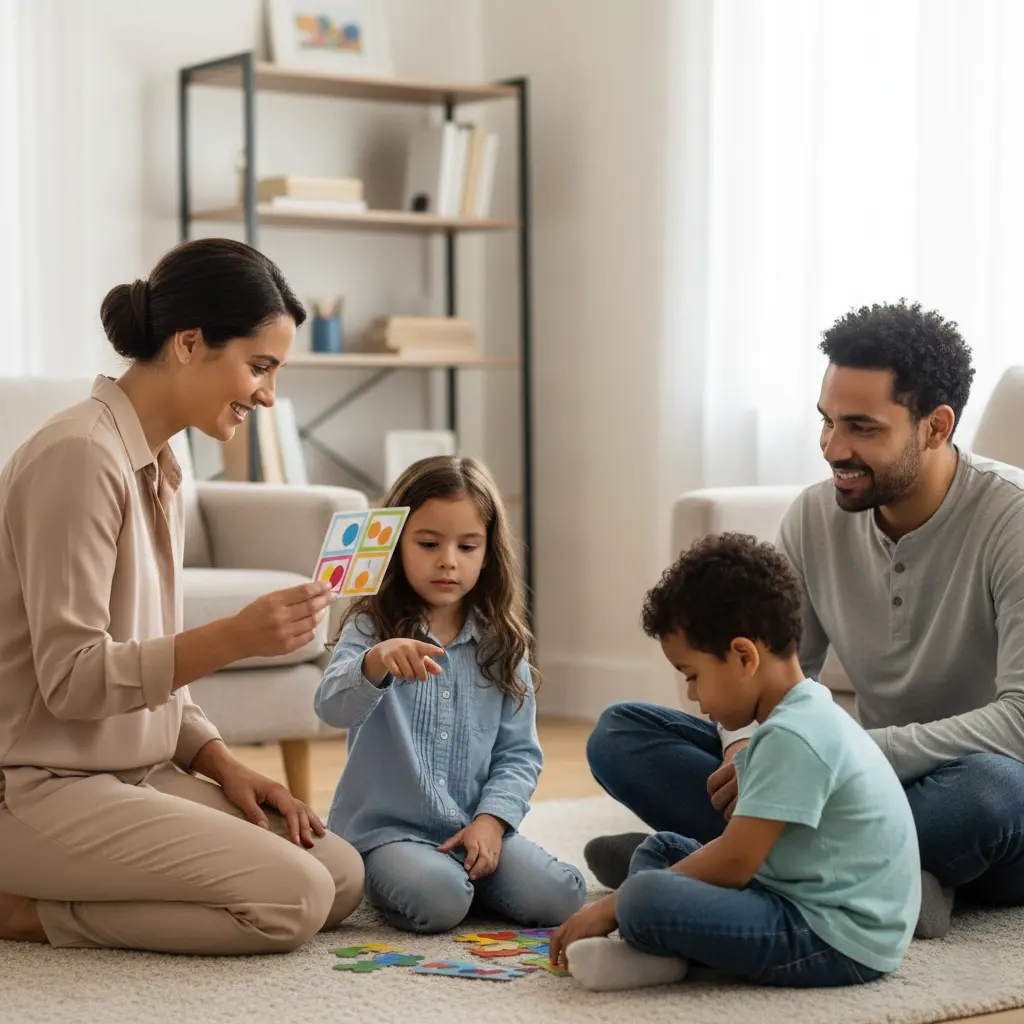
- In-home: Parents are naturally part of the picture. You observe sessions as they happen. You see the strategies being used. You get real-time coaching and can practice techniques with support. This level of involvement builds your confidence and helps you carry over what's working between sessions and after therapy eventually ends.
- Center-based: Parent involvement is typically more structured—progress meetings, periodic parent training sessions, observation windows. Some programs do this really well; others keep parents more at a distance. Unless you specifically seek out a center with strong parent involvement built into their model, you may feel less connected to the day-to-day of your child's therapy.
Convenience and Logistics
- In-home: The convenience factor is hard to beat. No travel time. No rushing to get out the door. No navigating a reluctant child into the car multiple times a week. Sessions can often be scheduled around naps, school, and your work demands. For families in areas without nearby clinics—which describes a lot of North Carolina, New Mexico, and Iowa—in-home services may be the only realistic option.
- Center-based: There's a commute involved, which adds time and stress to your day. On the flip side, some families appreciate the clear schedule and the boundary it creates. You know where you're going, when therapy starts and ends, and there's a team handling everything while you're there.
Questions to Ask When Choosing an ABA Setting
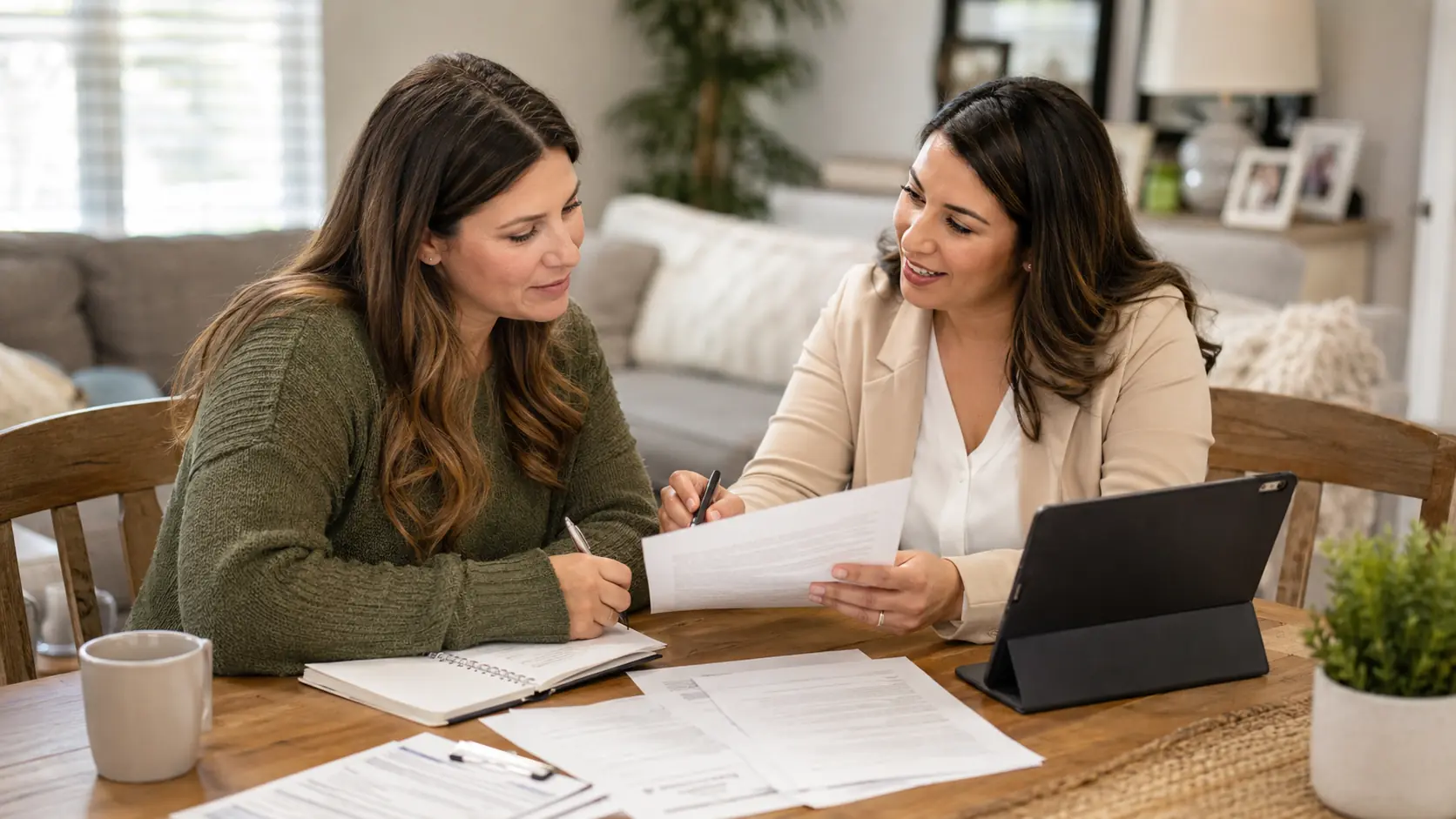
Figuring out the right setting isn't about finding some objective "best" answer. It's about finding the best match for your specific child and your specific family. These questions can help you think it through.
Questions About Your Child
- Does my child get easily overwhelmed in busy or new environments? If transitions and unfamiliar settings are major stressors, the comfort of home might allow for better engagement and faster progress.
- Where are our biggest challenges showing up? If struggles are concentrated around home routines—mornings, meals, bedtime, cooperation with daily tasks—working on those skills in context makes intuitive sense. If the biggest concerns involve peer interactions, group settings, or school readiness, a center might offer more relevant practice opportunities.
- How does my child handle social situations with other kids? If peer interaction is a major goal and your child has some tolerance for group settings, the social environment of a center could be valuable. If social situations tend to be overwhelming right now, building foundational skills at home first might be a better starting point.
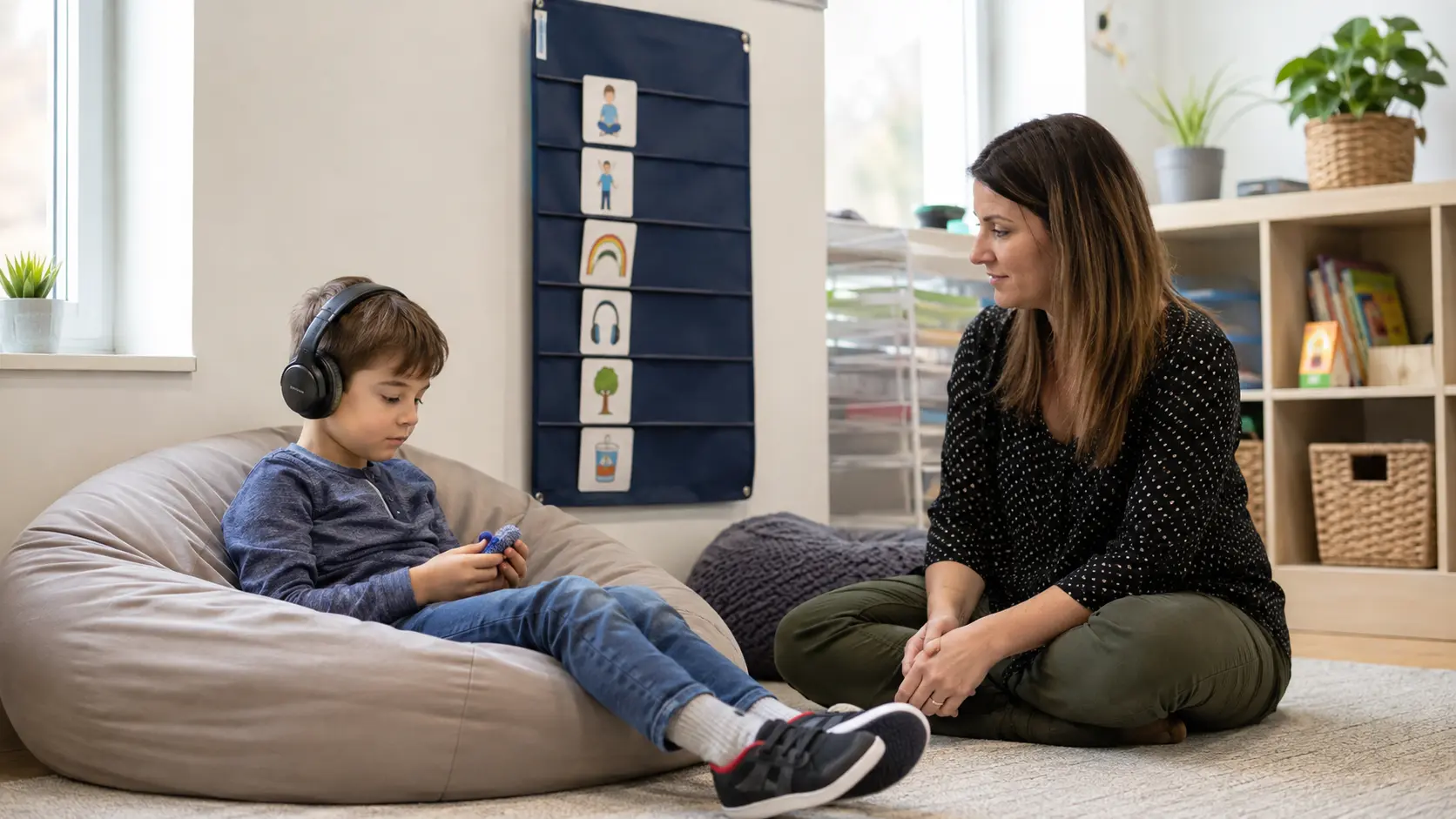
- What sensory needs does my child have? Some kids do better in controlled, predictable environments. Others feel more regulated when they're in familiar spaces with their own sensory supports already in place.
Questions About the Provider
- What settings do you offer? Not every provider offers both options. Understanding what's available helps you narrow the field.
- How do you support generalization of skills to other settings? This is especially important for center-based programs. What's the plan for making sure skills transfer to home, school, and community?
- How often are parents trained and included? Look for specific answers here, not vague assurances. How often will you observe? How does parent coaching work? What happens if you have questions between sessions?
- What social skills opportunities are available? If peer interaction matters to you, find out what's actually offered—and whether it's a core part of programming or more of an afterthought.
- Can services be provided in multiple settings? Some providers offer both home and school/daycare support, which can address different needs throughout your child's day.
How AtlasCare ABA Approaches the "Setting" Question
We want to be upfront with you: AtlasCare ABA doesn't run a clinic. We specialize in in-home ABA therapy, school and daycare support, and parent training. That's a deliberate choice based on what we believe works best for the families we serve.
Here's what that looks like in practice:
- In-Home ABA Therapy. Our therapists work with your child during real daily routines, in your actual home environment. We're not recreating artificial scenarios—we're addressing the moments that matter most to your family, right where they happen.
- School and Daycare Support. Your child doesn't just need skills at home. We provide support in school and daycare settings to help your child participate alongside peers in natural group environments. This gives us a way to address social skills and classroom behavior without requiring a separate clinic facility.
- Parent Training. We believe you're the most important person in your child's life, and we build our services around keeping you involved and confident. Parent coaching isn't an add-on—it's central to how we work.
Our focus on in-home and school-based services means we're particularly strong in areas that clinic-based programs sometimes struggle with: generalization of skills into real life, deep parent involvement, and convenient therapy options for families across North Carolina, New Mexico, and Iowa—including areas where center-based services simply aren't available.
Does that mean we think clinics are bad? Not at all. We've laid out the genuine benefits of center-based programs in this article because we believe families deserve honest information. If your child's needs point clearly toward intensive peer interaction and group programming, a center might be the right choice, and we'd rather you find the right fit than push you toward something that isn't a match.
But if you're drawn to therapy that meets your child where they are—literally—we'd love to talk about how in-home ABA could work for your family.
Final Thoughts: There's No "One Right Answer"
Here's the truth that doesn't make for catchy marketing: both in-home and center-based ABA can produce meaningful progress when the program is high-quality and individualized for your child.
The "right" setting depends on factors that only you can weigh:
- Your child's sensory needs and tolerance for new environments
- Where your biggest challenges are showing up
- How important intensive peer interaction is right now
- What level of parent involvement works for your family
- The practical realities of your schedule, location, and other children
Some families start with one setting and switch to another as their child's needs evolve. Some combine settings—home-based therapy plus a community social skills group, for example. There's no single path that works for everyone.
What matters is making an informed decision—not one based on pressure from a provider, but one based on a clear understanding of what each option offers and how it fits your child's unique profile.
If you're still sorting through the options, talk to your pediatrician, your child's school team, or a BCBA who can help you think through what might work best. And if in-home ABA sounds like it could be the right direction, we're here to answer questions and explore whether AtlasCare might be a good fit.
Not sure whether in-home or clinic-based ABA is the best fit for your child?
AtlasCare ABA specializes in in-home therapy, school and daycare support, and parent training across North Carolina, New Mexico, and Iowa. We'd love to help you think through your options and see how our approach could support your child's unique journey.
Contact us today to start the conversation.



.webp)
.webp)
.webp)
.webp)
.webp)



.jpg)
.webp)

.webp)
.webp)


%20During%20Play%20in%20the%20Home.webp)