
ABA therapy. The pediatrician just mentioned it. A mom at the playground swears by it. Your child's IEP team keeps circling back to it. Suddenly this three-letter acronym follows you everywhere, and you're wondering what the fuss is about.
Starting any therapy feels like a big deal. Because it is. You're juggling evaluations, specialist appointments, and unsolicited advice from well-meaning relatives. Everyone has an opinion. Nobody hands you a road map.
So what draws thousands of families to ABA each year? What pushes parents from "maybe someday" to "let's do this"?
Three reasons come up again and again. Understanding them might help you figure out whether ABA belongs in your family's picture too.
What Is ABA Therapy and When Do Parents Consider It?
ABA stands for Applied Behavior Analysis. It's an evidence-based approach that focuses on teaching kids new skills and reducing behaviors that interfere with daily life. Most families hear about ABA in the context of autism, though the principles can apply more broadly
ABA works on things like communication, social interaction, daily routines, and selfregulation. The therapy is built around understanding what works for each individual child— what motivates them, what they're ready to learn, and what will genuinely improve their day to-day experience.
Many parents first hear about ABA from their pediatrician, especially when there are early developmental concerns. Others learn about it through school evaluations, early intervention programs, or conversations with other parents who've been down this road. It often comes up as part of a broader discussion about autism therapy options and early intervention.
The three reasons we're about to walk through aren't about pressure or urgency. They're simply what drives families to explore whether ABA might help their child and their family function a little better.
Reason #1 – Parents Want Help With Challenging or Disruptive Behaviors
When Everyday Life Feels Overwhelming
Let's be honest. Some days are really hard.
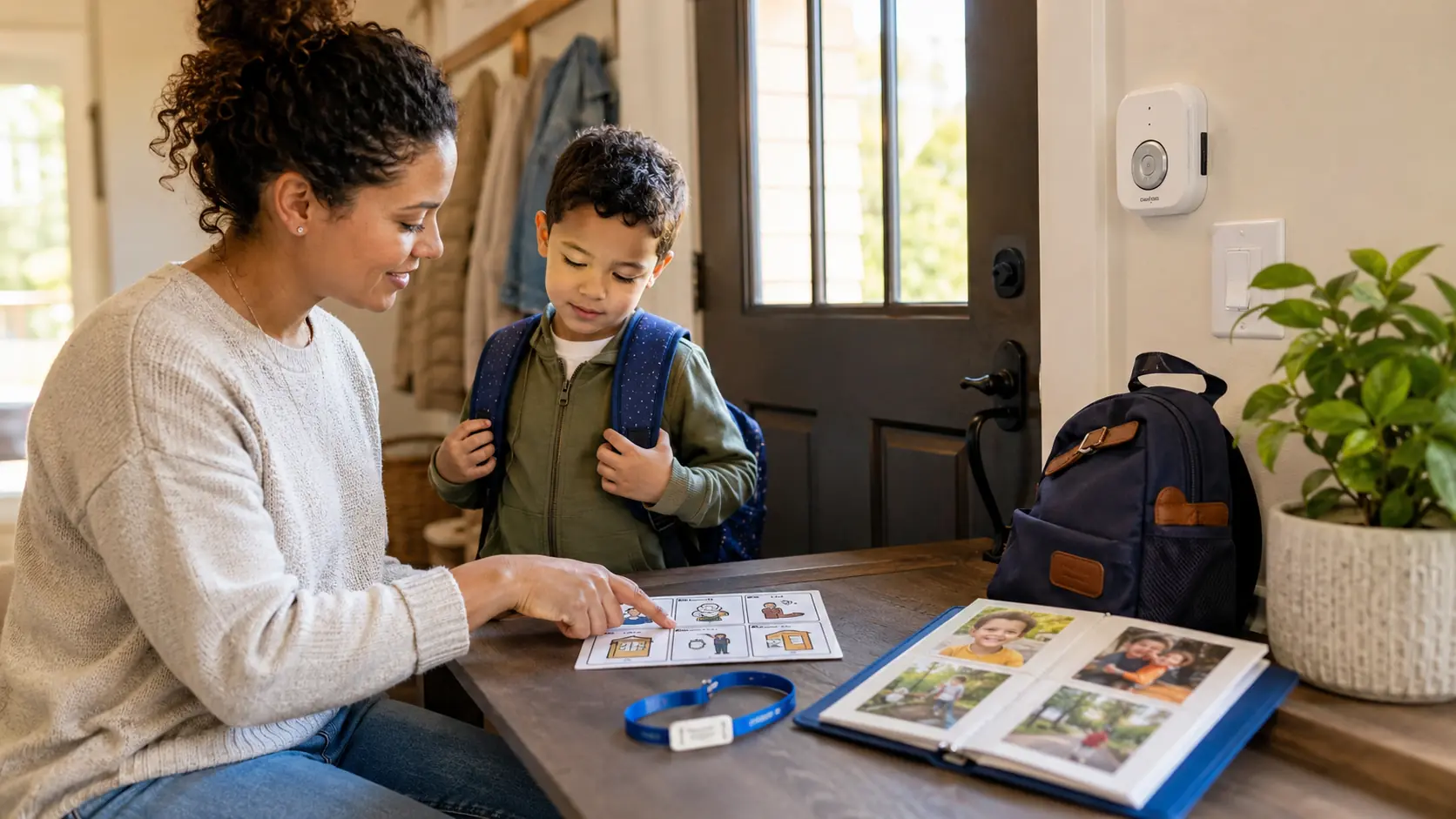
Maybe your child has intense tantrums that last for hours. Maybe they hit when they're frustrated, or bite, or bang their head against walls. Maybe they bolt out the front door the second it's unlocked, and you can't turn your back for even a second. Maybe public outings feel impossible because you never know what will trigger a meltdown—leaving the store, a loud noise, someone saying "no."
These behaviors are exhausting. Not just physically, but emotionally. You worry constantly. You feel judged by strangers who don't understand. You might even feel guilty, wondering if you're doing something wrong.
Here's what you need to hear: these behaviors aren't your fault, and they're not a sign of "bad parenting." They're communication. Your child is trying to tell you something—that they're overwhelmed, that they need something, that they don't have another way to express what's happening inside.
But that doesn't make it easier to live with. And it certainly doesn't keep your child safe.
This is where a lot of families start looking into ABA therapy. They need help understanding why these behaviors happen and what to do about them.
How ABA Addresses Challenging Behavior
ABA doesn't start with trying to stop behaviors. It starts with understanding them.
Therapists conduct what's called a functional behavior assessment (FBA). Basically, they're figuring out the "why." Is your child hitting because they want your attention? Because they're trying to escape a difficult task? Because they need sensory input? Because they don't know how to ask for what they need?
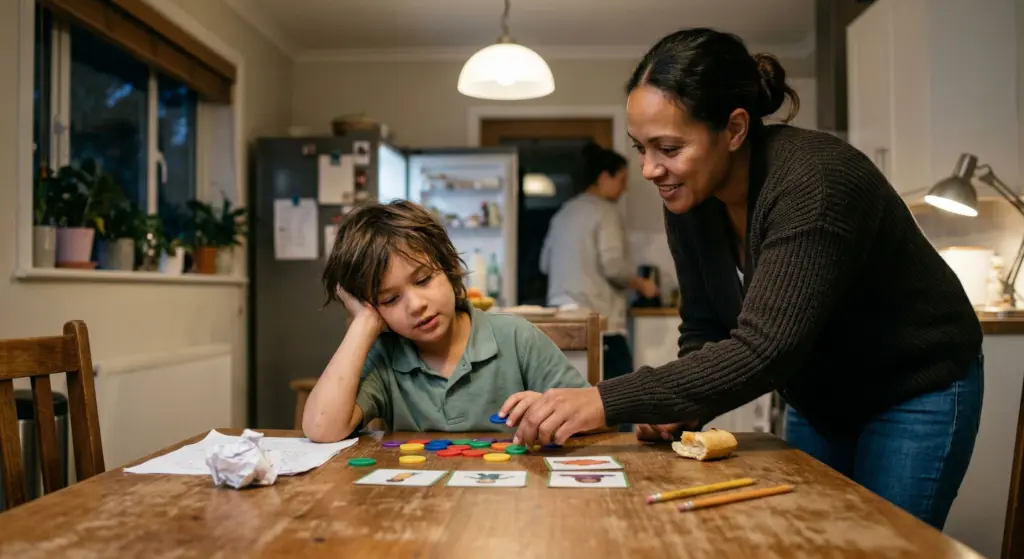
Once you understand the function—the reason behind the behavior—you can teach a replacement. If your child hits to get attention, ABA teaches them to tap your arm or say "Mom, look." If they scream to escape a hard task, they learn to ask for a break or request help.
The approach focuses heavily on positive reinforcement—catching your child using the new, appropriate behavior and making sure good things happen when they do. Research consistently shows that this combination—understanding the why and teaching alternatives— can reduce problem behaviors while increasing skills that actually work better for the child.
What This Looks Like for Families
Imagine your child used to hit when they couldn't get a toy to work. Through ABA, they learn to bring you the toy or point to it and say "help." Hitting decreases because they've got a better tool.
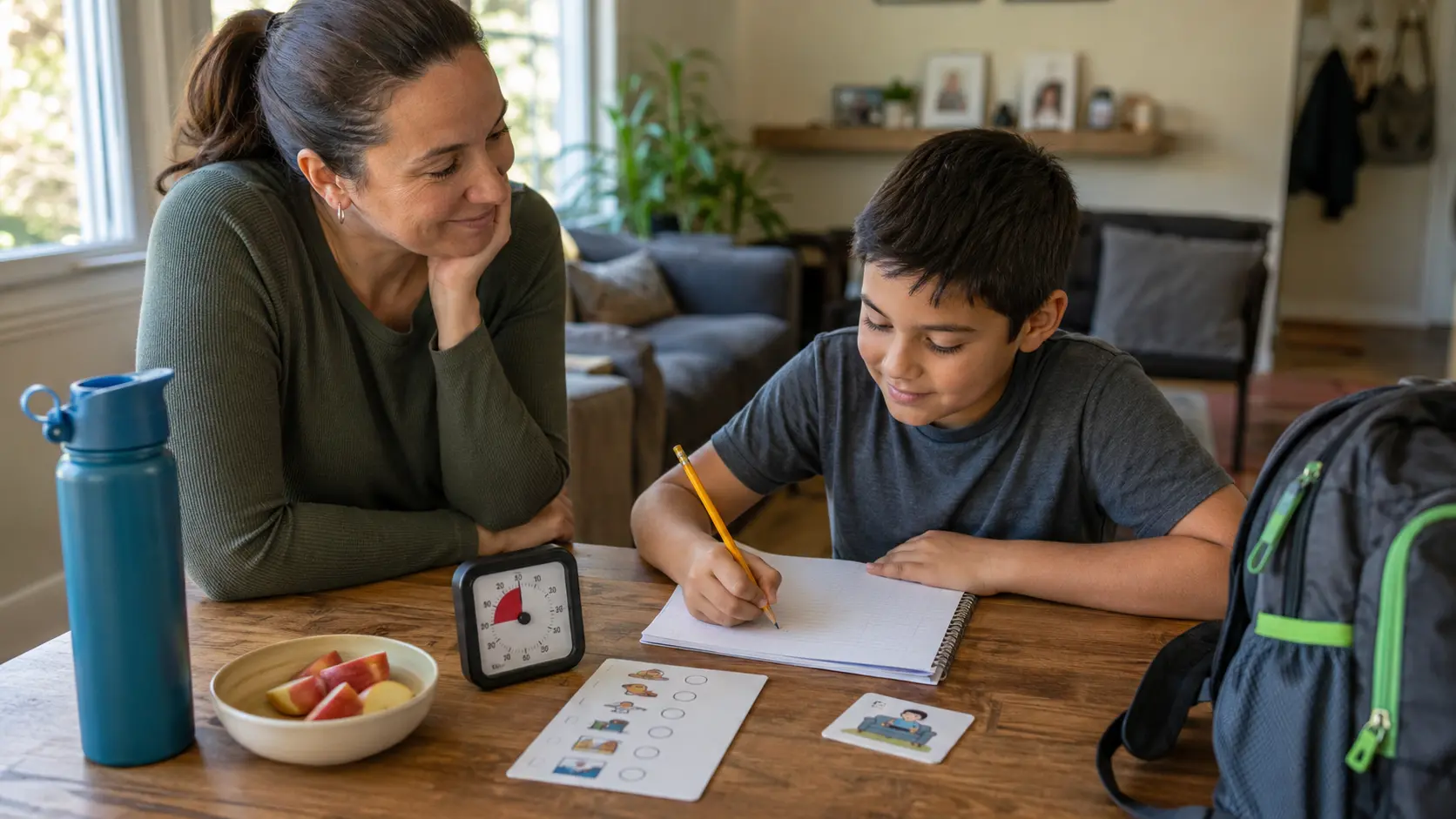
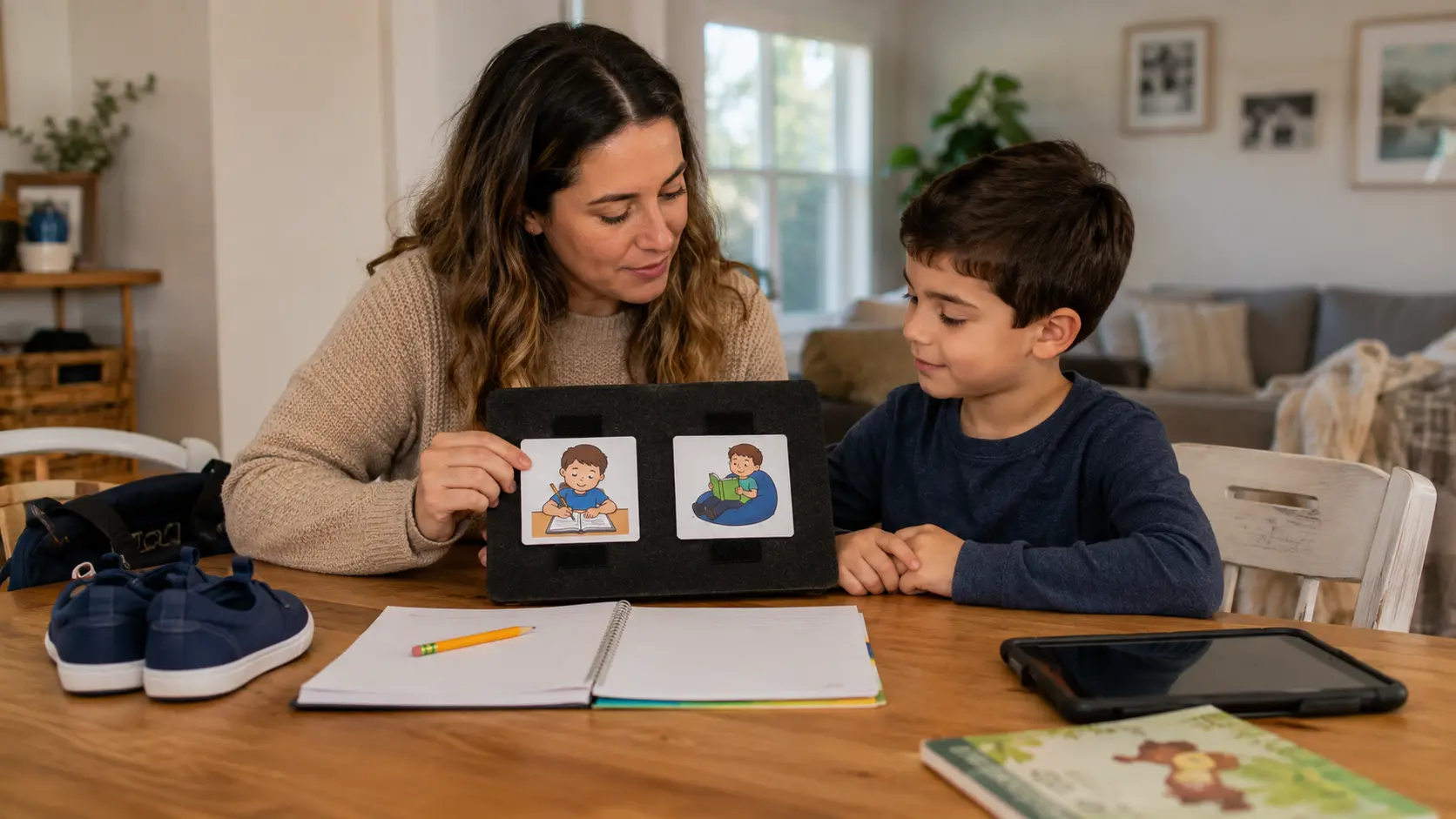
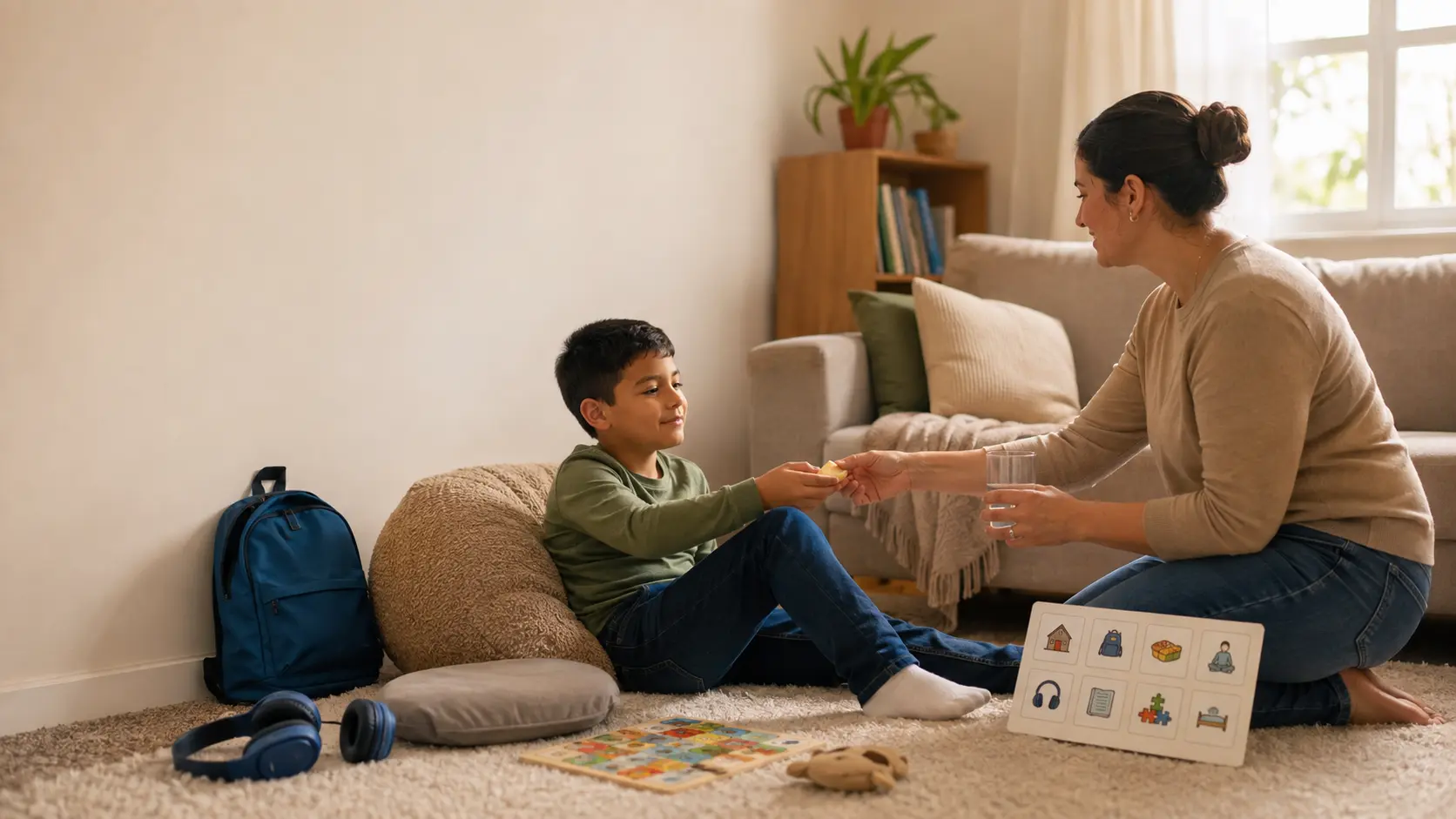
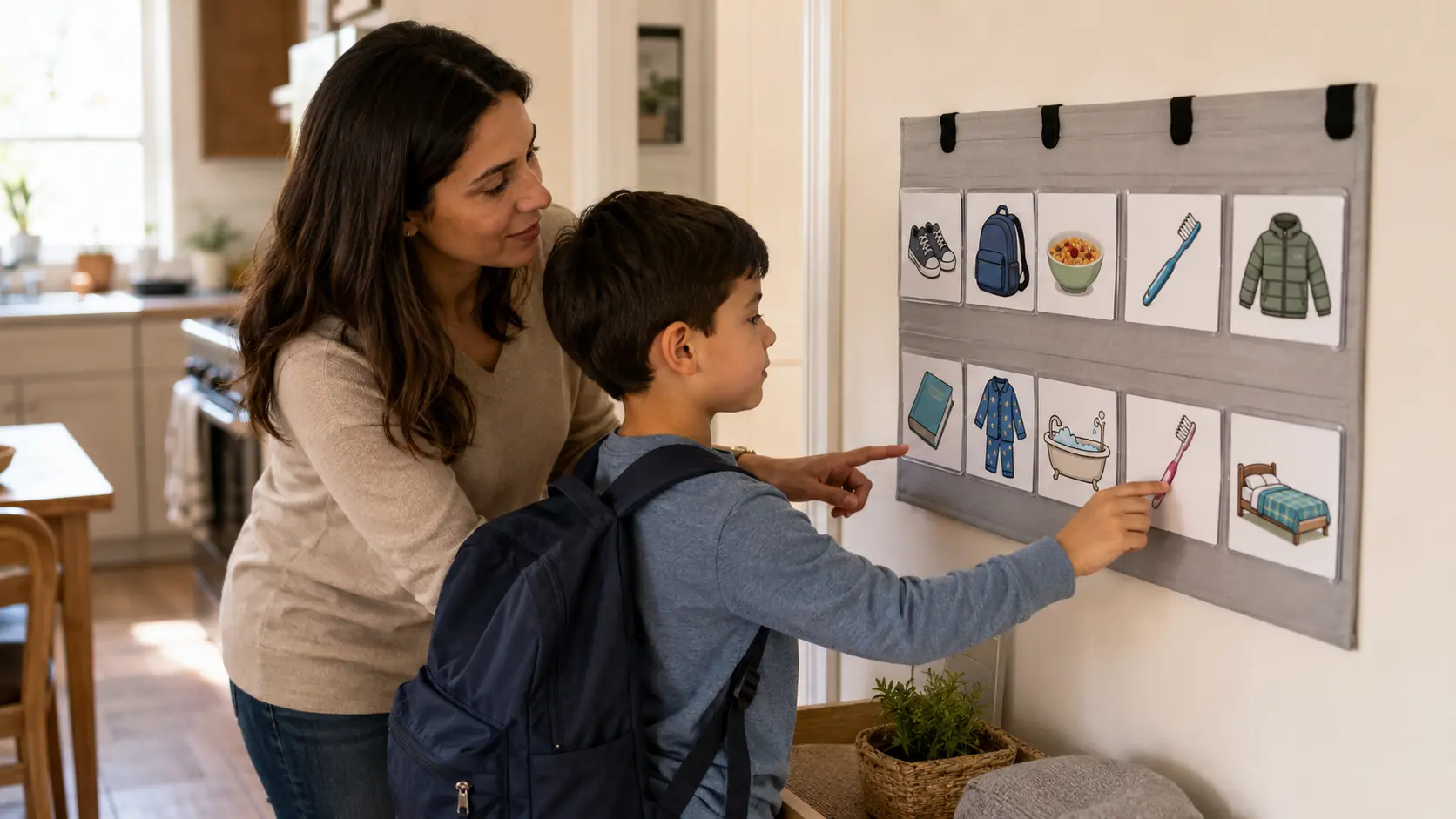
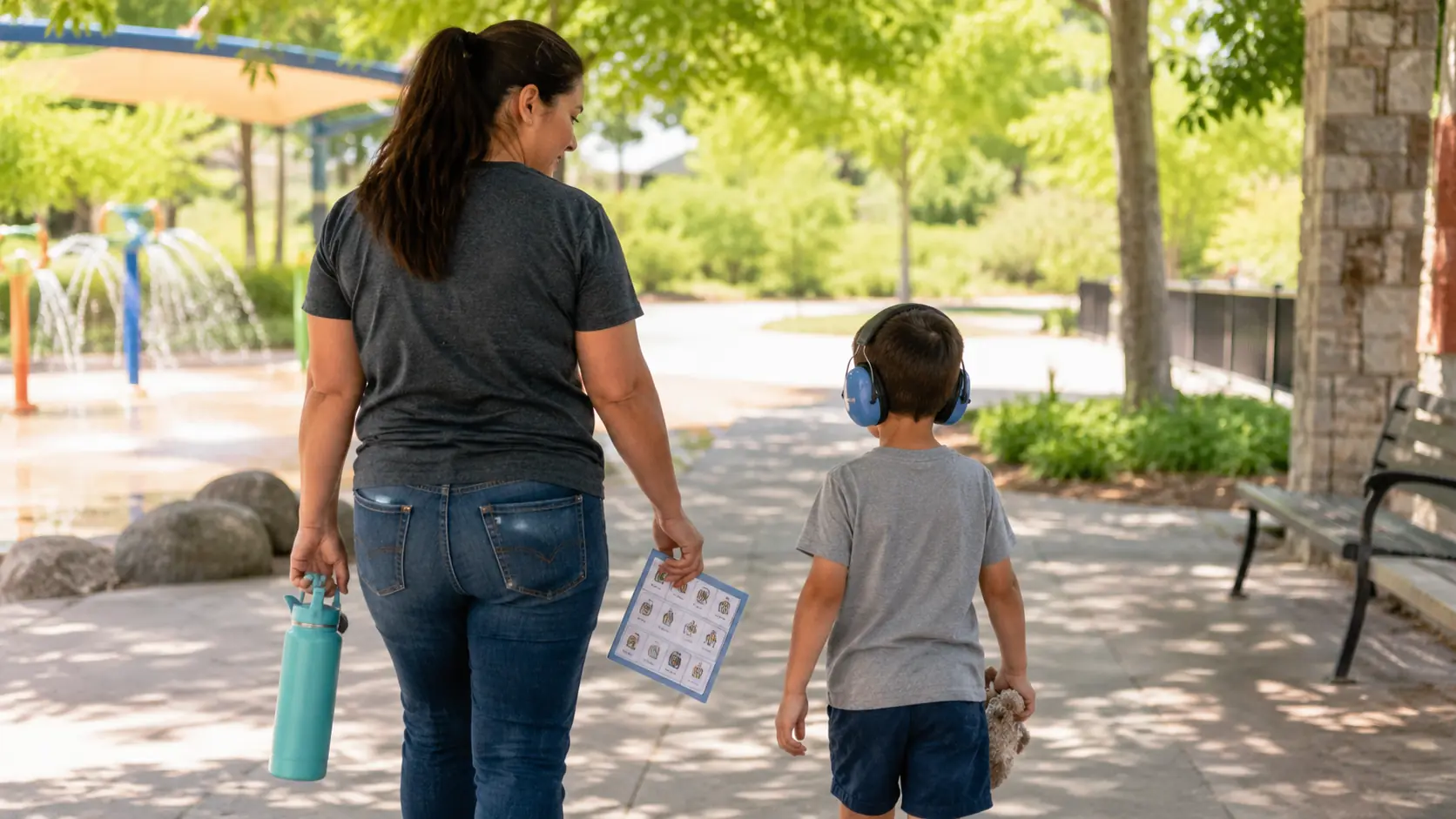
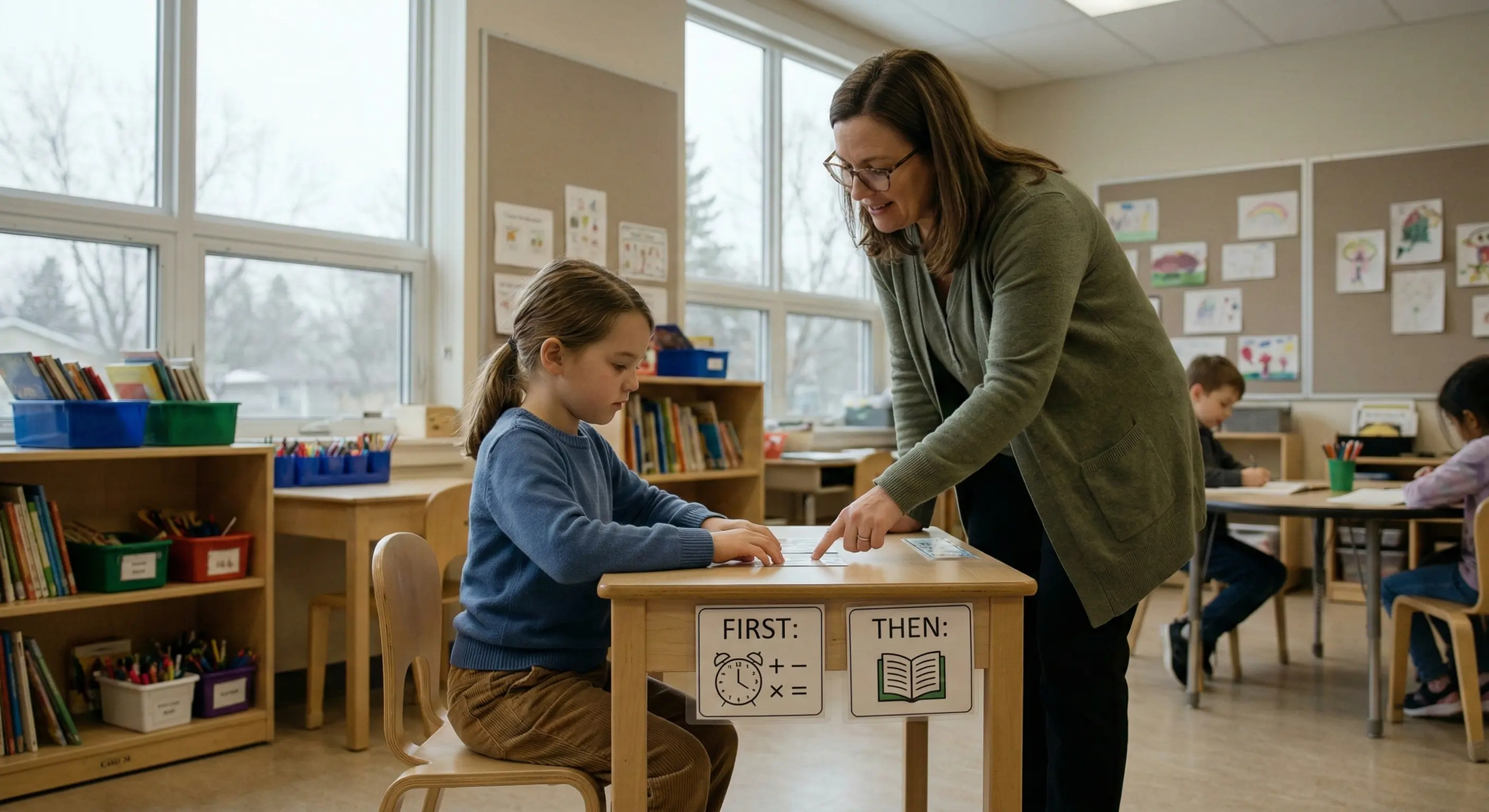
Or picture morning transitions—getting out of bed, getting dressed, eating breakfast. Maybe these used to involve screaming and refusal every single day. With a visual schedule and consistent reinforcement for following each step, mornings become more predictable. Not perfect, but manageable.
These changes don't happen overnight, and they require consistency. But for families living in survival mode because of dangerous or disruptive behaviors, even small improvements make a massive difference.
Reason #2 – Parents Want Their Child to Communicate and Connect
Communication Challenges Drive Many Parents to Seek ABA
One of the most painful parts of parenting a child with autism is watching them struggle to tell you what they need.
They're crying, but you don't know if they're hungry, hurt, tired, or overwhelmed. They want something desperately, but they can't point to it or ask for it. They're frustrated, and that frustration turns into behavior—because behavior is communication when words aren't there.
Many parents come to ABA hoping for progress in communication. They want their child to be able to ask for water, to say "no," to request a break, to tell them when something hurts. Even small steps forward in communication can transform a child's entire experience.
Research has shown that ABA-based programs can significantly improve language, social communication, and interpersonal skills in children with autism. That doesn't mean every child will become fully verbal—some won't. But it does mean most kids can develop better ways to express themselves, whether through words, signs, gestures, or communication devices.
Building Social and Play Skills Through ABA
Communication isn't just about requesting things. It's also about connecting with other people.
Some families seek ABA because their child doesn't respond when someone calls their name. Or they play alone constantly, never inviting another child into their world. Or they want to interact but don't know how—they might grab toys from other kids or stand too close or talk only about their specific interest.
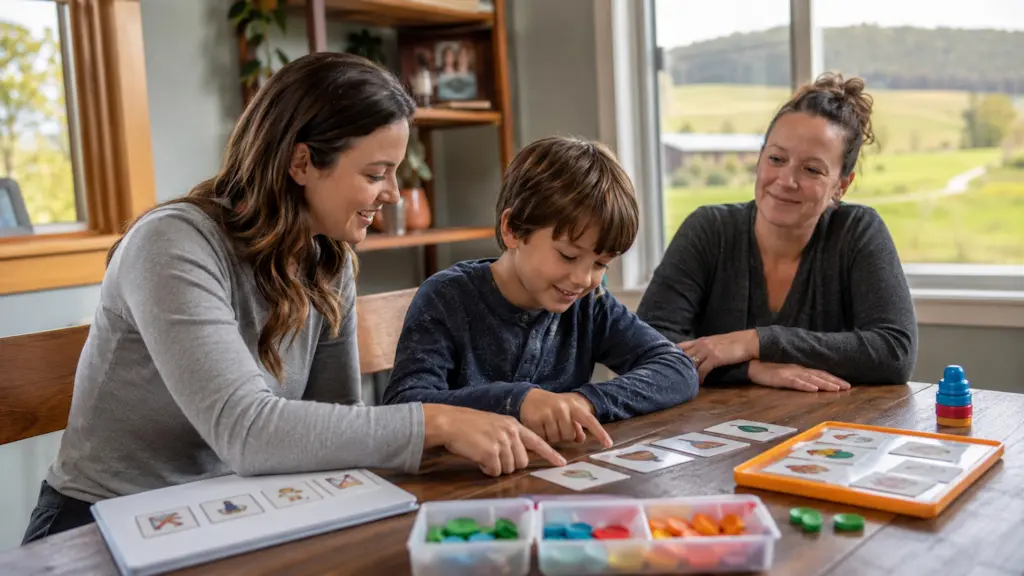
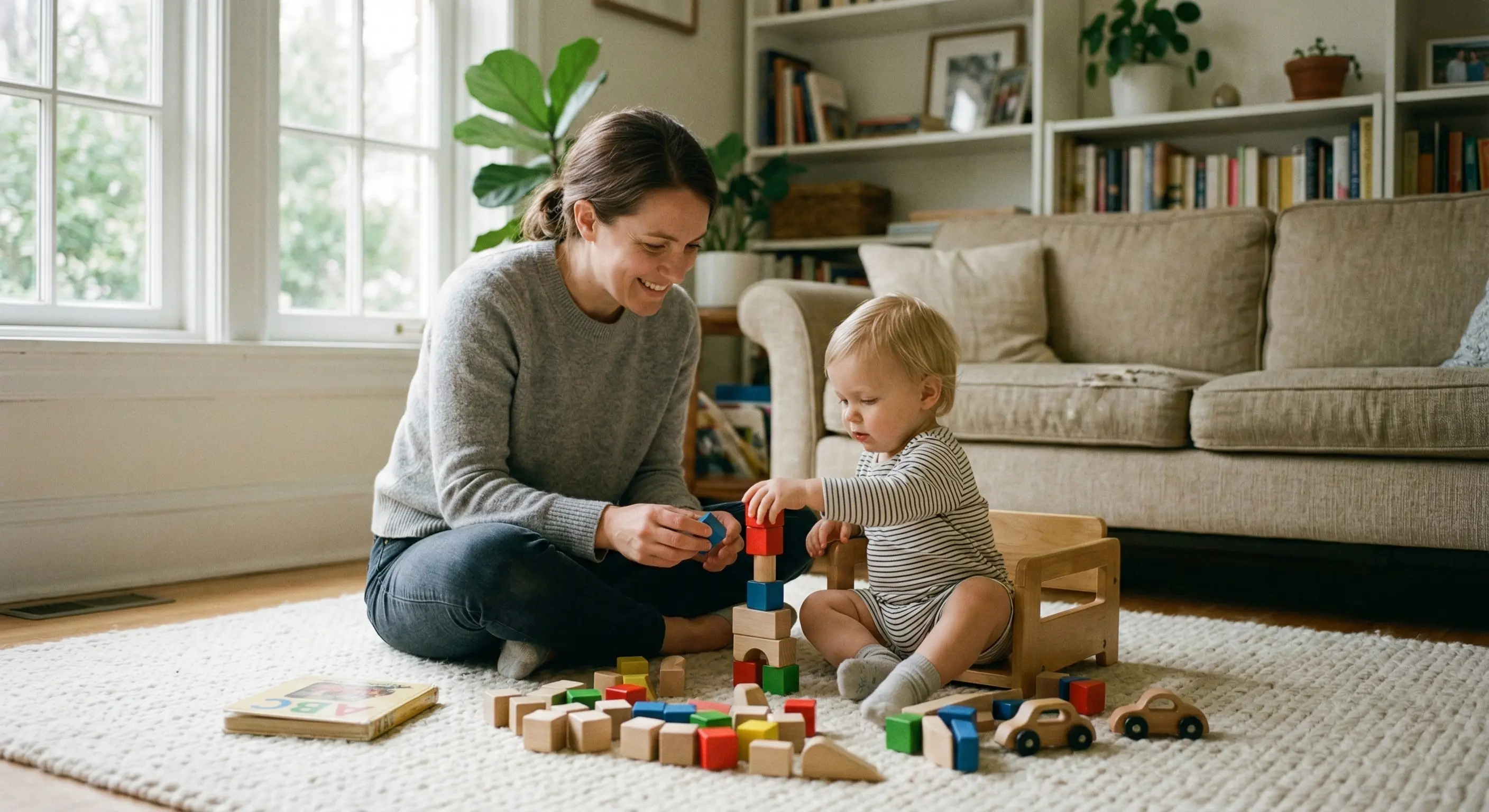
ABA can work on these social moments. Turn-taking during games. Looking when someone says your name. Sharing something interesting with another person. Playing cooperatively instead of just side-by-side.
This isn't about forcing kids to be social butterflies. It's about giving them the skills to participate when they want to—at school, in family gatherings, with neighbors. Social skills give kids access to more of the world.
How Progress Shows Up in Daily Life
You might notice your child starting to use single words or short phrases where they used to just cry or pull you toward what they wanted. "Drink." "Help." "All done."
Or maybe they start signing. Or they become more consistent with their AAC device, pressing buttons to tell you what they need instead of melting down.
You might see them invite a sibling to play. Or take turns during a game without prompting. Or wave goodbye when someone leaves.
These sound like small things. They're not. They're the building blocks of connection, and they open up so much for your child.
Reason #3 – Parents Want to Use Early Intervention to Build Long-Term Independence
Why Start ABA Early?
There's this window. Pediatricians talk about it, early intervention specialists talk about it, other parents talk about it. The early years—especially before age five—are when kids' brains are incredibly flexible and primed for learning.
That's a big reason families pursue ABA. They want to take advantage of that window.
Research consistently shows that early ABA-based intervention can improve functioning across multiple areas: communication, social skills, learning readiness, and daily living skills. Starting early doesn't guarantee specific outcomes, but it does give kids more opportunities to build skills that will serve them throughout their lives.
Parents aren't just thinking about today. They're thinking about kindergarten, middle school, adulthood. They're thinking about independence.
Building Skills for School and Everyday Life
ABA can help kids learn things that make school and daily life more accessible.
Following simple routines—lining up, sitting in circle time, transitioning between activities. Understanding and following directions. Completing tasks step-by-step. Asking for help when they need it.
Beyond school, ABA works on self-care skills. Getting dressed independently. Brushing teeth. Using the bathroom. Washing hands. Eating a variety of foods.
These might not sound exciting, but they're huge for independence. Every skill your child masters is one less thing they'll need help with as they grow.
The goal isn't to pile on skills for the sake of checking boxes. It's to build the foundation for your child to navigate the world with more confidence and autonomy.
ABA as Part of an Overall Support Plan
Here's something important: ABA usually isn't the only thing families do.
Most kids also have speech therapy, occupational therapy, school-based services, or medical support. ABA is one piece of a larger puzzle.
Parents choose ABA because it's structured and measurable. There are clear goals, regular data collection, and ongoing adjustments based on what's working. It fits alongside other therapies, and when coordinated well, all these services can support each other.
ABA isn't the only autism therapy option, and it's not the right fit for every family. But for many, it provides a framework that helps their child build skills they'll use for the rest of their lives.
What to Consider When Seeking ABA Services for Your Child
Quality and Ethics Matter
Not all ABA programs are created equal. If you're going to invest time, energy, and hope into this, you want to make sure it's done right.
Look for programs supervised by Board Certified Behavior Analysts (BCBAs). These are professionals who've met rigorous training and certification standards.
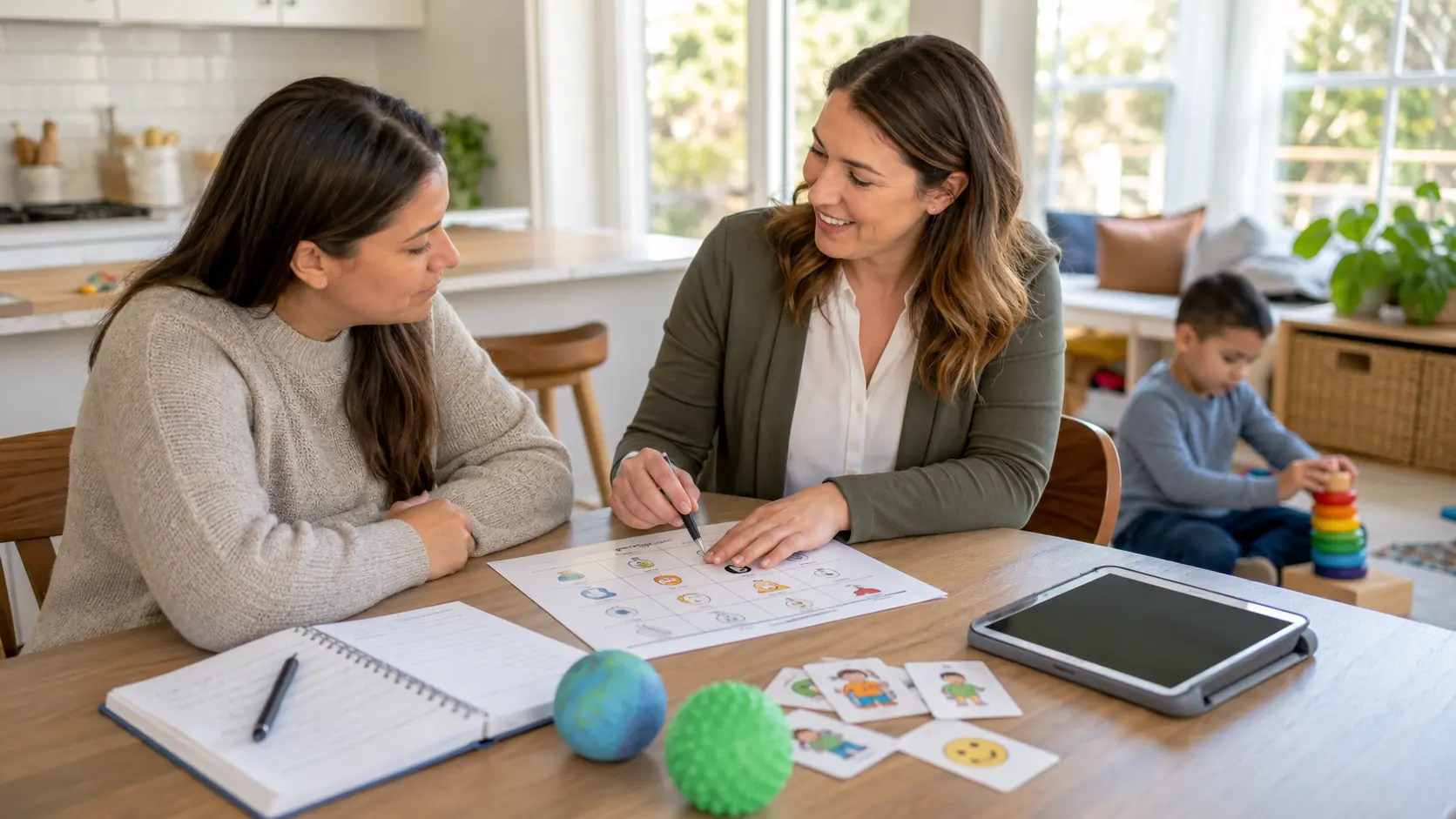
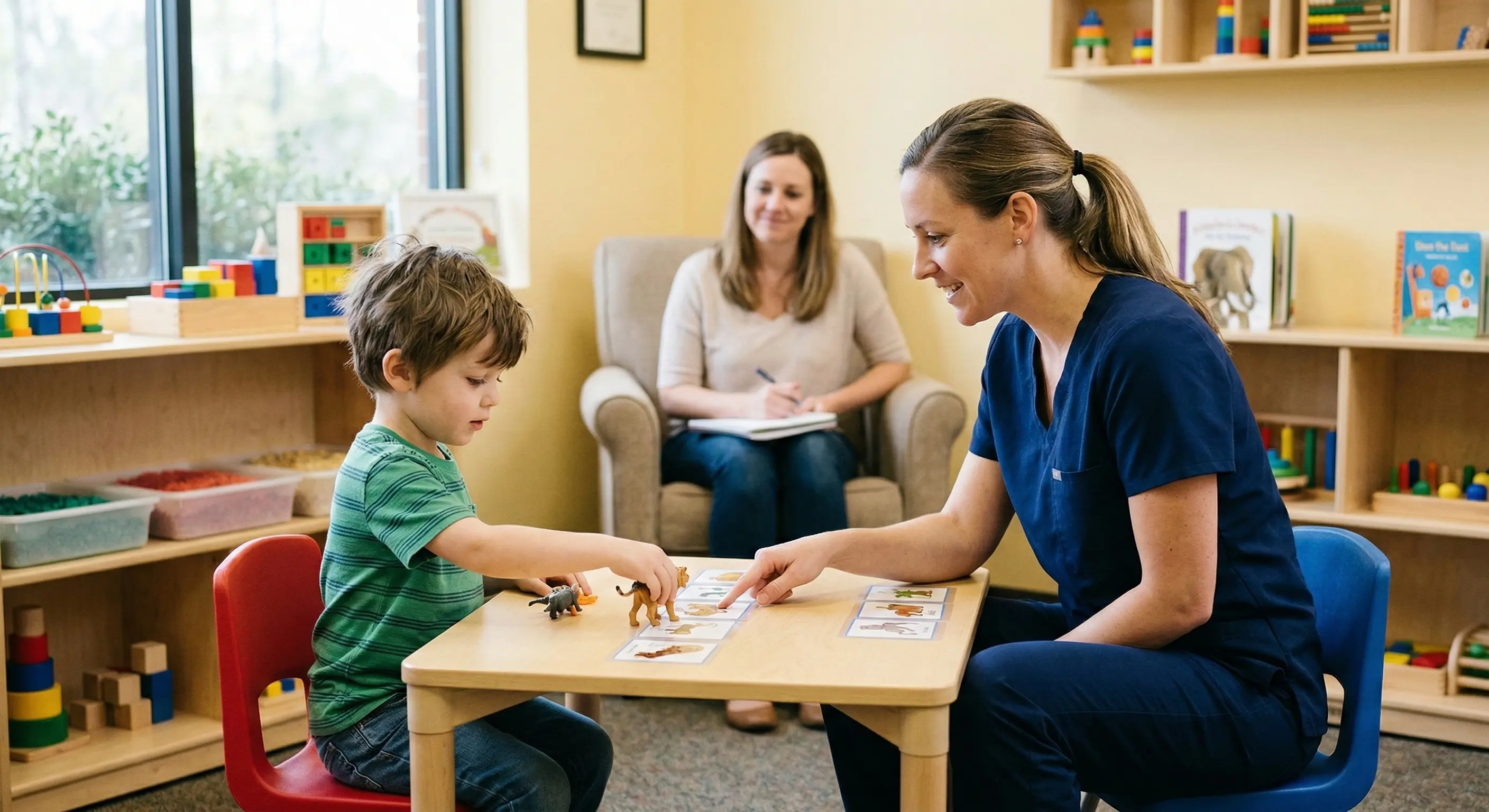
Make sure the goals are individualized—built around your child's strengths and your family's priorities, not some generic curriculum. Ask how they'll involve you as a parent and what training they'll provide.
Pay attention to how they talk about your child. Is there respect and warmth? Are they focused on building skills, or just reducing behaviors? Do they emphasize positive reinforcement, or do they use punishment-based methods?
There have been valid critiques of ABA over the years, particularly around older practices that were rigid or punitive. Ethical, modern ABA emphasizes respect, autonomy, collaboration with families, and socially meaningful goals. If a provider can't speak clearly about how they approach these values, keep looking.
Questions Parents Can Ask ABA Providers
Before committing, ask:
- What are your goals for my child, and how will you measure progress?
- How will I be involved and trained as a parent?
- How do you make sure therapy is respectful, safe, and actually enjoyable for my child?
- What does a typical session look like?
- How do you handle challenging behaviors without using punishment?
- How often will you review data and adjust the program?
These aren't adversarial questions. Any good provider should welcome them. You're not being difficult—you're being a good parent.
How AtlasCare ABA Supports Families Considering ABA Therapy
At AtlasCare ABA, we get that this decision isn't simple. You're weighing a lot—what your child needs, what your family can handle, what feels right for your values.
We provide in-home ABA services, so therapy happens in your actual environment during your actual routines. We also offer school and daycare support when that's where your child needs help. And parent training is built into everything we do, because you're with your child way more than we are.
We see ourselves as a steady guide on your journey—not someone handing you a map and walking away, but someone walking alongside you, helping you navigate as things change.
We serve families across North Carolina, New Mexico, and Iowa, and we help with the insurance and Medicaid process so that financial stress doesn't become another barrier.
If you're still figuring out whether ABA makes sense for your child, that's okay. Take your time. Ask questions. Trust your instincts.









.webp)


.webp)

.webp)
.webp)
.webp)







.jpg)
.webp)

.webp)
.webp)








%20During%20Play%20in%20the%20Home.webp)