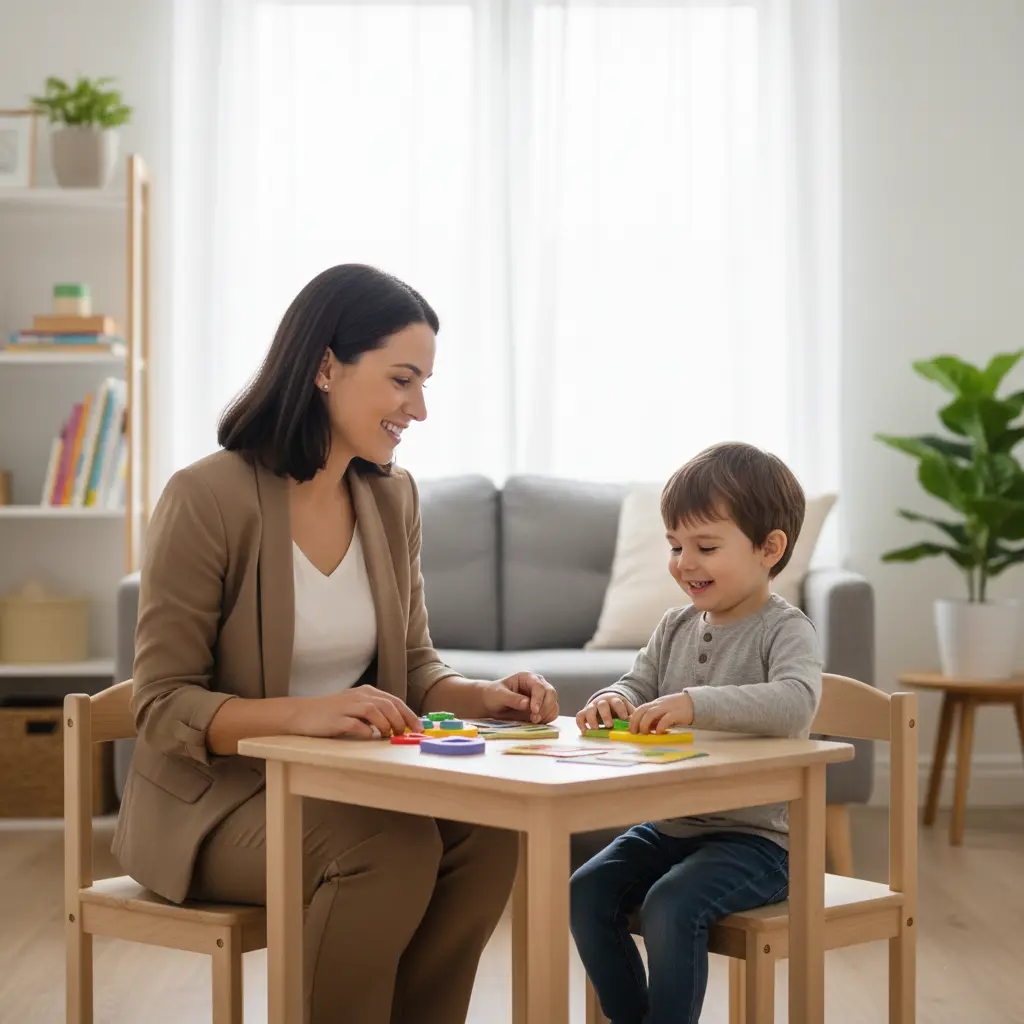
When your child hits you in the grocery store checkout line, or bites their sibling during a perfectly normal Tuesday afternoon, the shame can feel crushing. You see the stares. You wonder if you're doing everything wrong. And honestly? You're just trying to make it through the day without anyone getting hurt.
Here's what nobody tells you at first: aggression in kids with autism is common. Really common. It doesn't mean you're failing as a parent, and it doesn't mean your child is destined to struggle forever. It usually means they're trying to tell you something in the only way they know how right now.
The encouraging part? There are real, practical ways to help. ABA therapy has helped countless families move from constant crisis mode to actually enjoying time with their kids again. This isn't about making your child "behave" or fit some mold. It's about giving them better tools to communicate what they need.
Let's talk about what actually works.
Important Safety Note Before We Talk About Aggression
Real talk for a second: if your child is doing things that could seriously hurt them or someone else—we're talking dangerous aggression here—call your doctor or therapist today. If it's an emergency, call 911. There's zero shame in that. Sometimes you need immediate help, and that's completely okay.
This article shares general information about behavioral strategies. It's not medical advice. Your child is unique, and what works for them needs to come from professionals who actually know your situation.
Alright, now let's dig in.
Understanding Aggression in Children with Autism
What Aggression Can Look Like
When we say "aggression," we mean specific actions like:
- Hitting, slapping, or punching
- Kicking
- Biting or pinching
- Throwing things at people
- Breaking stuff on purpose
- Scratching or pulling hair
- Sometimes hurting themselves—head-banging, biting their own arms
These behaviors are scary. They hurt. And they can make you feel like you're walking on eggshells in your own home.
But here's the thing: this is behavior, not personality. Your child isn't mean. They're not manipulating you. They're stuck, and this is their emergency exit.
Common Triggers and Underlying Reasons
Most aggressive behavior happens because something's going wrong and your child can't tell you about it. Imagine not being able to say "I'm overwhelmed" or "That hurts" or "I don't understand what you want from me." Eventually, you'd probably explode too.
Here's what usually sets kids off:
- They can't find the words. Maybe they're hungry but can't say it. Maybe a tag is scratching their neck. Maybe they're terrified but don't have the language to explain. When communication breaks down, aggression fills the gap.
- Their senses are screaming. The fluorescent lights at Target might feel like knives. The birthday party music might sound like a fire alarm. A light touch might register as painful. When their nervous system hits overload, they'll do anything to make it stop—including lashing out.
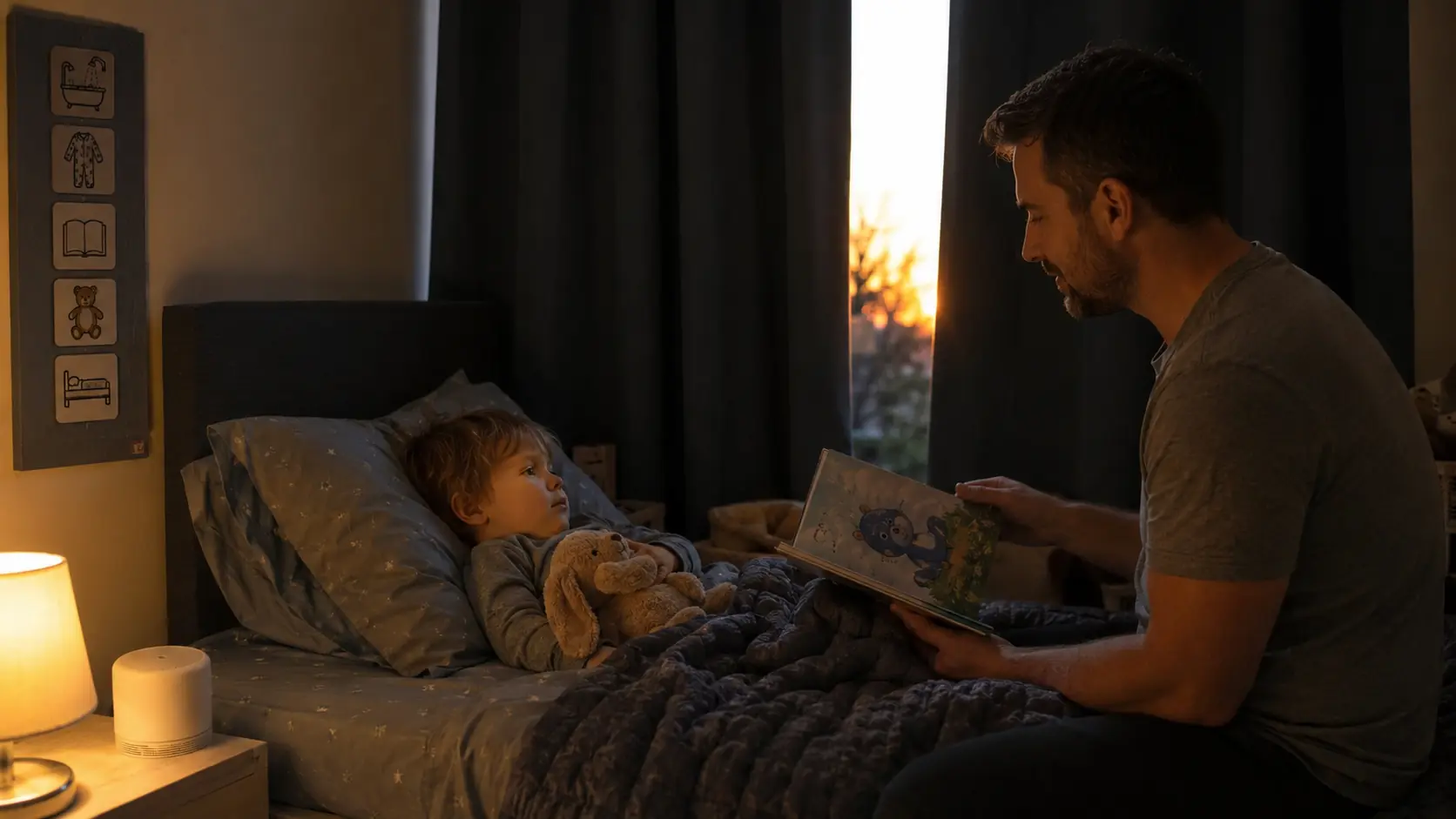
- Something changed without warning. You decided to skip the usual bedtime story. Or take a different route home. Or serve chicken nuggets on the wrong plate. What seems like flexibility to us can feel like chaos to kids who rely on routine to feel safe.
- The request feels impossible. When you ask them to do something they think they can't do, panic sets in. Hitting you might get them out of it.
- Something physically hurts. Ear infections. Cavities. Constipation. Poor sleep. Sometimes aggression spikes because there's a medical issue no one's caught yet. Always worth a call to the pediatrician, especially if the behavior changes suddenly.
Step 1 – Start With a Functional Behavior Assessment (FBA)
Why Knowing the "Why" Behind Aggression Matters
You can't fix a problem you don't understand. And the truth is, aggressive behavior always has a reason—even if it doesn't make sense to you yet.
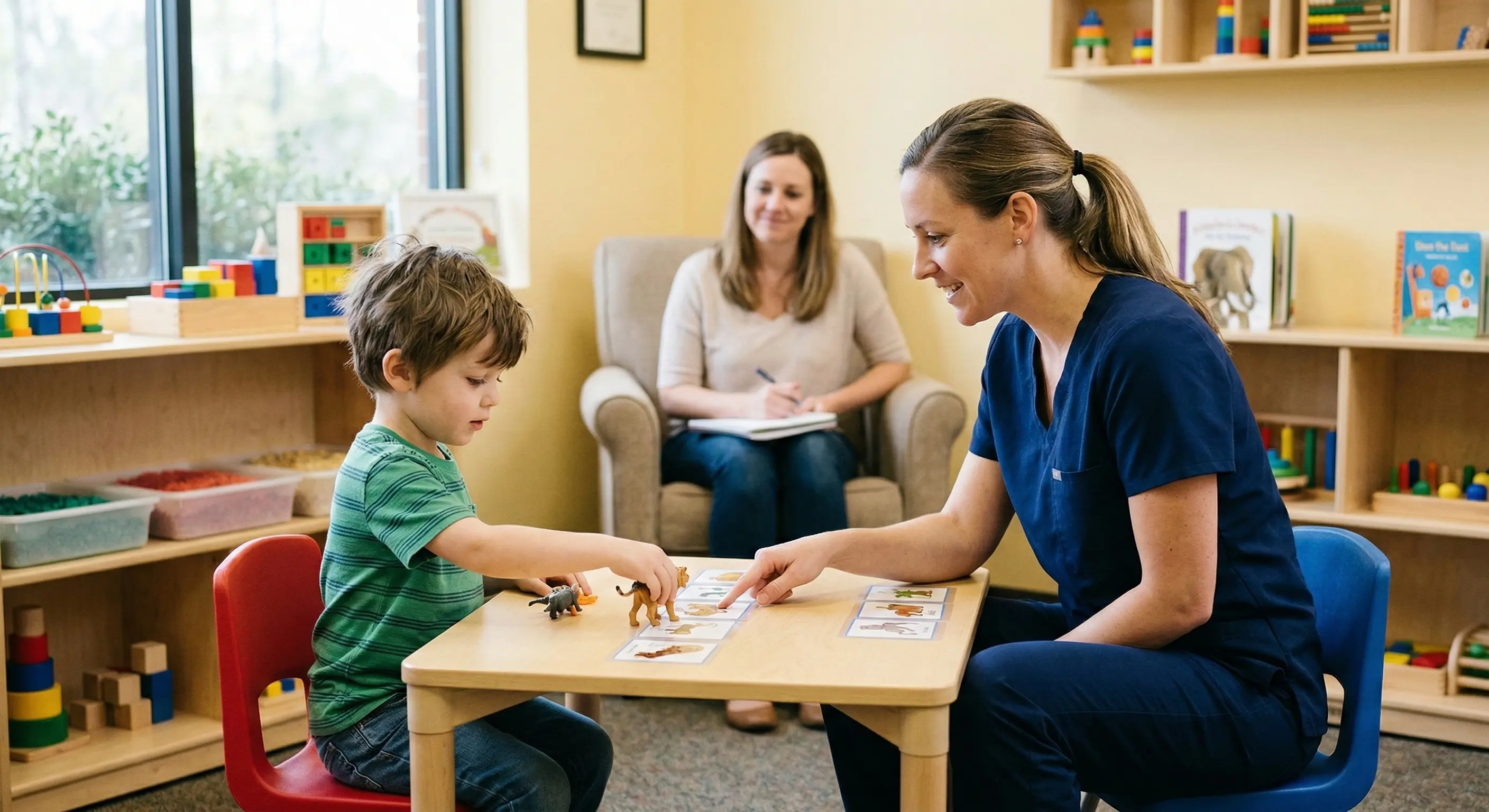
That's where a Functional Behavior Assessment comes in. A Board Certified Behavior Analyst (BCBA) will basically play detective to figure out what's really driving the behavior.
They look at the pattern:
- What happens right before? (Antecedent) Was there a loud noise? Did you say no to something? Was it time to transition?
- What exactly does the aggression look like? (Behavior)
- What happens right after? (Consequence) Does your child get out of doing something? Get your attention? Get the thing they wanted?
Usually, aggression serves one of these purposes:
- Escape: "Get me out of this situation now."
- Attention: "Notice me, please."
- Getting something: "I want that snack/toy/video."
- Sensory: "This feels better than whatever I was feeling before."
Once you know the why, you can teach a better way to get that same result.
How BCBAs Use FBA to Build a Plan
Your BCBA will watch your child in different situations, talk to you about what you've noticed, and track when and where things go sideways.
Then they'll build a Behavior Intervention Plan—basically a customized game plan that includes:
- Ways to prevent the aggression from happening
- New skills to teach instead of aggression
- What to do when aggression still happens (because it will sometimes)
The plan isn't permanent. As your child learns and grows, it gets updated. This is a living document, not a life sentence.
Step 2 – Use Proactive Strategies to Reduce Triggers
Here's a secret: preventing aggression is way easier than stopping it once it's started. When you know what sets your child off, you can change things before the explosion happens.
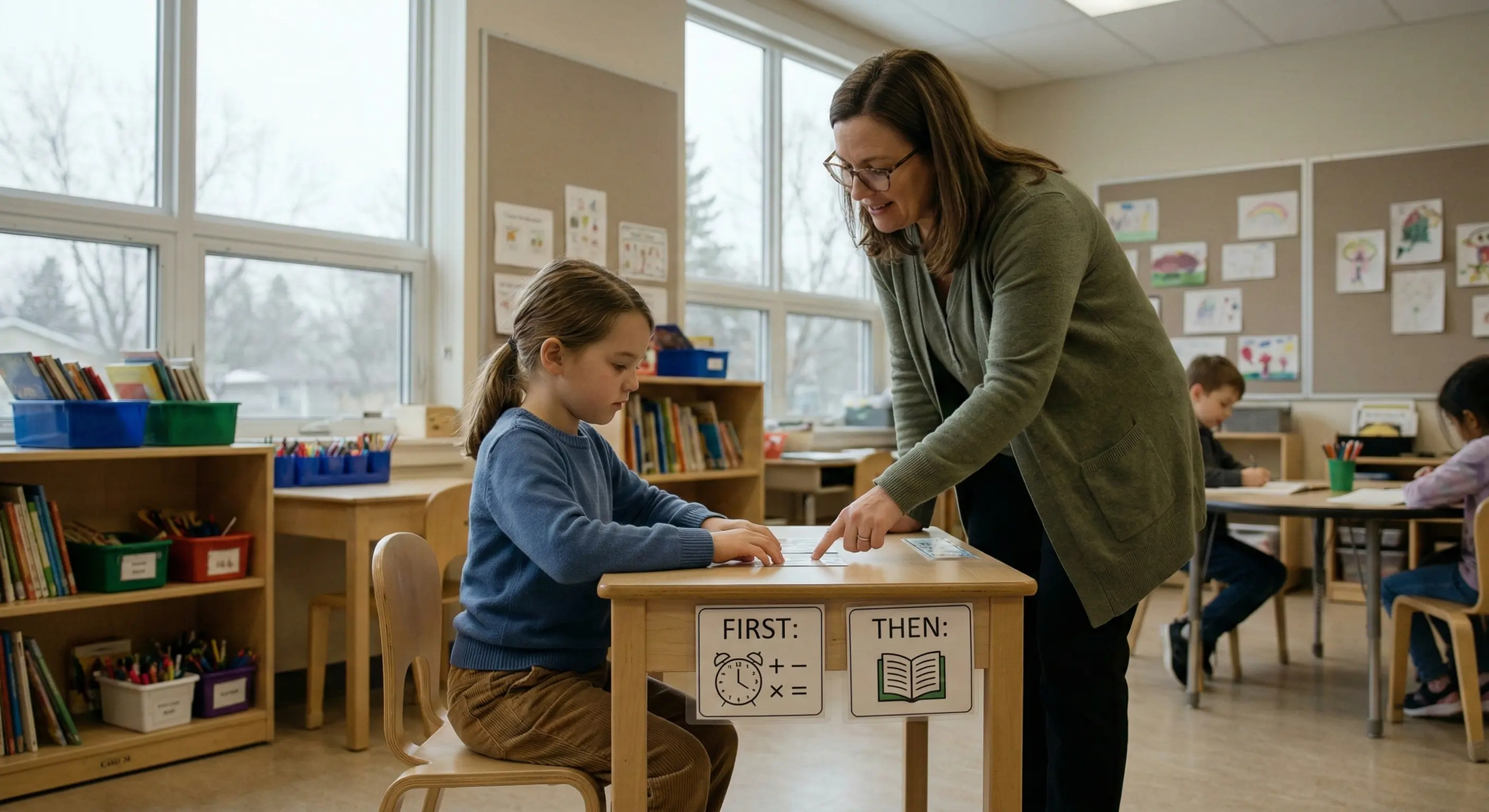
Creating Predictable Routines and Visual Supports
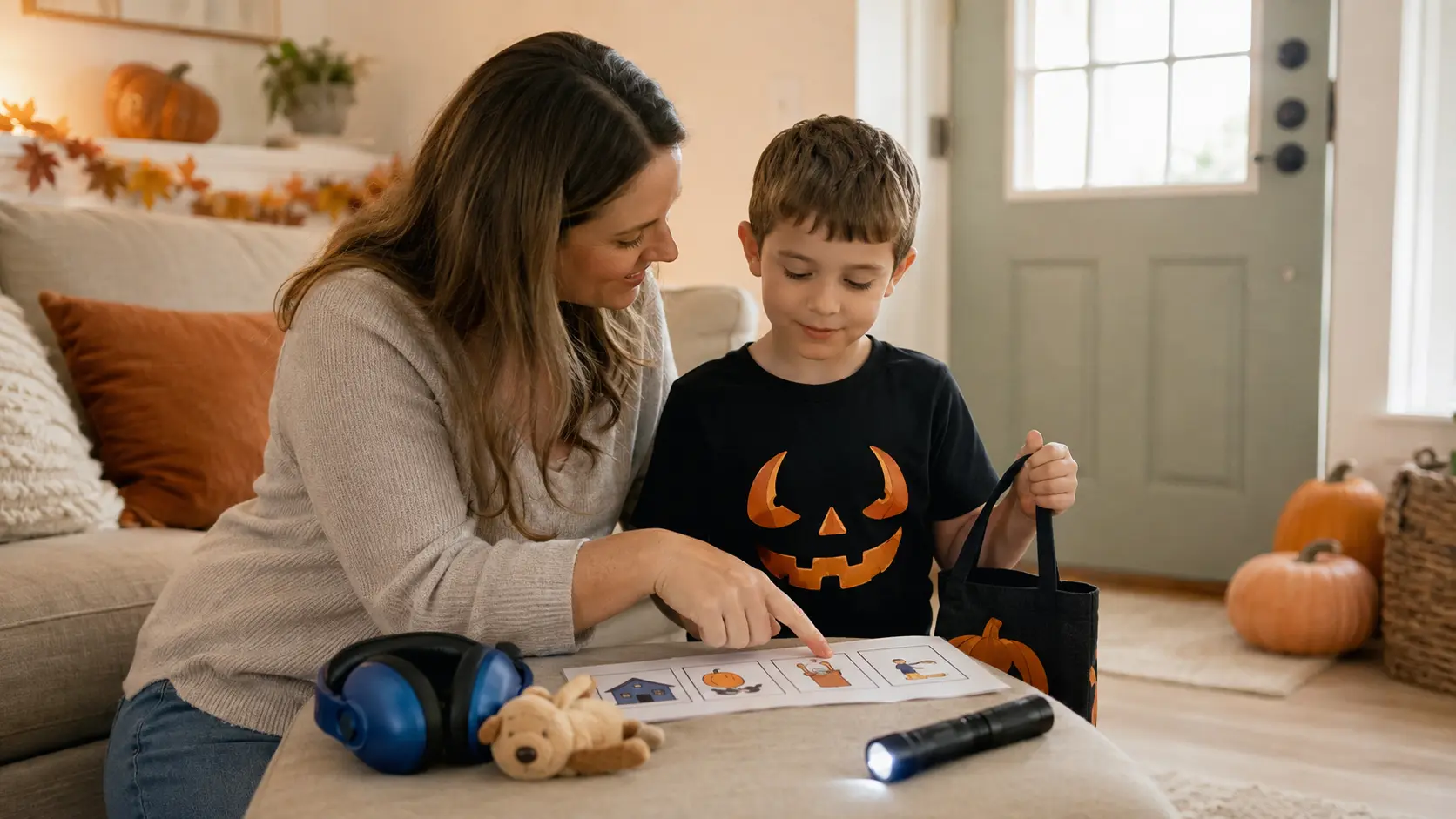
Most kids with autism do better when they know what's coming. Surprises—even happy ones—can trigger anxiety that builds into aggression.
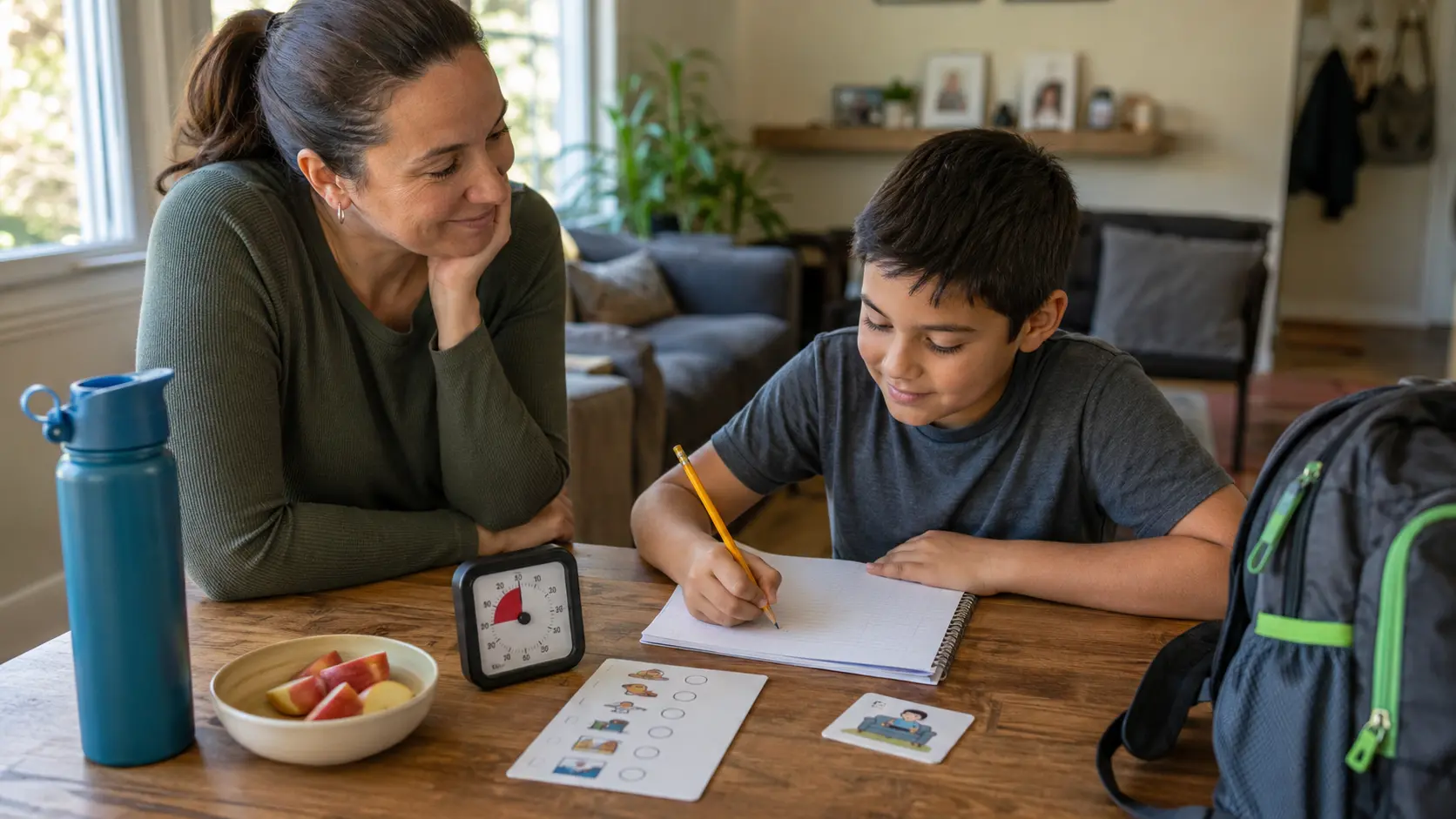
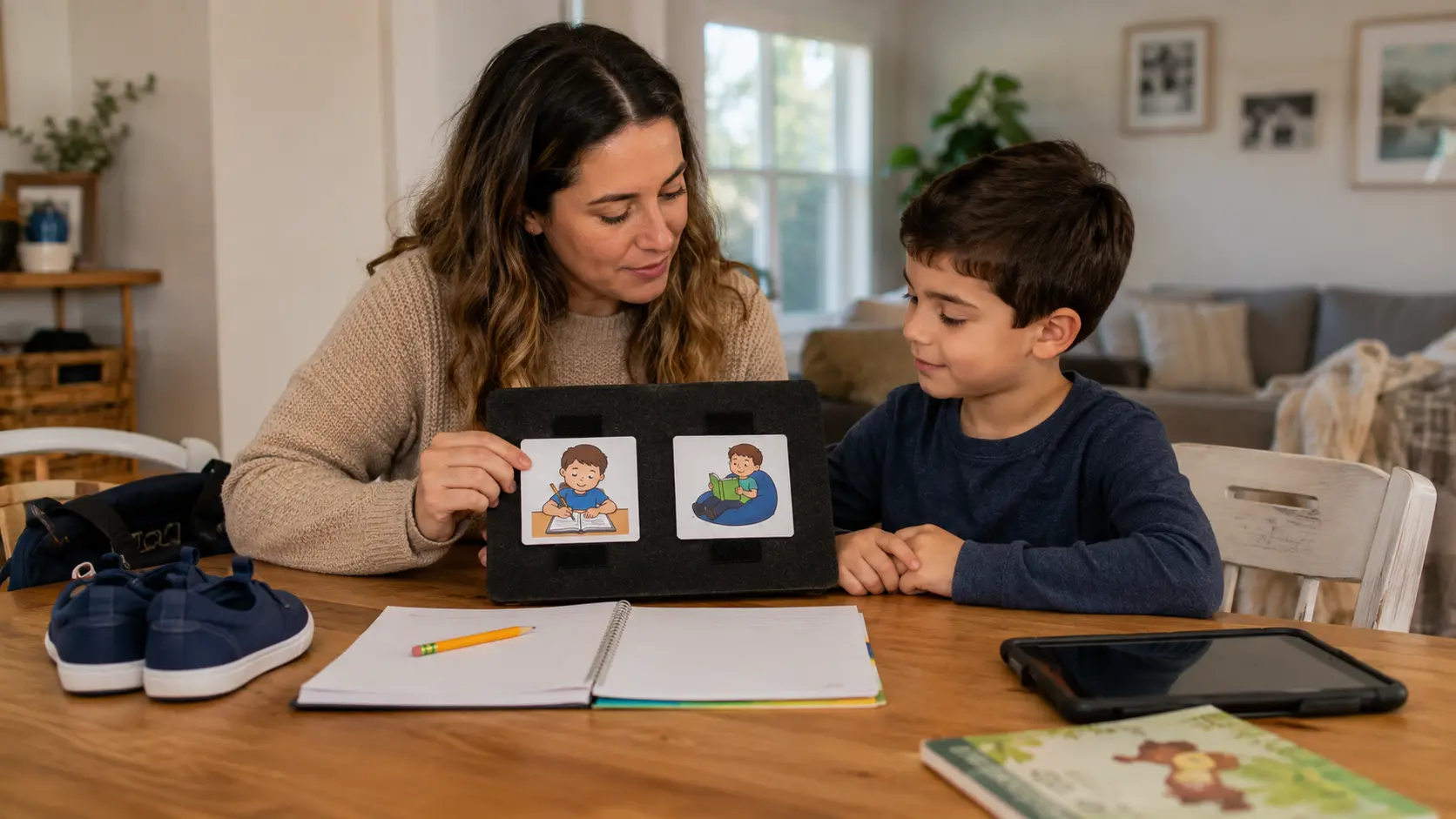
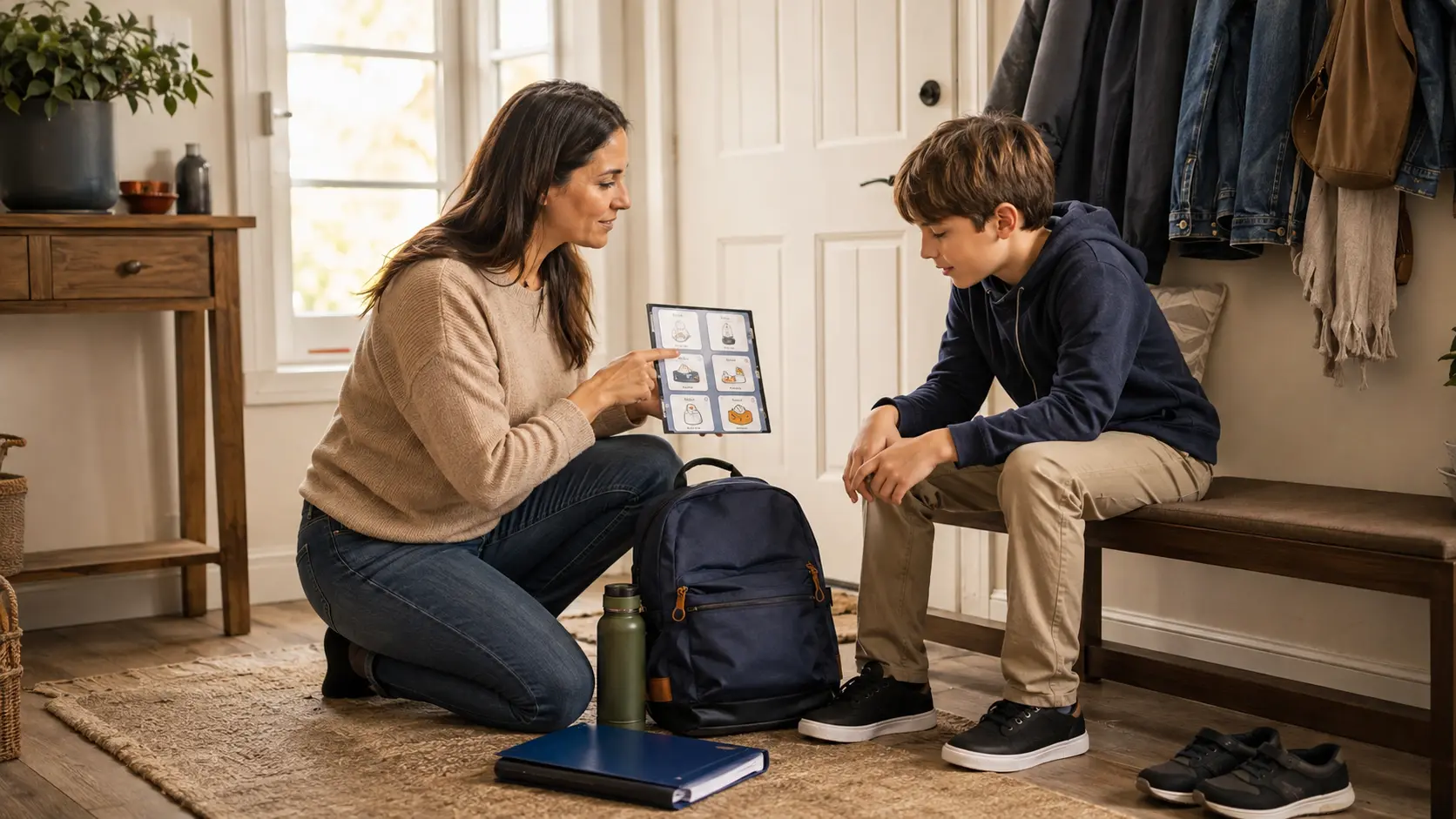
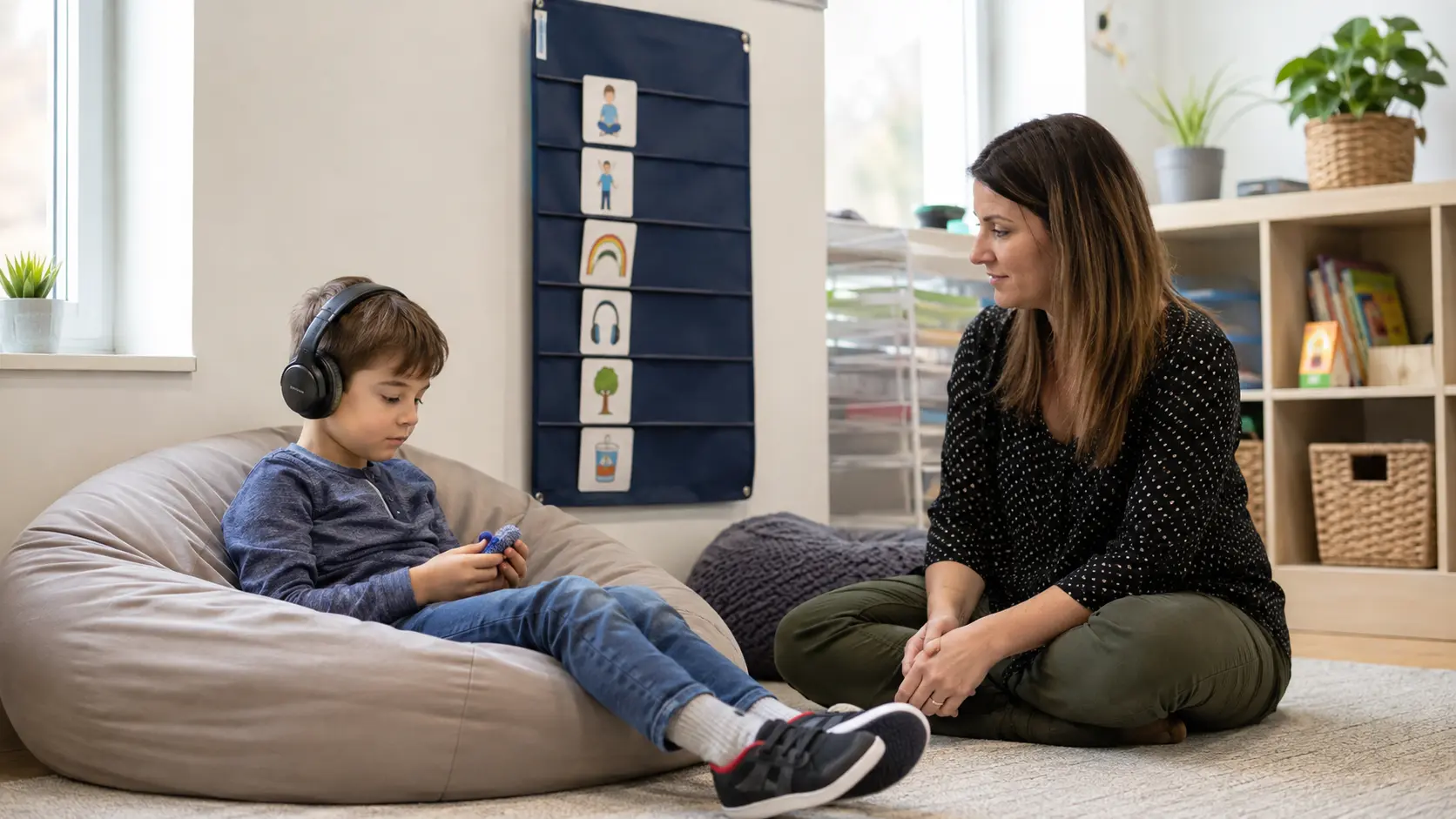
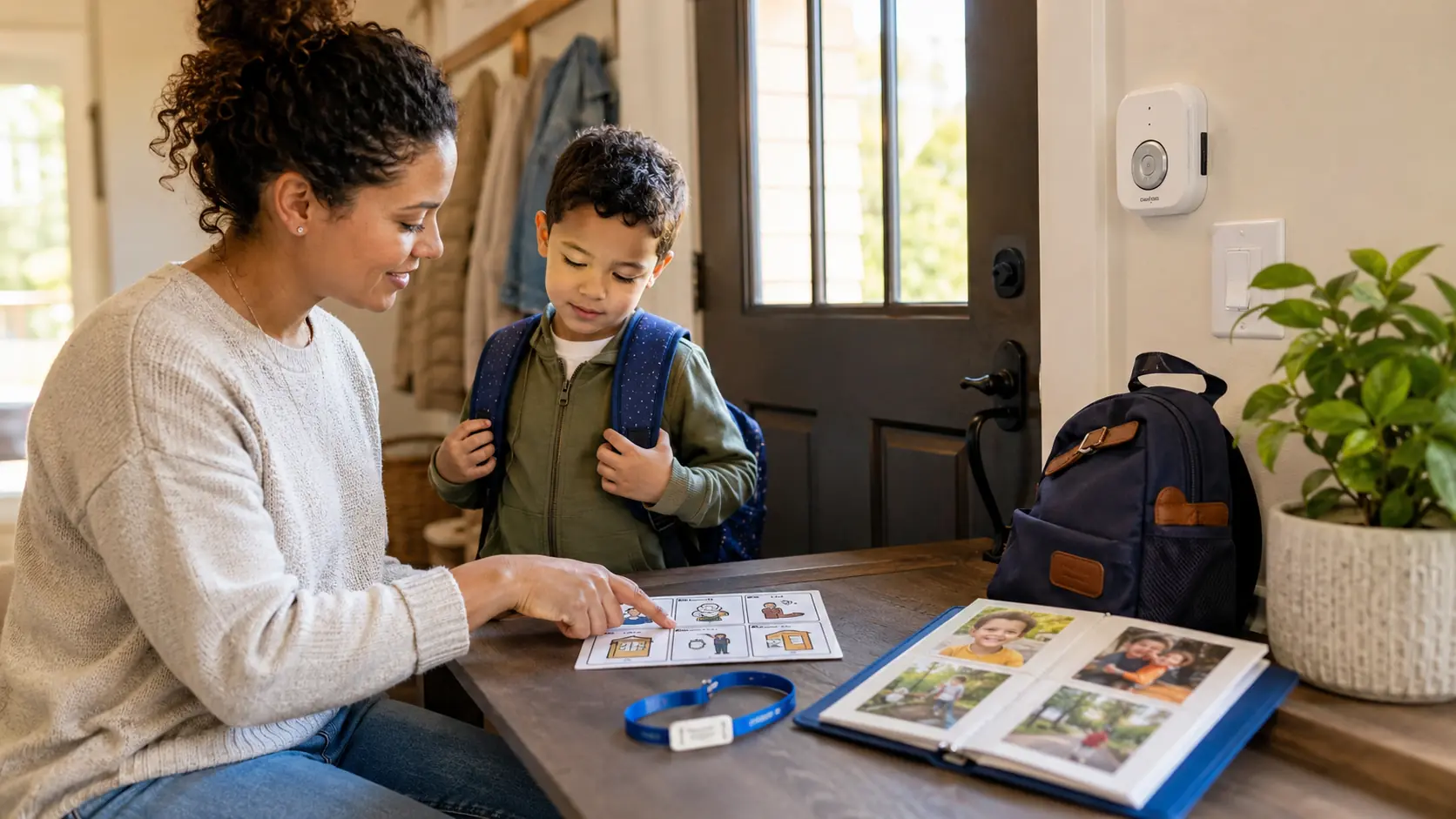
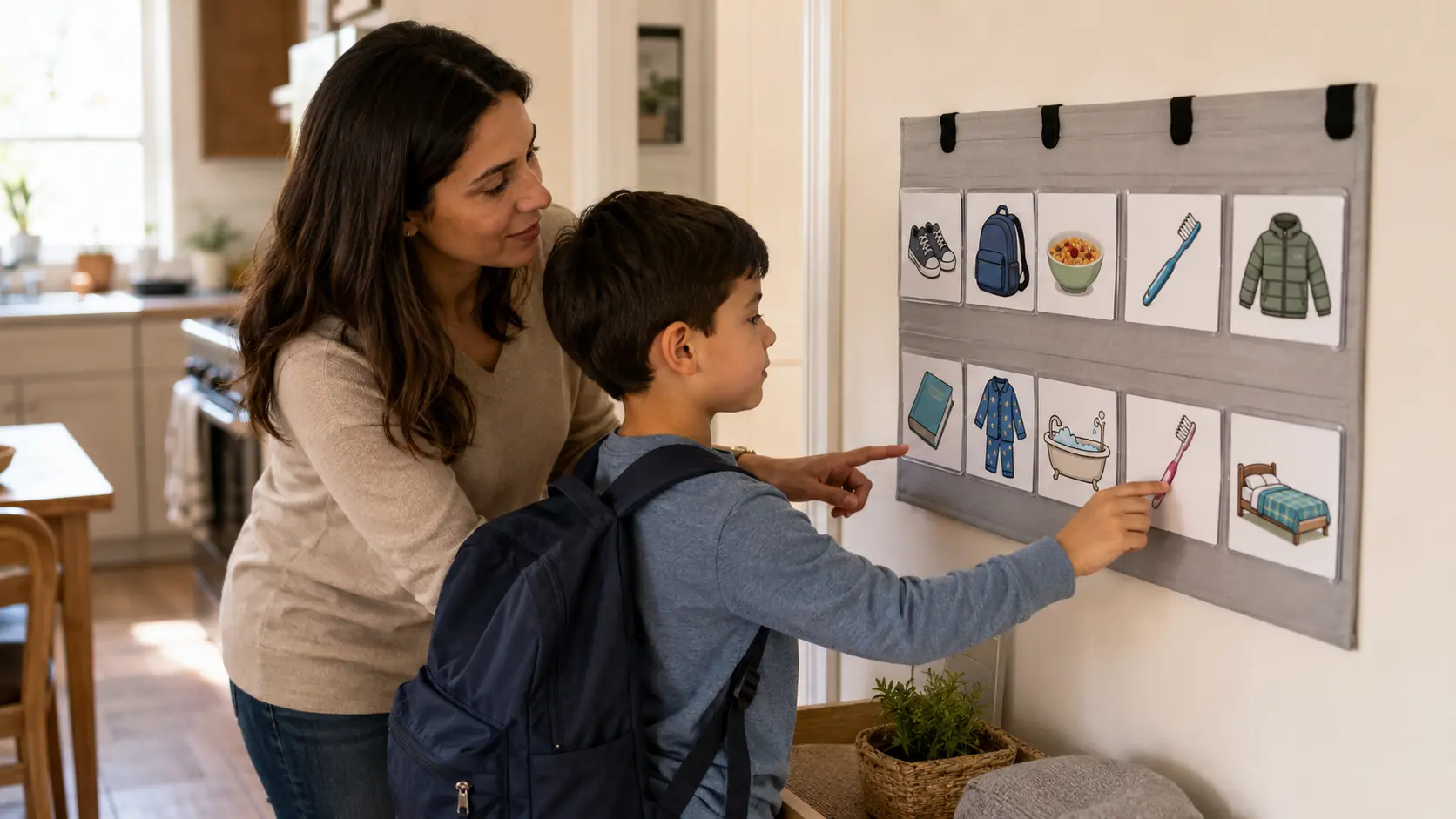
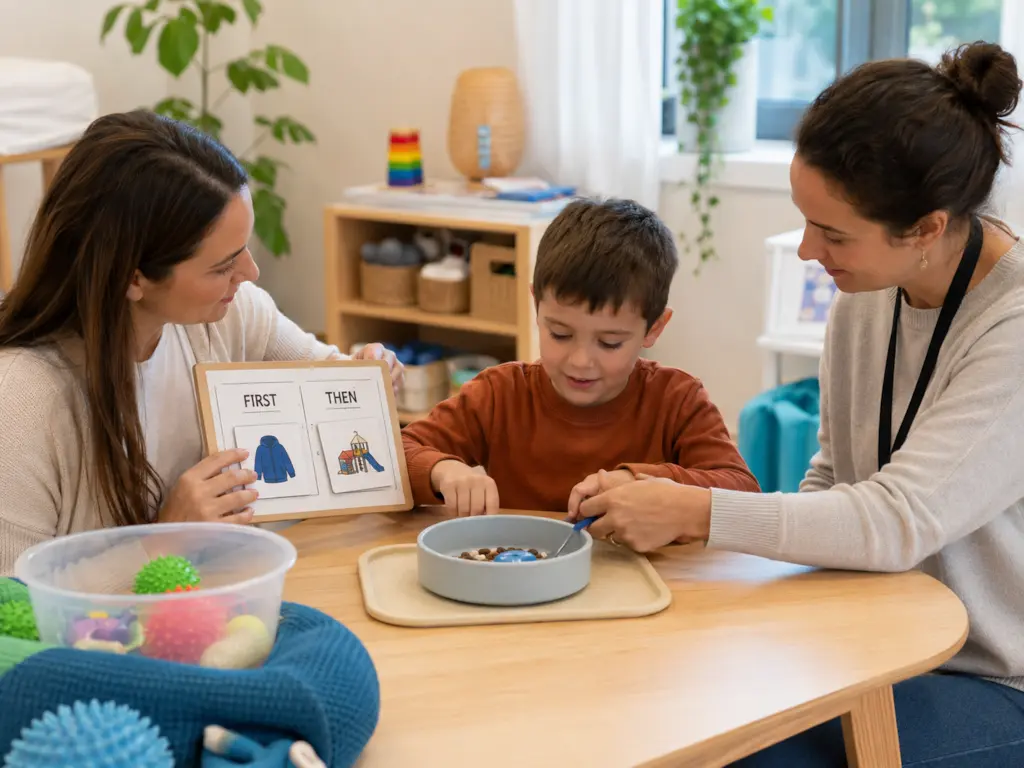
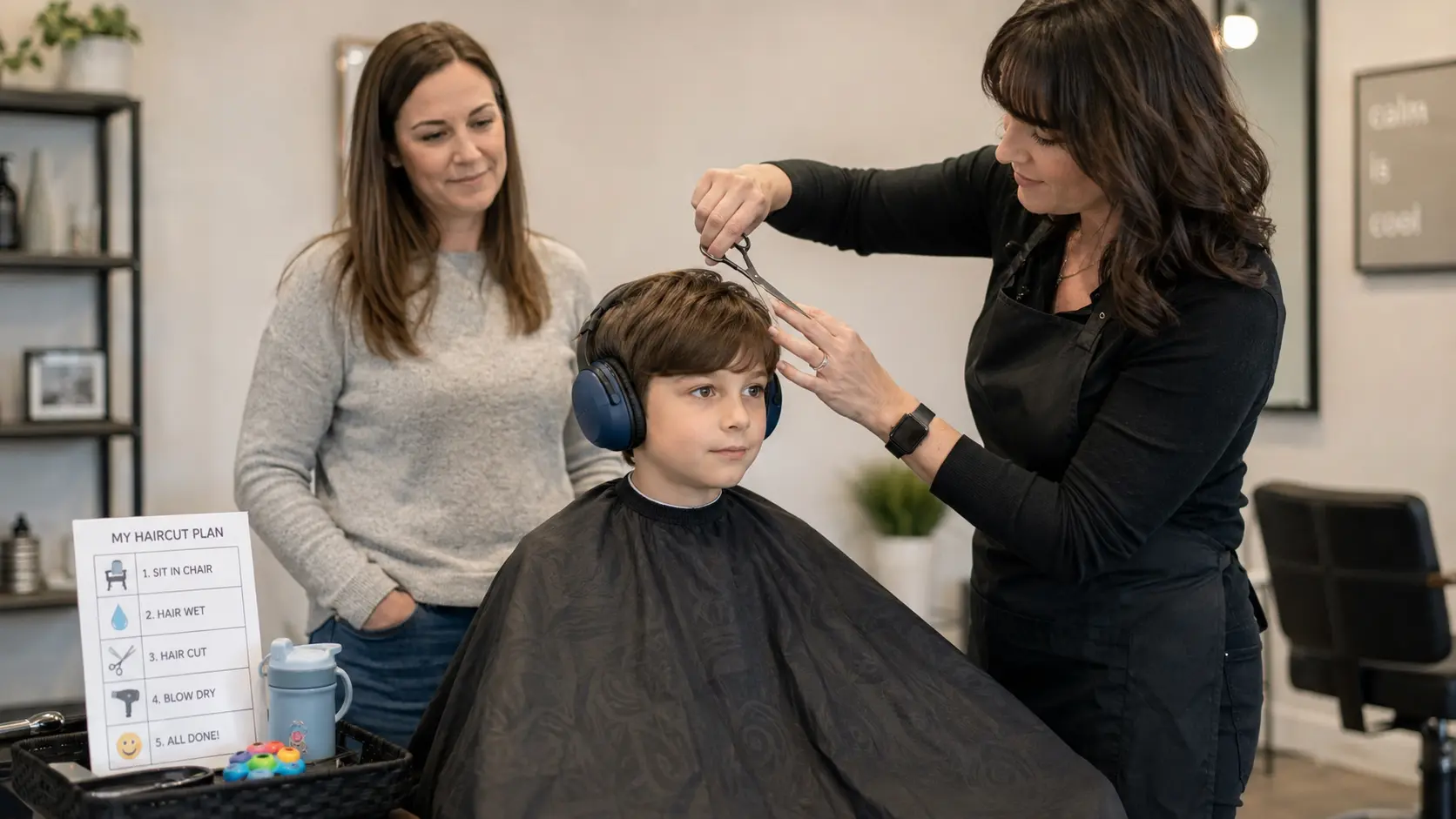
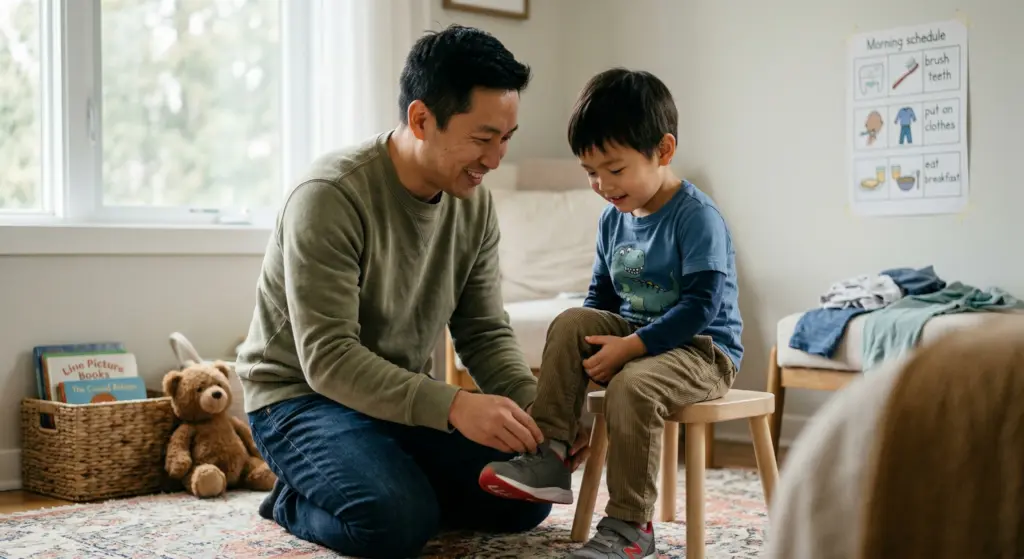
Visual schedules are honestly game-changing. Just pictures or photos showing the day's flow: wake up, breakfast, school, playtime, dinner, bath, bed. You can buy fancy ones or draw stick figures on a whiteboard. Doesn't matter. What matters is that your child can see what's next.
Timers help too. Those visual timers that show the red section shrinking give a concrete warning. Five more minutes of iPad time. Two more minutes until we leave. It helps kids brace themselves for transitions instead of getting blindsided.
Adjusting Demands and Environments
Sometimes we ask for too much too fast, and the whole thing falls apart.
Instead of "Clean your room," try "Put three toys in the basket." Celebrate. Then maybe add three more.
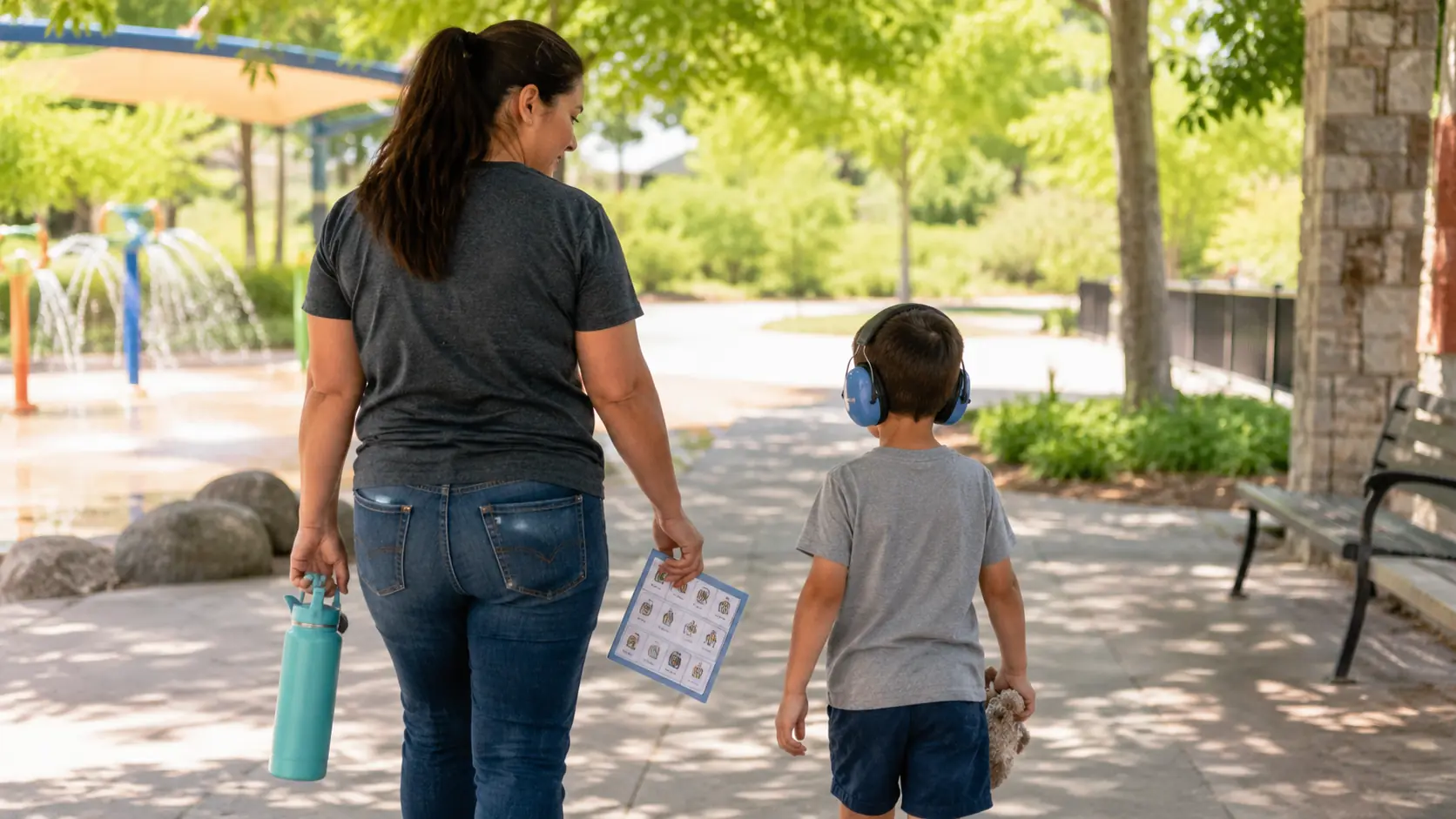
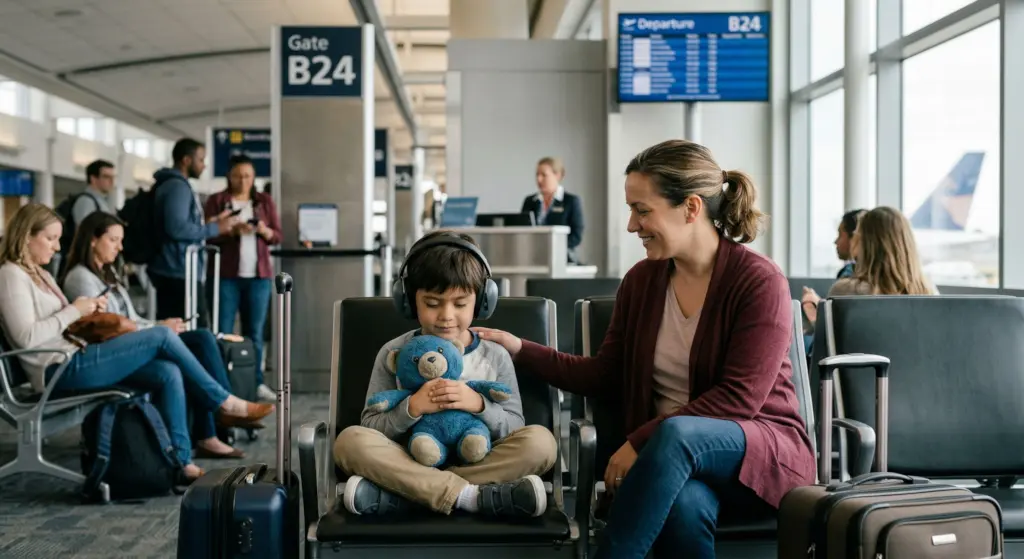
Look at your environment too. If noise is a problem, would noise-canceling headphones help? If the bright lights at school cause meltdowns, can you arrive early before everyone else? If grocery stores are a nightmare, can you order online for a while?
You're not spoiling your child. You're setting them up to succeed.
Teaching Coping and Calming Skills
Even with perfect prevention, hard moments will come. Teaching your child what to do when they're getting overwhelmed gives them an alternative to aggression.
Some things that work:
- Break cards: They hand you a card that means "I need a break from this."
- Simple breathing: "Smell the flower, blow out the candle" actually helps regulate their nervous system.
- A calm corner: A spot with a weighted blanket, fidget toys, and dim lighting where they can reset.
These take practice. Lots of it. But eventually they become real tools your child can grab when things get hard.
Step 3 – Teach Safer Replacement Behaviors With ABA
Functional Communication Training (FCT)
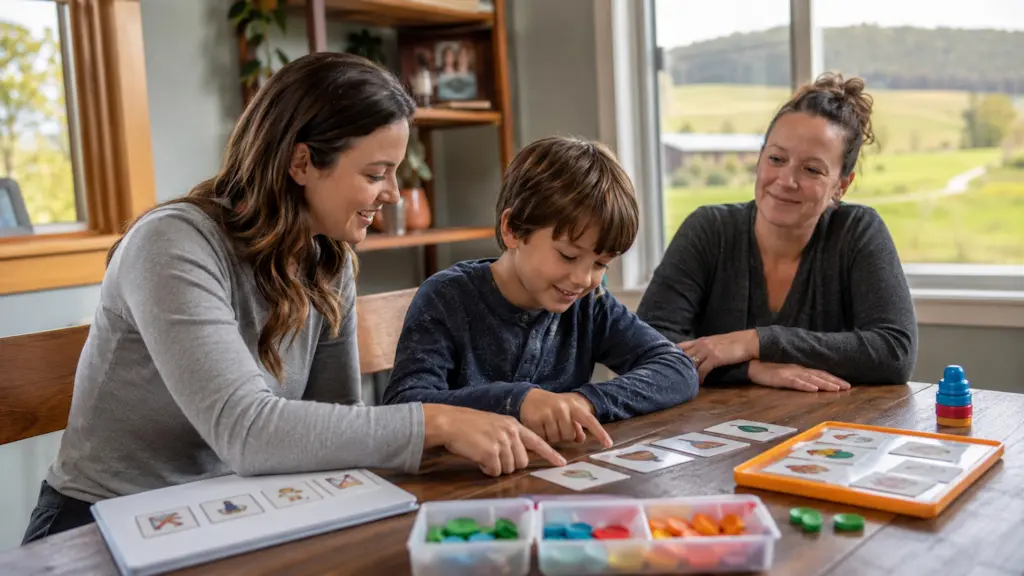
If your child hits to get out of homework, we need to teach them to say "I need a break" instead.
If they bite to get your attention, we teach them to tap your arm and say "Play with me."
That's Functional Communication Training. We're not stopping them from getting what they need. We're just teaching them a way to ask that doesn't hurt anyone.
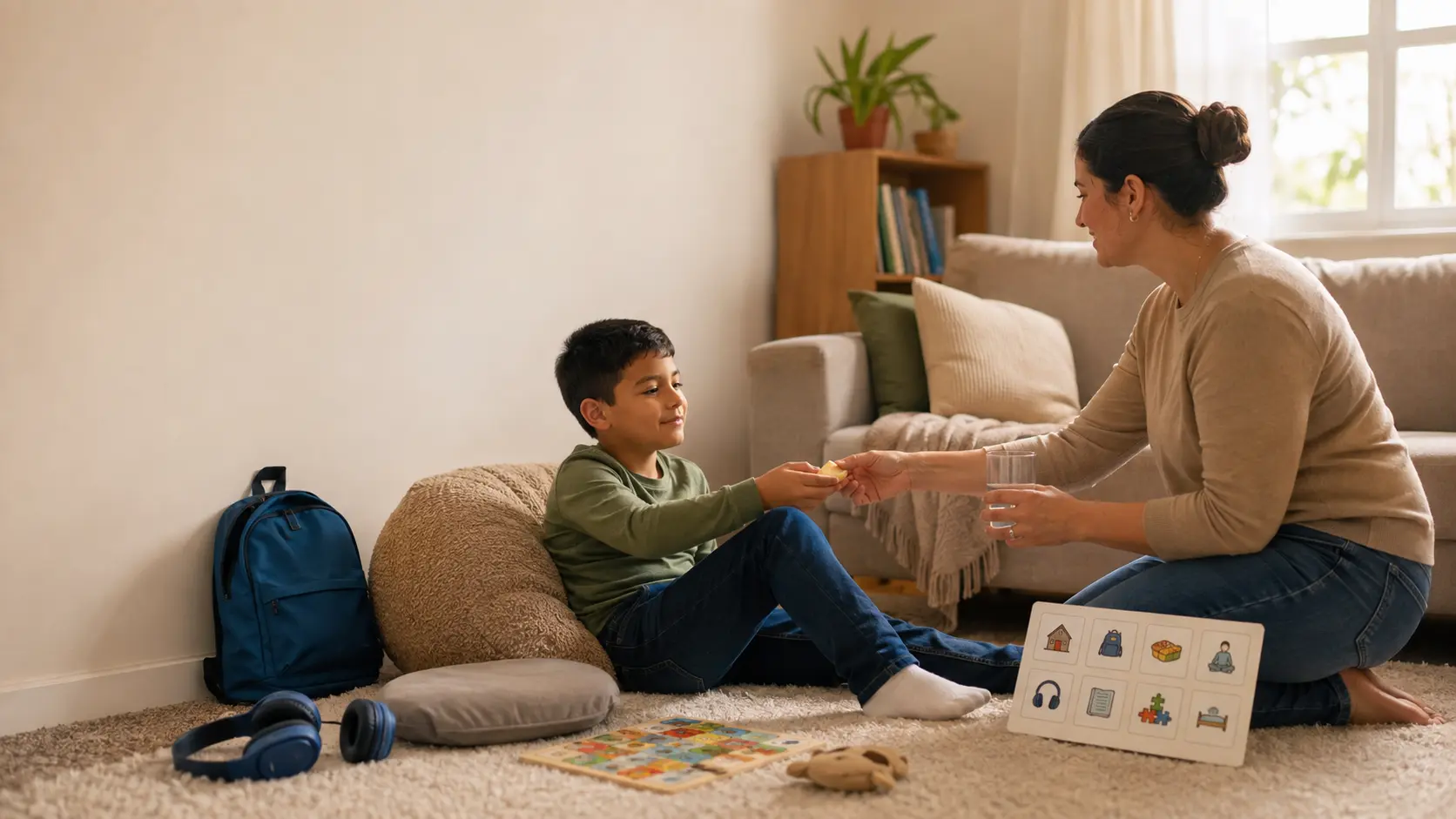
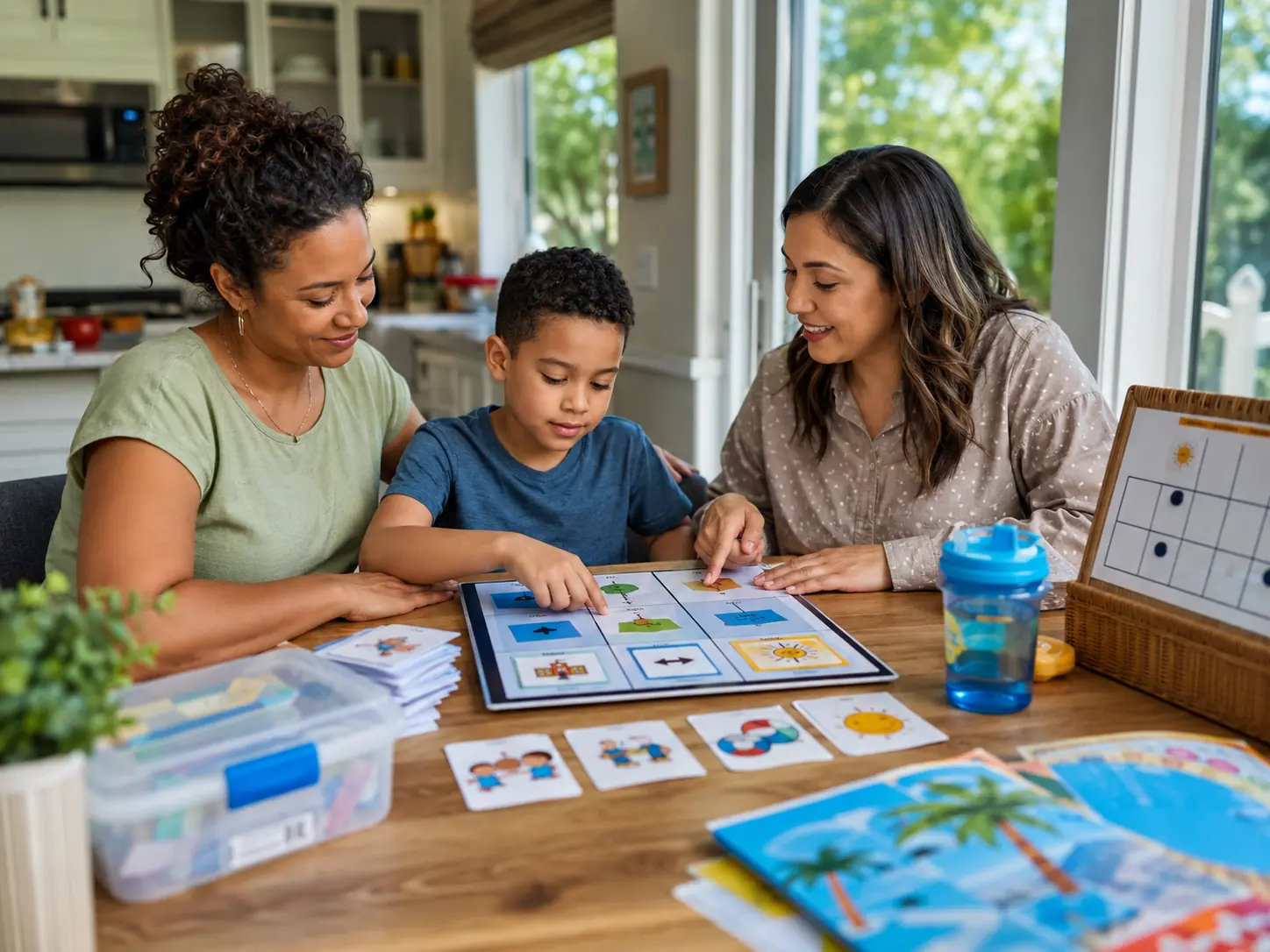
The communication method doesn't matter. Words, signs, pictures, an app on a tablet— whatever works for your child. The point is that asking should get them the same result as aggression did, just safer.
At first, you'll respond every single time they use the new skill. Immediately. That's how they learn it works.
Positive Reinforcement to Encourage New Skills
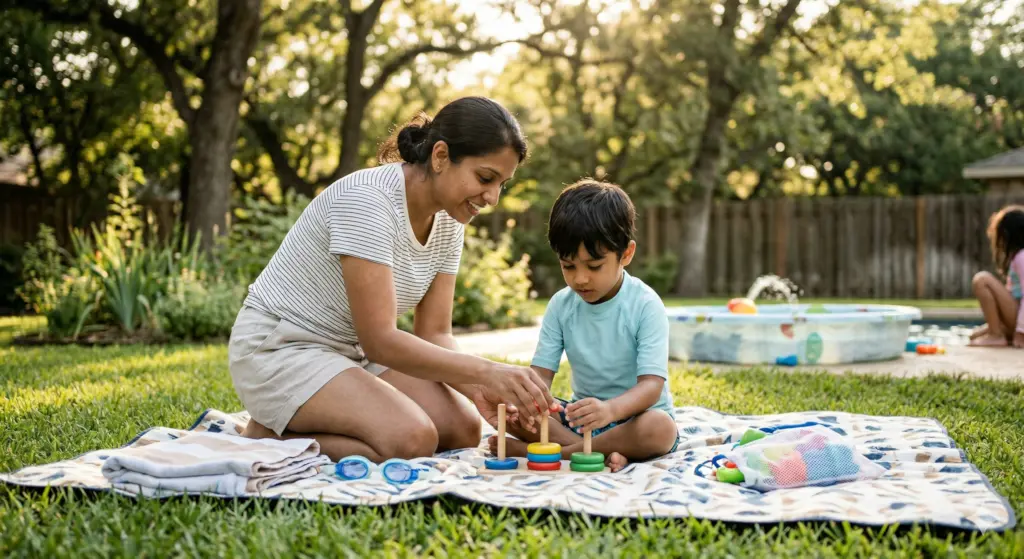
This is the heart of ABA: catch your child doing something right, and make it worth their while to do it again.
When they use words instead of hitting, they get praise plus whatever they asked for. When they stay calm during a hard transition, they earn extra playtime. When they ask for help nicely, you drop everything to help.
The new behavior gets stronger. The aggression fades because it's not needed anymore.
The catch? Everyone has to be consistent. Mom, Dad, Grandma, the babysitter, teachers— everyone needs to respond the same way. Mixed signals confuse kids and slow everything down.
Specific ABA Techniques for Aggression
Your BCBA might use a few specific strategies:
- Differential reinforcement: Basically, rewarding behaviors that are the opposite of aggression (like gentle hands) or behaviors that accomplish the same goal but safely (like asking for a break instead of hitting).
- Gradual practice with support: If your child melts down every time they're asked to do something hard, the BCRA might start with really easy requests and very slowly increase difficulty—with tons of praise and rewards along the way.
These techniques require careful planning and data tracking. That's why working with a trained BCBA matters.
Step 4 – Safe, Consistent Responses During Aggressive Episodes
Staying Calm and Keeping Everyone Safe
Even with all the prevention in the world, aggressive episodes will still happen. When they do, your job is to keep everyone safe.
Move other kids out of the room. Clear away anything throwable or breakable. If your child is hitting, create physical space—not as punishment, just as protection.
And try to stay calm. I know that's easier said than done when you're getting hit or watching your child destroy something. But yelling or showing big emotions can accidentally make things worse by adding fuel to an already overwhelming moment.
Your child isn't attacking you. They're drowning.
Avoiding Physical Punishment and Retaliation
When you're hurt or scared, the instinct might be to physically punish your child. But with kids who show aggression, that almost always backfires.
Physical punishment tends to increase aggressive behavior over time. It damages trust. And it teaches kids that hitting is how we solve problems.
Instead, follow the plan. Usually that means staying calm, giving minimal attention to the aggression itself, and then heavily reinforcing calm behavior once things settle.
Reviewing What Happened Afterward
Once everyone's okay, take notes. What was happening right before? Were there warning signs? What helped them calm down?
Keep a simple log on your phone. Share it with your BCBA. These details matter because they help you spot patterns and fine-tune the plan.
The Role of Parent Training in Treating Aggression
Why Parent Involvement Is Crucial
Here's something powerful: research shows that parent training is one of the most effective ways to reduce aggression in kids with autism.
Therapists see your child a few hours a week. You see them every day, in every situation. When you know how to use the same strategies consistently, your child learns faster and the changes stick.
Plus, it shifts how you feel. Instead of helpless, you feel capable. Instead of confused, you understand. That changes everything.
What Parents Learn in ABA-Based Training
Good parent training covers:
- How to figure out what's driving a behavior
- How to use positive reinforcement throughout the day (not just in therapy sessions)
- How to set up visual supports at home
- How to respond calmly when aggression happens
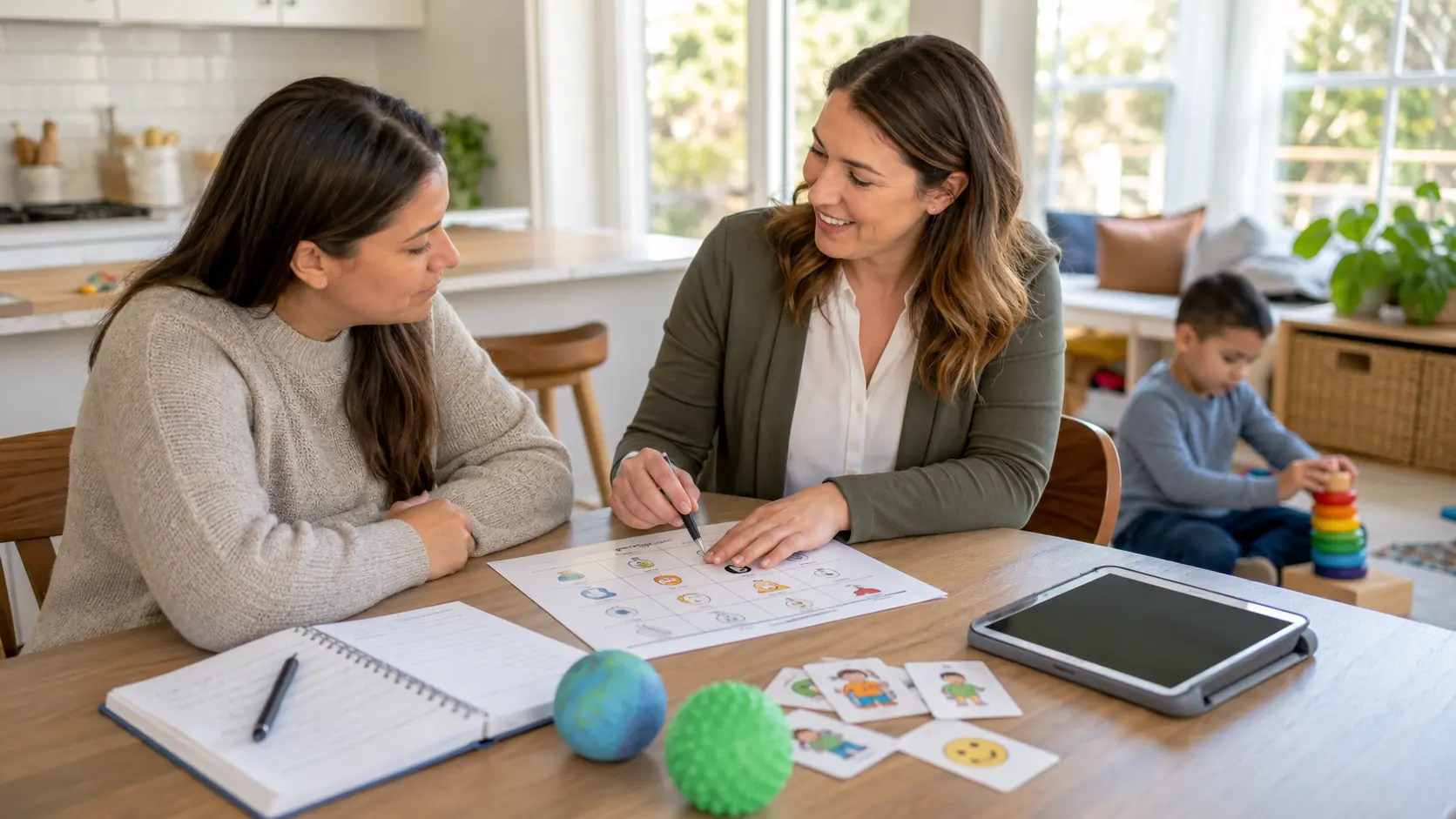
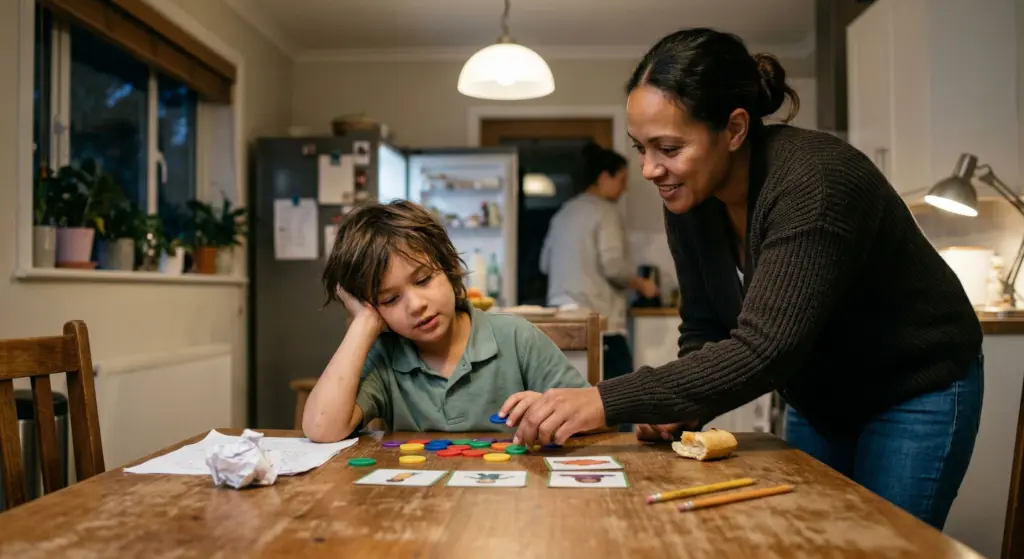
- How to practice new skills during everyday routines like meals and bedtime
The best training doesn't just lecture you. It includes practice with real-time coaching, feedback, and troubleshooting when things don't go as planned.
When to Involve Other Professionals
Coordinating With Pediatricians and Other Providers
ABA helps with the behavioral piece, but sometimes other things need attention too.
If aggression is severe, appears suddenly, or isn't improving with behavioral strategies, check in with your pediatrician. Medical issues that can fuel aggression include:
- Chronic pain (ear infections, dental problems, stomach issues)
- Sleep problems
- Anxiety or other mental health conditions
Your doctor might recommend seeing specialists or consider whether medication could help. Those decisions belong to your healthcare team, not to behavior analysts.
The goal isn't ABA or medical support. It's both when needed.
How AtlasCare ABA Helps Families Manage Aggression
Treating aggression isn't about quick fixes or magic words. It's a process, and you need people who get it.
AtlasCare ABA works with families in North Carolina, New Mexico, and Iowa to build behavior plans that actually address why aggression is happening.
Here's what that looks like:
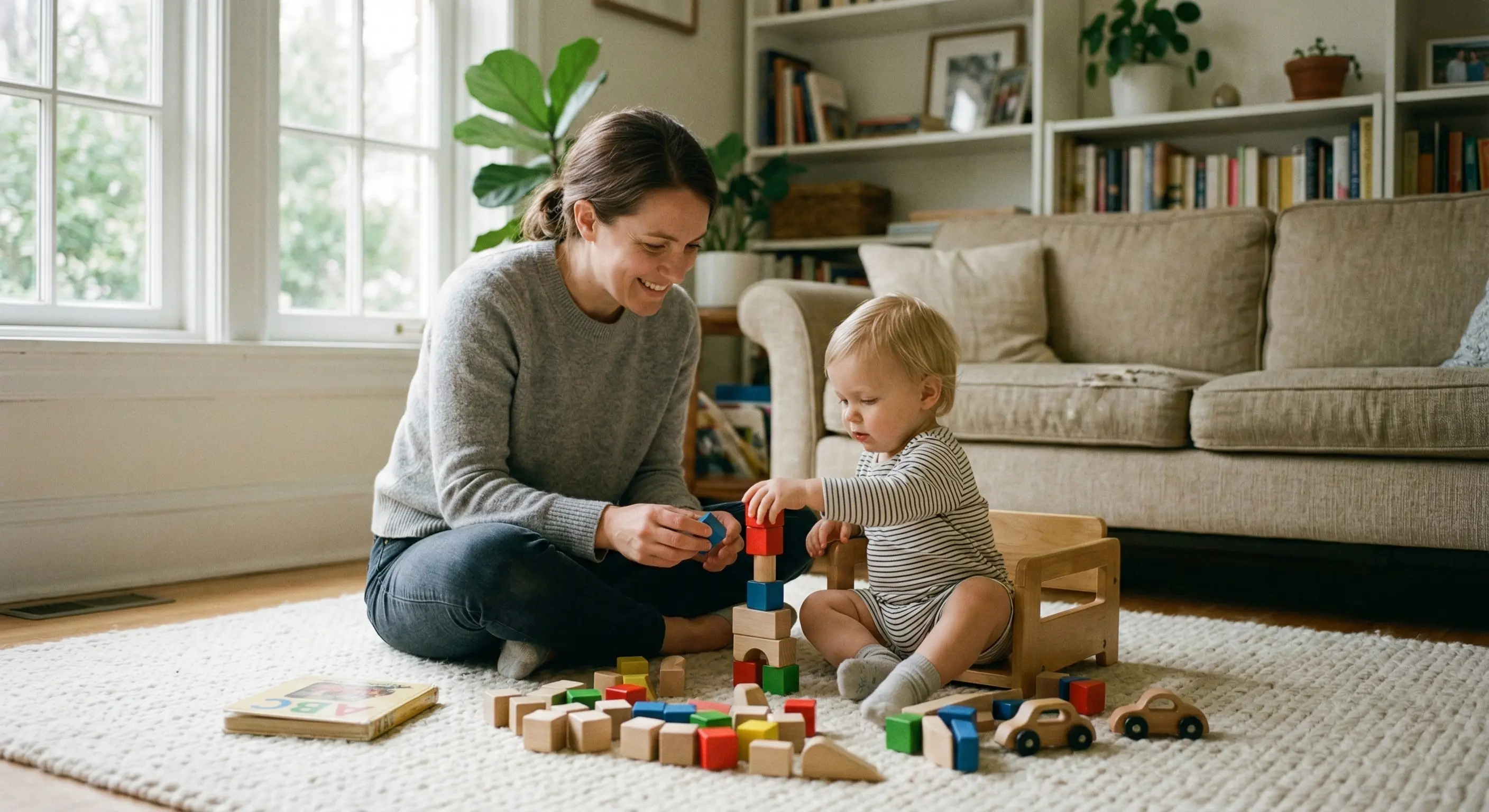
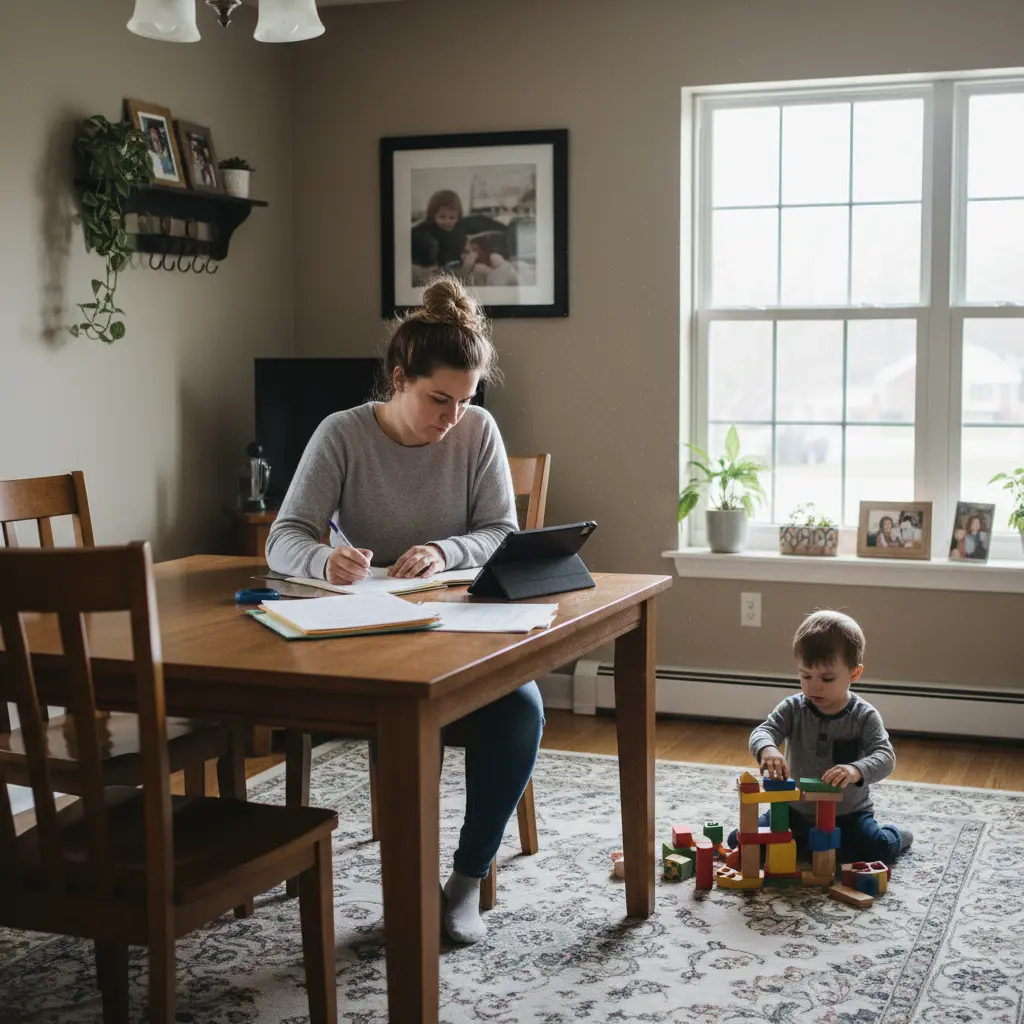
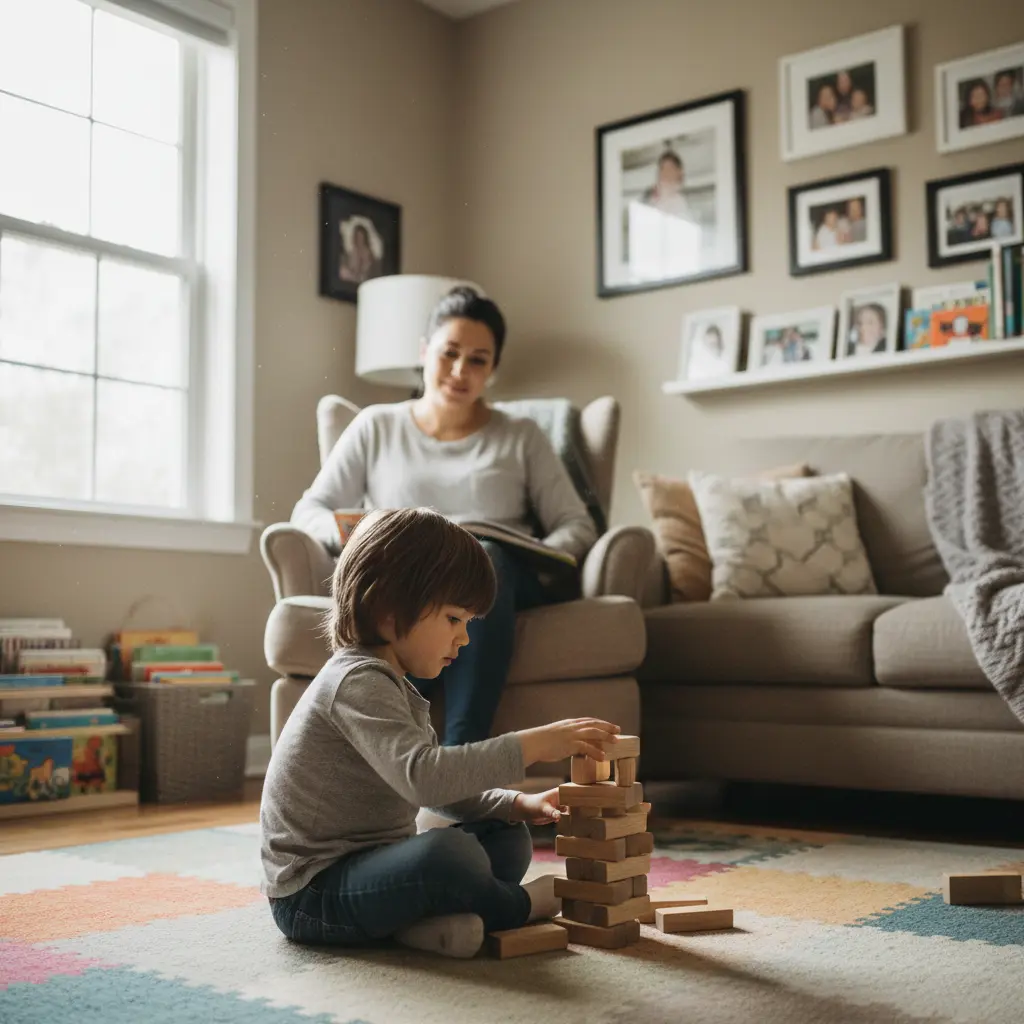
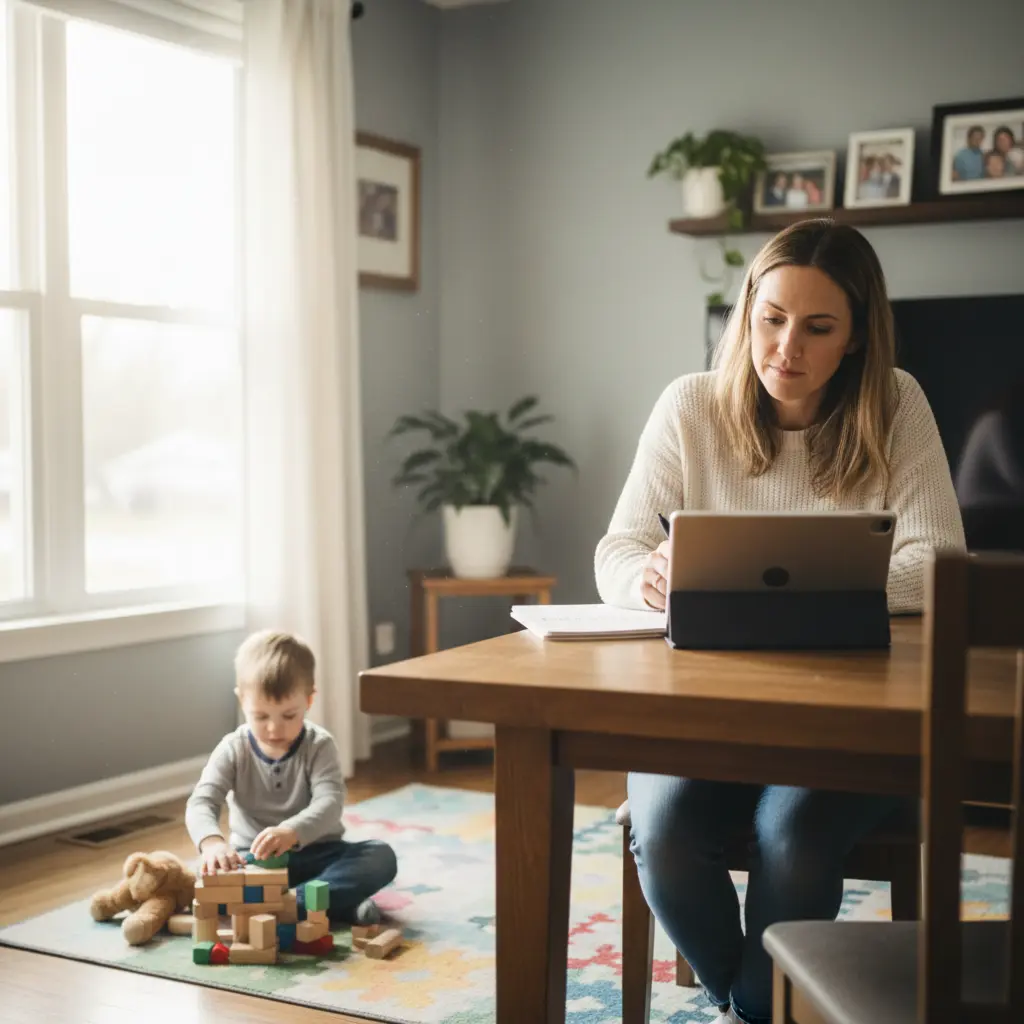
- In-home services. We come to your house because that's where real life happens. Bedtime battles. Mealtime meltdowns. Transitions between activities. We're there to help in the moments that matter.
- School and daycare coordination. When everyone uses the same strategies, progress happens faster. We work with your child's teachers and caregivers so the plan follows them everywhere.
- Parent training that actually sticks. We don't just tell you what to do. We practice with you, coach you through hard moments, and help you problem-solve when things don't go as expected
Everything centers on three things:
- Safety and dignity: Your child deserves respect, always
- Positive approaches: We build skills instead of punishing behaviors.
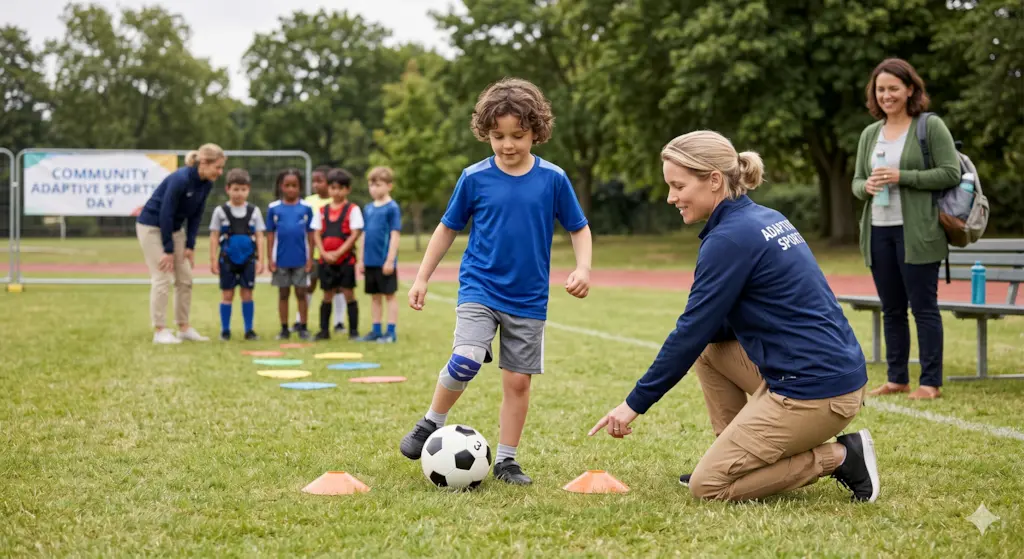
- Real-world goals: We're not trying to make your child compliant. We're helping them communicate, become more independent, and build relationships.
Aggression can make every day feel like survival mode. But with the right support, your child can learn better ways to be heard—and your family can breathe again.






.webp)
.webp)
.webp)
.webp)
.webp)



.jpg)
.webp)

.webp)
.webp)



%20During%20Play%20in%20the%20Home.webp)