Teachers
Imagine this: your child has been making steady progress in ABA therapy. They’re using more words, tolerating transitions a little better, even initiating play with a sibling. Then the school year starts, and you start wondering whether any of that progress will carry over into the classroom.
Will their teacher know what works? Will the strategies you’ve built together just disappear at drop-off?
This is one of the most common worries parents share when their child starts receiving ABA therapy at school (or when school begins after months of home or clinic support). With the right structure and communication, school can become one of the best places for skills to truly “stick.”
What ABA Therapy at School Means
Applied Behavior Analysis (ABA) is a structured, evidence-based approach to teaching skills and reducing behaviors that interfere with learning or safety. It works by breaking skills into manageable steps, using consistent cues and reinforcement, and tracking progress over time.
The CDC (Centers for Disease Control and Prevention) explains that behavioral approaches have the most evidence for treating symptoms of autism and highlights ABA as a notable behavioral treatment used in many schools and clinics.
When people say, “ABA therapy at school,” they usually mean one of these:
- Formal behavior services delivered at school (written into an IEP/plan)
- A school-based behavior professional supporting staff with ABA-informed strategies
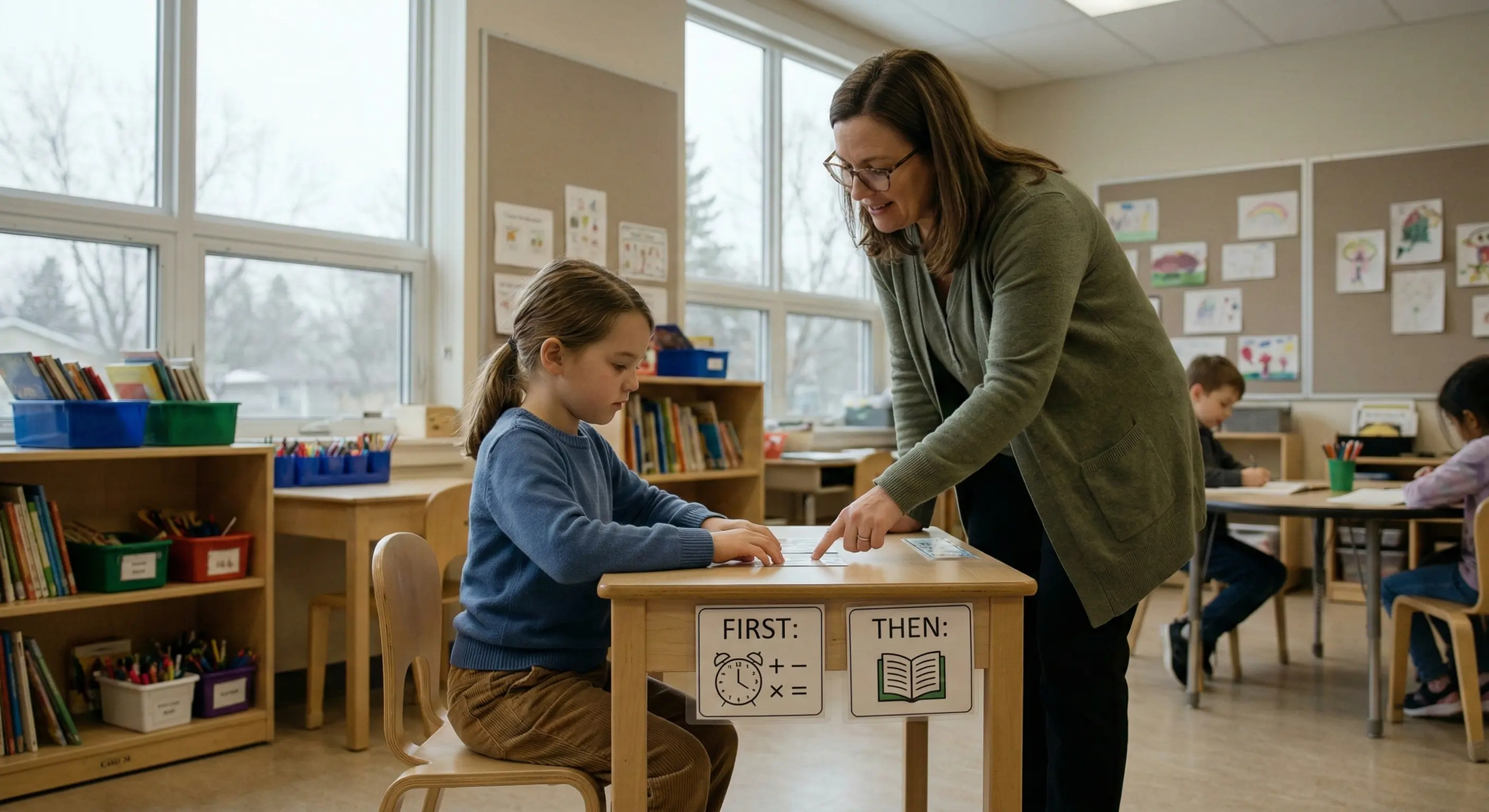
- Classroom strategies based on ABA principles (visual supports, reinforcement, prompting, data tracking) used by teachers/aides
- In some cases, a private ABA provider supporting the child at school (this varies by location and school policy)
School-Based ABA vs. Clinic or Home ABA
Clinic and home ABA are often more controlled and highly individual—typically one-on-one sessions focused on communication, daily living skills, play, and behavior goals.
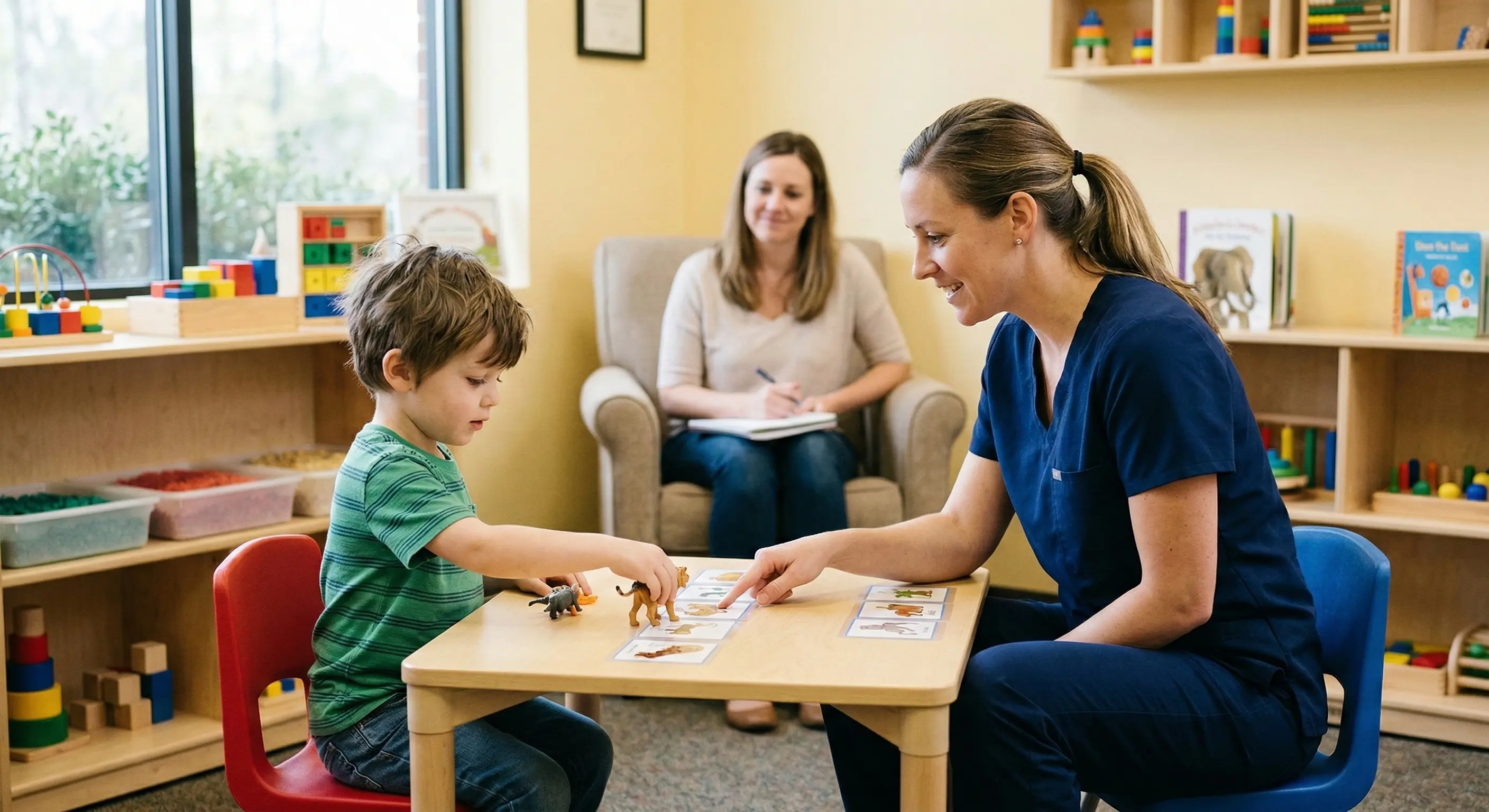
School-based ABA looks different because the goal is not to replicate a clinic. The goal is to apply the same principles in the environment where your child needs to use those skills: the classroom, hallway, cafeteria, and playground.
School-based ABA often means:
- Goals tied directly to the school day: Arrival, circle time, group learning, transitions, peer interaction.
- Strategies embedded into routines: Skills are taught within the natural school schedule instead of in isolation.
- Multiple adults involved: Teacher, aide, case manager, and specialists all play a role.
Who Provides Support at School
School-Based ABA Therapist, Behavior Specialist, or BCBA
Titles vary by district and region. Some schools employ BCBAs (Board Certified Behavior Analysts). Others use titles like behavior specialist, behavior interventionist, or behavior support teacher.
In many school systems:
- BCBAs may conduct Functional Behavioral Assessments (FBAs), develop Behavior Intervention Plans (BIPs), and train/supervise staff.
- Behavior specialists may or may not hold BCBA certification.
- Some districts contract external providers for school-based behavior support.
The Broader School Team
School-based behavior support rarely happens in isolation. Your child’s support network may include:
- Special education teacher / case manager: Coordinates the IEP and services.
- Paraprofessional / classroom aide: Implements strategies moment-to-moment.
- General education teacher: Especially important in inclusive settings.
- Speech-language pathologist (SLP): Communication, language, and AAC.
- Occupational therapist (OT): Sensory needs, fine motor, and self-care.
- School psychologist: Assessment, behavior planning, and emotional support.
PBIS/MTSS: Tiered Supports at School
Many schools use PBIS (Positive Behavioral Interventions and Supports) within an MTSS (Multi-Tiered System of Supports) framework. PBIS is organized into three tiers:
- Tier 1: Universal school-wide supports.
- Tier 2: Targeted supports for some students.
- Tier 3: Intensive, individualized supports for students with complex needs.
This matters because some ABA-informed supports (visuals, reinforcement, routines) can appear at Tier 1 or 2, while more individualized plans (FBA/BIP) often fall under Tier 3.
What ABA Can Look Like in the Classroom
ABA strategies in school don’t always look like “therapy.” They’re often subtle and woven into the school day.
Skill Teaching: Communication, Independence, and Transitions
Examples include:
- Teaching your child to request a break using a card, gesture, or AAC device.
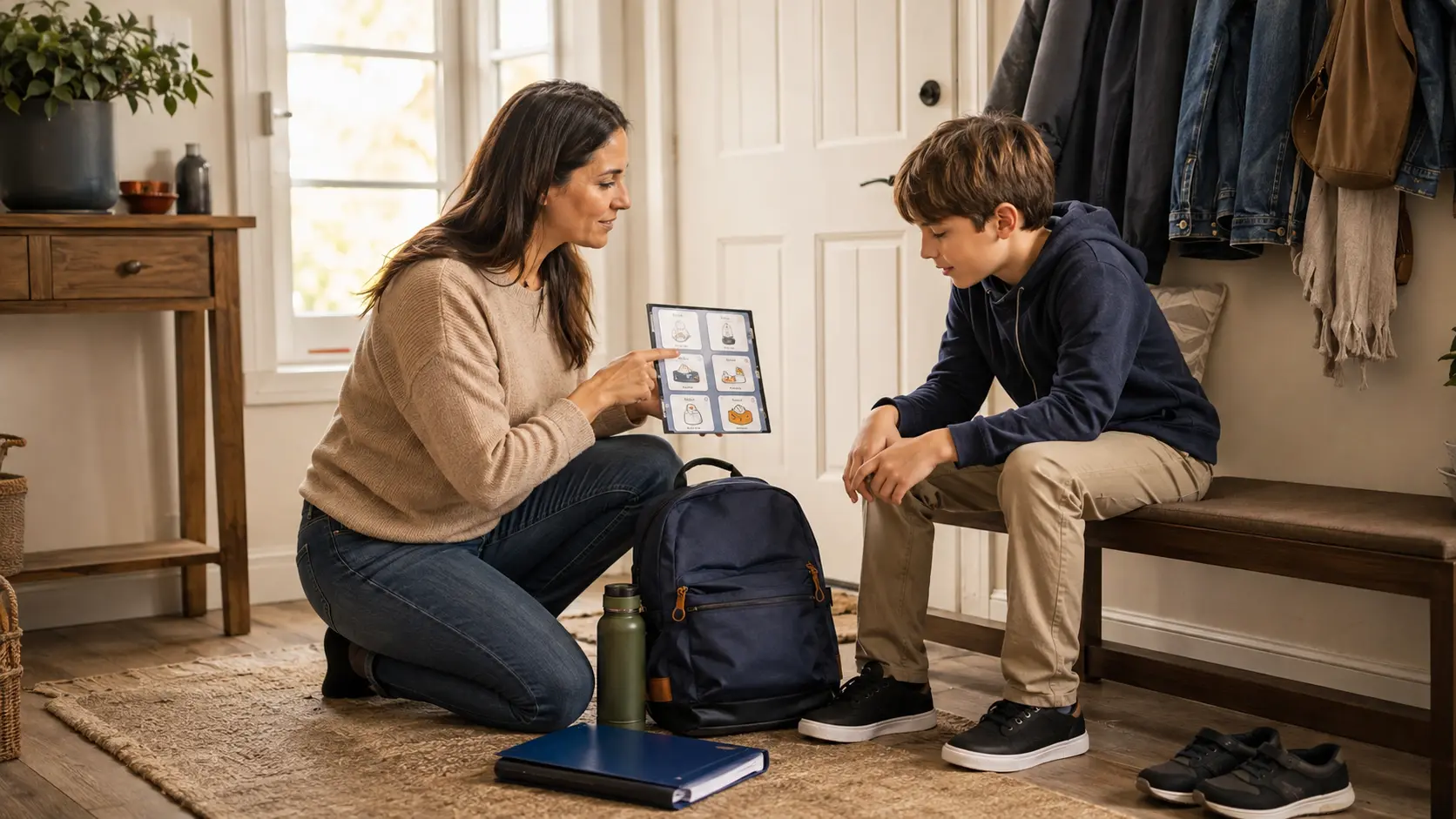
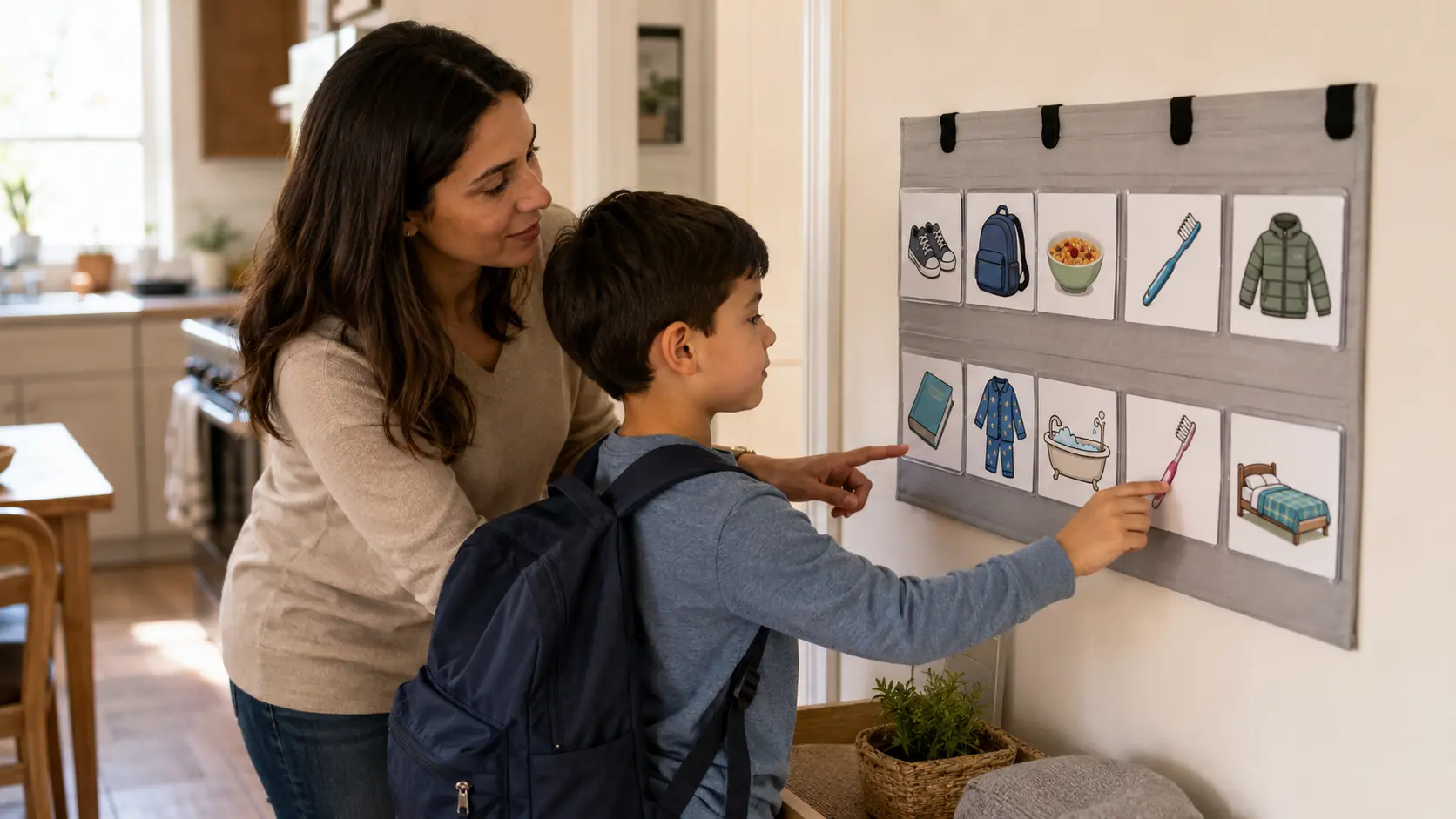
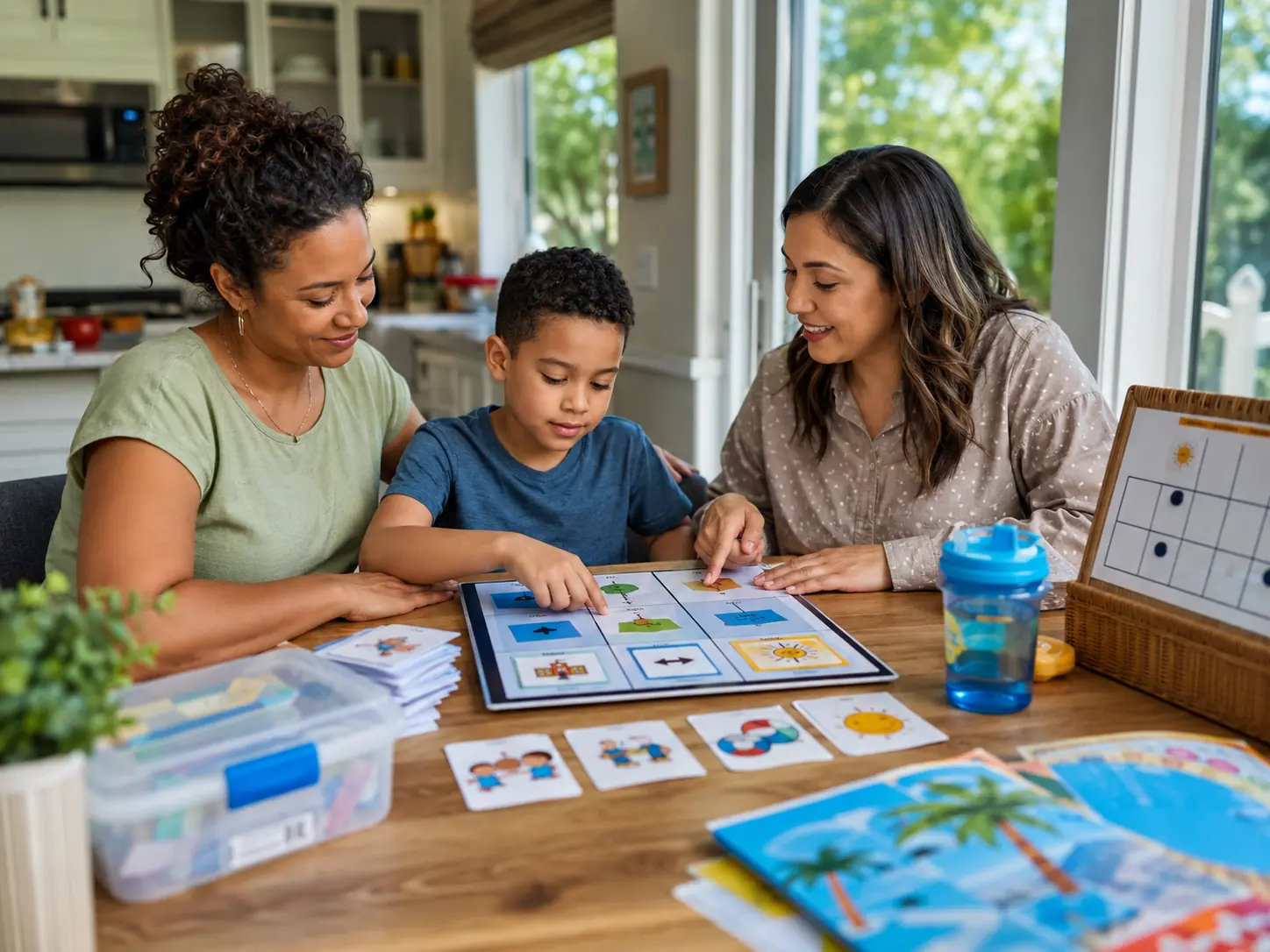
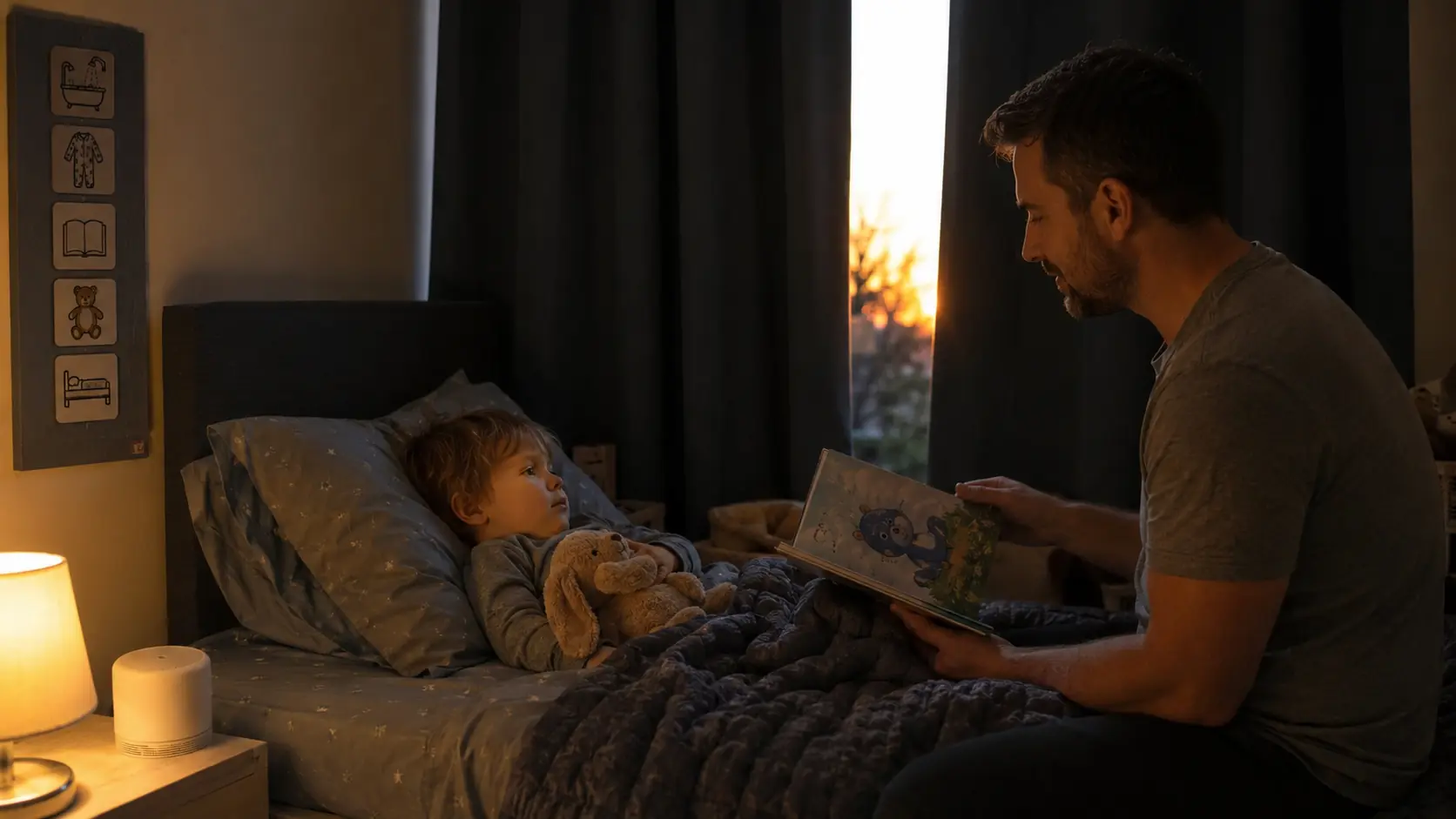
- Practicing a visual schedule for morning arrival.
- Building the ability to wait, take turns, and follow group routines.
- Strengthening functional communication: asking for help, commenting, and responding to peers.
Support Strategies in Practice
Common classroom tools include:
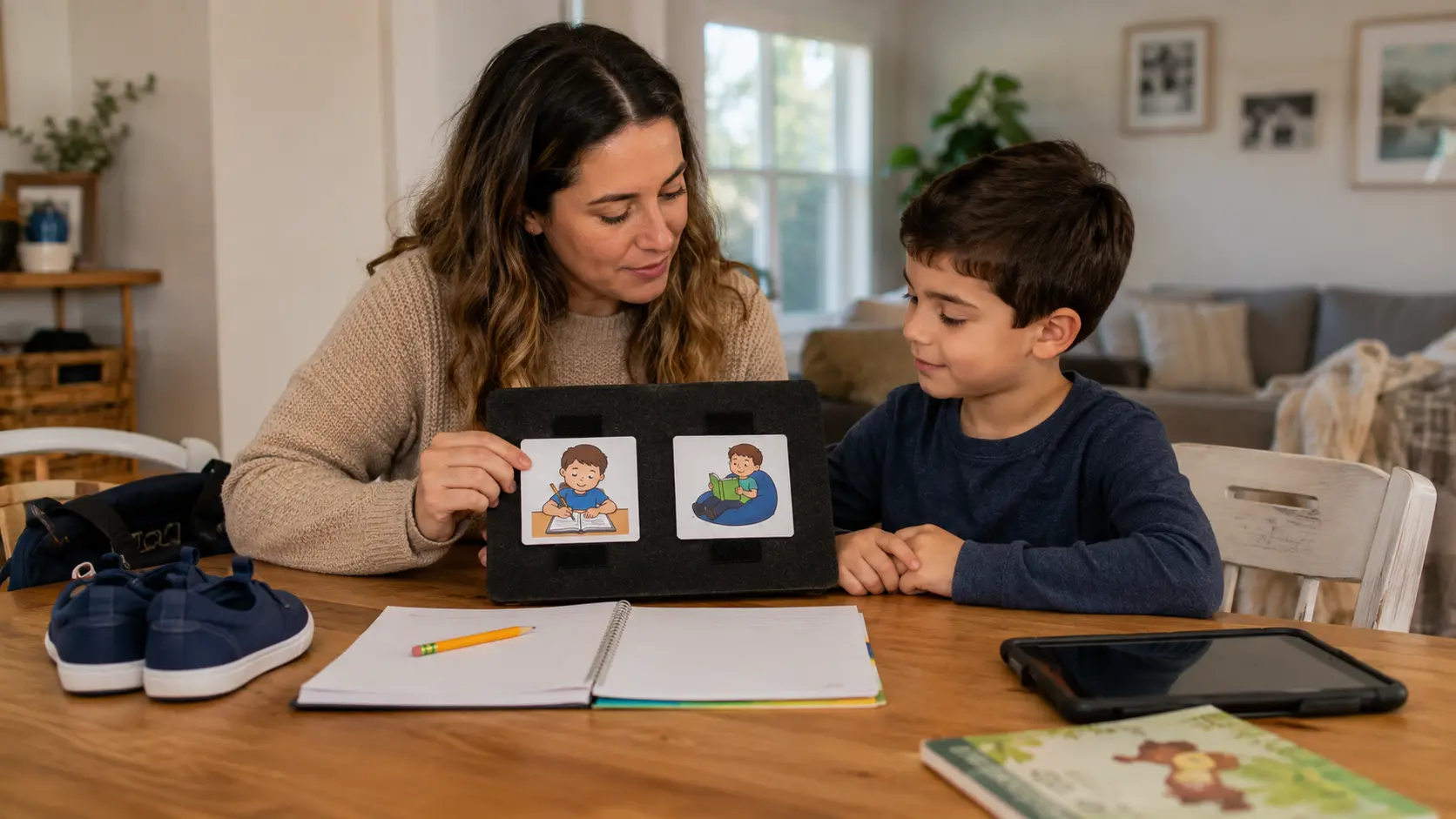
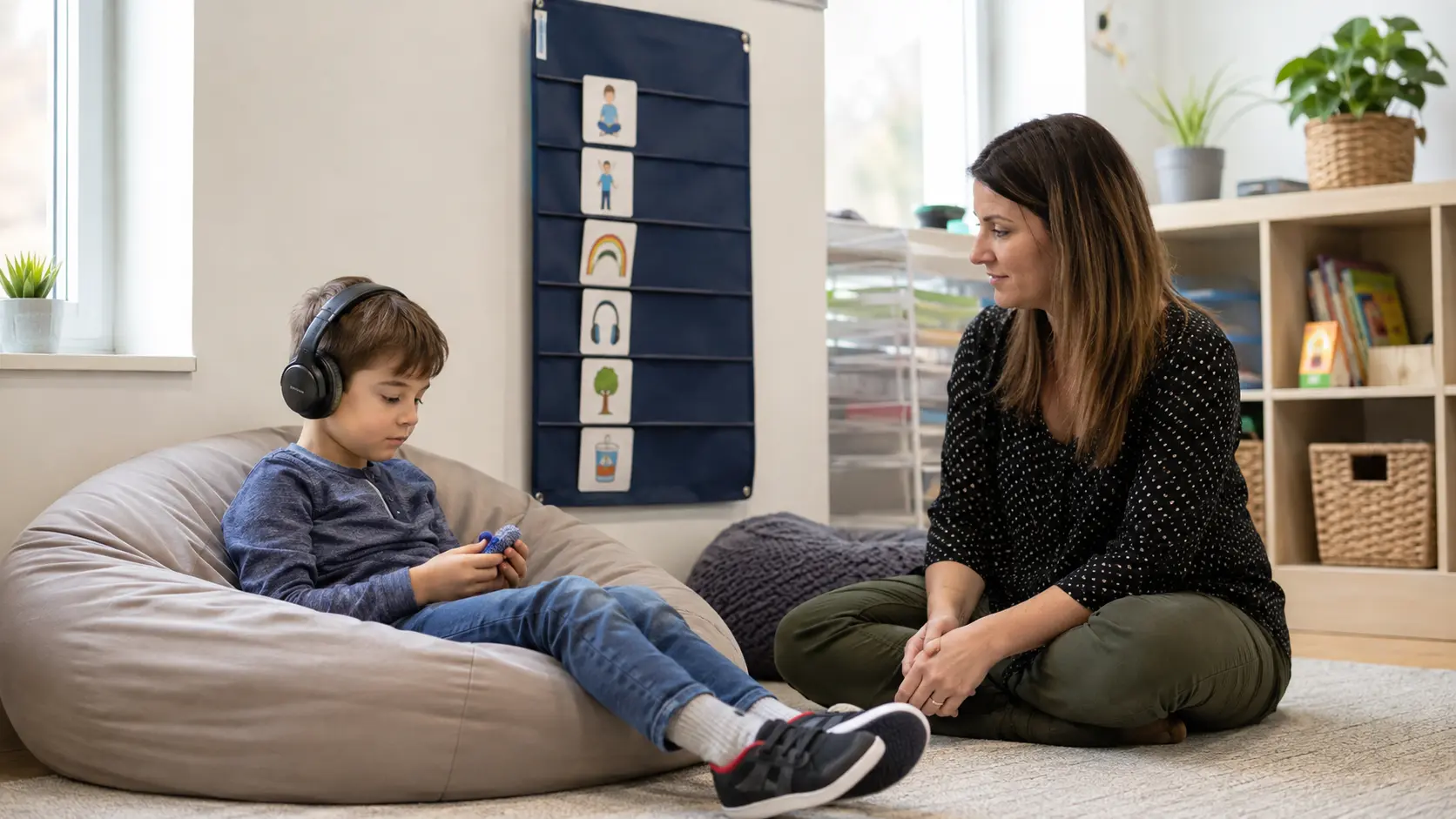
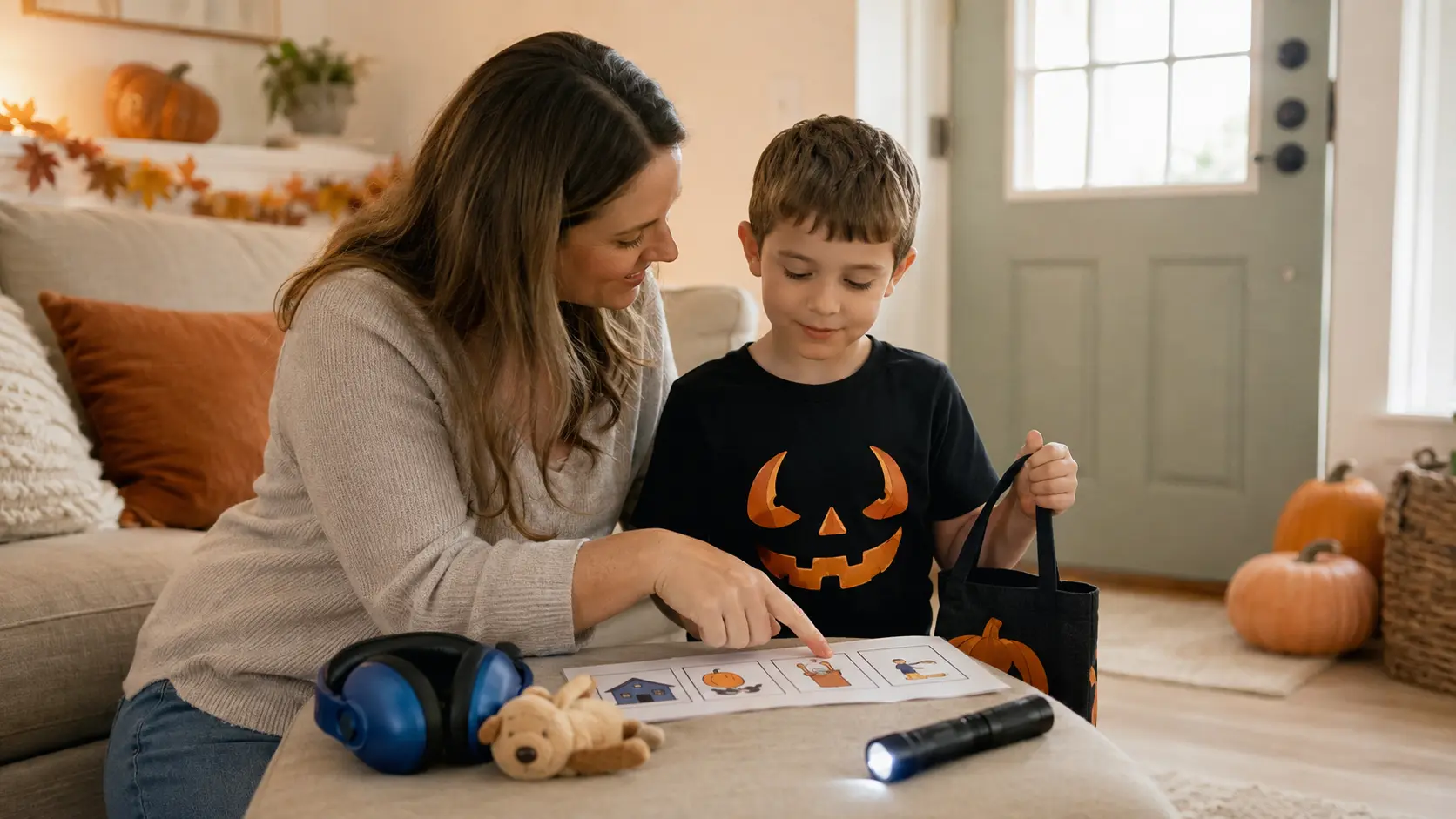
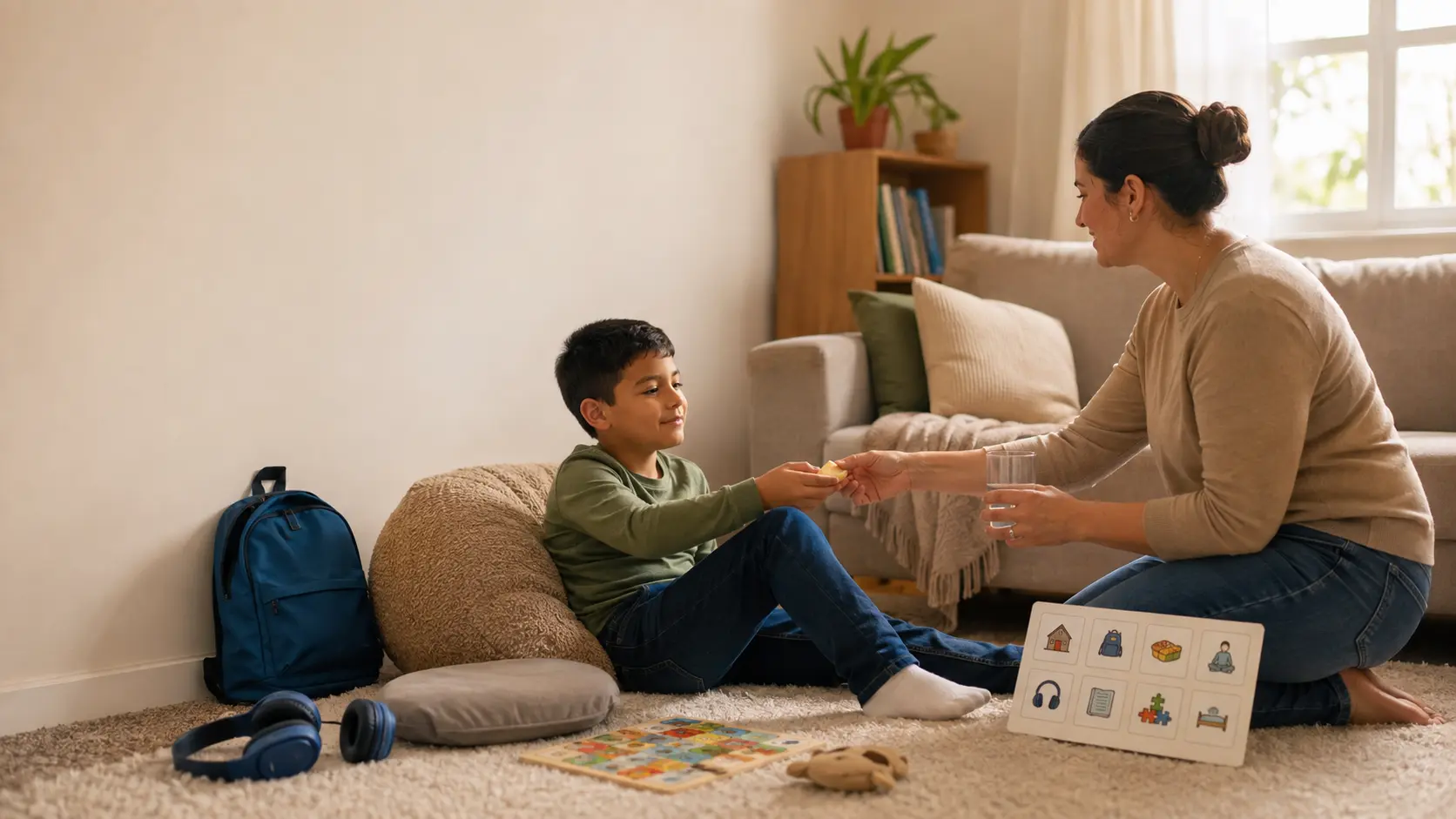
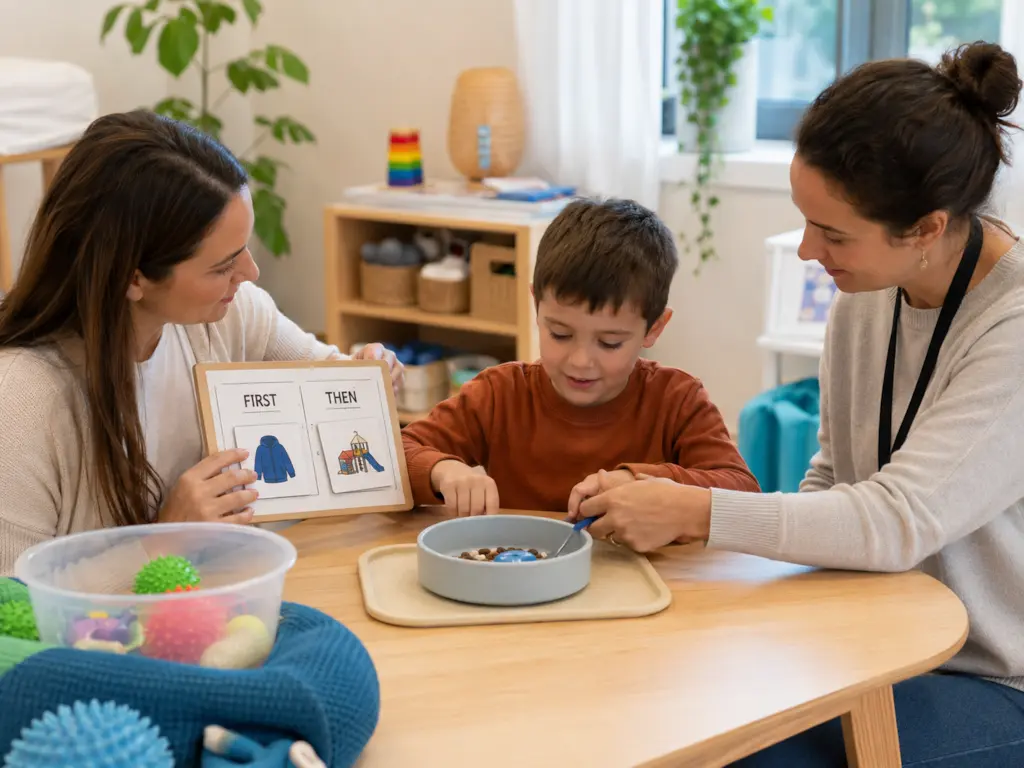
- Visual supports: First/Then boards, schedules, task sequences.
- Prompting hierarchies: Least-to-most support, fading prompts over time.
- Reinforcement systems: Praise, token boards, choice time, and preferred activities.
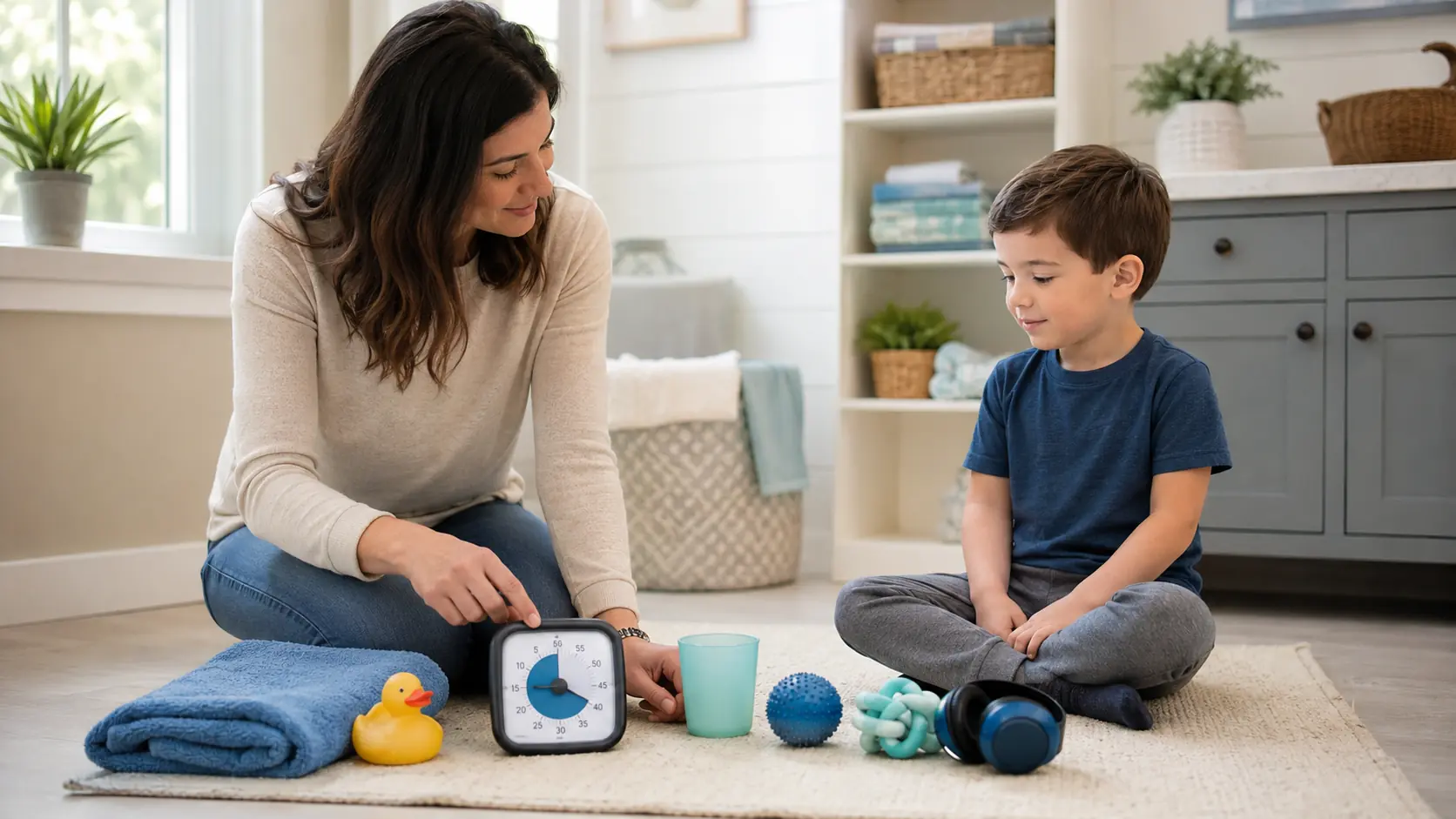
- Regulation supports: Break cards, calm corners, and sensory tools (often coordinated with OT).
ABA Preschool Program Basics
For younger children, an ABA preschool program often integrates behavioral strategies into play-based and routine-based learning—the natural context of early childhood development.
Common focus areas:
- Circle time: Attending, waiting, taking turns, and following group directions.
- Transitions: Visual cues, countdowns, and predictable sequences.
- Peer play: Structured turn-taking, sharing, and reciprocal interaction.
- Communication woven into routines: Snack requests, greeting peers, and choice-making.
After-School ABA Therapy: Making It Work with School
Many families use after-school ABA therapy through a private provider while also receiving school-based supports. This can be powerful—but only if it’s coordinated well.
Generalization, Consistent Goals, and Avoiding Burnout
The point of learning a skill is using it across settings. A child who requests breaks in the clinic but cannot do it at school hasn’t fully generalized that skill.
To make it work:
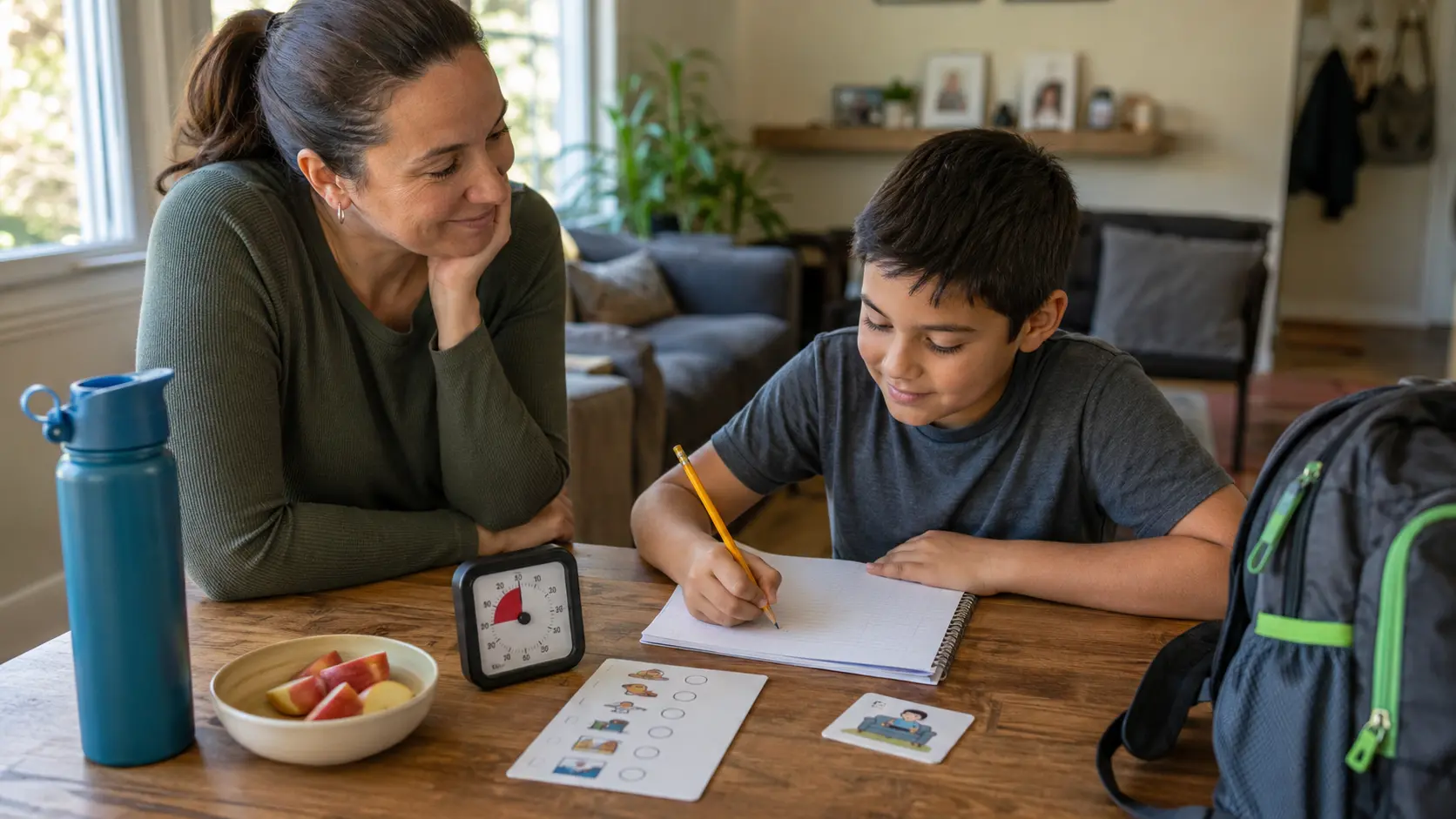
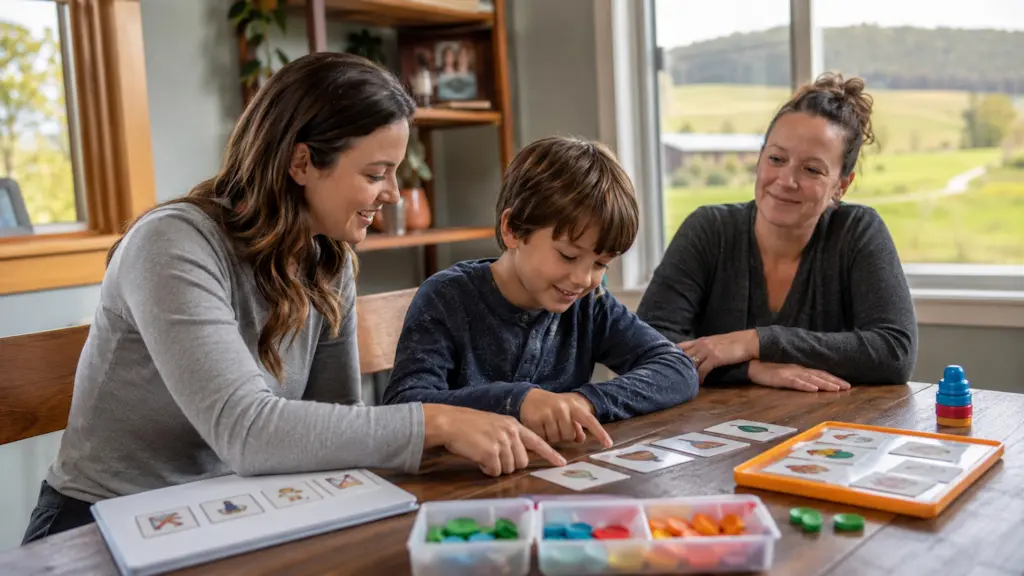
- Share goals and strategies across settings (home/clinic/school).
- Avoid back-to-back intensive therapy after a full school day (fatigue matters).
- Compare data across settings (school notes + therapy data).
- Build in rest and free play.
How Parents Can Coordinate With Teachers (Practical Steps)
This is where most progress either accelerates or stalls.
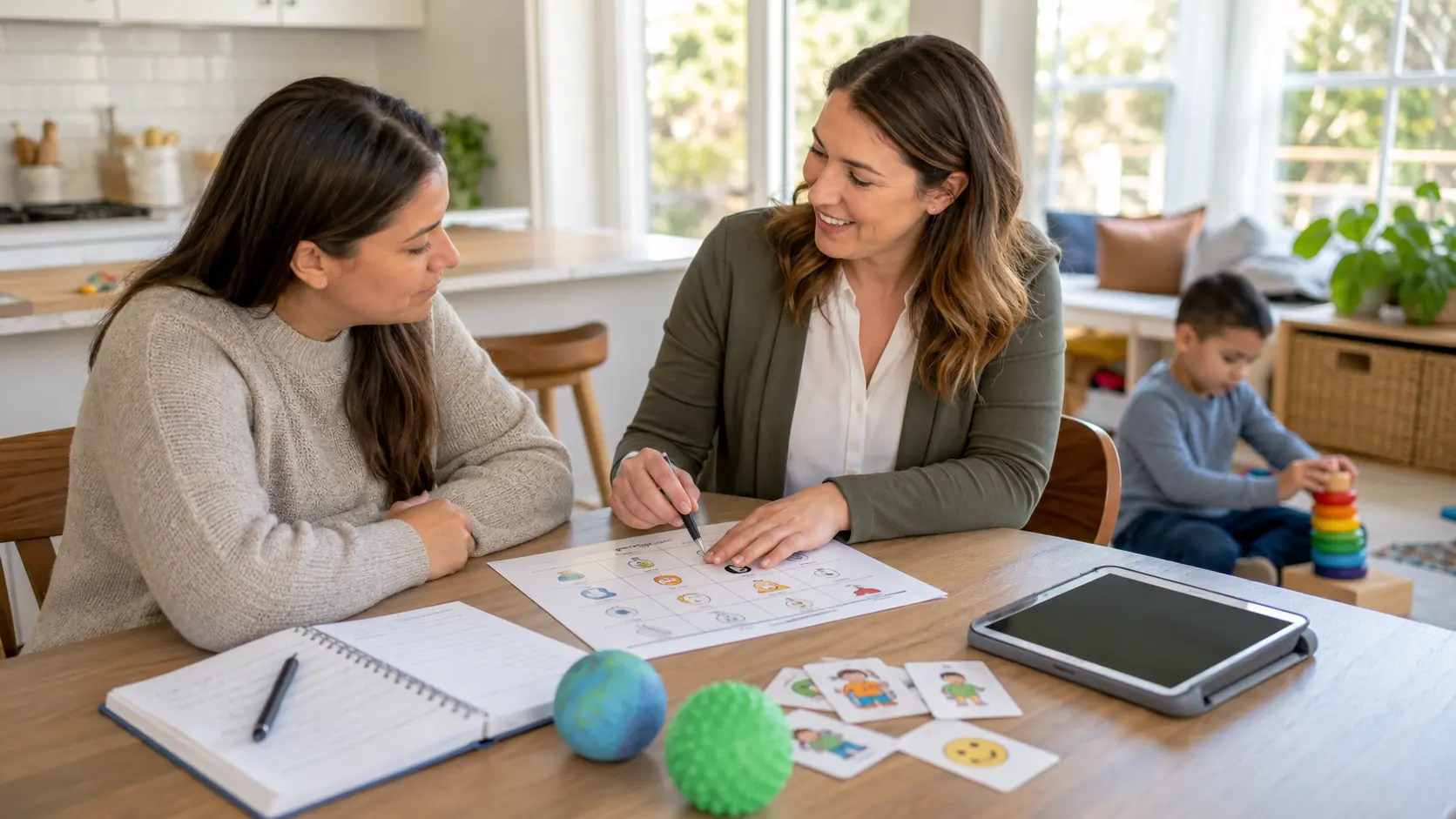
- Create a One-Page “Support Snapshot”: Give the teacher and aide something simple they can use, including best motivators, triggers, early signs of escalation, and communication methods.
- Align on 2–3 Priority Goals (Not 10): School teams do better when goals are focused, such as "Request a break appropriately" or "Follow 2-step directions."
- Agree on Consistent Language: Small wording differences can confuse kids. Align phrases like “First work, then break” or “Hands down.”
- Decide How Data Will Be Shared: Ask for a simple system like daily/weekly notes or a monthly graph update.
- Set a Communication Rhythm: A simple plan, such as a quick weekly email check-in, prevents gaps.
- Coordinate With Consent and Boundaries: Clarify what forms are needed for the school and private team to share information.
Ethical, Child-Centered ABA at School
ABA has evolved, and quality matters. High-quality, ethical ABA at school should:
- Prioritize dignity, comfort, and assent.
- Focus on functional skills—not compliance for its own sake.
- Use the least restrictive strategies before anything more intensive.
- Involve parents as partners in goals and planning.
- Be culturally responsive and family-centered.
- Avoid suppressing natural behaviors unless there is a clear safety or functional reason.





.webp)
.webp)
.webp)
.webp)
.webp)




.jpg)
.webp)

.webp)
.webp)




%20During%20Play%20in%20the%20Home.webp)