
Autism therapy is a broad term that covers a range of therapeutic and developmental supports designed to help young children, typically toddlers and preschoolers, build communication, social, and everyday living skills. This includes speech therapy, occupational therapy, behavioral supports, and structured coaching for parents and caregivers.
Early intervention autism services, in many places, are available based on a child’s developmental needs. If your child is showing developmental differences, you can often access services while the evaluation process is still underway.
That matters more than most parents realize. Waiting for a confirmed diagnosis before seeking support can mean months of delay, which can be critical during early development.
Why Early Intervention Matters
The first few years of a child’s life are a time of extraordinary brain growth and flexibility. Connections between brain cells are forming at a remarkable pace, and the experiences a child has during this period—including the therapeutic support they receive—can shape how those connections develop.
According to the National Institute of Child Health and Human Development (NICHD/NIH), early diagnosis and early intervention are associated with improved outcomes for autistic children, and autism can sometimes be reliably identified before a child reaches age two.
The CDC (Centers for Disease Control and Prevention) notes that behavioral approaches have strong evidence for supporting skill-building in autistic children and that early supports can help children develop communication, adaptive, and social skills over time.
Early Signs Parents Might Notice
Every autistic child is different, and no two children present in exactly the same way. The signs that sometimes appear and that may be worth discussing with your child’s doctor include:
Social Communication and Connection
- Limited or inconsistent eye contact
- Not responding to their name by 12 months
- Not pointing to share interest in things (like pointing at a bird or a toy) by 14 months
- Limited back-and-forth interaction
- Reduced facial expressions in social moments
Language and Communication
- No single words by 16 months
- No two-word phrases by 24 months
- Loss of previously used words or language skills at any age
- Difficulty following simple directions
- Speaking in an unusual tone, rhythm, or way
Play and Routine
- Strong preference for repetitive play or routines
- Significant distress when routines change unexpectedly
- Playing with toys in unusual, repetitive ways
- Limited pretend play or interest in playing alongside other children
Sensory Responses
- Unusual sensitivity to sounds, lights, textures, or smells
- Seeking out intense sensory experiences—spinning, crashing, or mouthing objects
- Covering ears, avoiding certain foods or fabrics, or becoming overwhelmed in busy environments
Getting Support Without Waiting
Your child’s pediatrician is your first and most important ally. The American Academy of Pediatrics (AAP) recommends that all children receive autism-specific developmental screening at their 18-month and 24-month well-child visits, in addition to general developmental screening at 9, 18, and 30 months.
If you have concerns before those appointments, you don’t have to wait. Call and ask to discuss them now. Be prepared with some necessary information:
- Specific examples of what you’ve noticed and when
- Videos on your phone of behaviors you want to share
- Notes about when behaviors started, how frequent they are, and what situations seem to trigger them
This information helps the pediatrician refer your child for a developmental evaluation and connect you with early intervention services in your area.
What an Evaluation Can Look Like
Many parents feel anxious about the idea of an evaluation, picturing something formal and clinical. In practice, evaluations for toddlers are designed to be as comfortable and natural as possible.
A developmental evaluation may include:
- Developmental history: Your evaluator will ask about birth milestones, medical history, family history, and specific concerns.
- Structured observation: A clinician will observe your child at play and during structured activities to see how they communicate and interact.
- Questionnaires and rating scales: You will likely complete standardized questionnaires about what you see at home.
- Input from multiple sources: Many evaluations gather information from parents, childcare providers, or teachers to get a full picture.
Autism Therapy for Toddlers
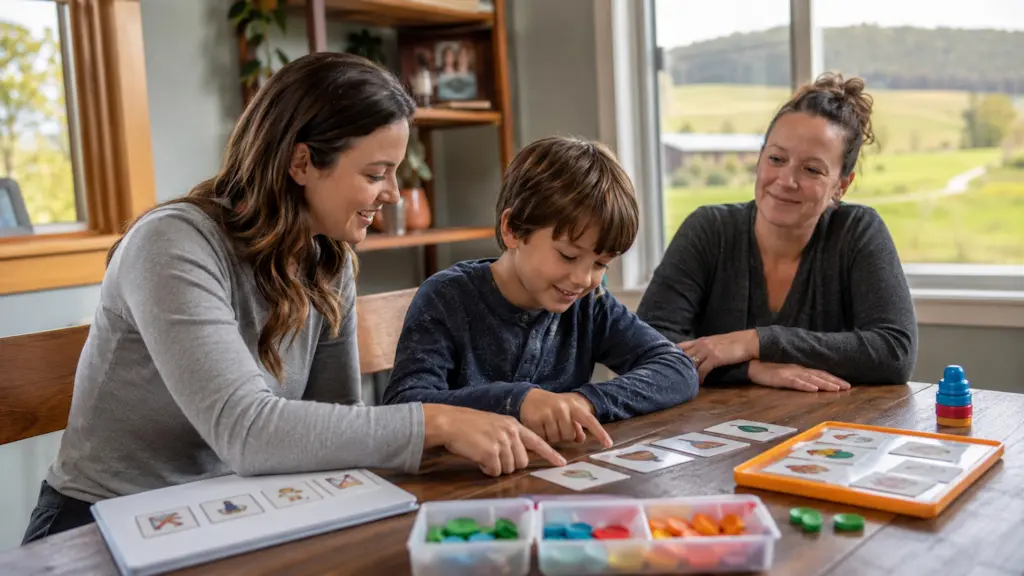
Once your child is connected with early intervention services, several therapy types are commonly used. These can often be delivered in your home, a clinic, or your child’s childcare setting.
Speech-Language Therapy
Speech therapy for autistic toddlers goes beyond teaching words. A speech-language pathologist (SLP) can support:
- Building early language and vocabulary
- Developing social communication (eye contact, turn-taking, joint attention)
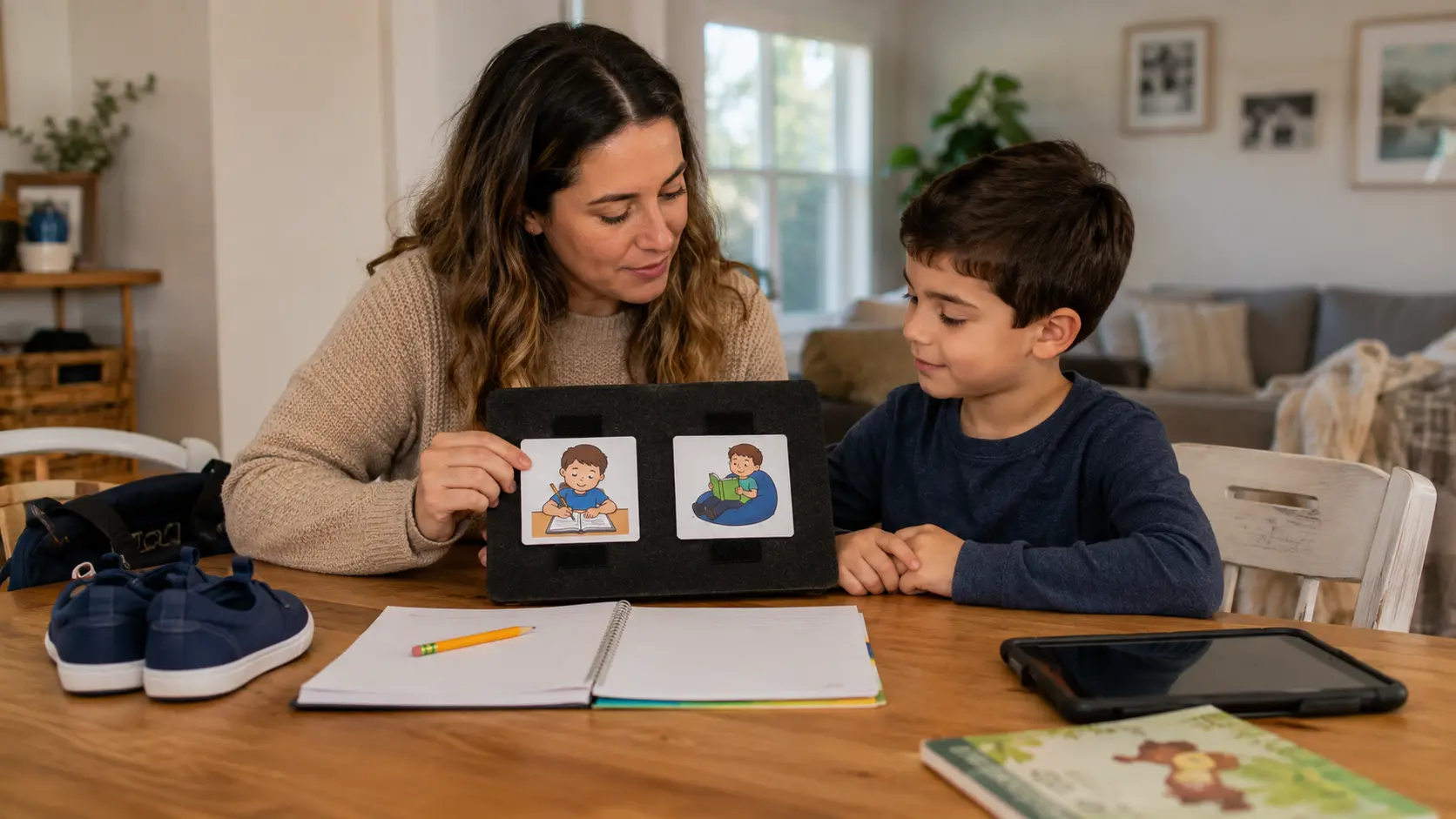
- Introducing Augmentative and Alternative Communication (AAC) tools—picture boards, communication apps, or speech-generating devices
- Supporting understanding of language
Occupational Therapy
Occupational therapy (OT) focuses on the everyday skills that help children participate in daily life. An occupational therapist can help with:
- Sensory processing: Learning to manage sensitivities or seek sensory input safely.
- Fine motor skills: Holding utensils, drawing, or using zippers.
- Self-care skills: Eating, dressing, and toileting.
- Play skills and transitions.
Behavioral Supports
Behavioral approaches focus on teaching skills and reducing barriers to learning by looking at what happens before a behavior (triggers), the behavior itself, and what happens after (reinforcement).
Applied Behavior Analysis (ABA) is one well-known behavioral approach. When ABA is delivered in a child-centered, play-based, neurodiversity-affirming way, it typically focuses on:
- Building functional communication
- Strengthening adaptive/life skills
- Teaching replacement skills for behaviors that interfere with learning or safety
- Supporting generalization so skills carry over across home, school, and community settings
Parent-Mediated Coaching
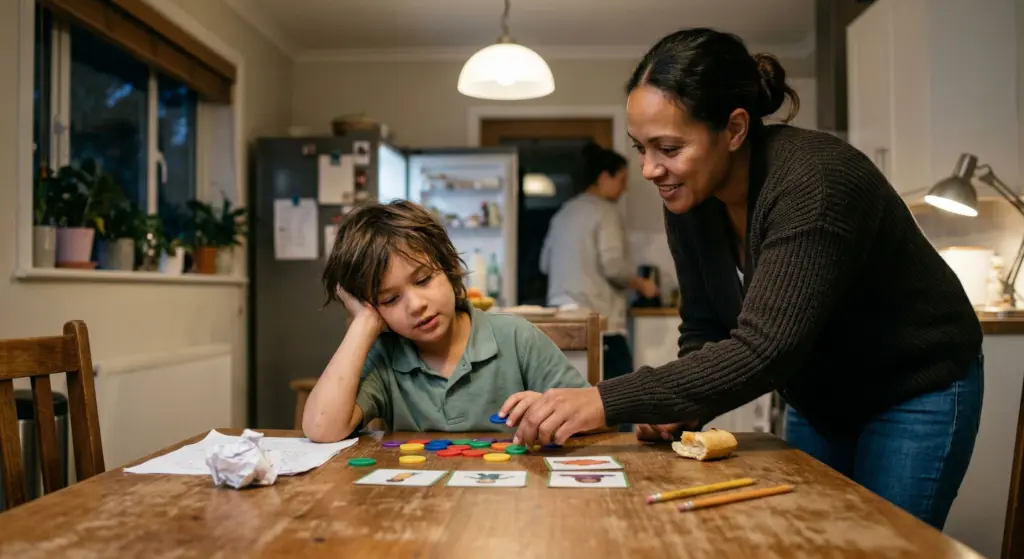
The World Health Organization (WHO) has highlighted the value of caregiver skills training. Parent-mediated intervention programs teach caregivers strategies to support communication and engagement during the natural flow of everyday life—during bath time, meals, play, and bedtime.
What Parents Can Do Now
You don’t have to wait for a therapy appointment to begin supporting your child.
Parent Action Checklist
- Contact your pediatrician: Share your concerns and ask for a developmental screening or referral.
- Keep a simple observation log: Jot down what you notice, when, and in what situations.
- Record short videos: Capture the behaviors you want to discuss with your doctor or evaluator.
- Contact your local early intervention program.
- Follow your child’s lead in play: Sit at their level and watch what interests them.
- Narrate your day simply: Use clear, short phrases to describe what you’re doing together.
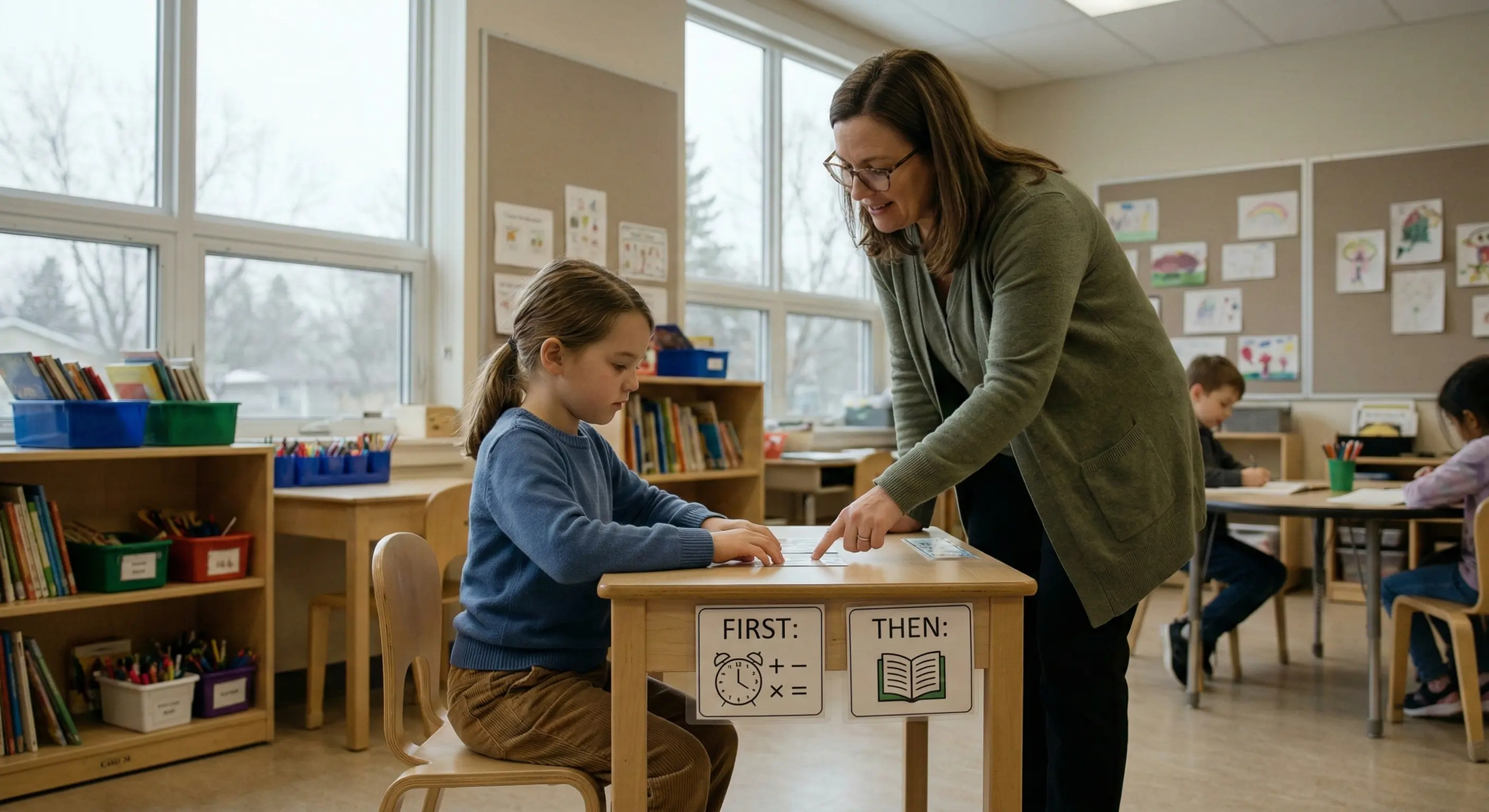
- Create predictable routines: Consistent daily routines can reduce anxiety and help children feel safe.
- Reduce sensory overwhelm: Notice what seems hard for your child and adjust the environment.
- Ask for help: Connect with a parent support group or a trusted therapist.
When to Seek Professional Help Urgently
Most developmental concerns can be addressed through a scheduled conversation with your pediatrician. However, some situations require quicker input:
- Any loss of previously acquired skills: If your child has stopped using words or reduced eye contact, contact your pediatrician promptly.
- Safety concerns: If your child is engaging in behaviors that put them or others at risk.
- Significant distress: If your child seems chronically overwhelmed or is struggling to sleep, eat, or function.














.webp)


.webp)

.webp)
.webp)
.webp)







.jpg)

.webp)

.webp)
.webp)









%20During%20Play%20in%20the%20Home.webp)