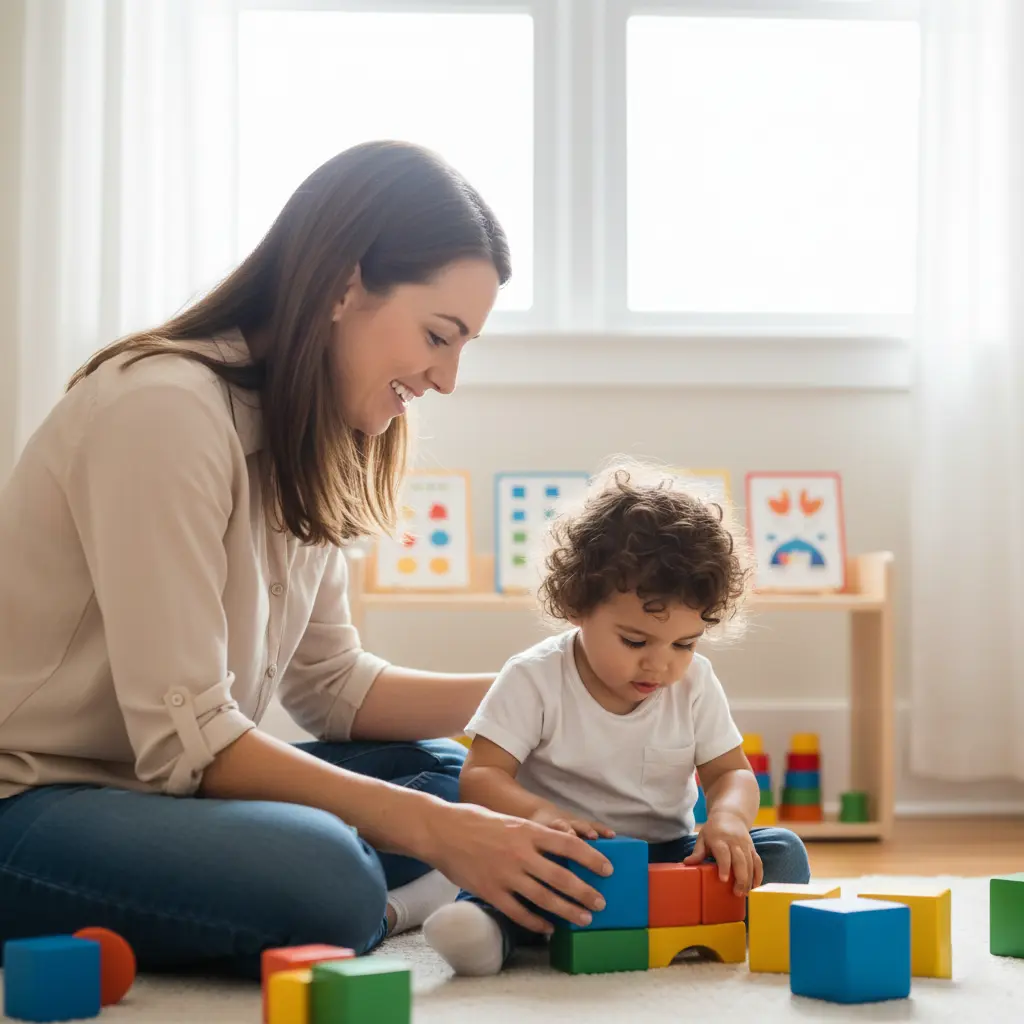
ABA is one of the most discussed—and least understood—terms in the world of autism support and child development. Some parents have heard strong opinions (both for and against). Others are encountering it for the first time and aren’t sure what it involves.
Applied Behavior Analysis Definition
Applied Behavior Analysis (ABA) is a science-based approach to understanding why behaviors happen and using that understanding to teach meaningful, real-life skills.
What the words mean:
- Applied means it’s used in real life—not just in a lab. ABA targets skills that matter in everyday environments: communicating at school, managing routines at home, playing with a sibling, or asking for help.
- Behavior means any action that can be observed and measured. In ABA, this includes communication (including non-verbal communication), social interaction, self-care routines, learning skills, and responses to the environment.
- Analysis means looking for patterns. Practitioners observe what happens before and after a behavior to understand why it’s happening—then build a plan that fits the individual.
It’s also important to understand what ABA is not. ABA is not a single program, a worksheet, or a rigid curriculum. It’s a flexible, data-informed framework that can be applied in different ways depending on the child, the goals, and the setting.
ABA Reinforcement: More Than Candy
One of the most misunderstood concepts in ABA is reinforcement. ABA reinforcement simply means anything that makes a behavior more likely to happen again. It’s not bribery—and it’s not “only candy.”
Examples:
- A child asks for help, and the adult calmly helps them → getting help reinforces asking.
- A child uses a break card, and the adult grants a short break → relief reinforces using the card instead of escalating.
- A child greets a peer, and the peer smiles back → social connection can be reinforcing.
Reinforces are deeply individual. What motivates one child may mean nothing to another. A quality practitioner takes time to identify what is genuinely meaningful to the child—preferred activities, sensory input, social attention, topics they love, or access to a favorite toy.
Positive vs. negative reinforcement (simple explanation)
- Positive reinforcement: Something is added after a behavior to increase it (praise, a preferred activity, a token, attention).
- Negative reinforcement: Something unpleasant is removed after a behavior to increase it (for example, allowing a break from a difficult task after the child appropriately requests one). Negative reinforcement is not punishment. It’s still reinforcement because it increases a skill or behavior.
How Does ABA Work? A Step-by-Step Look
ABA is a process, not a single session or a fixed program. Here’s how it typically unfolds when a child begins services:
- Step 1: Identify a Meaningful Goal The starting point should be a goal that matters to daily life, such as requesting a break before frustration escalates or building independence in a morning routine.
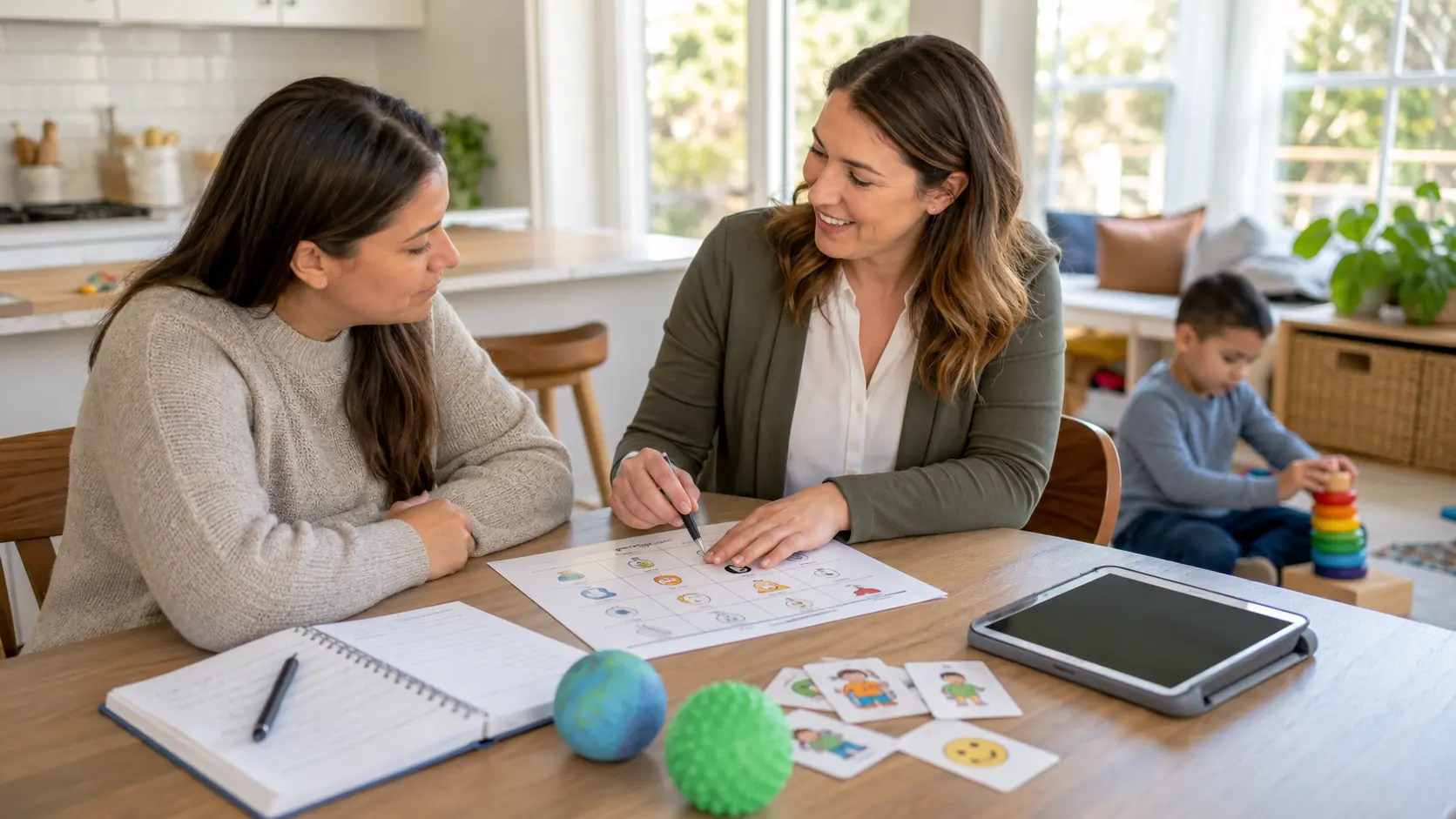
- Step 2: Assess What’s Happening Now The practitioner gathers information through observation and interviews. They look at what happens right before the behavior (triggers) and what happens right after (consequences). This often includes a Functional Behavior Assessment (FBA).
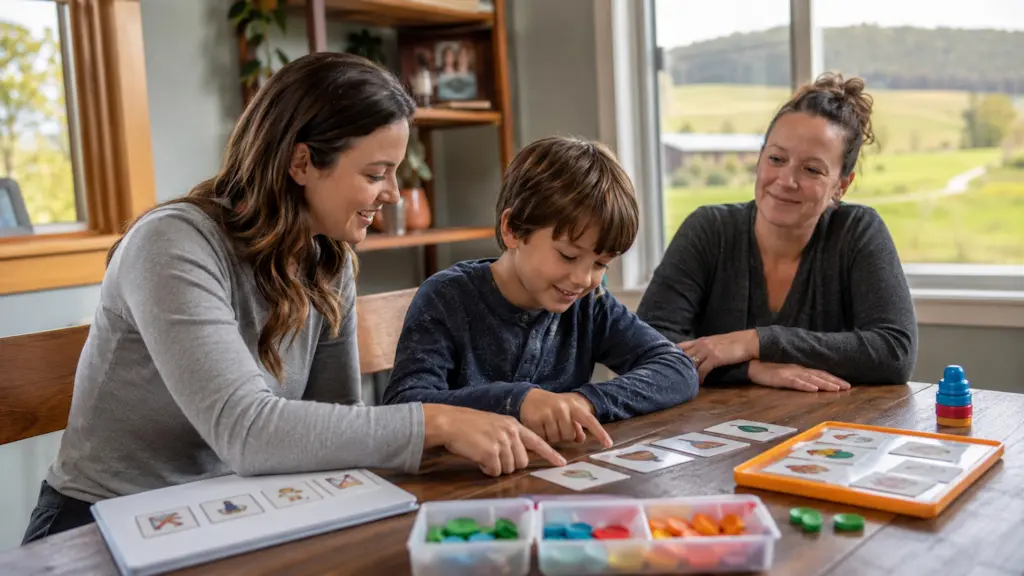
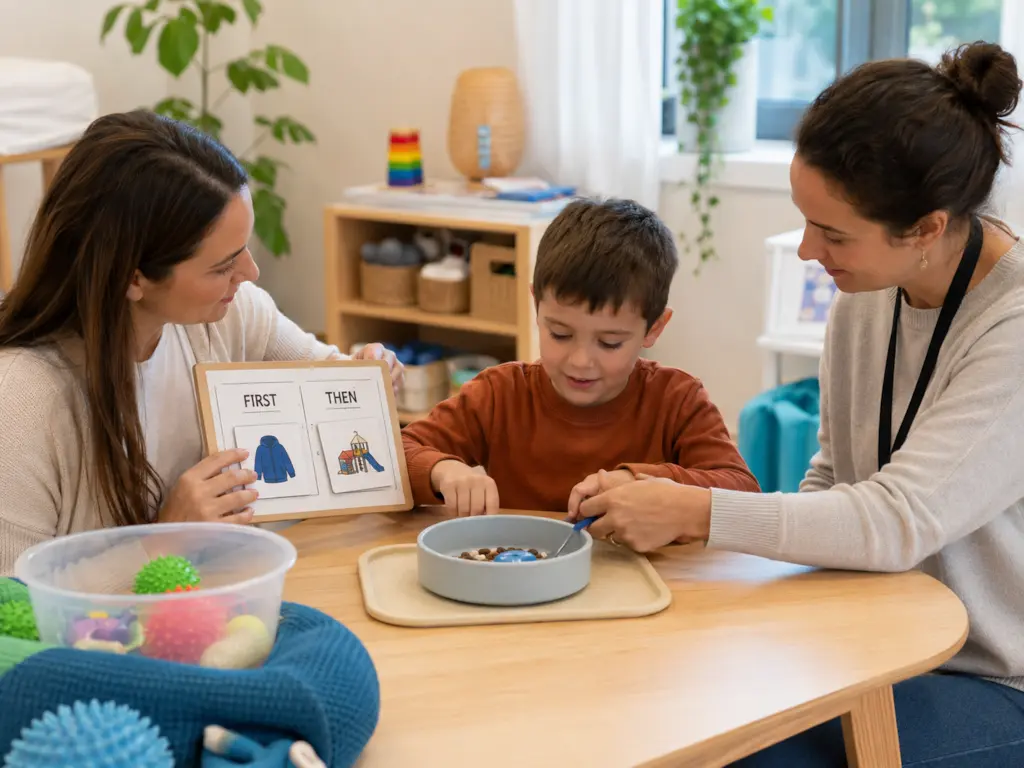
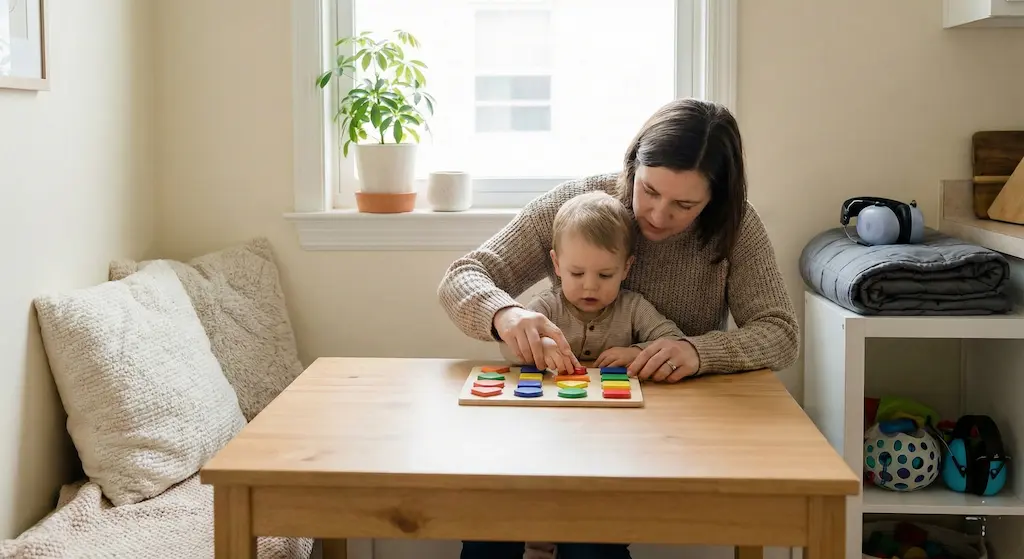
- Step 3: Teach in Small Steps with Prompts Skills are broken into manageable parts. Practitioners use verbal cues, gestures, visual supports, modeling, or physical guidance.
- Step 4: Reinforce Success and Gradually Fade Support When the child performs the skill, reinforcement follows. Over time, prompts are systematically reduced (“faded”) so the child becomes independent.
- Step 5: Track Data and Adjust the Plan Practitioners collect simple data (tallies, percentages) to see what’s working. If a strategy isn’t helping, the plan is adjusted.
What ABA Can Look Like in Real Life
ABA doesn’t look the same for every child. It should reflect the child’s needs, strengths, and daily environments.
Communication
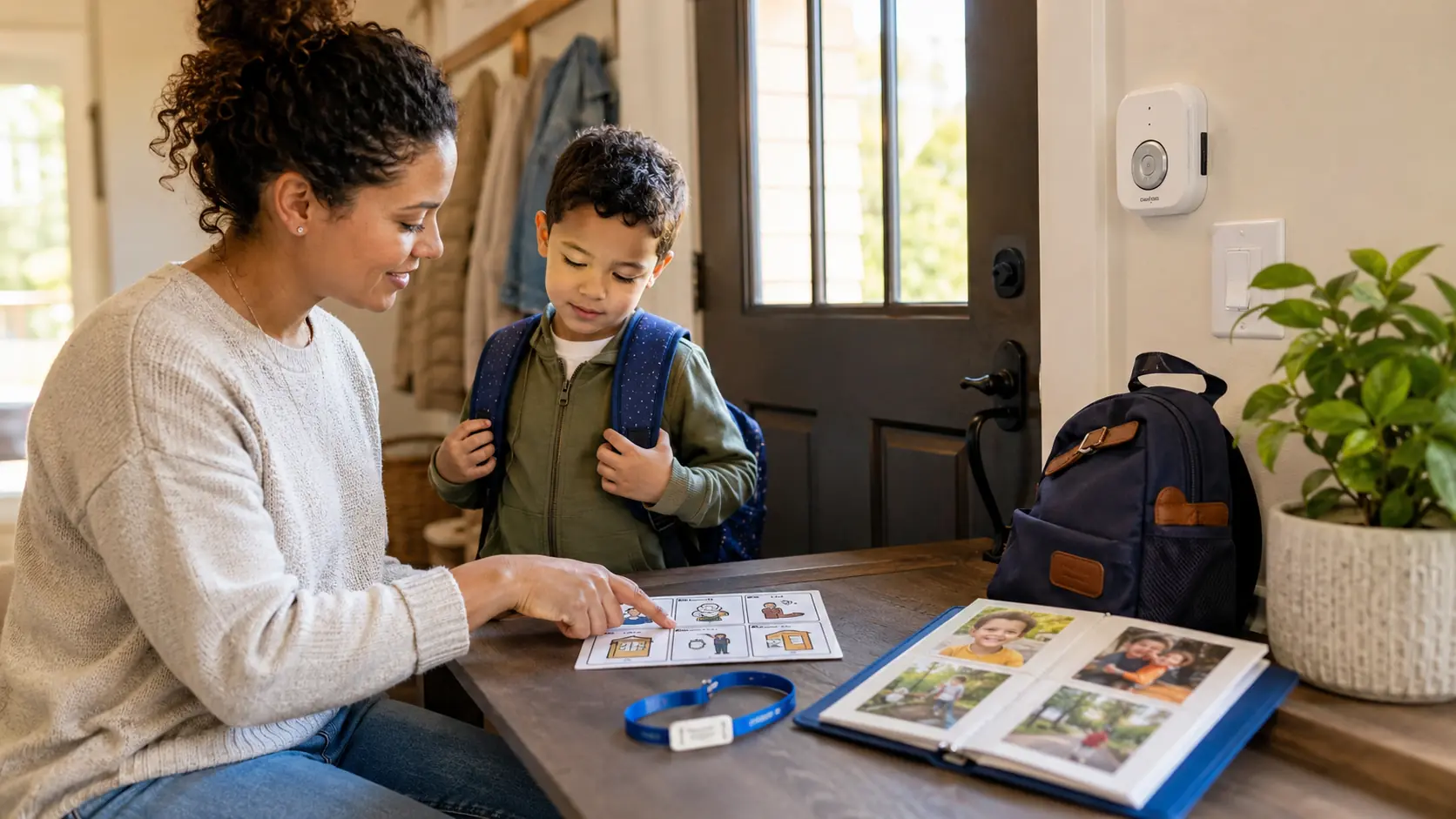
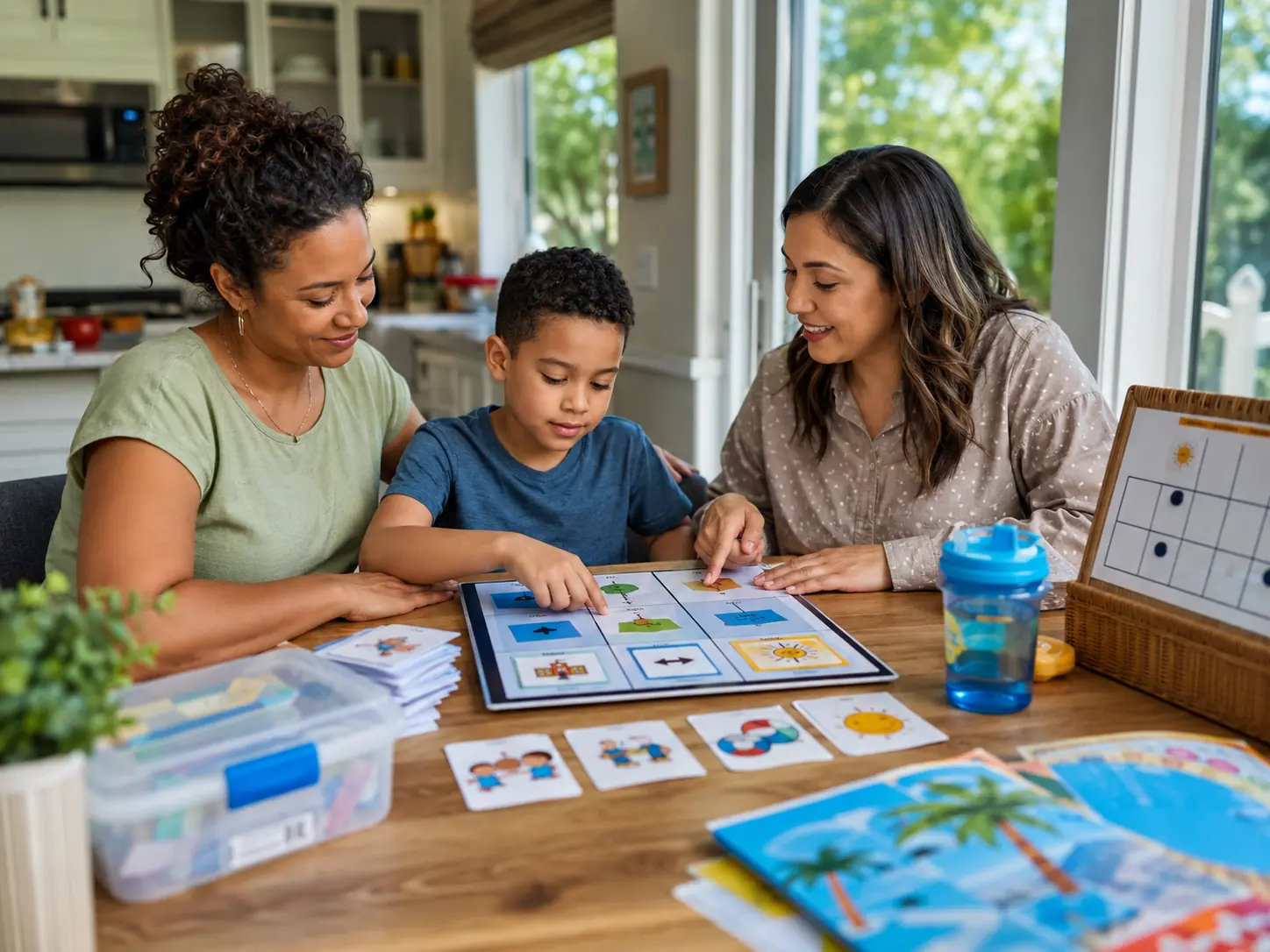
- Using a picture board or AAC device to request a preferred snack.
- Practicing “I need a break” before frustration builds.
- Building joint attention (sharing focus on an object, pointing, commenting).
Daily Living Skills
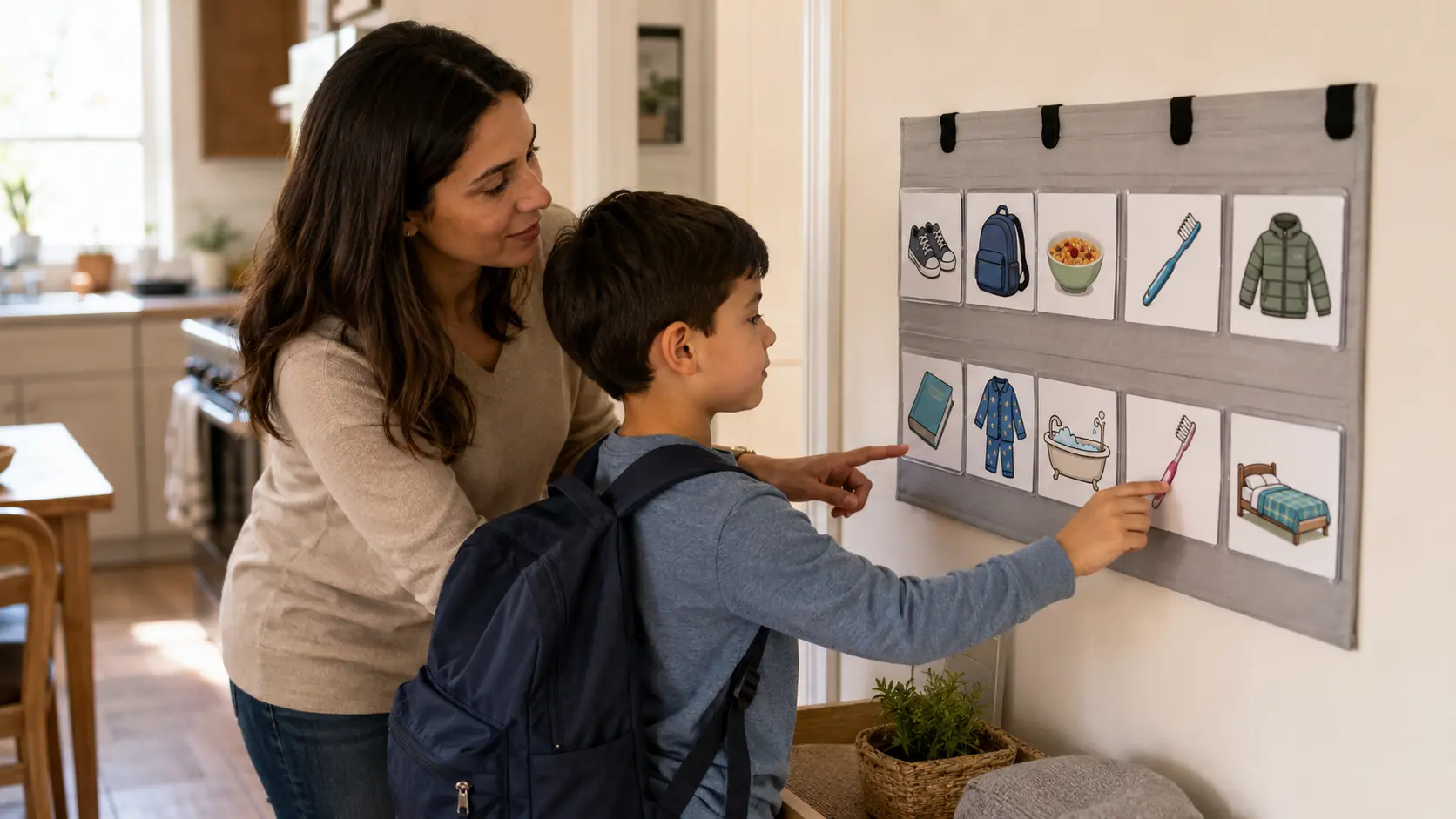
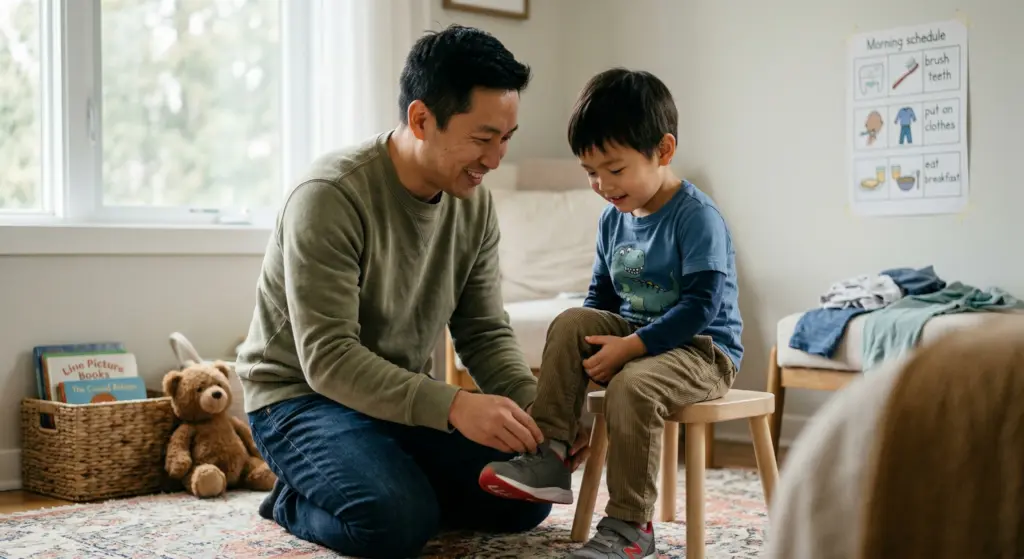
- Following a visual routine for brushing teeth.
- Tolerating hair washing gradually with supports.
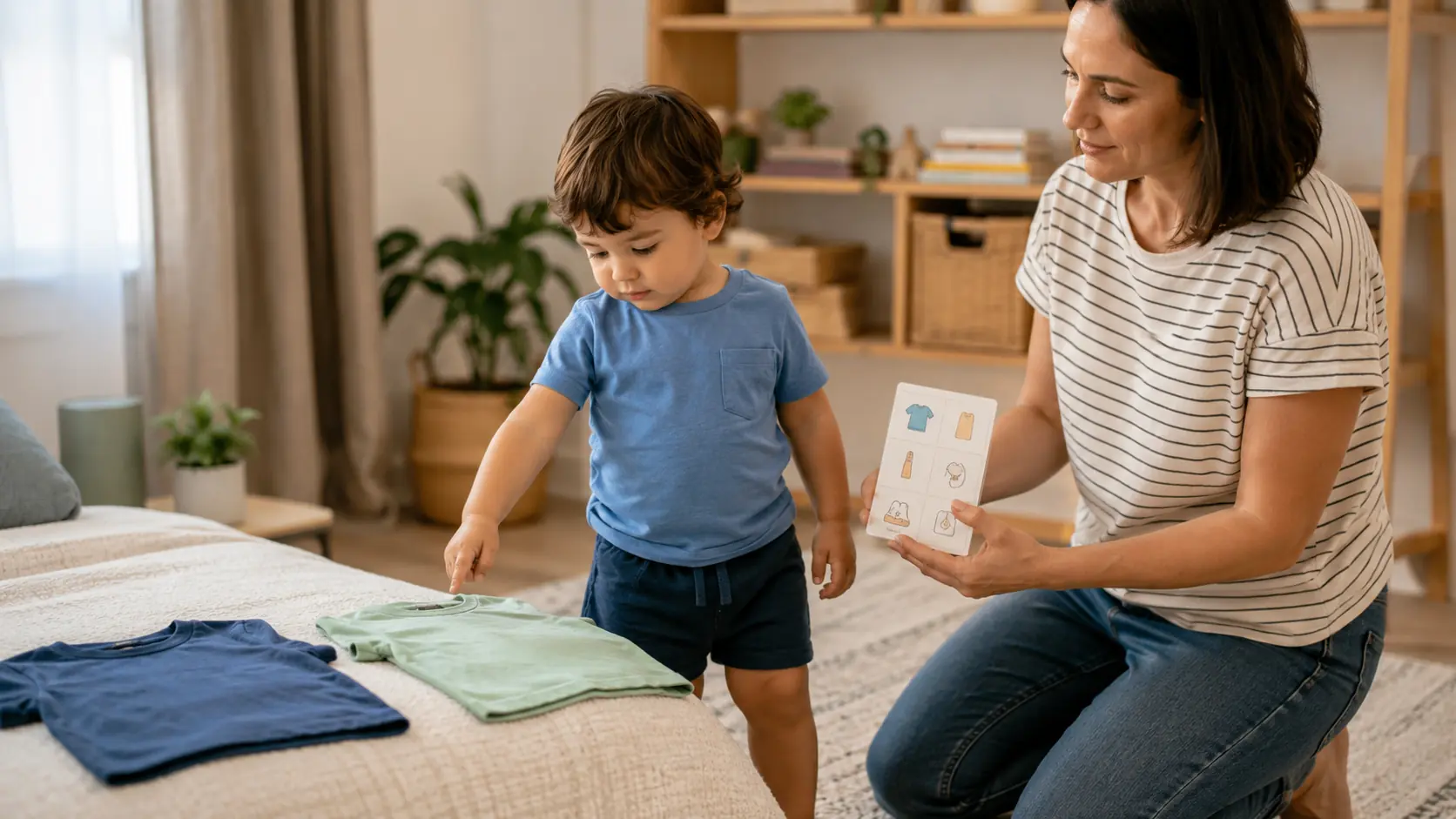
- Dressing independently by starting with one step and building up.
School Skills
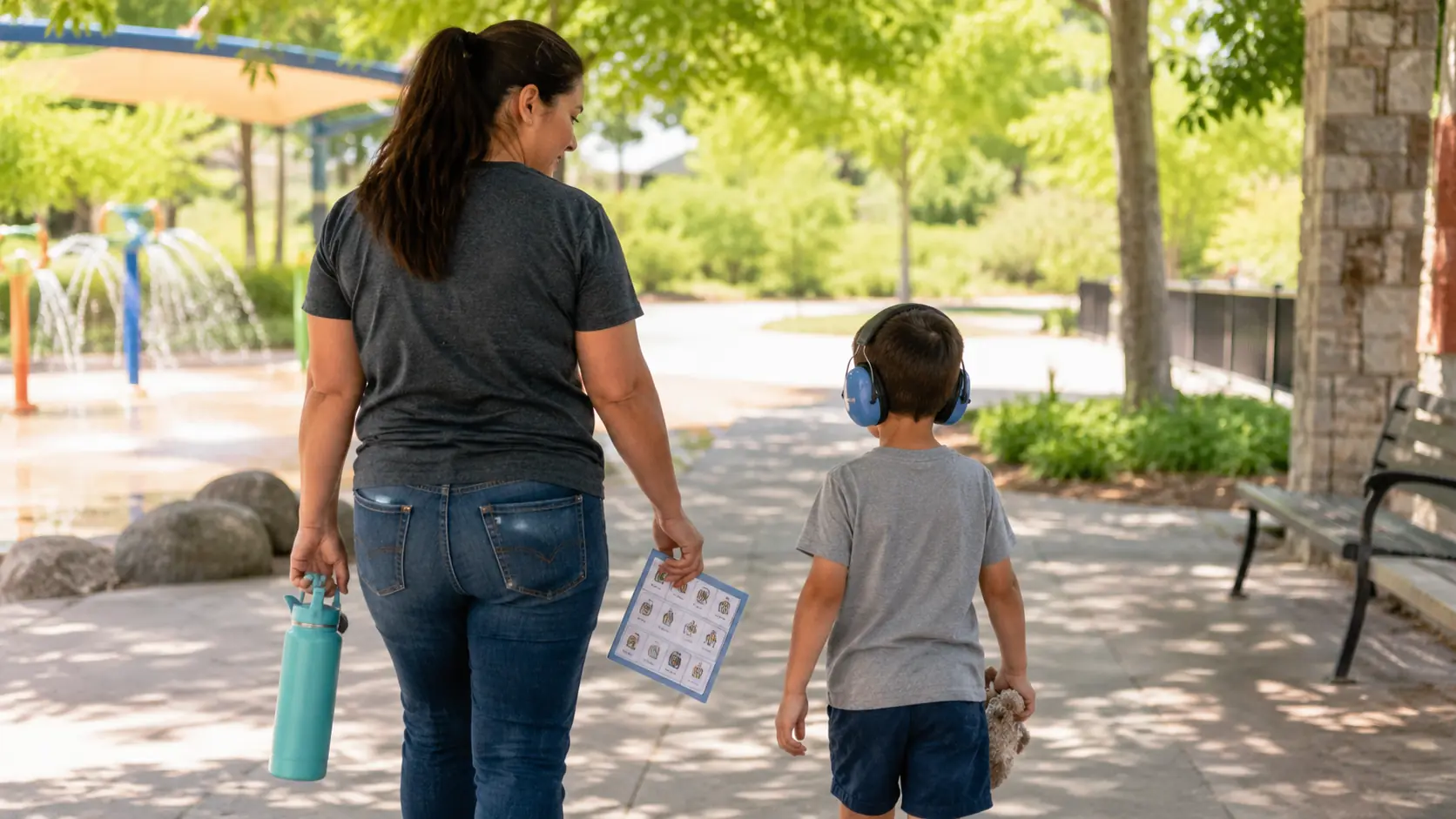
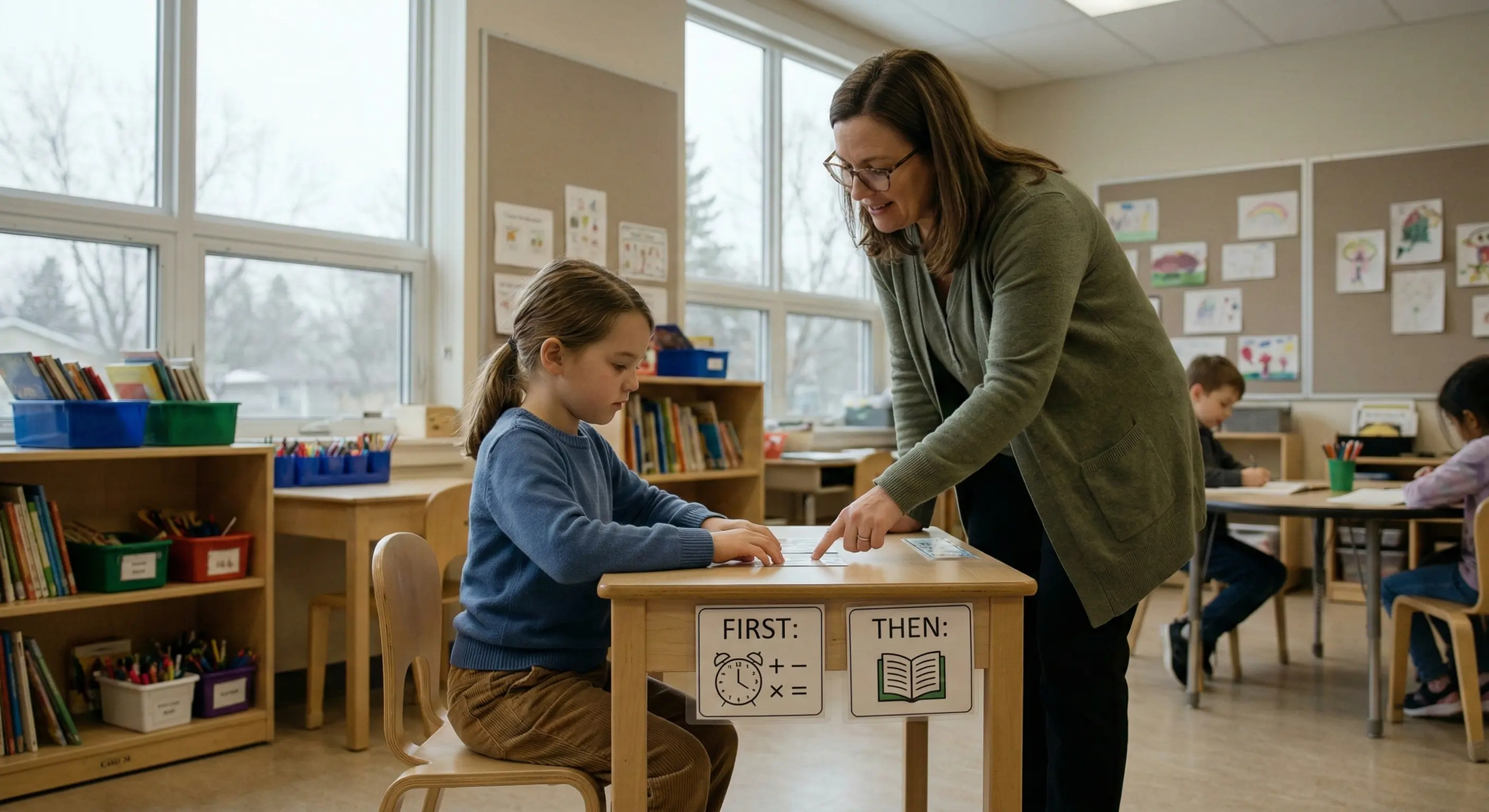
- Transitioning with a visual schedule and countdown.
- Following two-step directions in a small group.
- Practicing peer interaction through structured turn-taking games.
Common ABA Formats
Naturalistic and Play-Based ABA
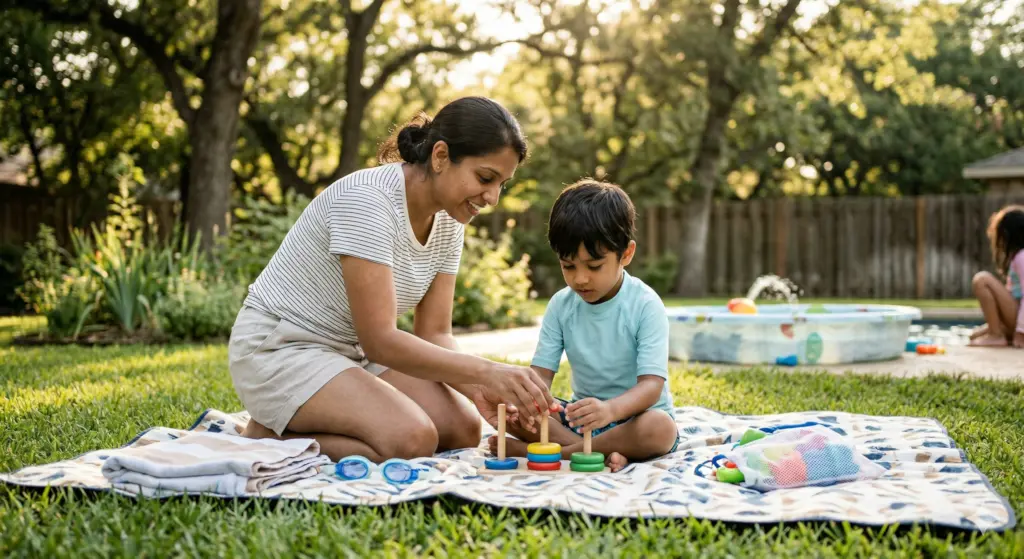
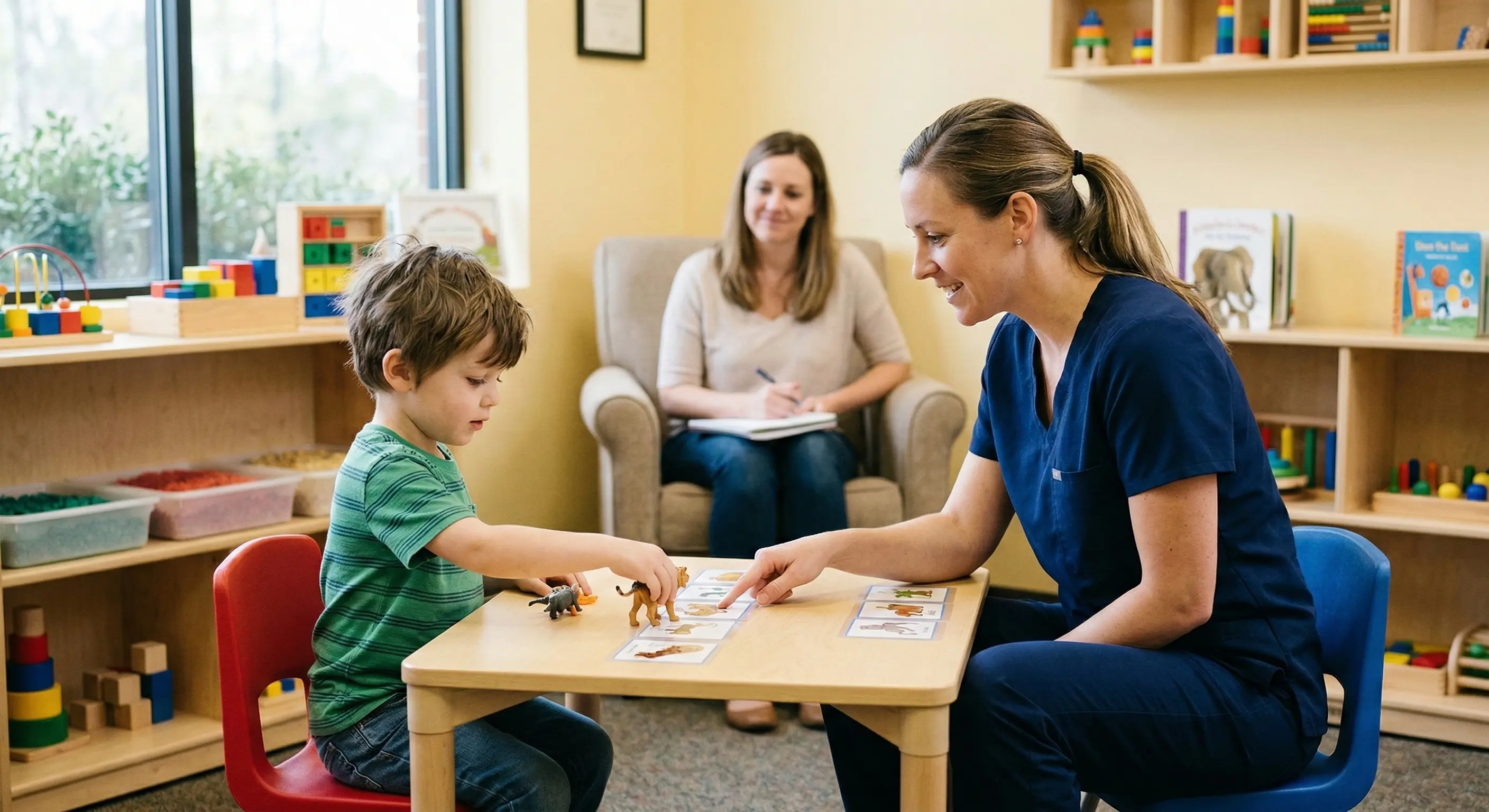
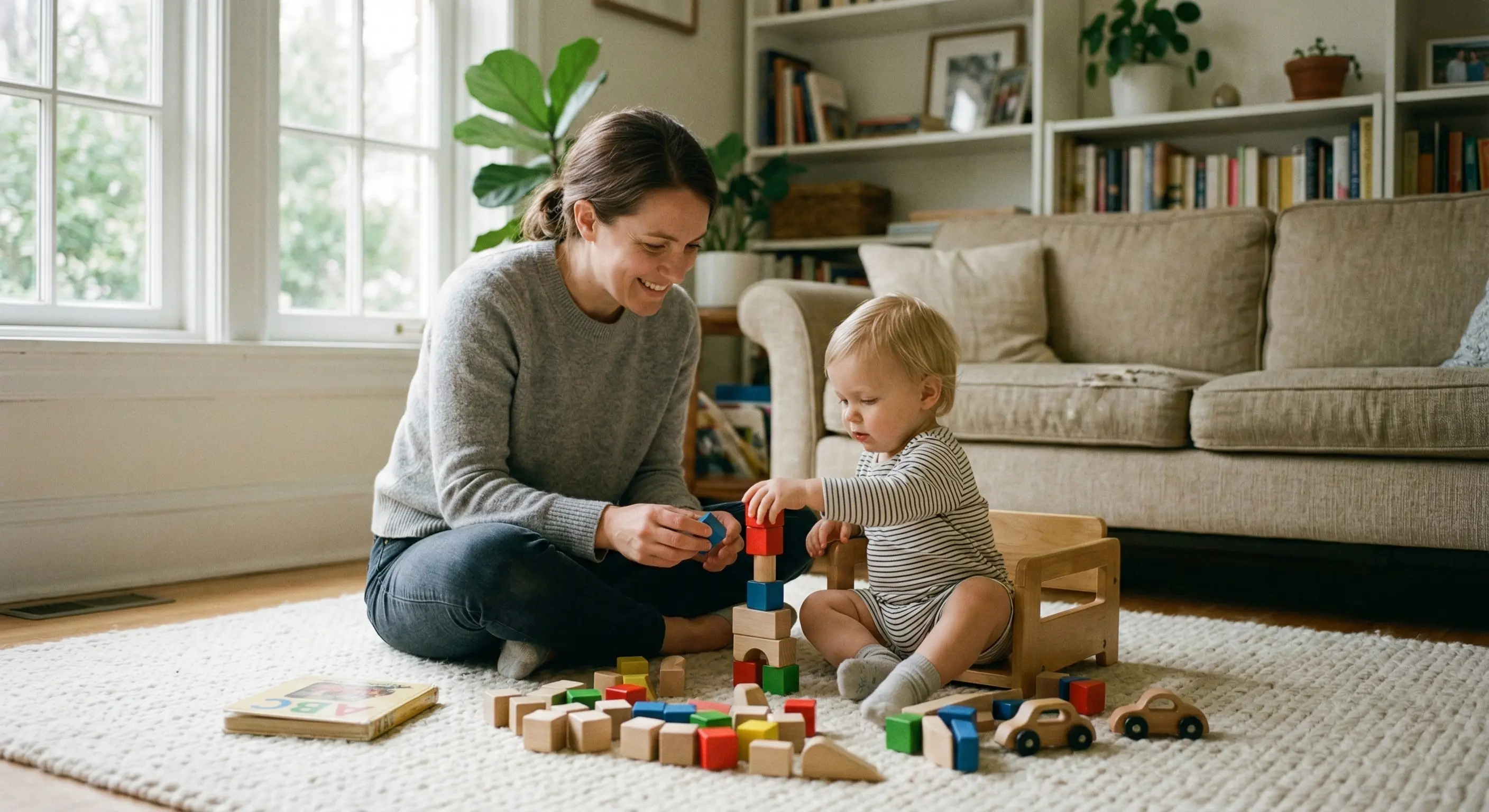
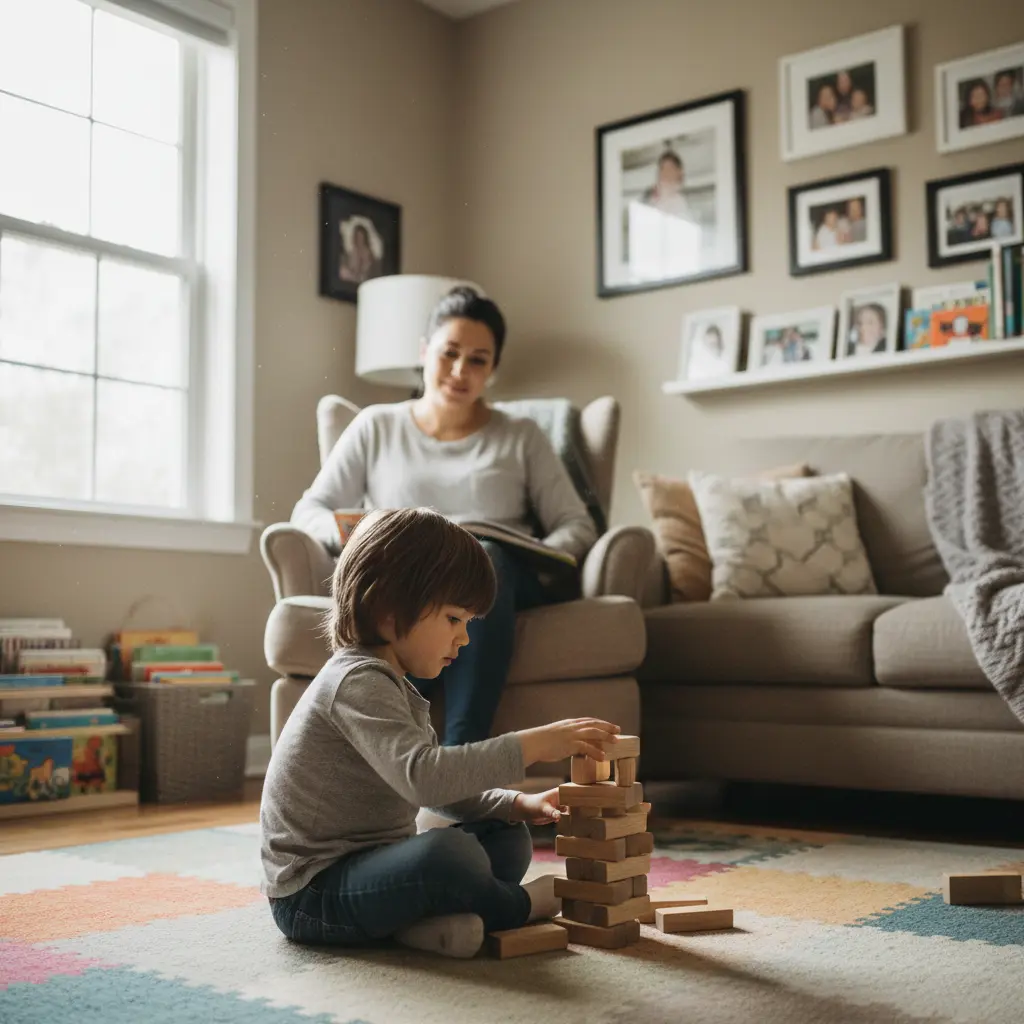
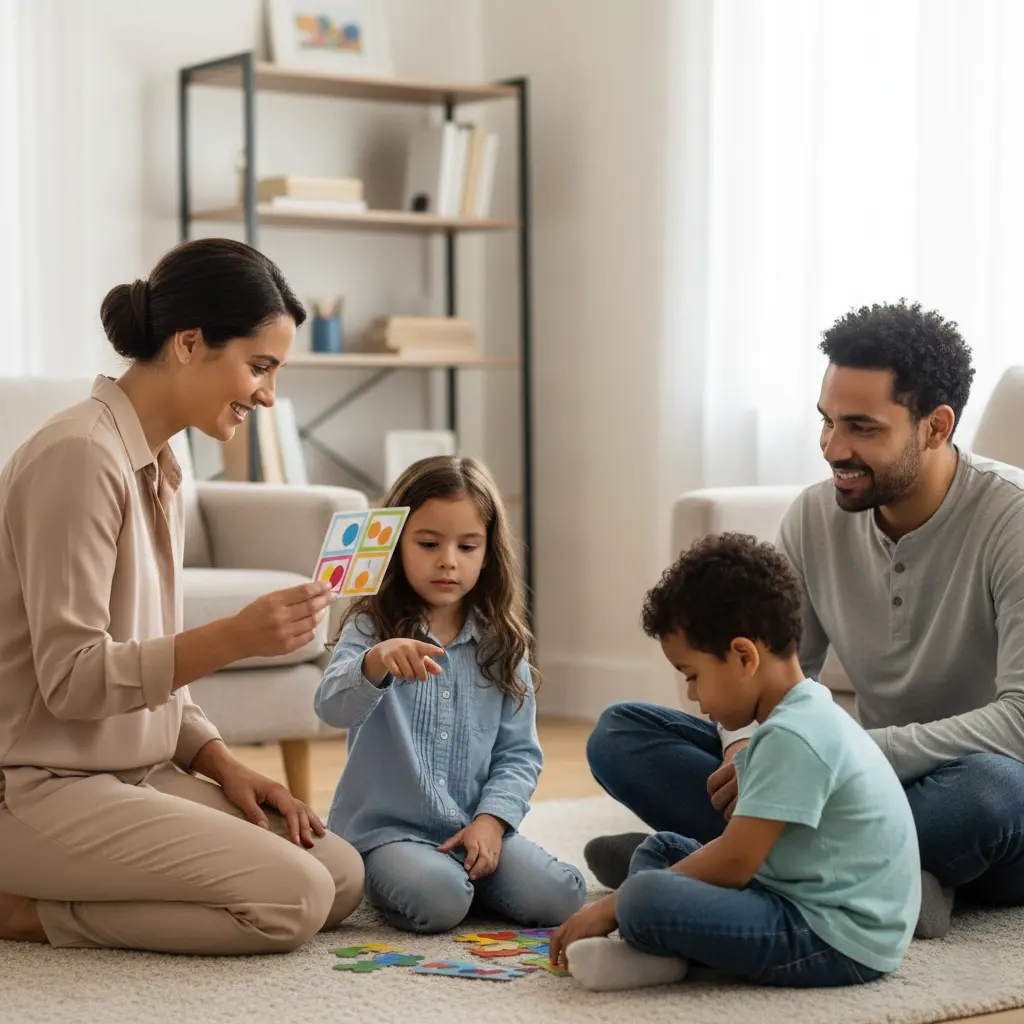
This approach builds learning into everyday activities. A practitioner may join the child’s preferred play to practice communication and problem-solving in natural contexts. This is common in early intervention.
Discrete Trial Training (DTT)
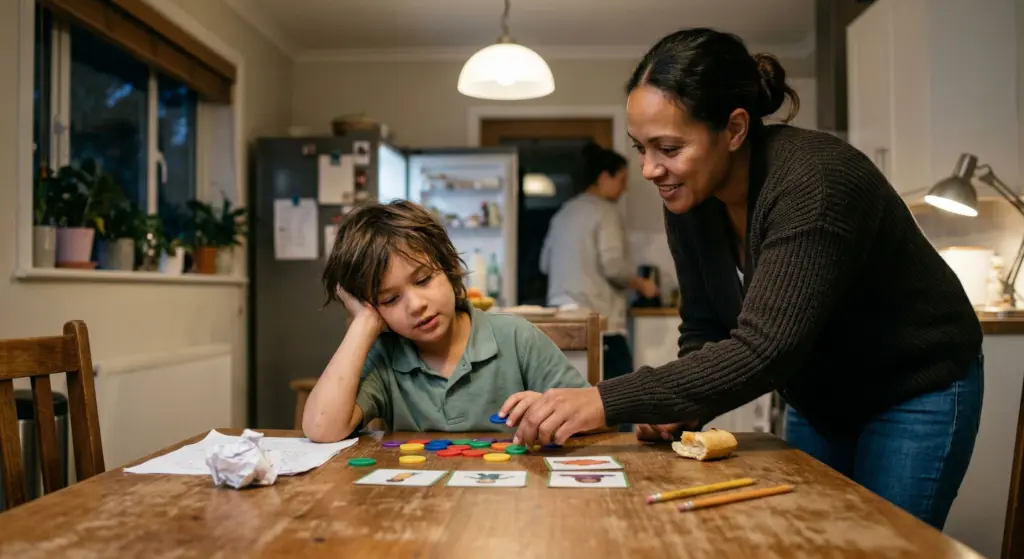
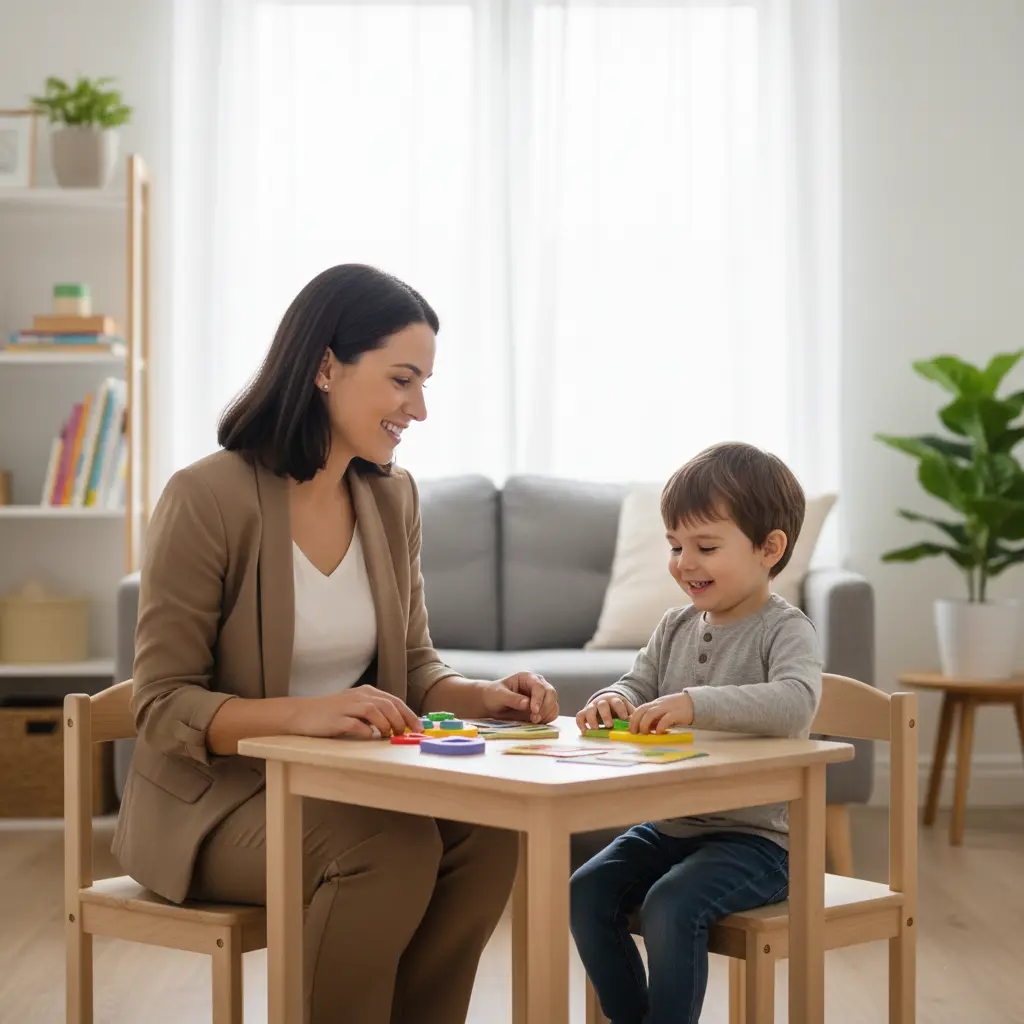
DTT is more structured. A skill is broken into clear steps and practiced through repeated trials with prompts and reinforcement. It is useful for specific foundational skills.
Parent Coaching and Caregiver Training
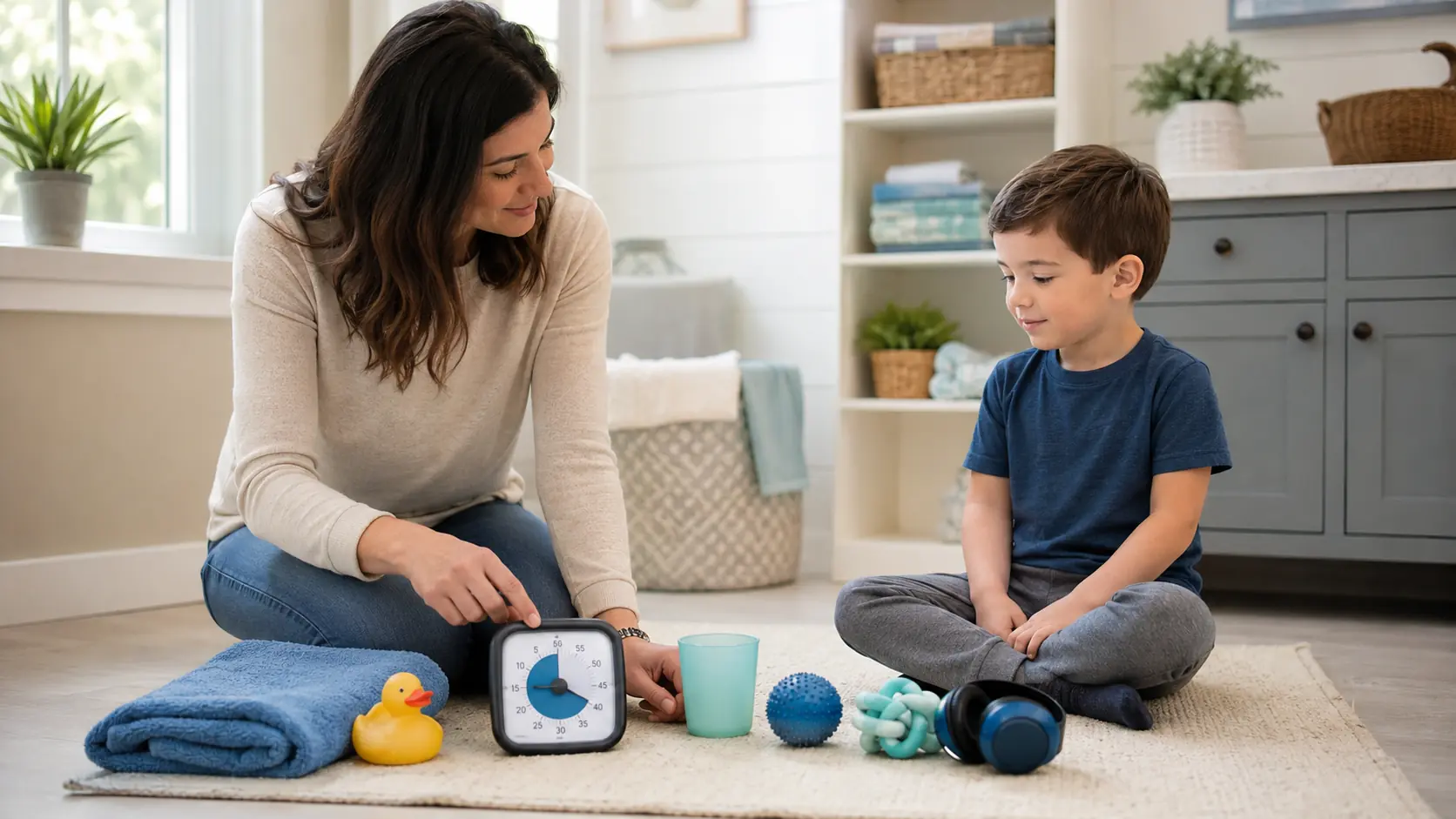
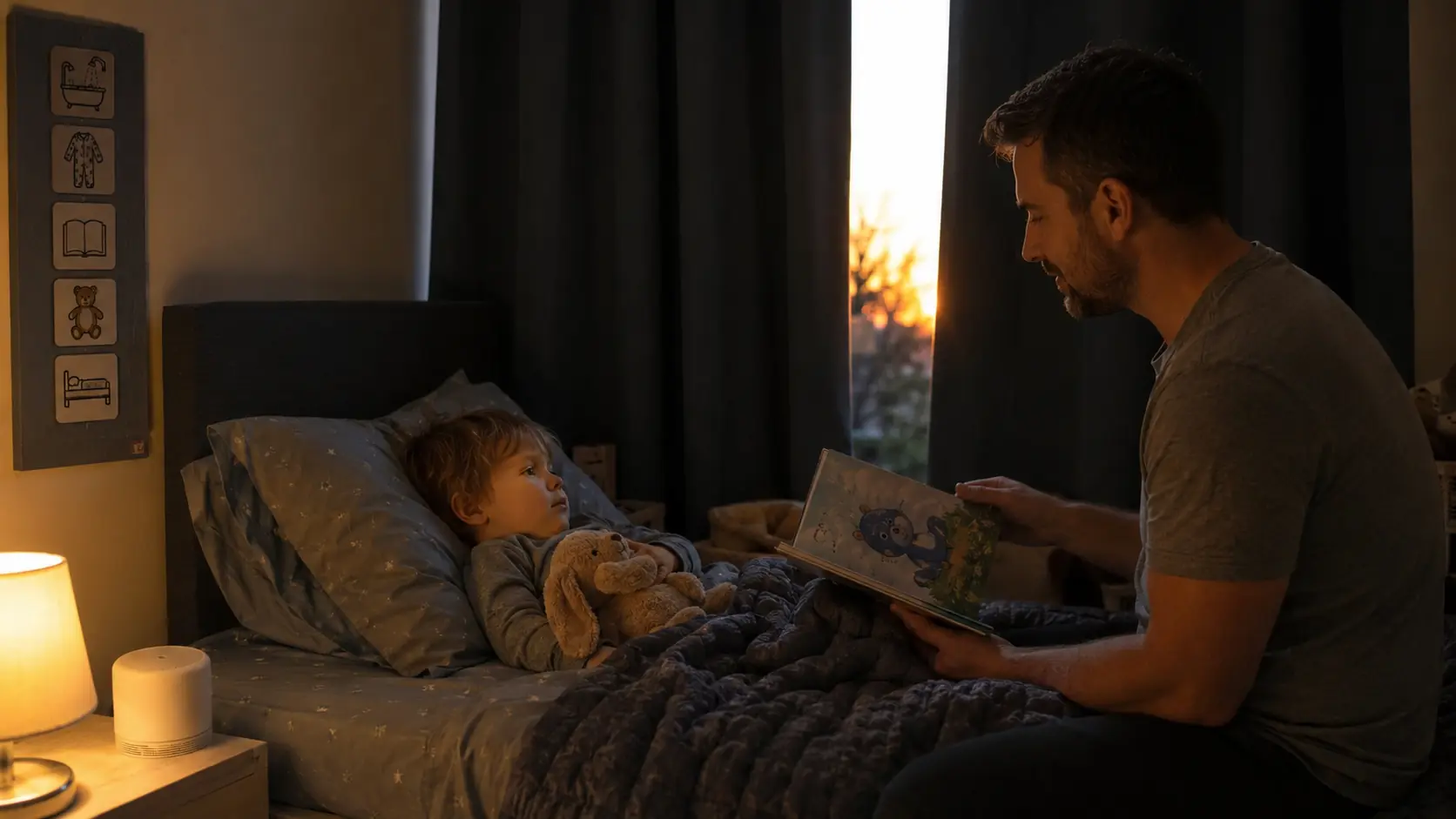
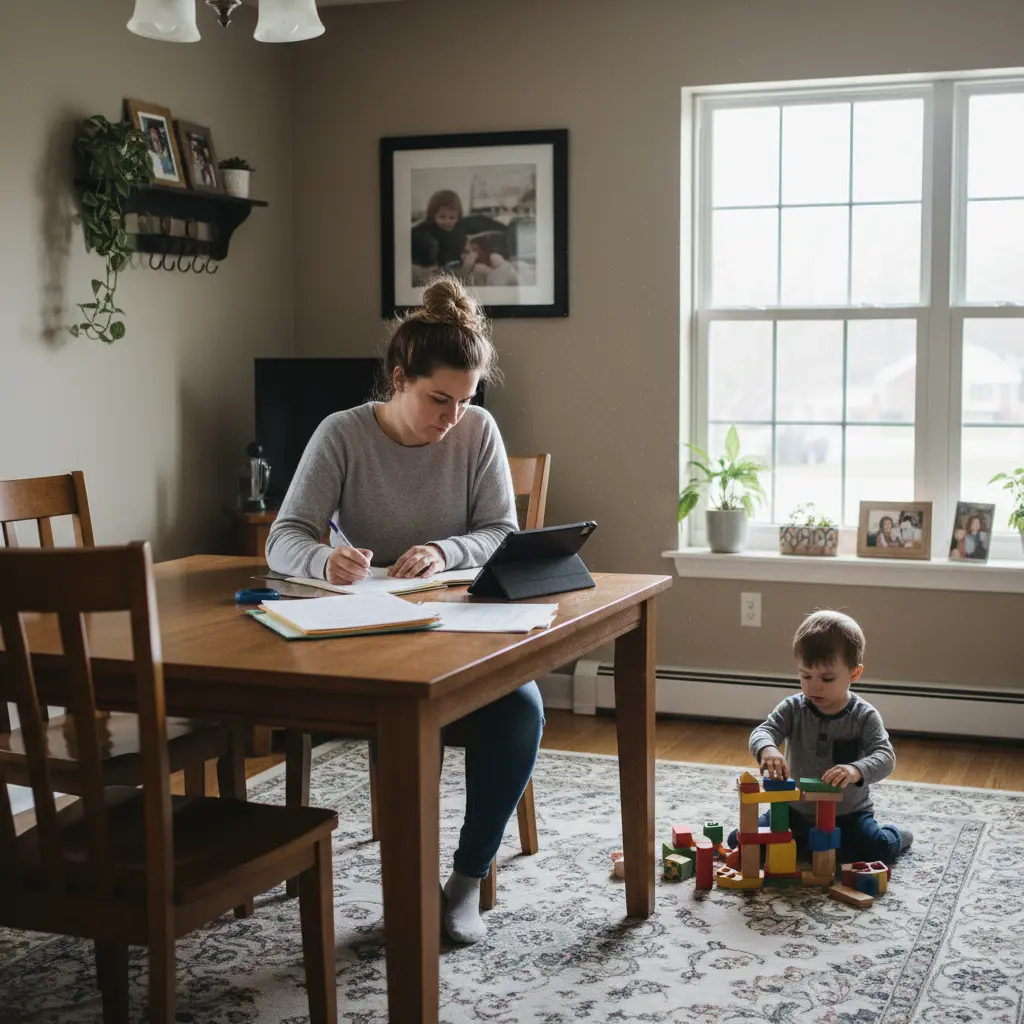
Many modern ABA programs include coaching for parents. This helps skills generalize into real life during routines like mealtimes, bath time, and bedtime.
Who Provides ABA
ABA is typically delivered by a team:
- BCBA (Board Certified Behavior Analyst): A credentialed professional who designs the program, conducts assessments, and supervises the team.
- RBT (Registered Behavior Technician): Works directly with the child and implements the plan under BCBA supervision.
Choosing Quality ABA: What to Look for
These markers usually indicate thoughtful, ethical practice:
- Goals are functional and family-centered: Focus on communication and safety—not compliance for its own sake.
- The approach is positive and individualized: Reinforcement drives learning; harsh strategies are not part of modern care.
- Assent is respected: The child’s comfort and willingness matter.
- Parents are part of the team: Caregivers are included in goal-setting and coached on strategies for home.



.webp)
.webp)

.webp)
.webp)
.webp)




.jpg)
.webp)
.webp)
.webp)



%20During%20Play%20in%20the%20Home.webp)