New Mexico is a large, beautiful, and geographically challenging state. For many families, that beauty comes with a real cost: longer drives, fewer nearby specialists, and the exhausting reality that accessing autism services can take far more time and coordination than it should.
If you live outside Albuquerque or Santa Fe, that is not an abstract issue. It affects every part of care planning: which providers are realistic, how often your child can be seen, how much time a session really takes, and whether therapy can fit into family life at all.
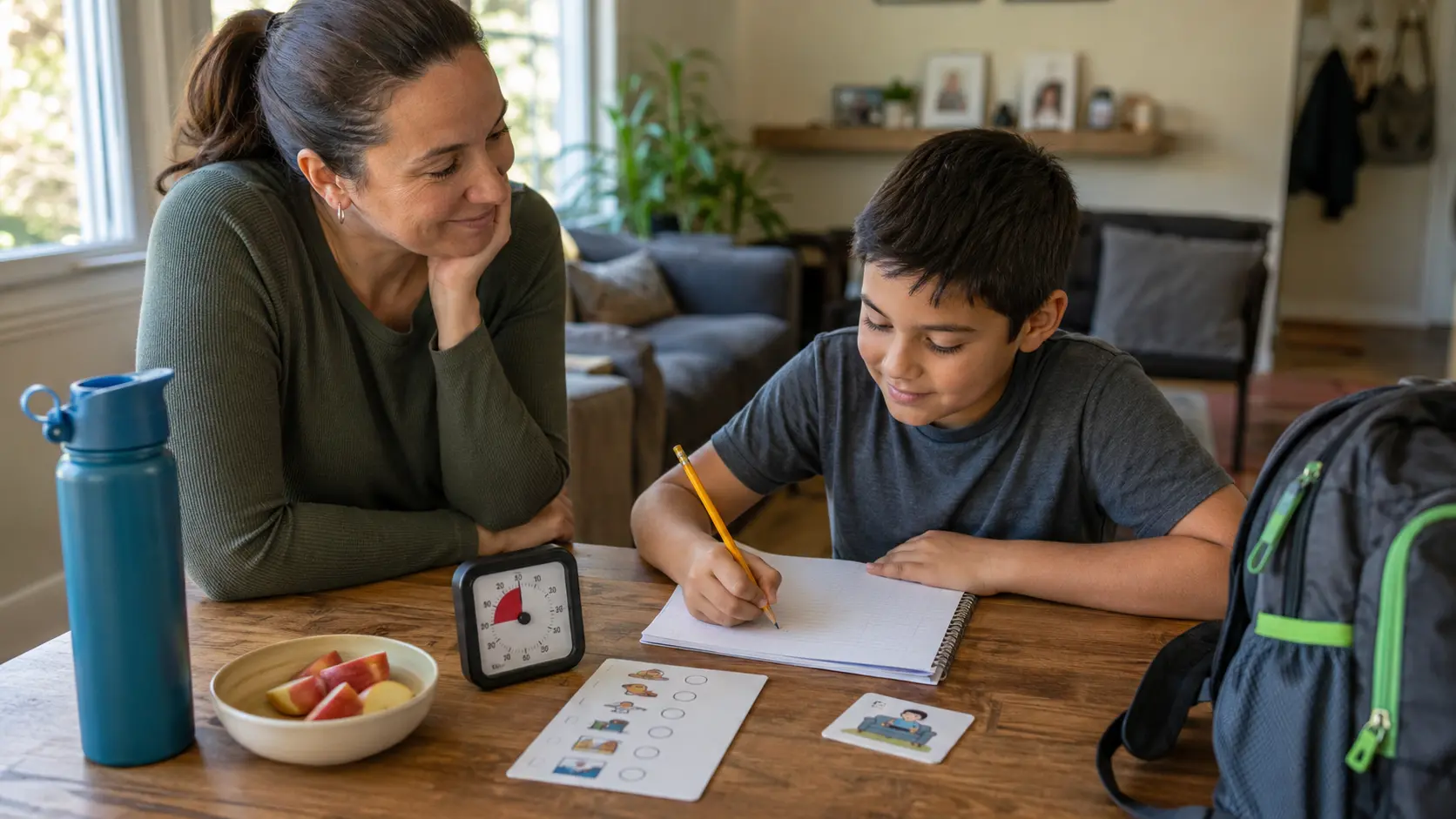
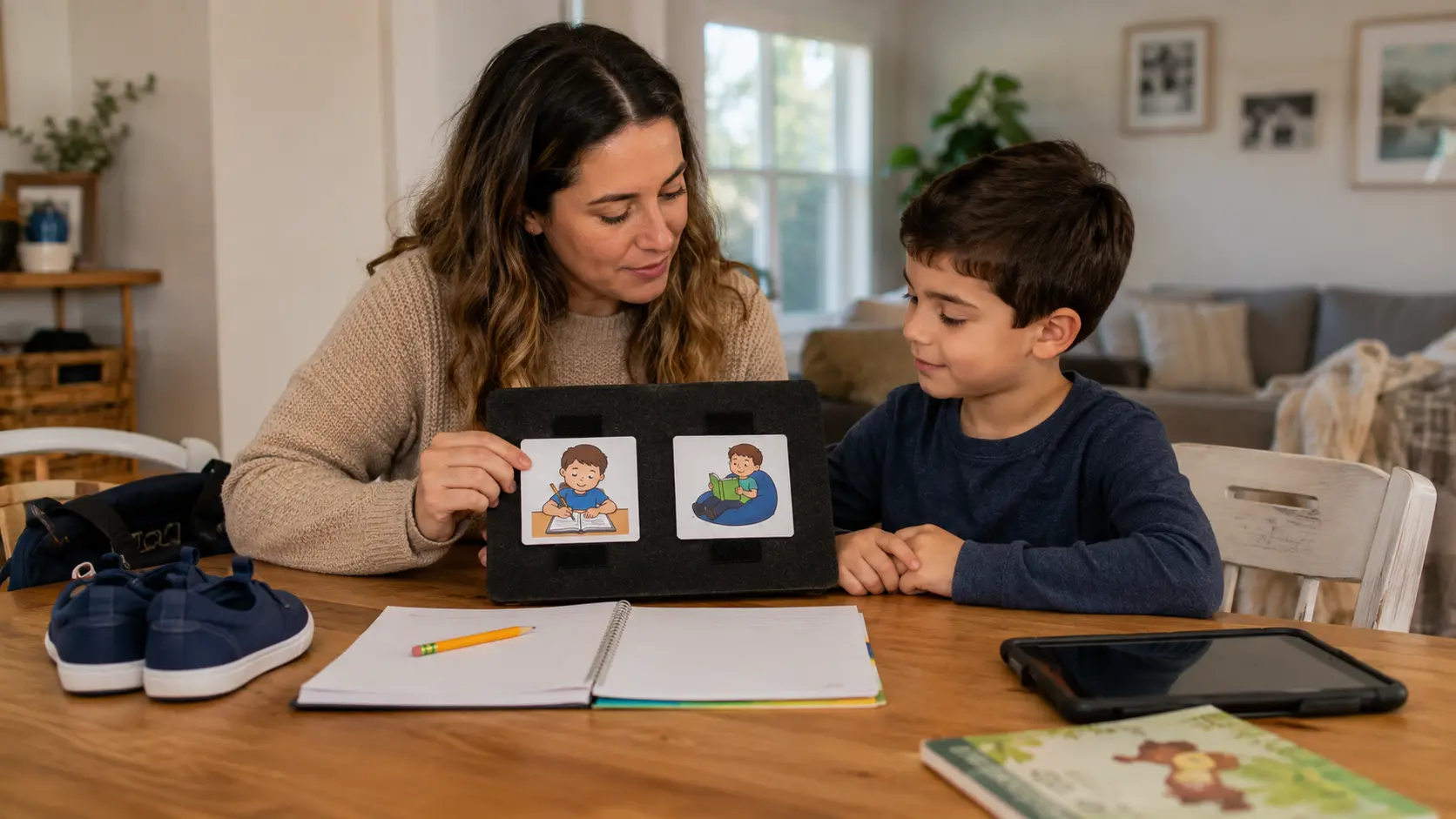
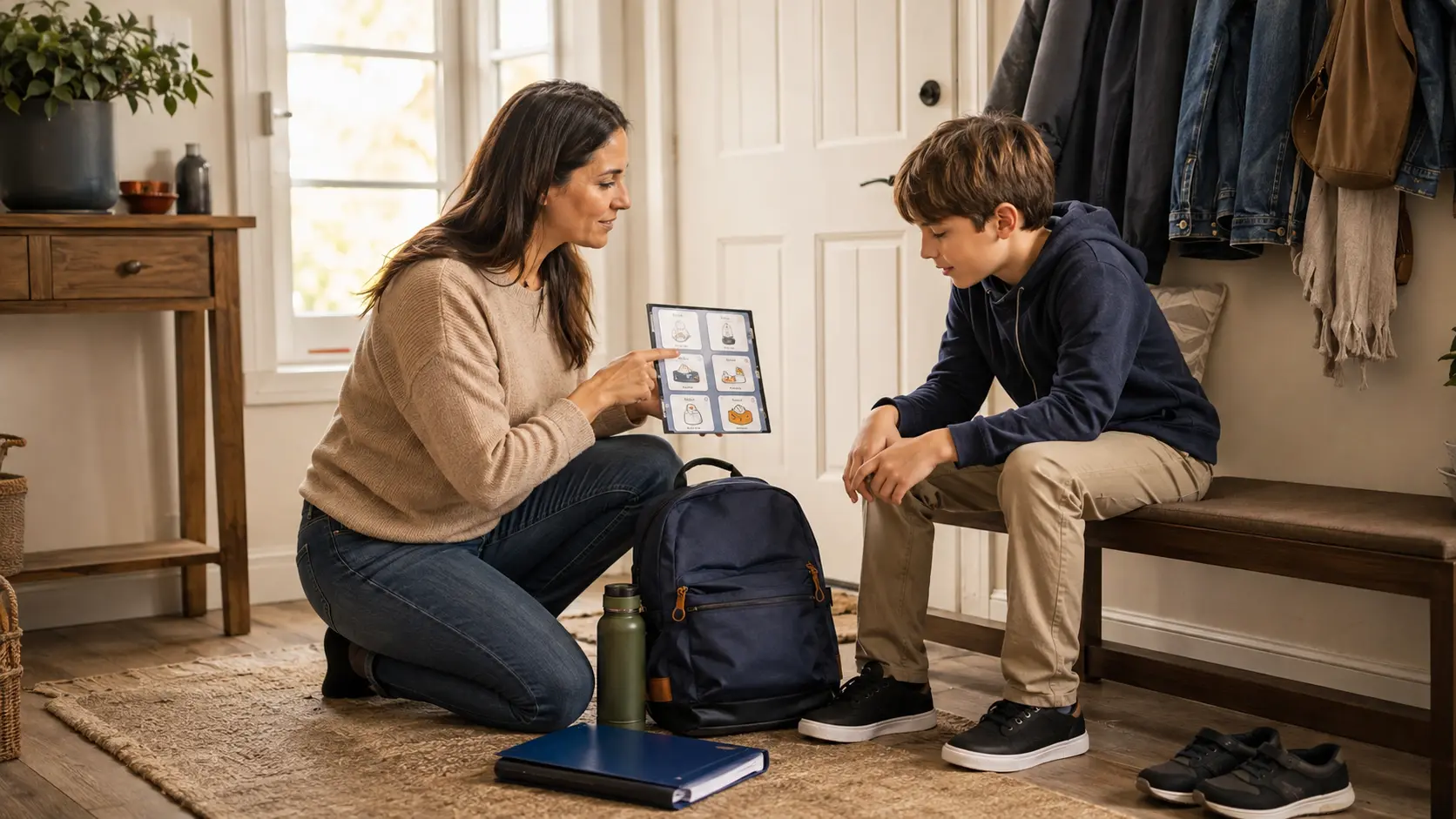
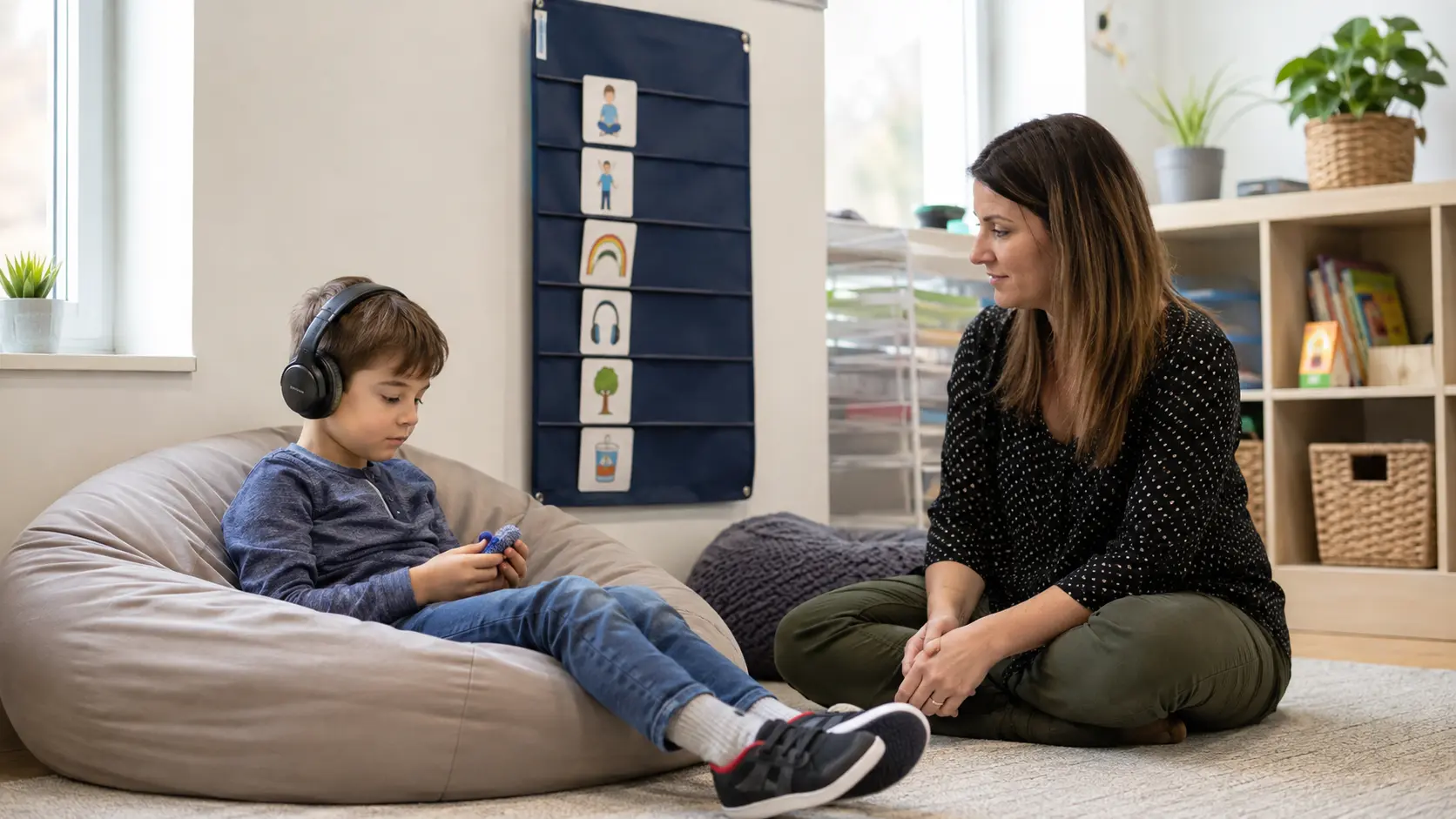
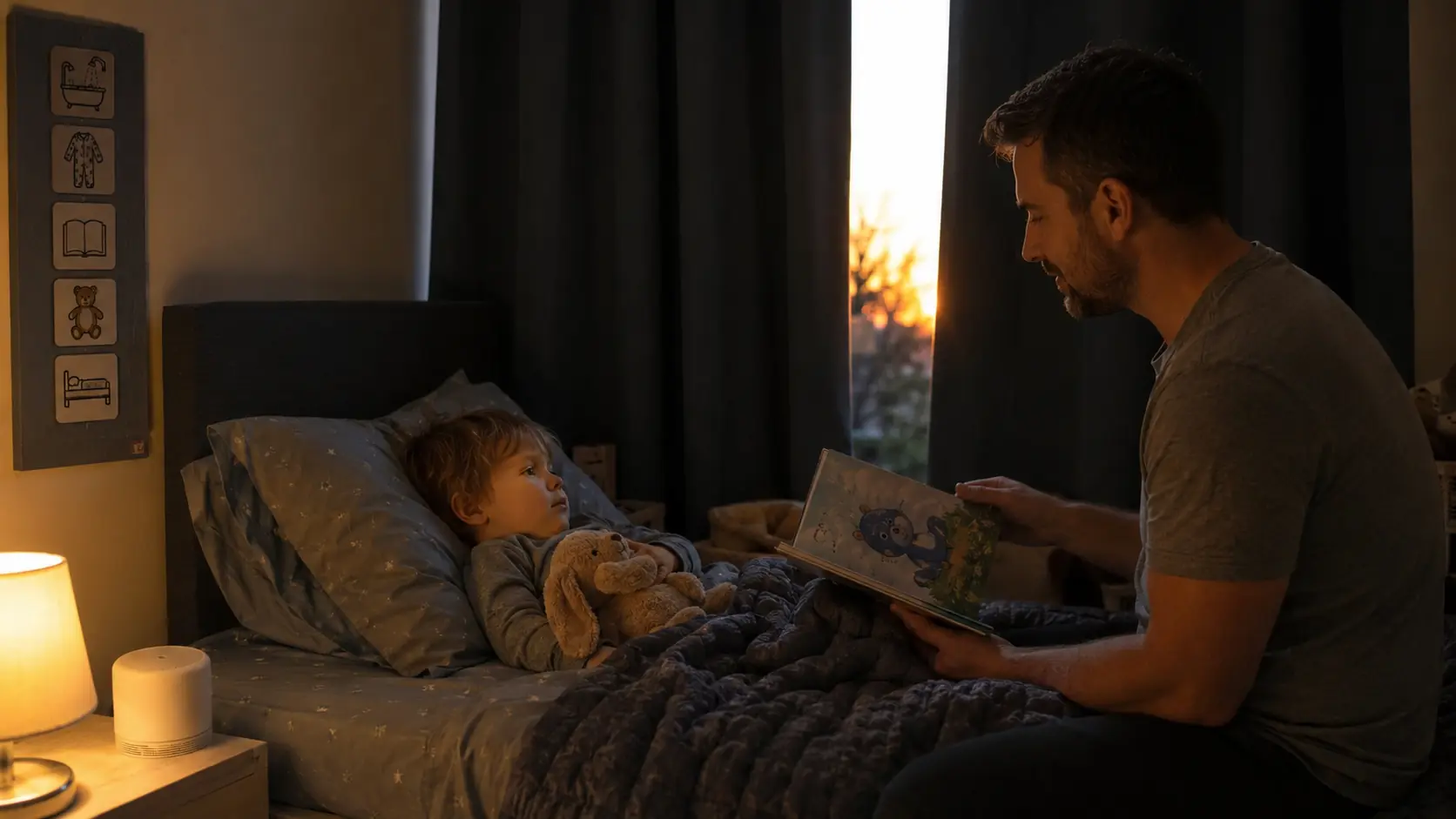
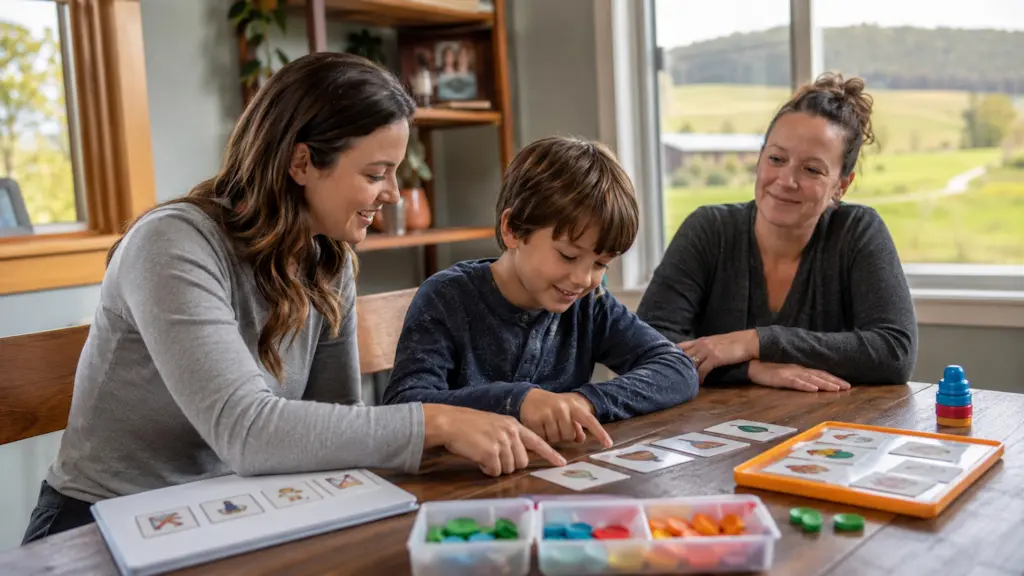
That is why in-home ABA therapy matters so much in New Mexico. When services happen at home, care becomes more practical, more consistent, and often more meaningful to daily life. Instead of building skills only in a clinic, children can practice them where they actually need them: during meals, transitions, play, routines, and community preparation.
The Access Challenge for Families Outside Major Metro Areas
Families in larger population centers usually have more options. There may still be waitlists and logistical issues, but there are at least providers to compare and clinics within driving distance.
For families in rural or frontier parts of New Mexico, the picture can be very different. The barriers are often practical before they are clinical:
- Fewer nearby ABA providers
- Longer drives for evaluations and treatment
- Harder scheduling for working parents
- Greater disruption for siblings and household routines
- More risk of inconsistent care when travel becomes unsustainable
That is why home-based care is not just about convenience. In many parts of New Mexico, it can be the most practical way to access consistent ABA support.
Why In-Home ABA Can Be a Strong Fit
In-home ABA is not a lower-tier version of clinic-based care. For many children, it can be a very strong fit because it allows teaching to happen in the child's real environment.
That matters because many of the goals families care about most are home and community goals:
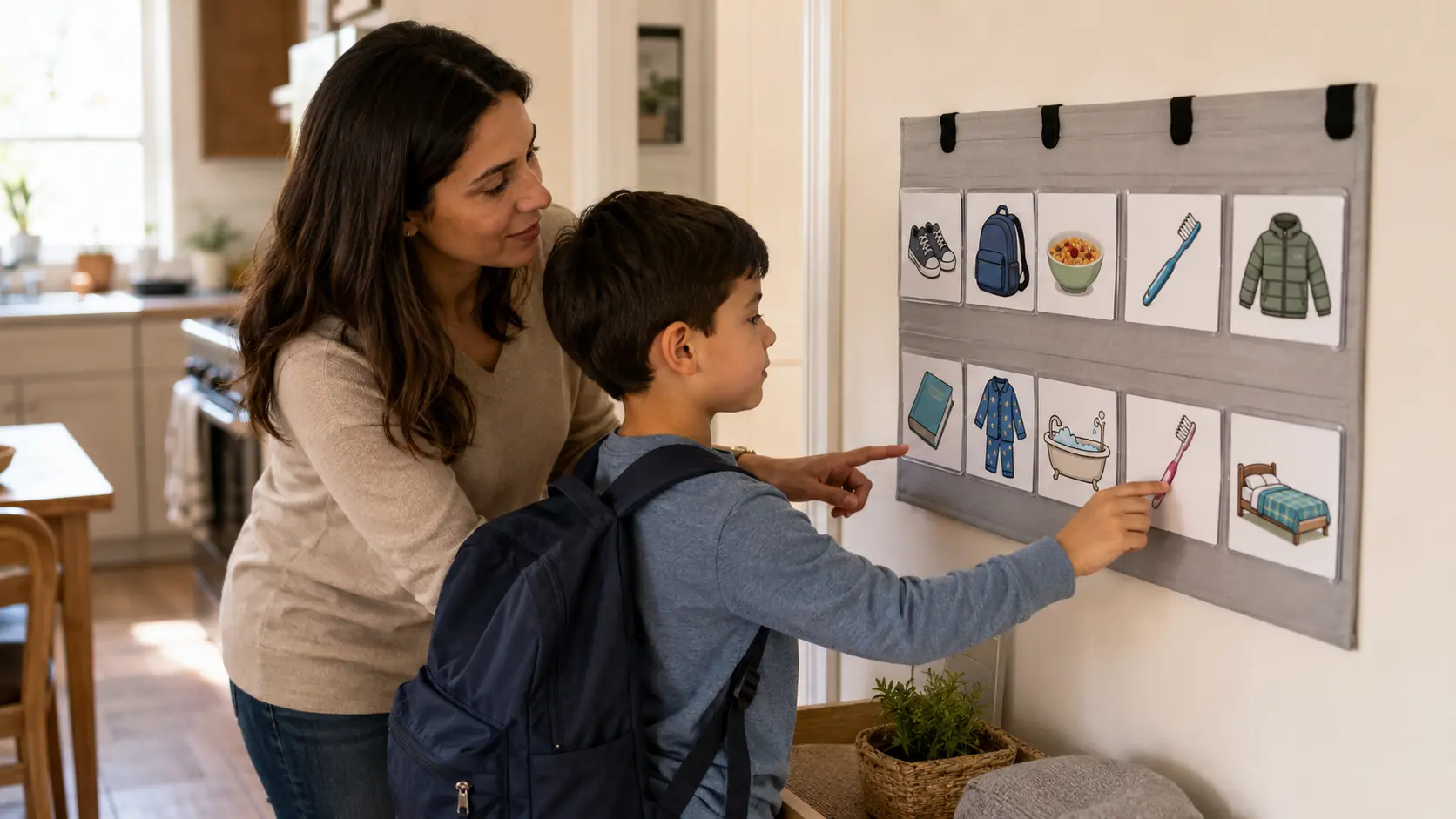
- Transitioning through morning routines
- Sitting for meals
- Requesting help appropriately
- Tolerating changes in routine
- Building independence in dressing, hygiene, and daily tasks
- Improving sibling interactions
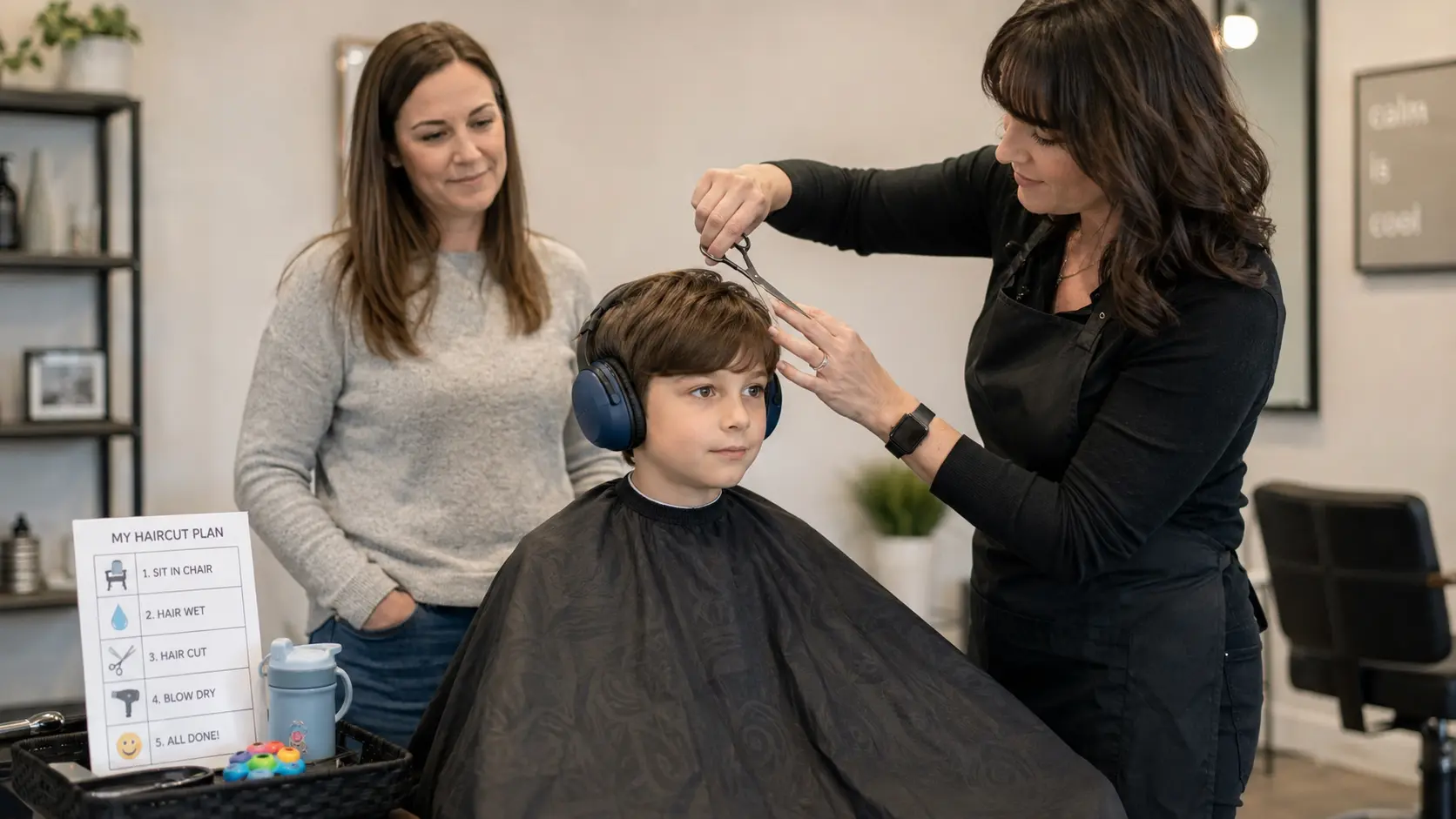
- Strengthening safety and community-readiness skills
When therapy happens where those challenges actually occur, it can be easier for skills to generalize into real life. For rural families, the logistical benefit is just as important. There is no long commute to a clinic, and caregiver coaching can happen in the exact setting where support is needed most.
What High-Quality In-Home ABA Should Look Like
Not every in-home ABA program is equally strong. Families should know what quality looks like before committing to a provider.
A strong program usually includes:
BCBA-led treatment planning
A Board-Certified Behavior Analyst should be involved in assessment, goal-setting, treatment planning, and supervision. Clear clinical oversight is a basic quality marker.
Individualized goals
Goals should reflect your child's communication, behavior, learning profile, daily routines, and family priorities.
Caregiver coaching
High-quality in-home ABA usually includes caregiver guidance, because children spend far more time with family than with a therapist.
Coordination across settings
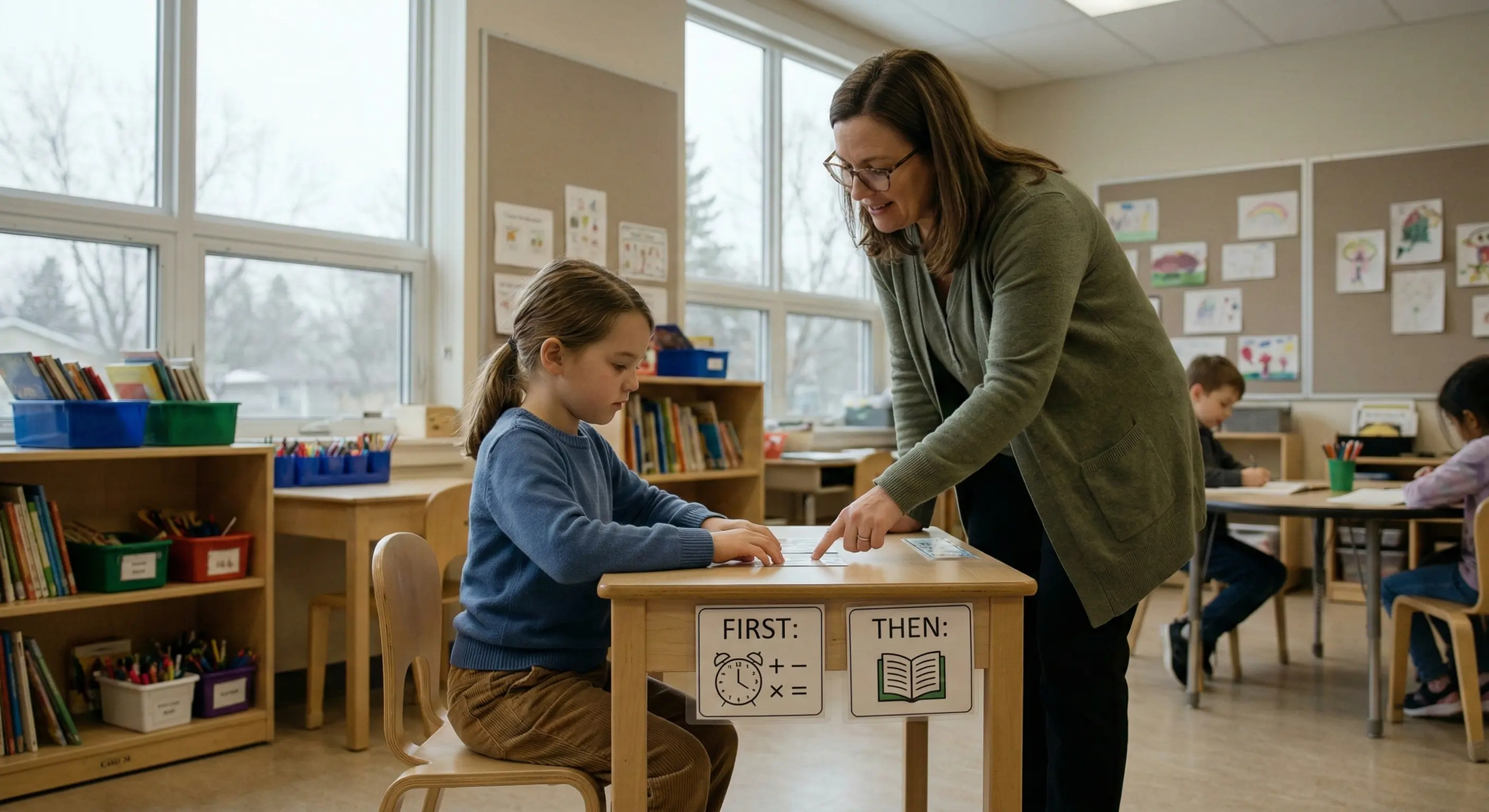
If your child also gets support at school or daycare, strong programs try to keep goals and strategies aligned across environments.
Data-based review
Programs should track progress and adjust goals based on what is actually happening, not just on general impressions.
How Telehealth and Hybrid Support Can Help in Rural Areas
Telehealth can also play a useful supporting role. New Mexico's ABA guidance includes a section on ABA services delivered via telemedicine, and state guidance for ABA telehealth providers indicates that telehealth is part of the current service framework.
That does not mean telehealth replaces in-person ABA for every child. A more publish-safe way to frame it is this: telehealth may support some parts of care, depending on clinical fit and payer rules, such as caregiver coaching, BCBA consultation, and check-ins around treatment planning. Whether a hybrid model makes sense depends on the child, the goals, and the authorization pathway.
Understanding New Mexico Medicaid / Turquoise Care and ABA Coverage
For many families, New Mexico Medicaid is the main funding path for ABA therapy. The good news is that New Mexico Medicaid does cover medically necessary ABA services for eligible members. Current state guidance says ABA is a covered benefit for Medicaid-eligible members over 12 months of age who are diagnosed with autism spectrum disorder or are considered at risk for Autism Spectrum Disorder (ASD). For children and teens under 21, ABA may also be covered through the Early and Periodic Screening, Diagnostic, and Treatment (EPSDT) benefit, which is designed to ensure Medicaid members receive medically necessary services early and appropriately.
It is important to understand that coverage is not automatic. Families should expect an intake and authorization process. In most cases, access to ABA depends on several factors working together:
- The child's Medicaid eligibility
- A qualifying diagnosis or clinical basis for ABA services
- Documentation of medical necessity
- An assessment and treatment plan developed by the ABA provider
- Approval through the applicable authorization process under the managed care plan or Medicaid pathway
New Mexico's ABA guidance also makes clear that authorization is not a one-time step. The state uses service-authorization and prior-authorization processes for ABA, and ongoing services are reviewed over time rather than approved indefinitely.
How AtlasCare Supports Families Across New Mexico
AtlasCare's current New Mexico location provides ABA therapy in the home, school, or daycare and lists New Mexico coverage areas including Albuquerque, Las Cruces, Rio Rancho, Santa Fe, Roswell, and Farmington, with area pages also listed for Hobbs, Alamogordo, Carlsbad, Clovis, and Silver City. The same page says AtlasCare accepts most major insurances and handles insurance coverage and Medicaid authorization.
AtlasCare's services currently lists three core offerings:
- In-home ABA therapy
- School and daycare support
- Parent training
What to Ask Before Choosing an In-Home ABA Provider
Before choosing a provider, ask:
- Do you serve my exact area?
- How is BCBA supervision structured?
- How are goals set and reviewed?
- Is caregiver coaching included?
- Do you coordinate with school or daycare when needed?
- Do you work with New Mexico Medicaid plans?
- Which parts of the program, if any, can be supported through telehealth?
A strong provider should be comfortable answering those clearly.









.webp)


.webp)
.webp)
.webp)
.webp)







.jpg)


.webp)

.webp)
.webp)









%20During%20Play%20in%20the%20Home.webp)