Sibling Dynamics: Helping Neurotypical Siblings Thrive in an ABA Household
When one child in a household has autism and receives Applied Behavior Analysis (ABA) therapy, the entire family adjusts. Therapy appointments shape the week. Routines are built around one child's support needs. Parents stretch their energy in every direction. And somewhere in that daily rhythm, a quieter child—the sibling without an autism diagnosis, the one who seems fine—can also begin to feel invisible.
If you have ever worried about this, you are not alone. Autism sibling support is something many families quietly navigate, often without knowing where to turn. The good news is that small, consistent steps like honest conversations, predictable one-on-one time, and knowing when to ask for help can make a genuine difference for the whole family.
The Unique Experience of Siblings in an Autism Household
Children are perceptive. Long before they have words for what they are observing, siblings in a household with autism are picking up on the differences in how time is spent, in how adults respond to certain behaviors, in how the house runs on any given day. The emotional landscape for these children is wide and often contradictory.
A sibling might feel deep pride in their brother or sister. They might be fiercely protective in public, quick to explain or defend. And then, on a different afternoon, they might feel left out, confused, or quietly resentful about a canceled family event or another disrupted mealtime. Both things can be true, and both are completely valid.
The Range of Emotions Is Wider Than Many Parents Realize
It is common for siblings without an autism diagnosis to experience a mix of:
• Pride and protectiveness — wanting to advocate for their sibling
• Confusion — not fully understanding why rules or responses seem different
• Jealousy — feeling that one child receives more attention, energy, or patience
• Embarrassment — especially in social situations outside the home
• Guilt — for feeling any of the above
• Sadness or loneliness — particularly when therapy or support needs take up significant family time
Quiet Children Are Not Always Unaffected Children
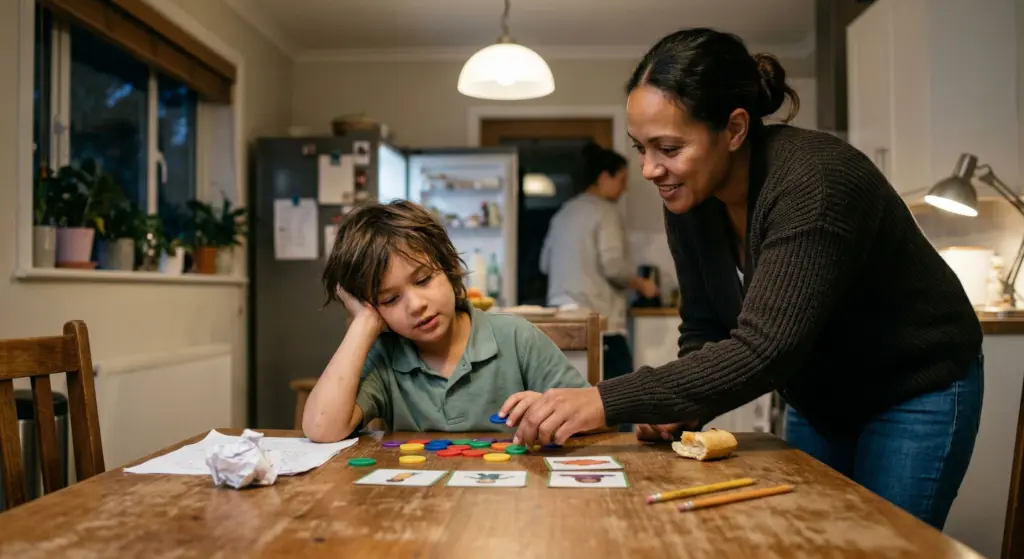
Some families hear the term "glass child," an informal phrase used to describe children who are so overlooked that adults seem to look right through them. This is not a clinical diagnosis, and not every sibling experiences life this way. But the phrase points to something real: a child who learns to stay small, to manage their own emotions without burdening their parents, and to appear fine even when they are not.
If a sibling is unusually self-sufficient, rarely asks for help, or seems to have stepped quietly into a caretaking role, it is worth paying closer attention.
How to Explain ABA Therapy to Your Other Children
One of the most meaningful things a parent can do early on is give siblings an honest, age-appropriate explanation of what ABA therapy is and why their brother or sister receives it.
Keep It Simple and Honest
You do not need to use clinical language or explain every detail at once. Adjust your explanation based on your child’s age and what they have already noticed. The goal is to invite questions, answer them calmly, and revisit the conversation as your children grow. For a younger child, you might say: “Your brother gets extra help because he learns some things differently. That does not mean your needs matter less. It just means he needs support in a different way.”
Address the Fairness Question Directly
It is natural for children to notice unequal time or attention and to name it as unfair. Rather than dismissing that feeling, acknowledge it directly. You might say, ‘I understand why this feels unfair sometimes. Your sibling needs extra help right now, but that does not change how important you are to me.’ Framing support as need-based rather than preference-based helps siblings hold both realities: that they are deeply loved, and that their sibling may need more hands-on support at certain times.
Creating "Special Time": Balancing the Schedule
One of the most frequently heard concerns from parents in families balancing ABA routines is this: there simply is not enough time. Between therapy sessions, homework, meals, and the ordinary work of keeping a household running, carving out individual connection for every child can feel impossible.
What "Special Time" Actually Looks Like
Ten to fifteen minutes of consistent, focused one-on-one time can be genuinely restorative for a child who otherwise feels like a background presence. It does not need to be structured or educational. Some examples that work well:
• Reading together before bed, even a single chapter
• A short walk after school or during a sibling's therapy window
• Sitting together for a snack with the TV off and their choice of conversation
• A quick errand they accompany you on, just the two of you
• Drawing, coloring, or building something side-by-side without an agenda
Balance Over Time, Not Balance Every Day
This is an important reframe for parents carrying guilt about daily time imbalances. Perfect equality—the same number of minutes and the same quality of attention every single day is not a realistic goal, and chasing it can add to an already heavy parenting load.
What children need is to feel that over time, they matter. That across the week, the month, the year, there are moments that belong just to them. When those moments are predictable — a standing Tuesday walk, a Friday bedtime ritual — they become anchors that communicate safety and belonging even during the hardest stretches.
Using ABA to Foster Positive Sibling Interaction
Some ABA-informed tools such as visual routines, clear expectations, and preparation for transitions can help sibling interactions feel calmer and more predictable at home. The goal is never to turn a sibling into a co-therapist or an additional support worker. That framing places unfair expectations on children and can damage the sibling relationship over time. Instead, the focus is on creating shared moments that are low-pressure, positive, and genuinely enjoyable for both children.
Structured, Low-Pressure Activities Work Well
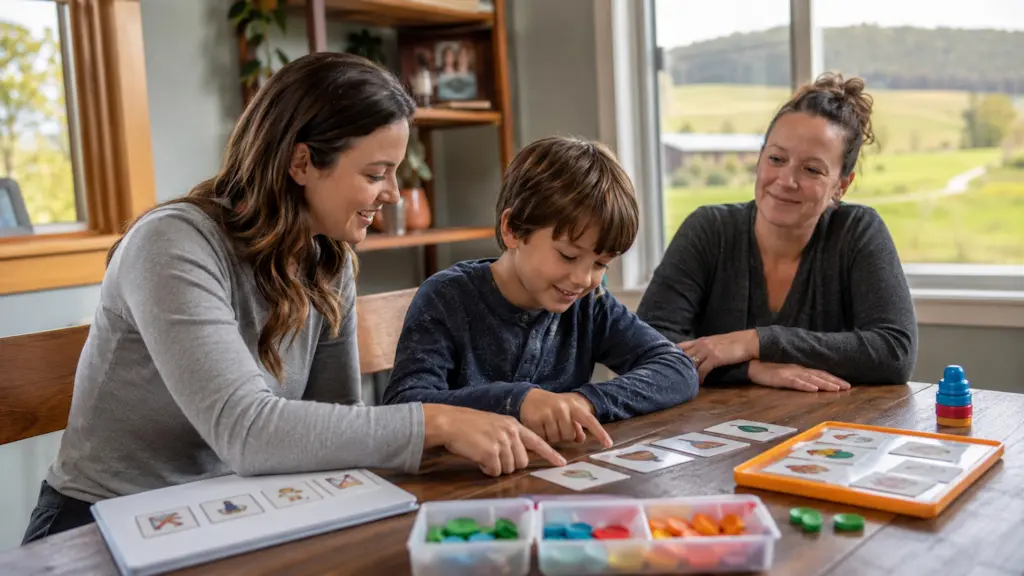
Some families find that activities with clear, predictable rules create a more comfortable space for sibling interaction. These might include:
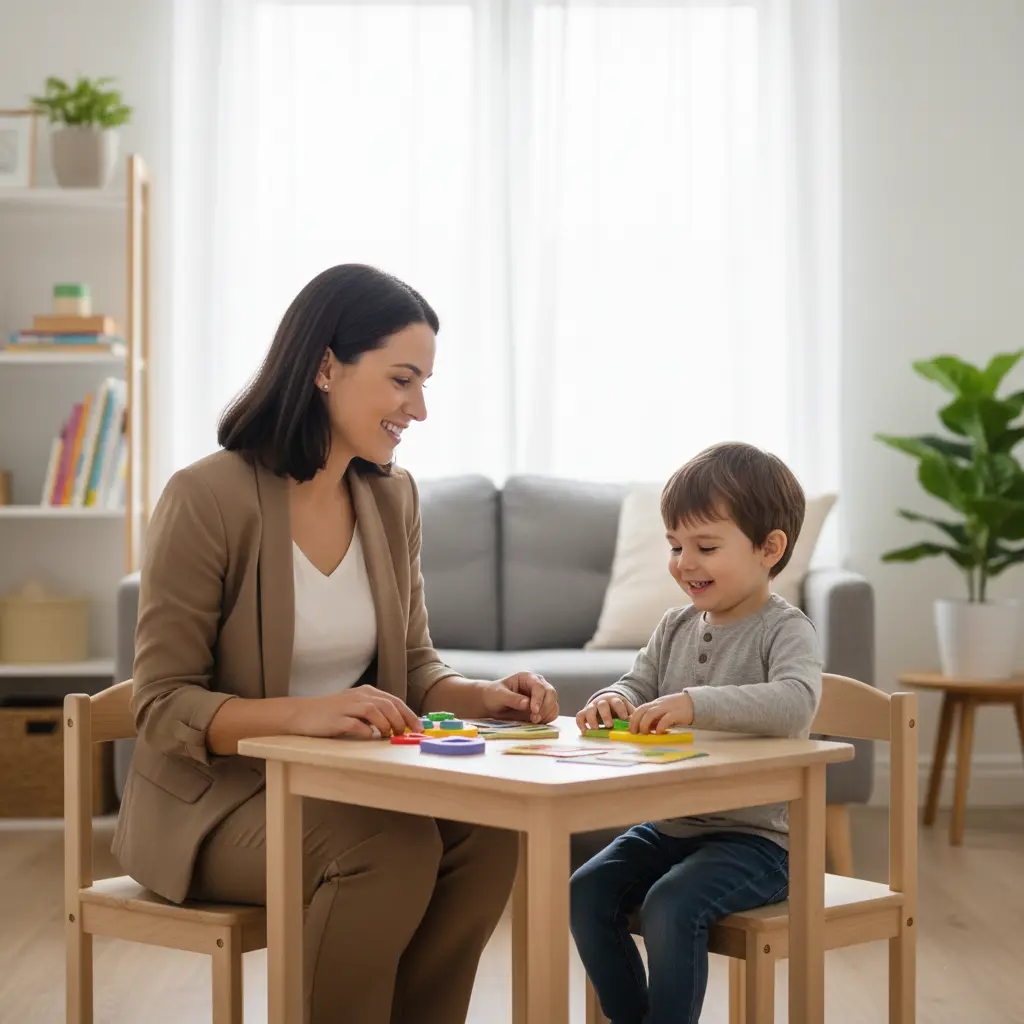
• Turn-taking games with simple rules both children understand
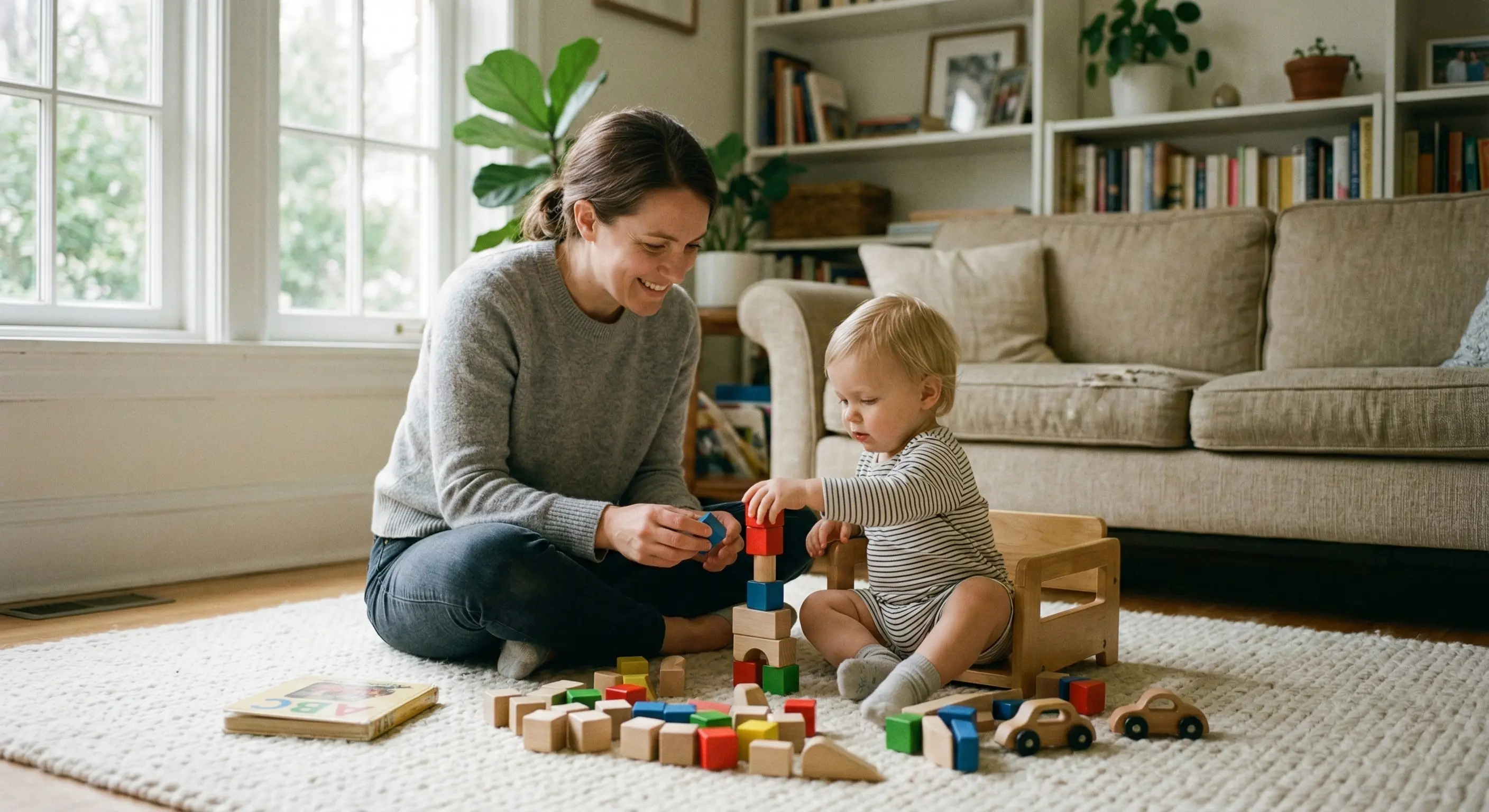
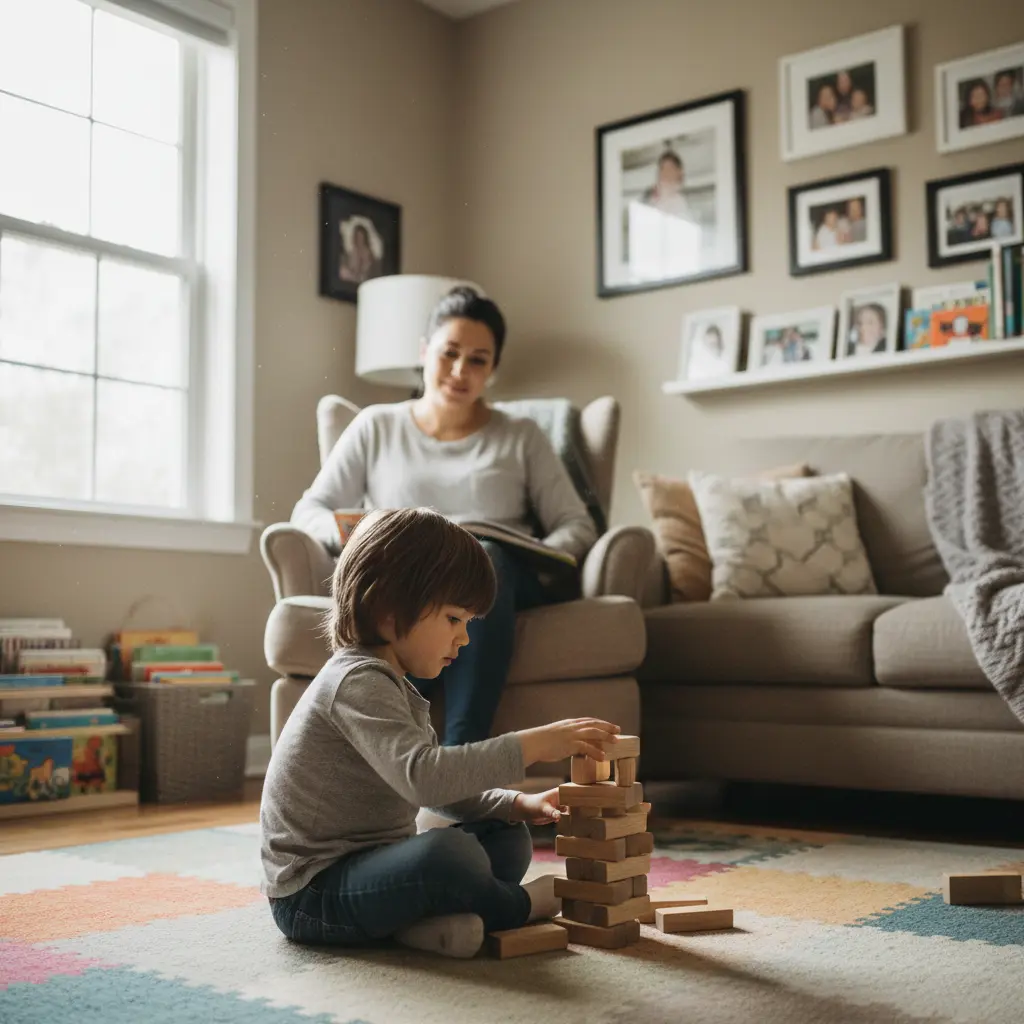
• Side-by-side play where children engage in parallel activities without requiring constant collaboration
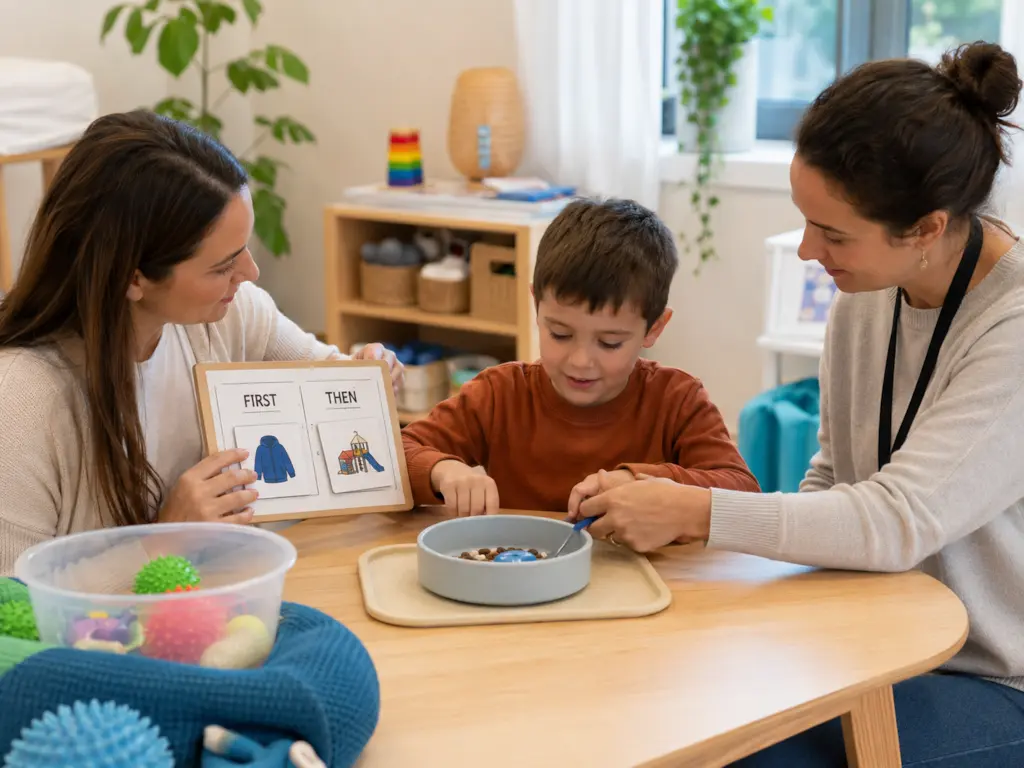
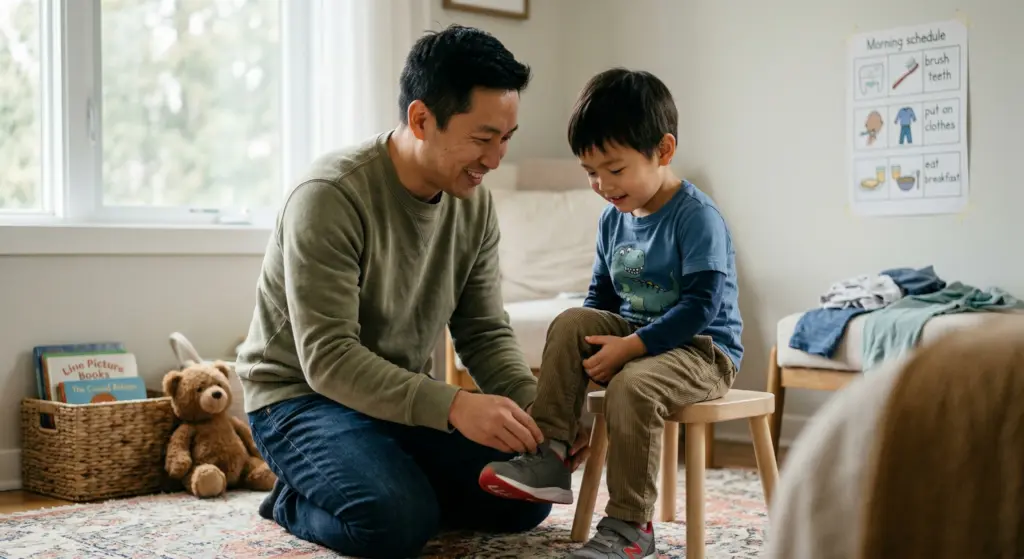
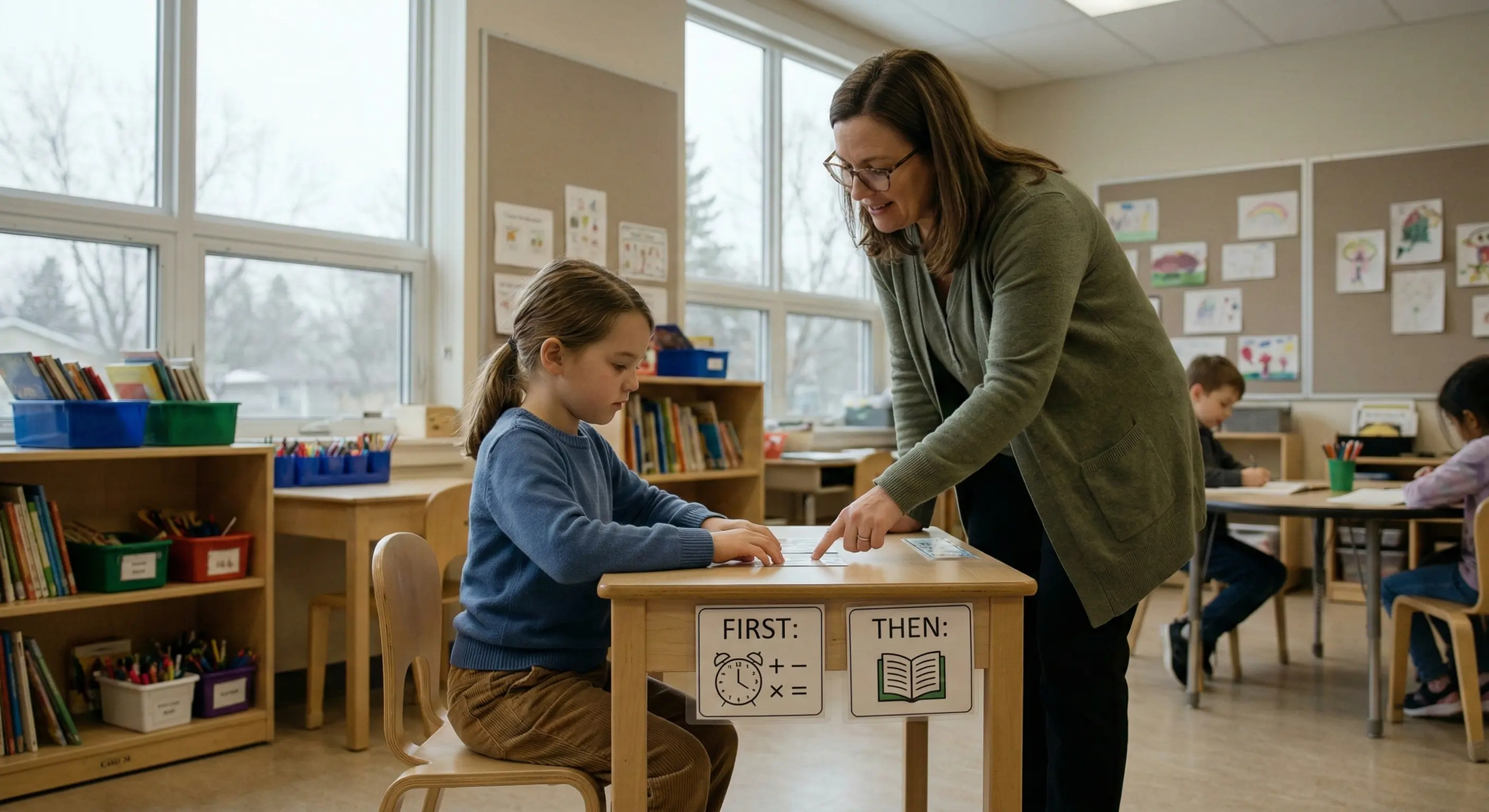
• Visual routines that help both children know what is coming next and reduce transition friction
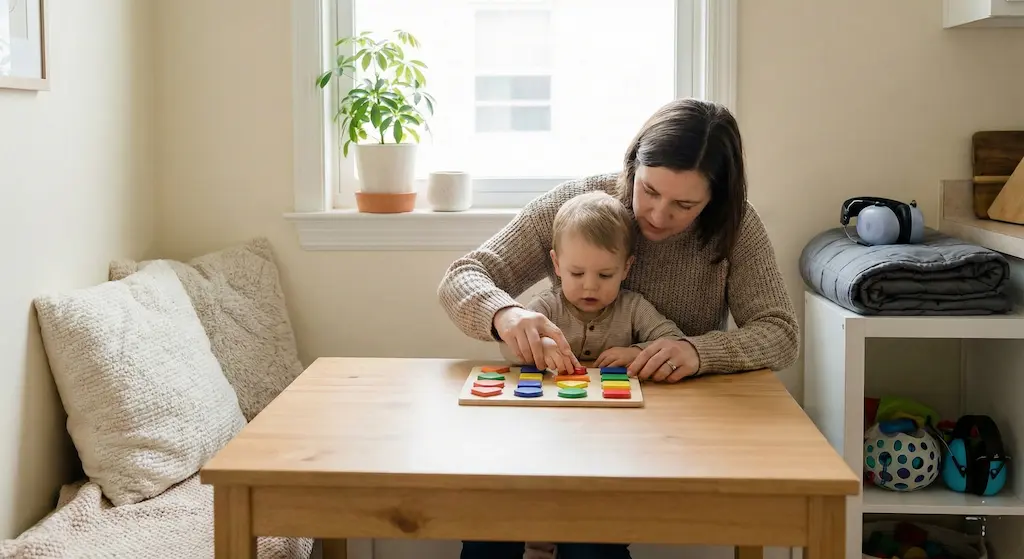
• Building or sensory activities that do not rely heavily on verbal communication
When a positive interaction occurs — a shared laugh, a moment of cooperation, a small act of kindness — naming it briefly reinforces it: "That was really kind of you to wait for him to finish." Specific praise for genuine positive behavior helps both children recognize what connection actually looks like between them.
Prepare Siblings for Difficult Moments
One of the more practical tools a family ABA therapy team can offer is helping parents communicate with siblings before predictably challenging situations. If a sibling knows in advance that a transition might be hard, or that a certain outing might end early, they are far less likely to feel blindsided and far more likely to manage their own feelings constructively.
This kind of preparation respects the sibling's intelligence and includes them in the family's communication loop without burdening them with responsibility. "Hey, we might need to leave the restaurant early today if things get loud. That's not because of anything you did. We just want you to know ahead of time." That one sentence can prevent a lot of resentment. Siblings should feel informed and included, but they should never feel responsible for managing behaviors or carrying the therapy process at home.
When to Seek Professional Support for Your Neurotypical Child
Most siblings in households managing ABA routines will have stretches of difficulty. That is normal. But there are moments when those challenges signal that a child would benefit from outside support, and recognizing those signs early makes a meaningful difference.
Signs That Additional Support May Be Helpful
Consider reaching out to a professional if a sibling is showing:
• Persistent anxiety, worry, or fearfulness that does not lift after a few weeks
• Anger or resentment that is escalating or directed regularly toward the child with autism
• Withdrawal from friends, family activities, or things they previously enjoyed
• Sleep disruptions, changes in appetite, or somatic complaints (stomachaches, headaches) without a clear cause
• Declining school performance or increased school avoidance
• Expressed guilt, self-blame, or statements suggesting they feel responsible for family stress
• A visible shift in how they talk about themselves — as if they do not matter or should not need things
None of these signs mean something is permanently wrong. They mean your child is communicating through behavior what they may not yet have the language to say directly.
What Kinds of Support Are Available
Depending on what your child is experiencing, support could take several forms:
• A conversation with their pediatrician to rule out any physical contributors and get a referral
• A child psychologist or family therapist with experience supporting siblings of children with autism or other developmental differences
• Sibling support groups — in-person or online — where children can connect with peers who genuinely understand their experience
• Family therapy that includes all children in the household, creating a shared space for honest conversation
• Family-centered parent coaching that helps parents develop individualized attention strategies for each child
Every Child in Your Home Deserves to Feel Seen
Thriving sibling relationships do not come from perfect parenting. They come from parents who keep paying attention, who notice the quiet child as well as the loudest need in the room, who have honest conversations even when they are hard, and who build small, consistent moments of connection into a life that is already full.
You do not have to get this right every single day. You just have to keep showing up for all of your children—one honest conversation, one short walk, one bedtime at a time.
If you are ready for more personalized support, AtlasCare ABA's family-centered parent coaching sessions are designed for exactly this: helping the whole family find a rhythm that works for your child in therapy, for their siblings, and for you.
Schedule a Family-Centered Parent Coaching Session with AtlasCare ABA.
Our compassionate team works with families to build individualized routines, improve sibling dynamics, and reduce caregiver burnout wherever you are in your journey.
Contact AtlasCare ABA today to learn more about family coaching and sibling support services.
.webp)

.webp)

.webp)
.webp)
.webp)




.jpg)
.webp)

.webp)
.webp)






%20During%20Play%20in%20the%20Home.webp)