Finding the Right Team: Best Sports and Activities for Autistic Children
Many parents of autistic children have been in a version of this situation: their child wants to kick a ball, splash in a pool, or climb something as fast as they can — but the loud, fast, socially demanding environment of a typical sports program turns out to be too much, too soon. The program says it is inclusive, but the coach moves quickly, the gym echoes with noise, the transitions are abrupt, and by the end of the first session, the child is overwhelmed and the parent is wondering whether sports are simply not going to work for them.
The honest answer is that the right sports for autistic kids can be genuinely valuable — for coordination, confidence, routine, and the quiet satisfaction of getting better at something. But the right activity for a specific child is not the one that looks most traditional or competitive from the outside. It is the one that fits their sensory profile, their tolerance for noise and unpredictability, their social comfort level, and the communication style of the coaching team.
The Physical and Social Benefits of Sports for ASD
When the environment is a good match, physical activity and structured extracurriculars offer real, practical benefits for autistic children that extend beyond fitness.
• Gross motor development: Activities like swimming, gymnastics, martial arts, and running can help build coordination, motor planning, and body awareness through consistent, structured movement.
• Physical regulation: Movement can be highly regulating, especially for sensory-seeking children. A regular activity can also become a calming, predictable part of the week.
• Confidence through mastery: Sports give children clear, visible progress. Learning a new skill or improving over time can build confidence in a way that feels concrete and motivating.
• Routine and predictability: Many structured programs offer the same schedule, sequence, and people each week, which can feel stabilizing for autistic children.
• Supported social interaction: Group activities can create low-pressure chances to practice turn-taking, waiting, and participating alongside peers, especially when the environment is well structured and supportive.
Individual Sports vs. Team Sports: Pros and Cons
One of the most useful early decisions in choosing activities for autistic children is whether to start with an individual or team sport. Neither is universally better — the right fit depends on the child.
When an Individual Sport Is a Better Starting Point Than a Team Sport
For a child who is still building confidence in group settings, is easily overwhelmed by noise or unpredictable movement, or is not yet ready for the turn-taking and shared attention that team play requires, an individual activity is often the better starting point. Individual sports let the child progress at their own pace, receive more direct coaching, and experience success without depending on group coordination. Swimming, running, martial arts, gymnastics, and cycling are all good examples.
This does not have to be permanent. Many children who begin with individual activities build enough confidence, regulation, and skill to move into team sports later. The real question is not which type is better overall, but which one fits this child best right now.
Top 5 Sports for Sensory-Seekers (Swimming, Martial Arts, and More)
No single sport fits every autistic child, but some activities tend to work especially well for sensory-seeking kids because they offer structure, movement, and clear skill progression.
1. Swimming
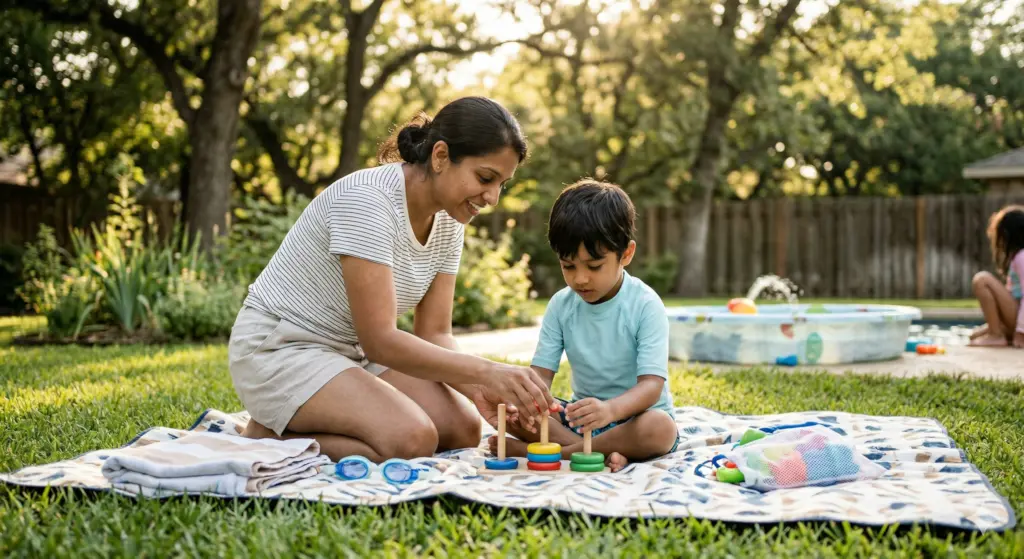
Swimming can be very regulating because of the full-body pressure of the water, rhythmic movement, and clear physical boundaries. Progress is easy to see, which helps many children feel successful. Smaller classes or quieter pool times are often the best fit.
2. Martial Arts
Martial arts often work well because classes are structured, routines are predictable, and progress is clearly measured through belt levels. The strong proprioceptive input and step-by-step instruction can be especially helpful. The instructor matters a lot — patient, flexible coaching makes a big difference.
3. Track and Running
Running is a strong option for children who crave movement. It involves little waiting, minimal social complexity, and a simple success measure: run and finish. It also allows children to be near peers without heavy social demands.
4. Gymnastics and Climbing
Both activities provide rich movement input through balance, coordination, and body control. They also tend to use clear, step-by-step skill building. Climbing can be especially appealing for children who enjoy physical challenges and solving visible movement problems.
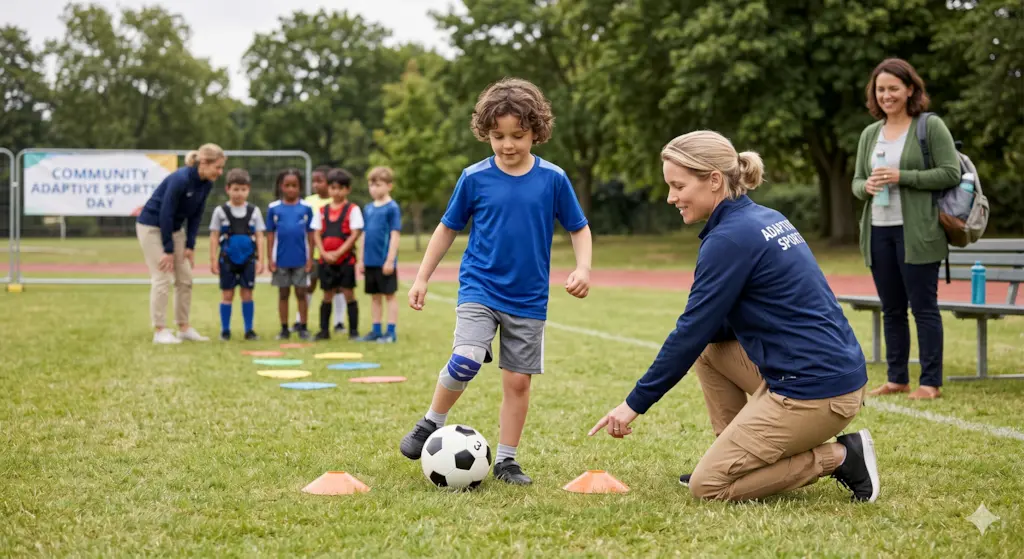
5. Adaptive Soccer and Recreational Team Programs
Adaptive soccer and similar programs can offer the benefits of team sports in a more supportive format. Smaller teams, adjusted rules, patient coaching, and sensory accommodations can make participation much more realistic. Look for programs that emphasize inclusion, coaching quality, and participation over performance.
How to Vet a Coach: 5 Questions to Ask Before Sign-Up
The coach often matters more than the sport itself. A flexible, patient coach who understands sensory and communication differences can make almost any activity more successful, while the wrong coach can turn even a good-fit sport into a stressful experience.
Before signing up, ask these questions:
- What experience do you have with autistic or sensory-sensitive children?
- Look for specific examples, not just general friendliness.
- Can we try one session before committing?
- A trial class helps you see whether the environment and coaching style are a good fit.
- How do you handle breaks or early exits?
- A strong program should already have a plan for pauses, regulation breaks, or stepping out.
- What is the class size, and how much individual attention does each child get?
- Smaller groups usually mean less sensory overload and more support.
- How do you communicate progress or concerns with parents?
- Regular, clear feedback helps families know what is working and what may need adjusting.
Signs a Coach Is Flexible and Neurodiversity-Aware
Pay attention to how the coach communicates. Do they use clear language, demonstrate visually, stay calm with repetition, and seem open to adjusting pace or approach? A good coach will feel curious about your child’s needs, not defensive or formulaic.
How to Prepare for a First Practice
The first session is often the hardest because everything is new. Preparation will not guarantee a smooth experience, but it can reduce stress and uncertainty.
- Schedule a preview visit: Let your child see the space, meet the coach, and leave without pressure to join.
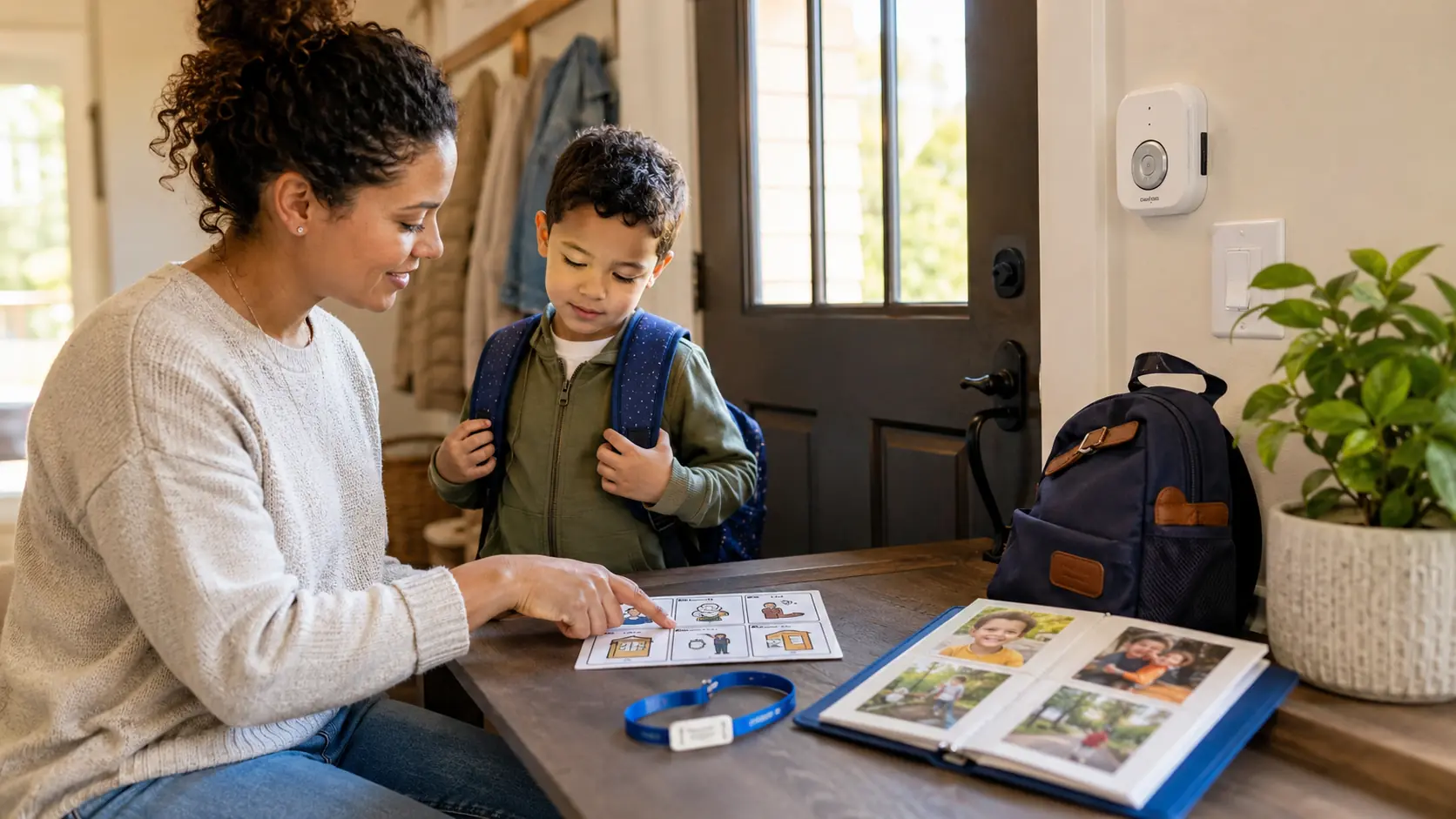
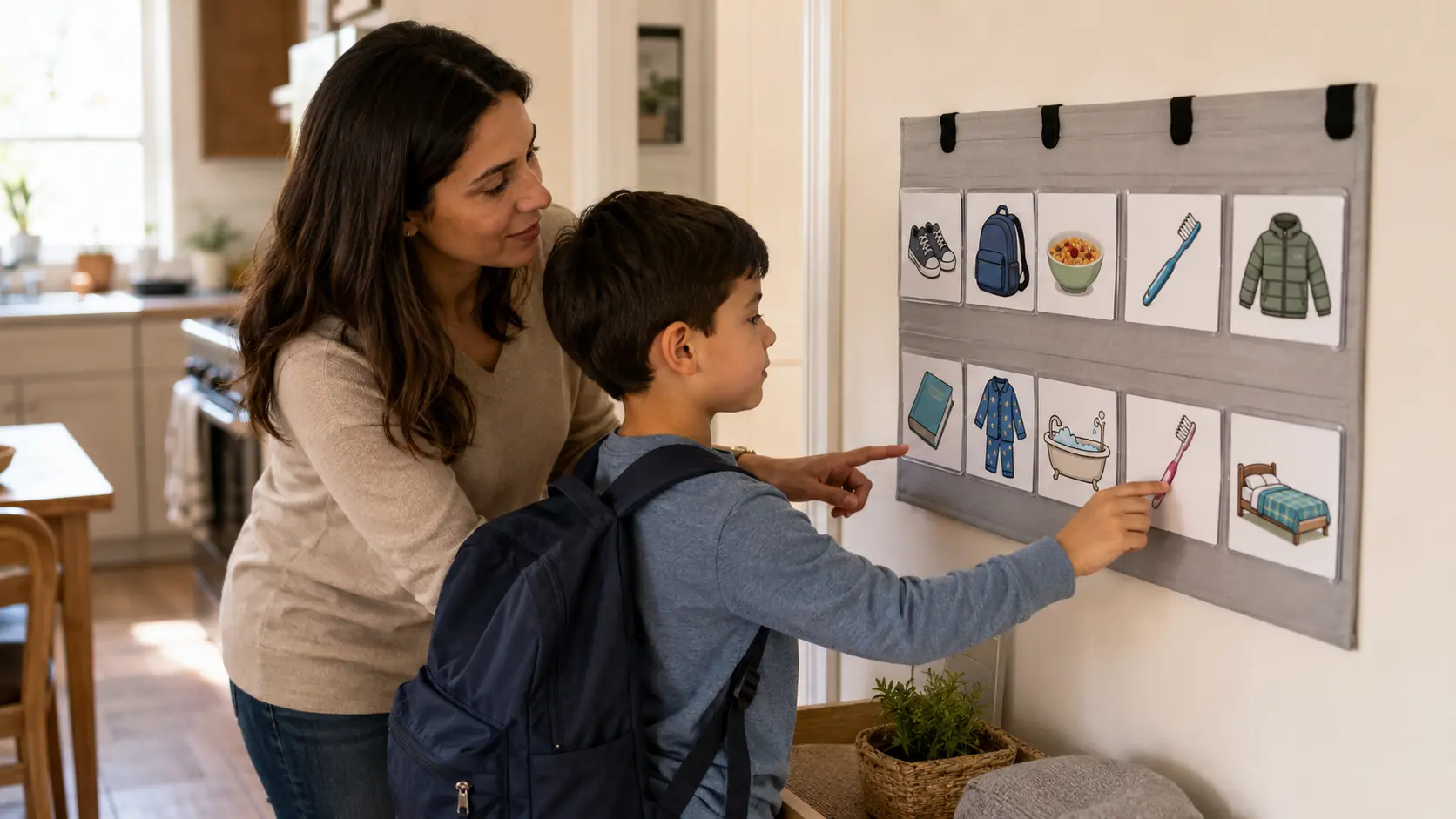
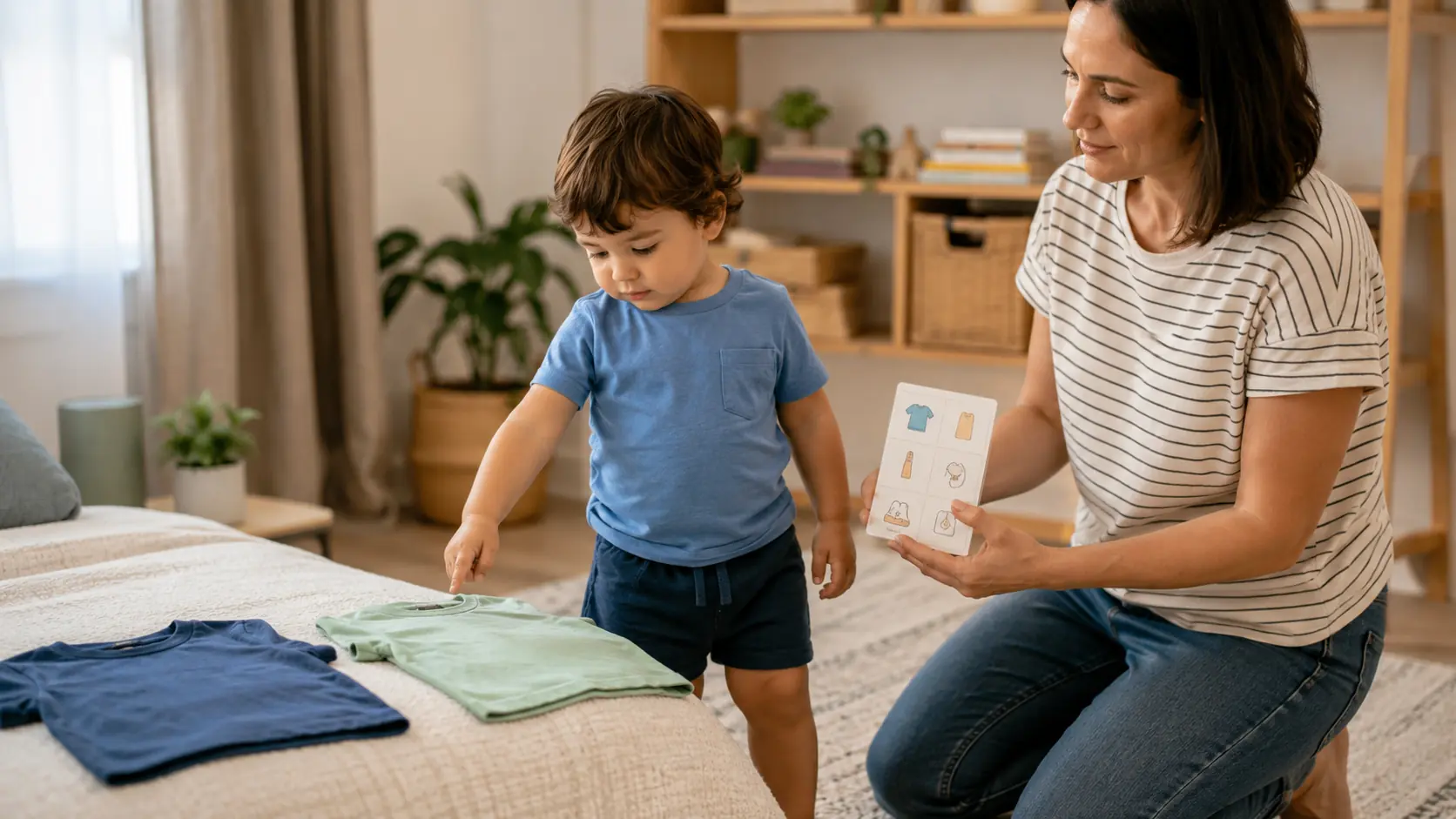
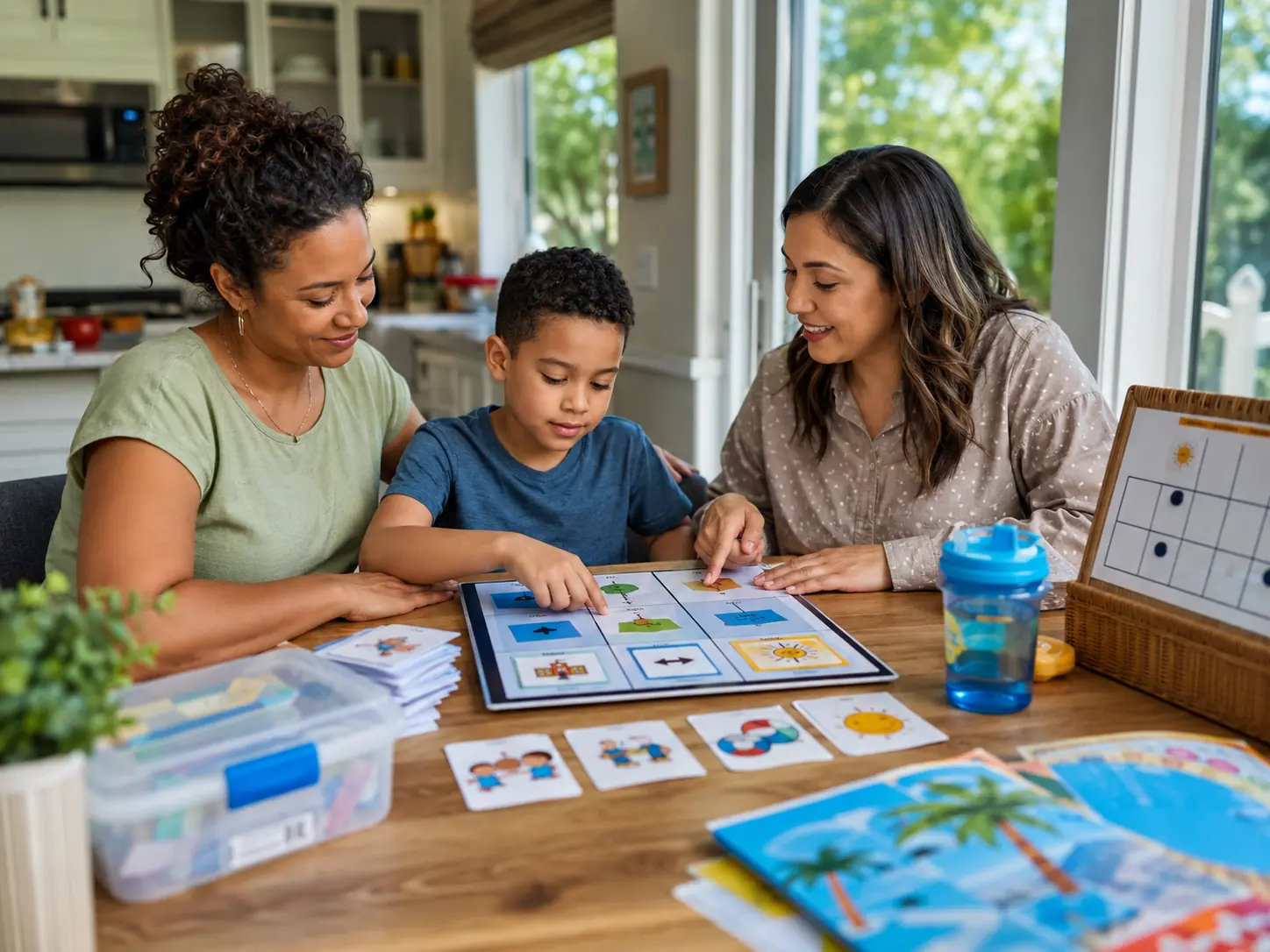
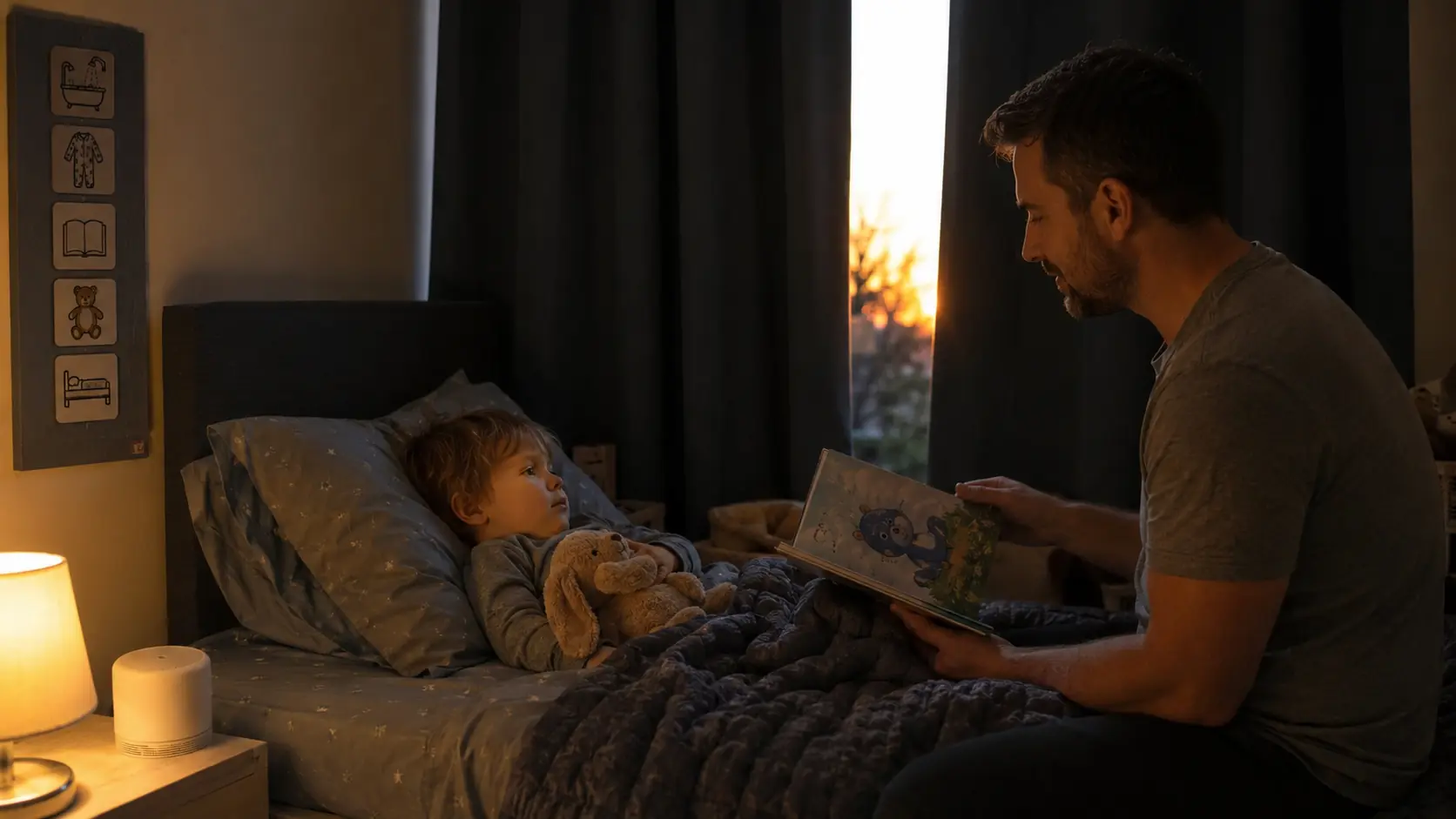
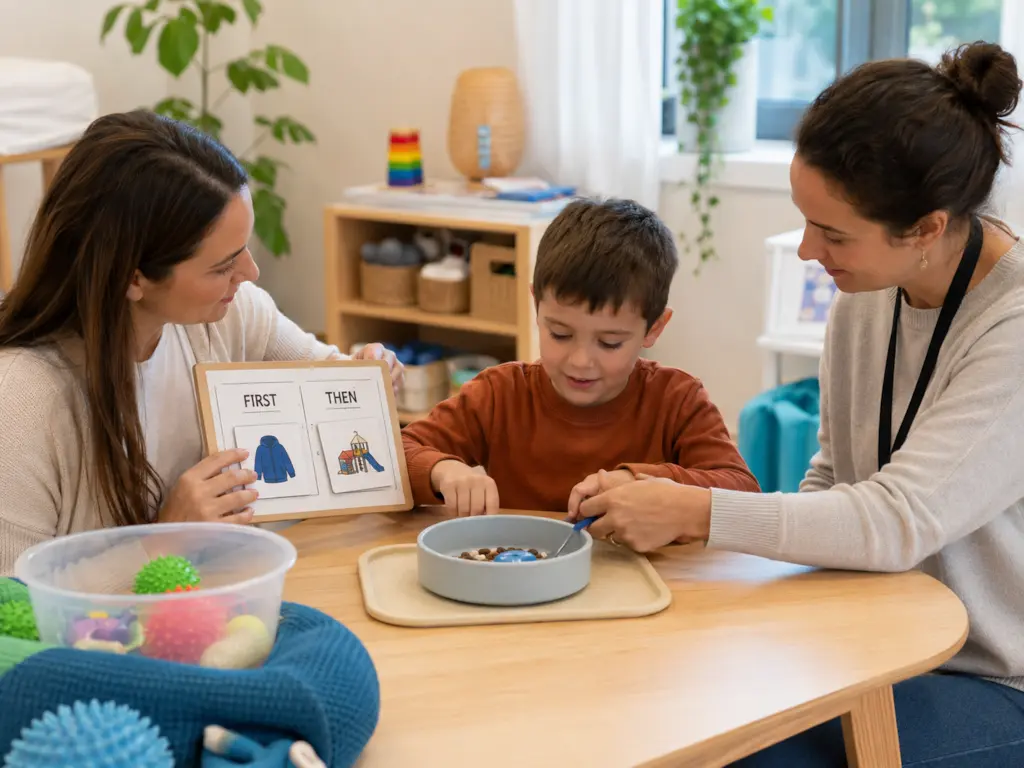
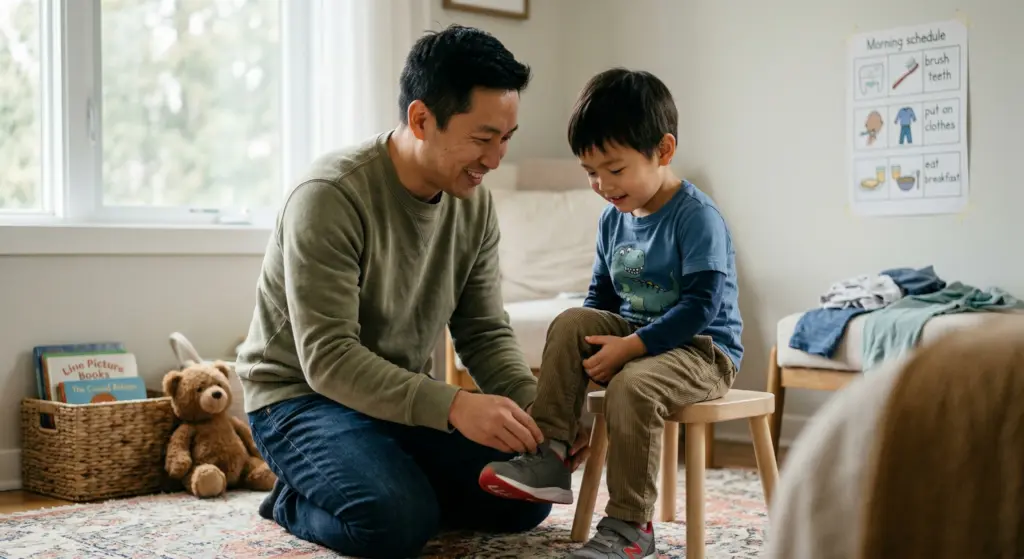
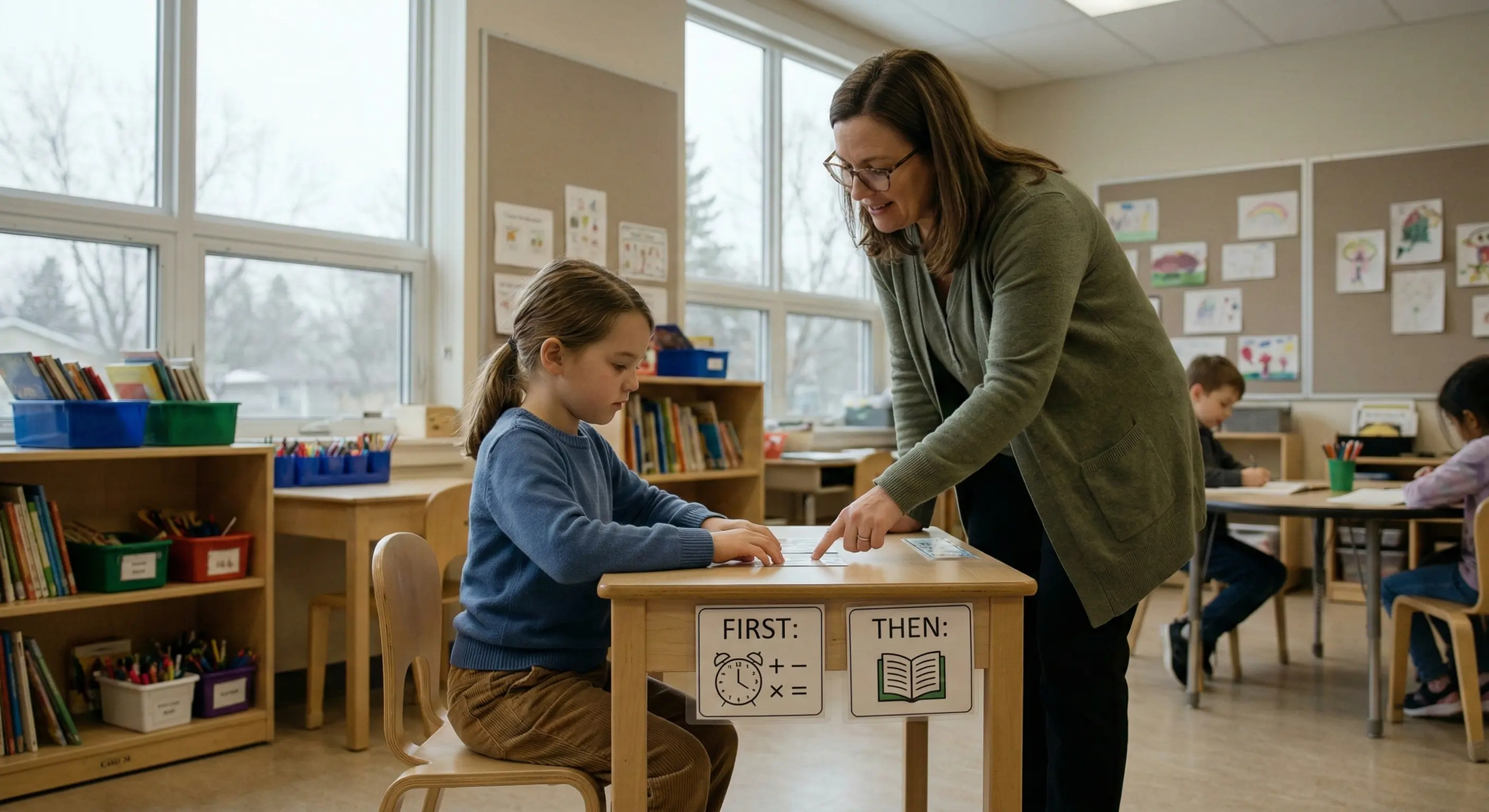
- Use a visual schedule: Show what comes before, the activity itself, and what comes after.
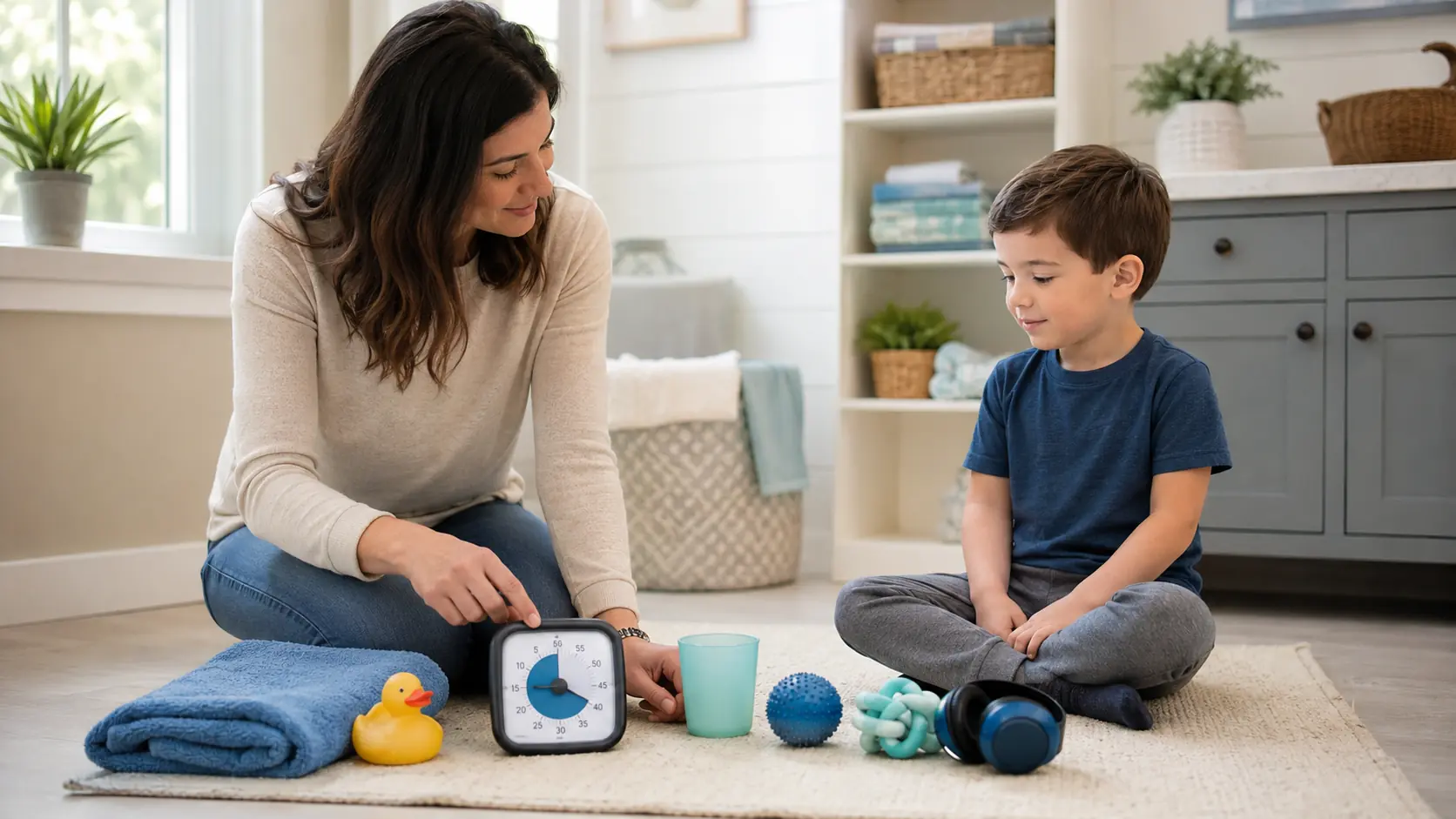
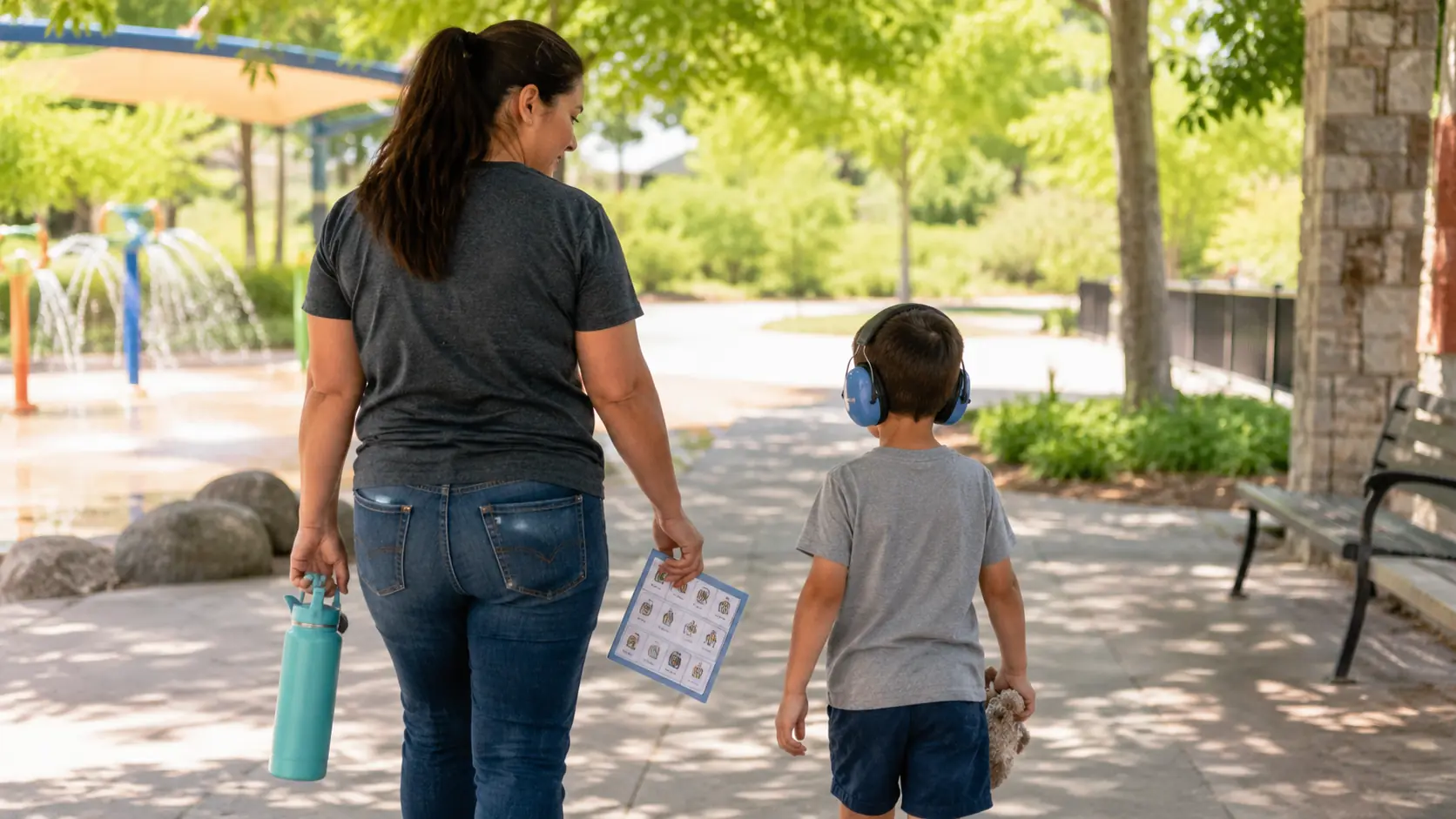
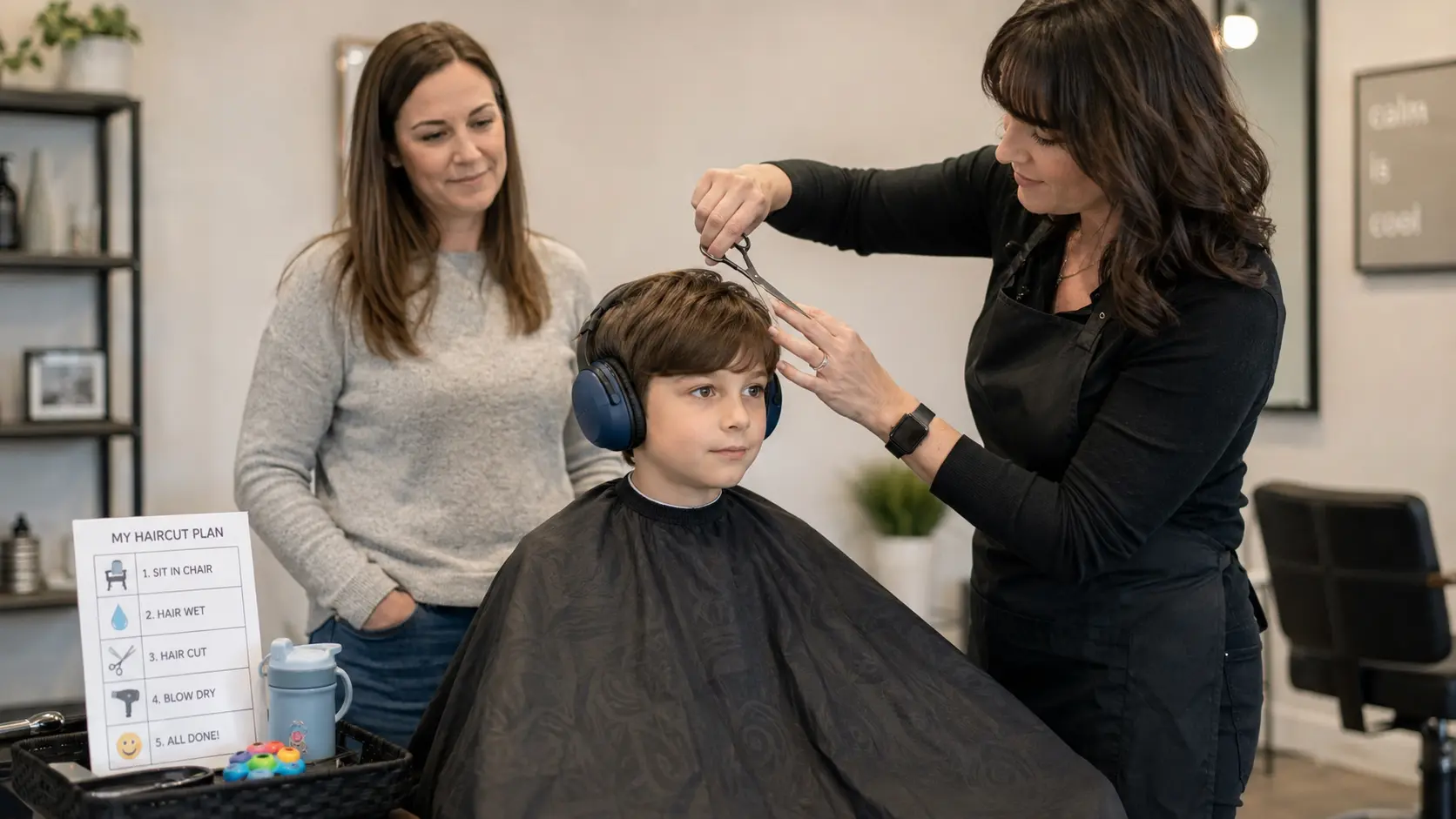
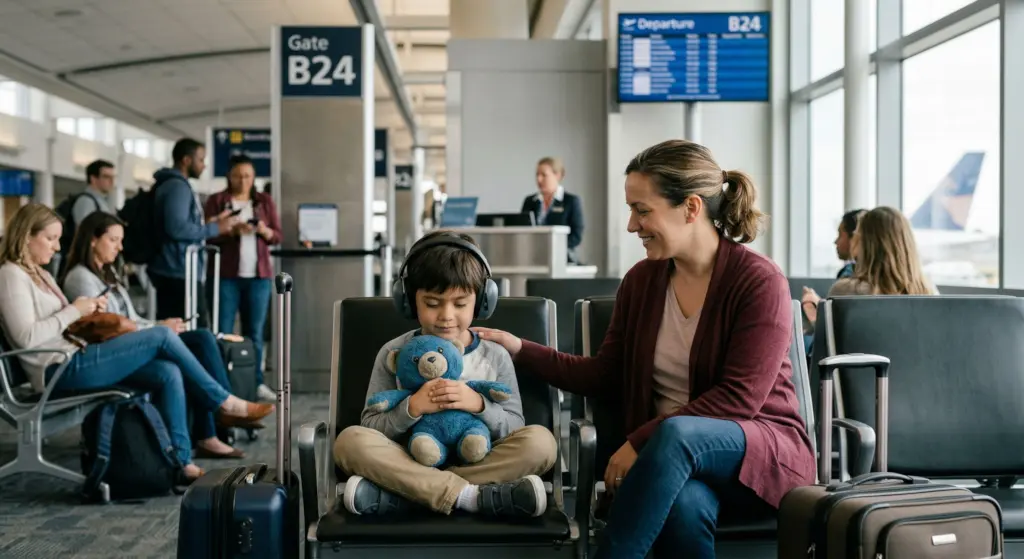
- Prepare clothing and sensory supports ahead of time: Choose comfortable clothing and pack any familiar calming items.
- Brief the coach in advance: Share key information about communication, sensory needs, and what helps when your child feels overwhelmed.
- Have a clear exit plan: Let your child know they can leave early if needed. A calm early exit is not a failure.
What Counts as Success in the First Month of a New Activity
In the first month, success is not about performance. It is about whether your child is willing to come back. A child who shows up, participates in part of the session, and leaves without major distress has had a successful start. In the early weeks, the goal is participation, not perfection.
What If My Child Has a Meltdown During a Game or Class?
Dysregulation during an activity is not failure. It is information about what was too much in that moment — the environment, sensory load, social demands, transitions, timing, or expectations.
- Pause and reduce demands: At the first signs of escalation, step back, say less, and use familiar calming supports.
- Leave calmly if needed: Ending early without drama protects the child’s regulation and keeps the experience from becoming more distressing.
- Debrief later: Once your child is calm, briefly think about what was hardest and what might help next time.
- Adjust or reassess: One difficult session is a problem to solve. Repeated difficult sessions in a program that cannot adapt usually mean the fit is wrong, not that the child is failing.
The Right Sport Is the One That Fits Your Child
The best sport is the one where your child feels safe enough to try, return, and grow. That might be swimming, martial arts, running, or an adaptive team program — what matters most is the fit between the child, the coach, and the environment.
If you need help choosing the right activity for your child’s sensory needs, strengths, and social comfort level, AtlasCare ABA can help.
Schedule a consultation with the AtlasCare team.




.webp)
.webp)
.webp)
.webp)
.webp)




.jpg)
.webp)

.webp)
.webp)







%20During%20Play%20in%20the%20Home.webp)