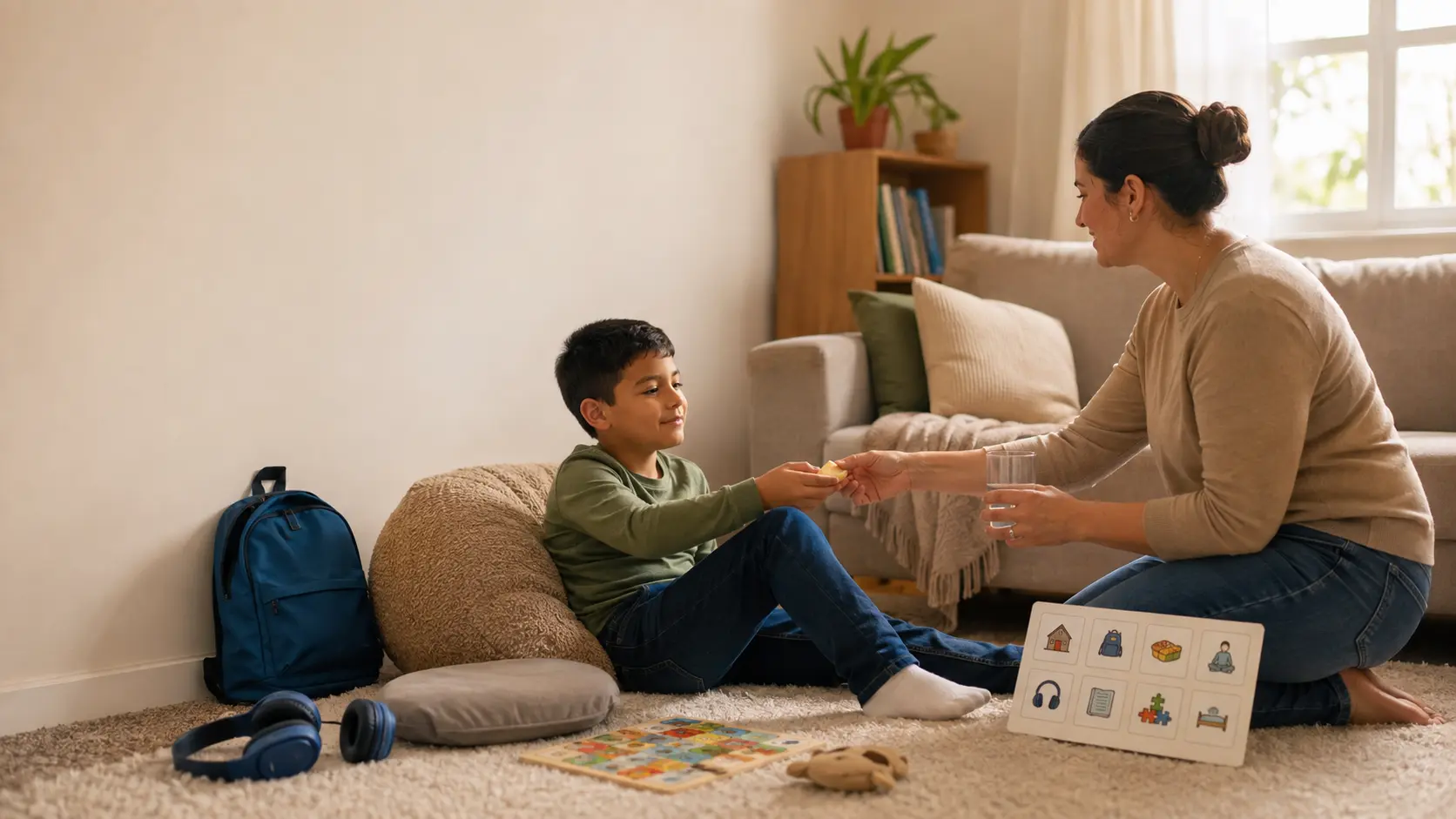
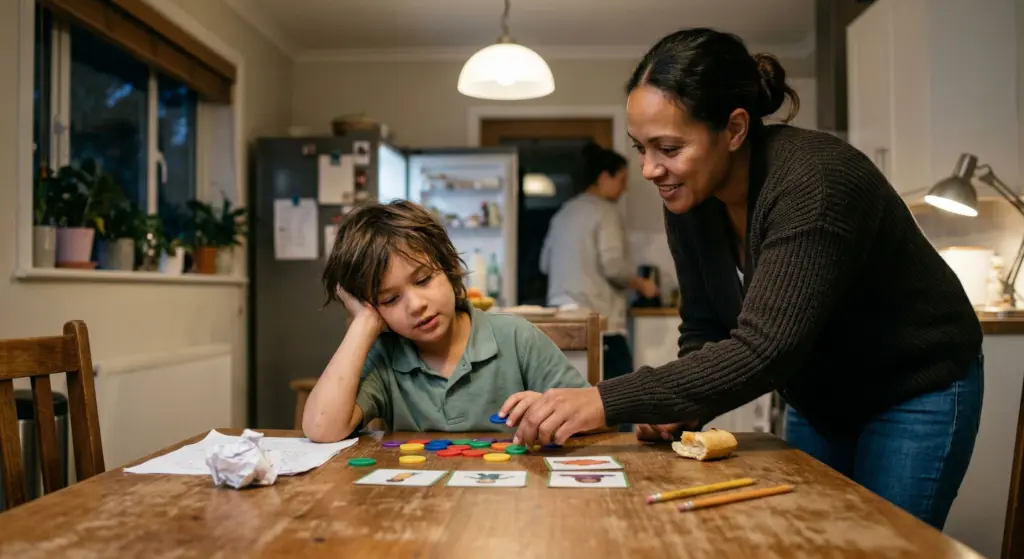
The school calls to say your child had a good day. And then you open the car door, or they walk through the front door, and everything unravels — tears, yelling, withdrawal, or complete shutdown — sometimes within minutes.
After-school restraint collapse is the term many parents and educators use to describe what can happen when an autistic child who appears to cope through a demanding school day reaches home and becomes overwhelmed. It is not a formal diagnosis — it is a recognizable pattern that can reflect depleted regulatory capacity, not deliberate defiance. Understanding what may be driving it is the first step toward creating afternoons that work better for the whole family.
What Is After-School Restraint Collapse?
After-school restraint collapse describes when a child manages the school day outwardly but experiences a meltdown, shutdown, or intense emotional distress after coming home. The effort of coping with school demands may leave them with little capacity to regulate emotions afterward.
It is a descriptive term, not a medical diagnosis. Not every difficult afternoon is restraint collapse, and a meltdown at home does not necessarily mean a child was masking at school.
Why Some Autistic Children Hold It Together at School
A school day can place many demands on an autistic child: following routines, transitioning between activities, processing instructions, managing sensory input, navigating social situations, and meeting behavioral expectations. Even when the day appears to go smoothly, coping with these demands can require significant cognitive and emotional effort.
Autism masking or camouflaging — suppressing or compensating for visible autistic traits — has been associated with exhaustion and reduced well-being. This does not mean every calm or compliant child is masking, but a positive school report does not always mean the day felt easy.
By the time the child gets home, their ability to keep regulating may simply be depleted.
Common Signs of Restraint Collapse After School
Restraint collapse can look different from child to child and may vary from day to day. Common signs include:
- Crying or tearfulness after school
- Yelling, irritability, or strong reactions to small triggers
- Hitting, throwing, or self-directed behavior
- Dropping to the floor, refusing to move, or shutting down
- Retreating to a quiet or preferred space
- Reduced speech or difficulty communicating
- Increased stimming or sensory-seeking behavior
- Strong resistance to transitions or changes
- Unusual tiredness or falling asleep early
Rather than focusing on one episode, look for patterns. Tracking school events, sleep, meals, transportation, timing, and recovery can help identify what may be contributing.
How Masking, Sensory Load, Hunger, and Fatigue Can Contribute
Several factors can increase after-school dis regulation. A child may be affected by one or several of these at the same time.
Autism Masking and Camouflaging
Some autistic children may suppress or minimize visible autistic traits during the school day. This effort can be exhausting and may leave them with less capacity to manage additional demands after school.
Sensory Load
Noise, bright lighting, crowded spaces, smells, and constant physical proximity can make school sensory-demanding. Accumulated sensory input may leave a child with less capacity to cope by the end of the day.
Hunger and Dehydration
Some children may eat or drink less than usual at school because of sensory preferences, anxiety, cafeteria discomfort, or limited food choices. Hunger or dehydration can make emotional regulation more difficult.
Fatigue and Sleep
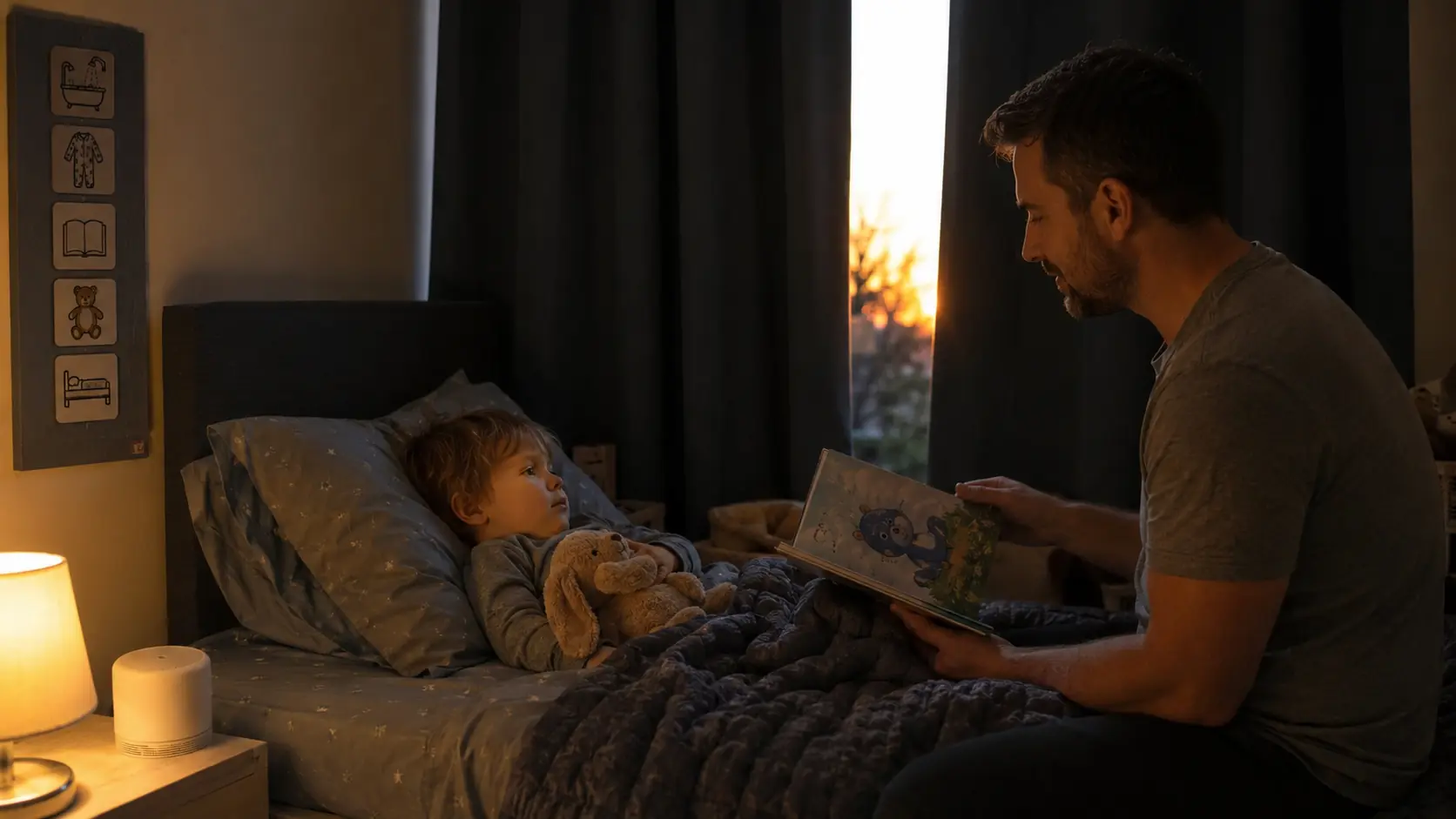
Poor sleep or a long, demanding school day can reduce a child's ability to manage stress and emotions, especially later in the afternoon.
Transition Stress
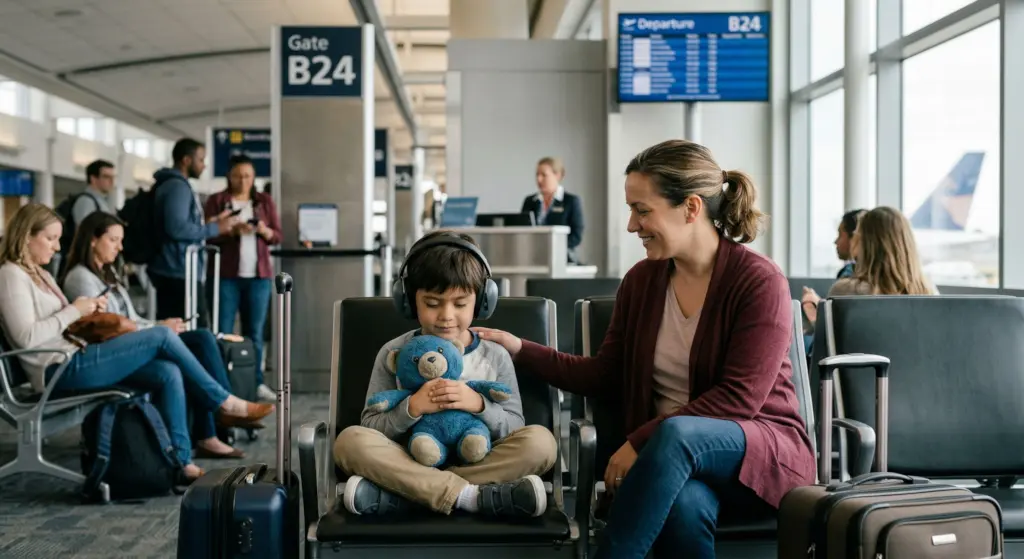
The transition from school to home can also be challenging. Bus rides, traffic, crowded hallways, unexpected changes, or simply shifting between environments may add to the day's accumulated stress.
Other contributors can include pain, illness, medication effects, anxiety, peer difficulties, academic pressure, or communication frustration. A sudden or significant change in behavior should be discussed with the child's pediatrician or medical provider rather than automatically attributed to after-school restraint collapse.
Creating a Low-Demand Decompression Routine After School
A predictable, low-demand routine can help reduce after-school dis regulation by limiting extra demands when a child is already tired or overwhelmed.
There is no ideal decompression time. Some children may need 30 minutes, while others need much longer. Instead of watching the clock, look for recovery signs such as calmer movement, improved communication, greater engagement, or a more settled mood.
An Example After-School Decompression Routine
Use this as a flexible starting point rather than a strict schedule.
- Keep arrival calm
Use a simple greeting and avoid too many questions or instructions.
- Meet basic needs
Offer water and a familiar snack, especially if the child has eaten or drunk little during school.
- Offer decompression choices
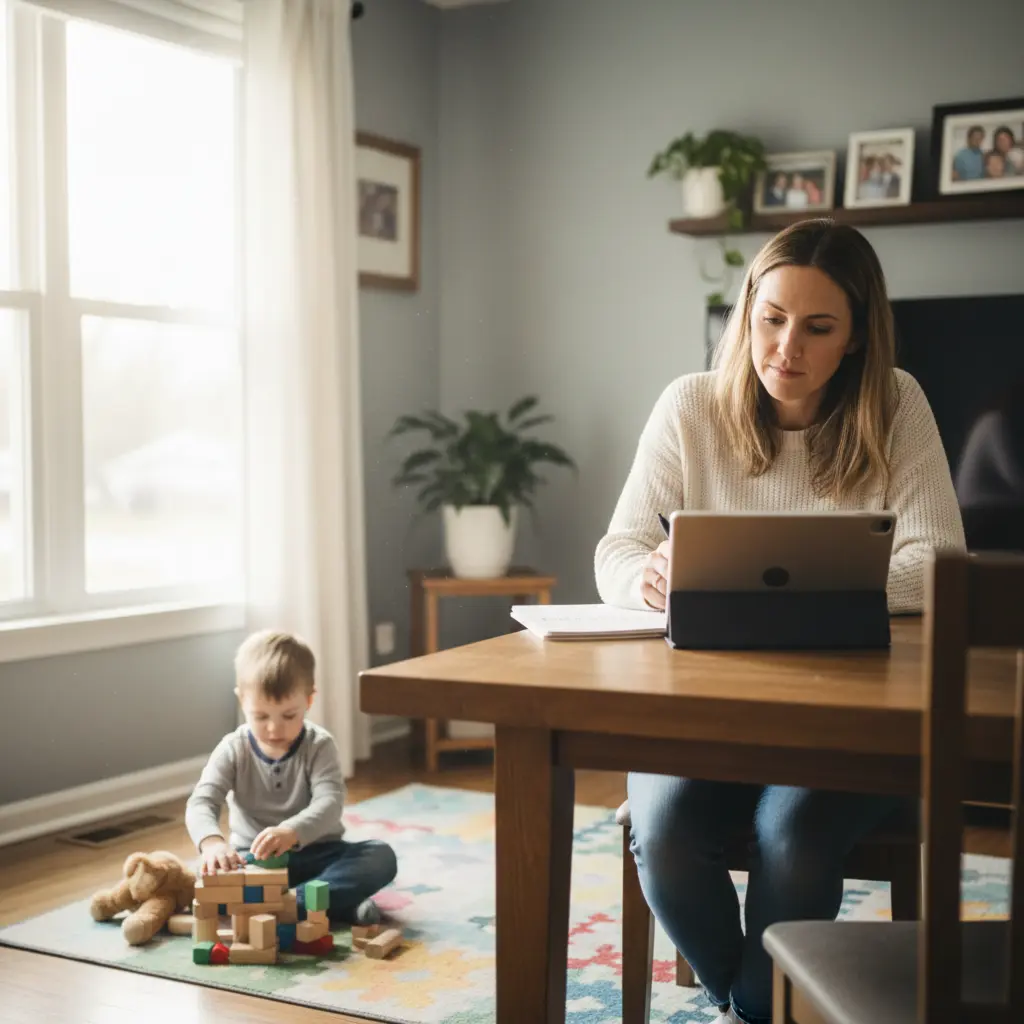
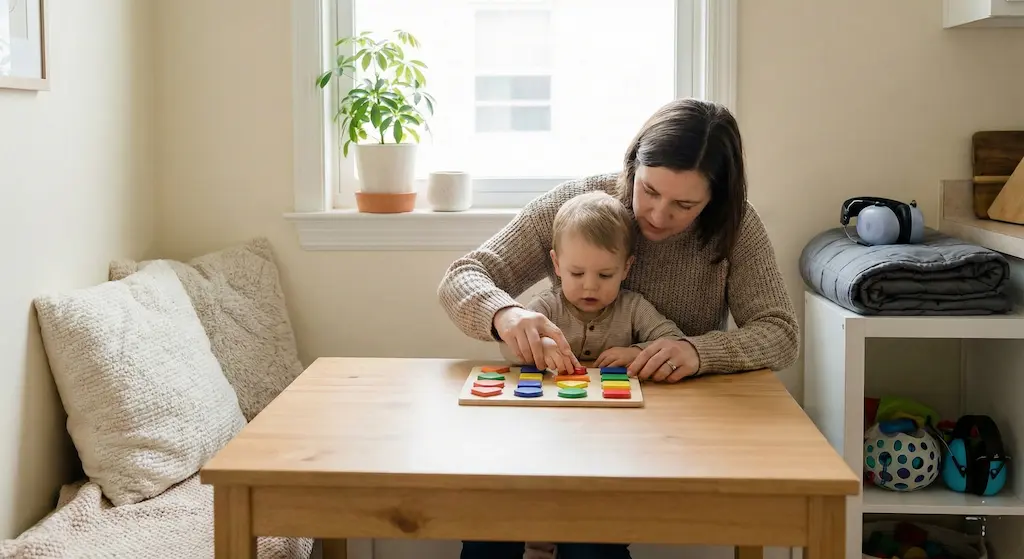
Provide a few familiar options such as quiet time, movement, sensory tools, a preferred activity, or time alone.
- Save questions for later
Avoid immediately asking for details about school. Wait until the child is more regulated and ready to talk.
- Reconnect gently
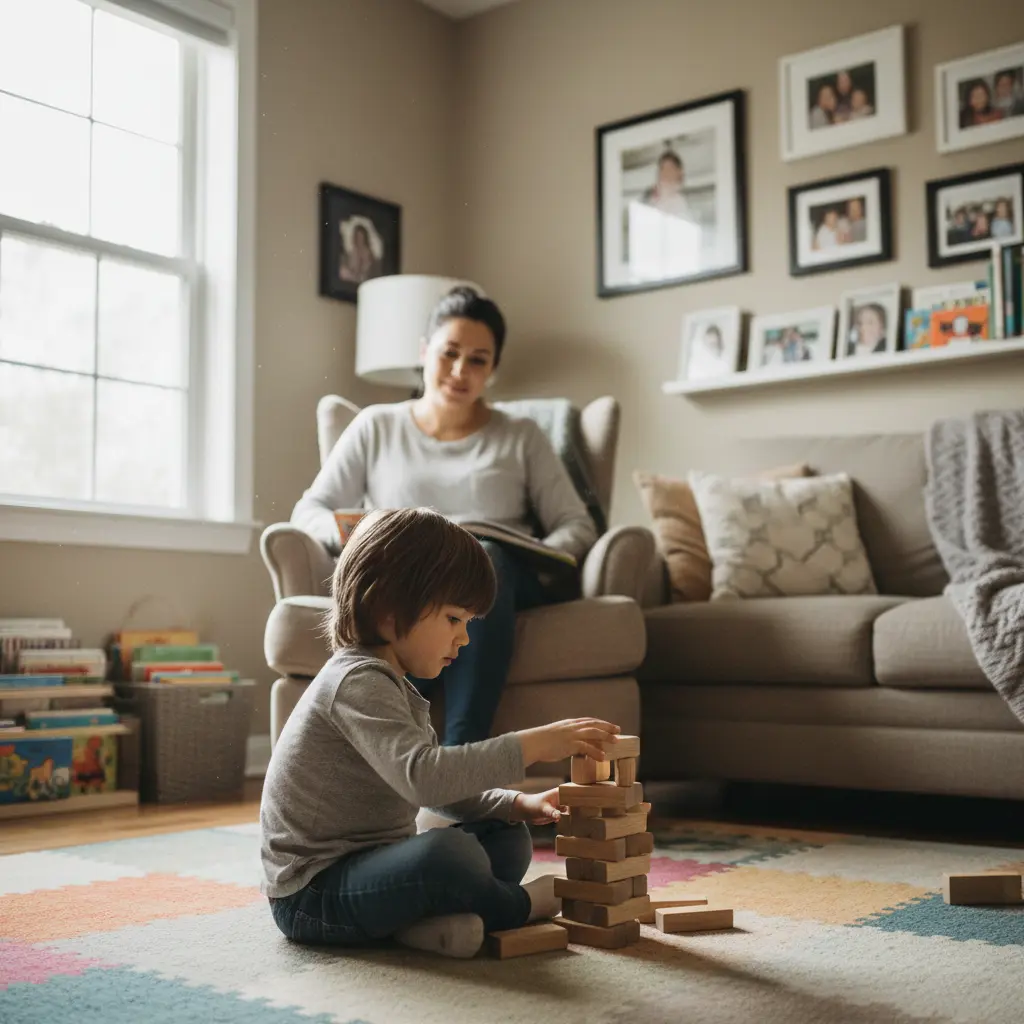
Offer connection in a way the child is comfortable with, such as sitting nearby, sharing an activity, or simply allowing quiet time.
- Introduce demands gradually
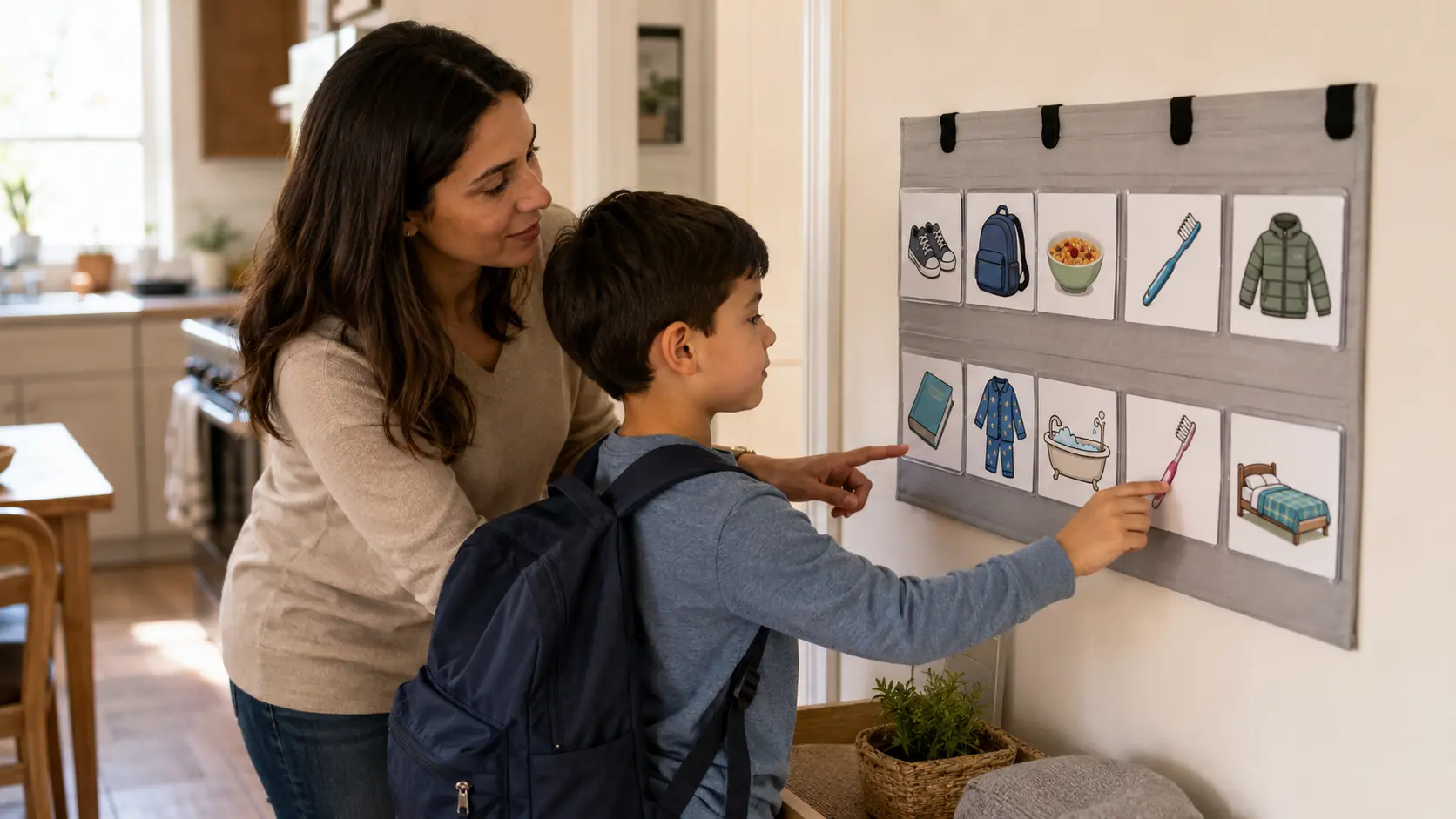
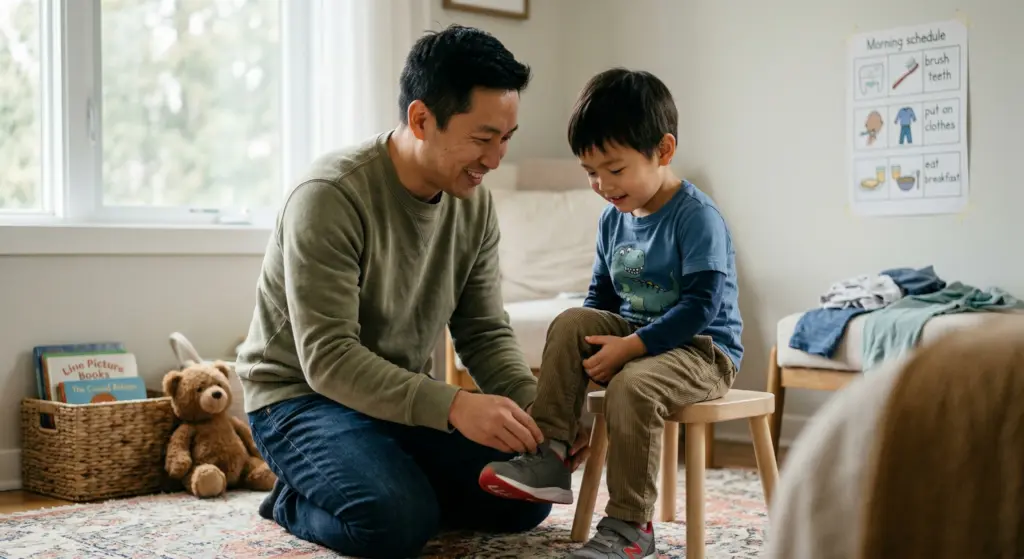
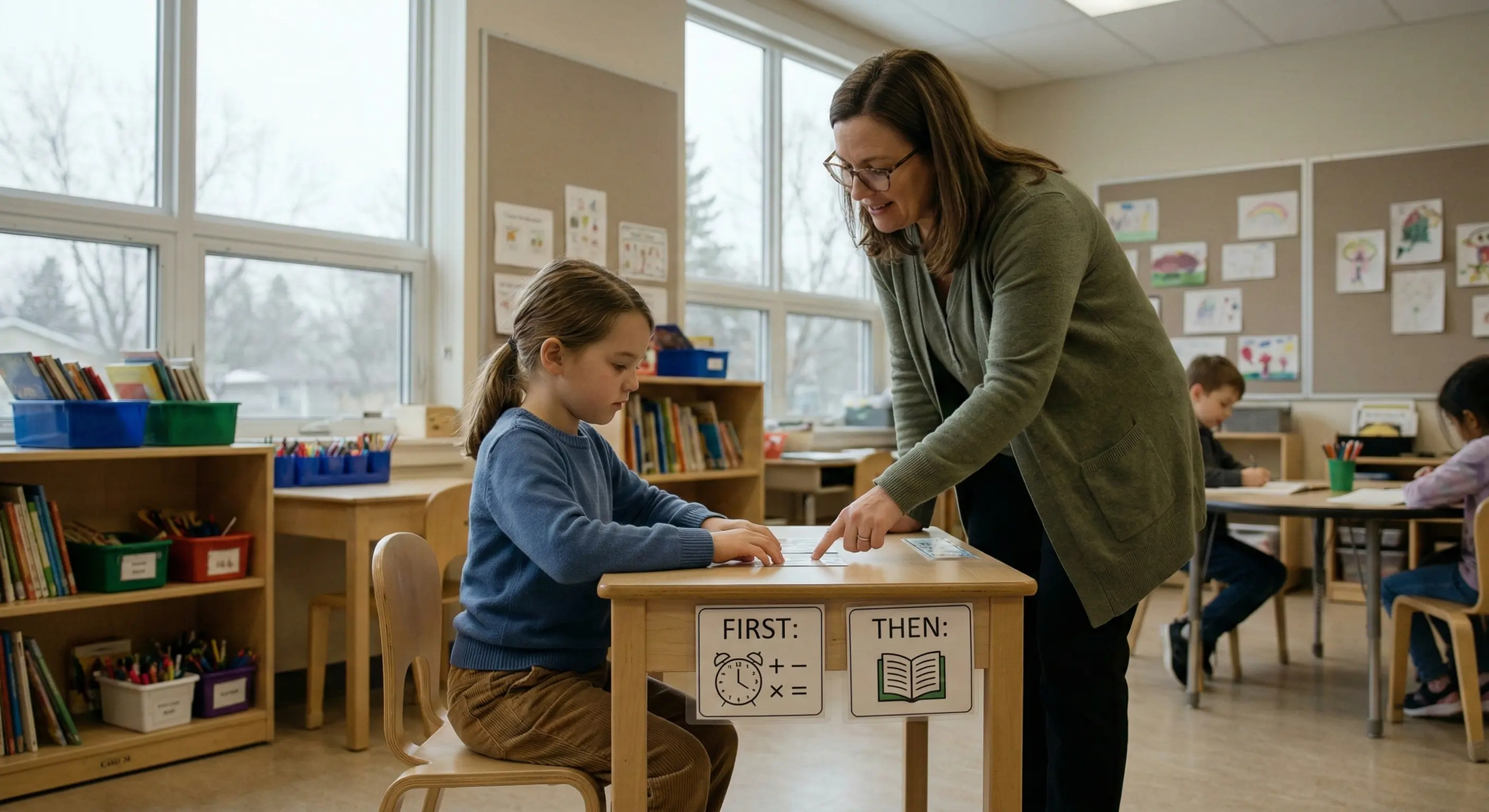
Begin homework, chores, or other tasks only after the child shows signs of recovery. A visual schedule can make the next transition more predictable.
What to Avoid Immediately After School
- Rapid-fire questions about the school day
- Correcting behavior during a meltdown or shutdown
- Asking the child to explain what went wrong
- Starting homework or chores immediately
- Stopping harmless stimming or other self-regulation strategies
- Adding unnecessary errands or social activities after pickup
If after-school routines remain difficult despite consistent changes, individualized parent coaching can help identify patterns and create a routine that better fits your child's needs.
Making the Transition From School to Home More Predictable
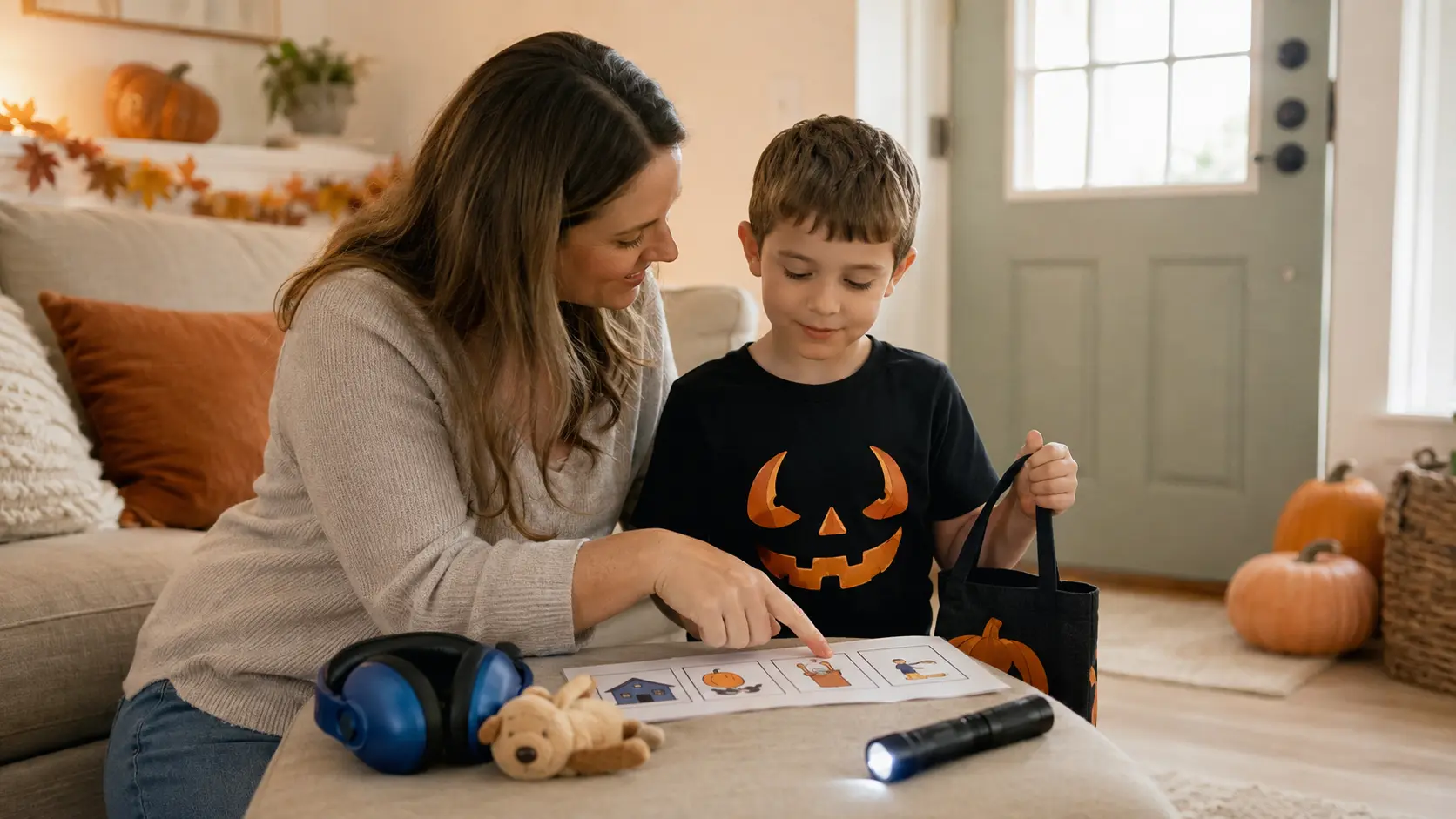
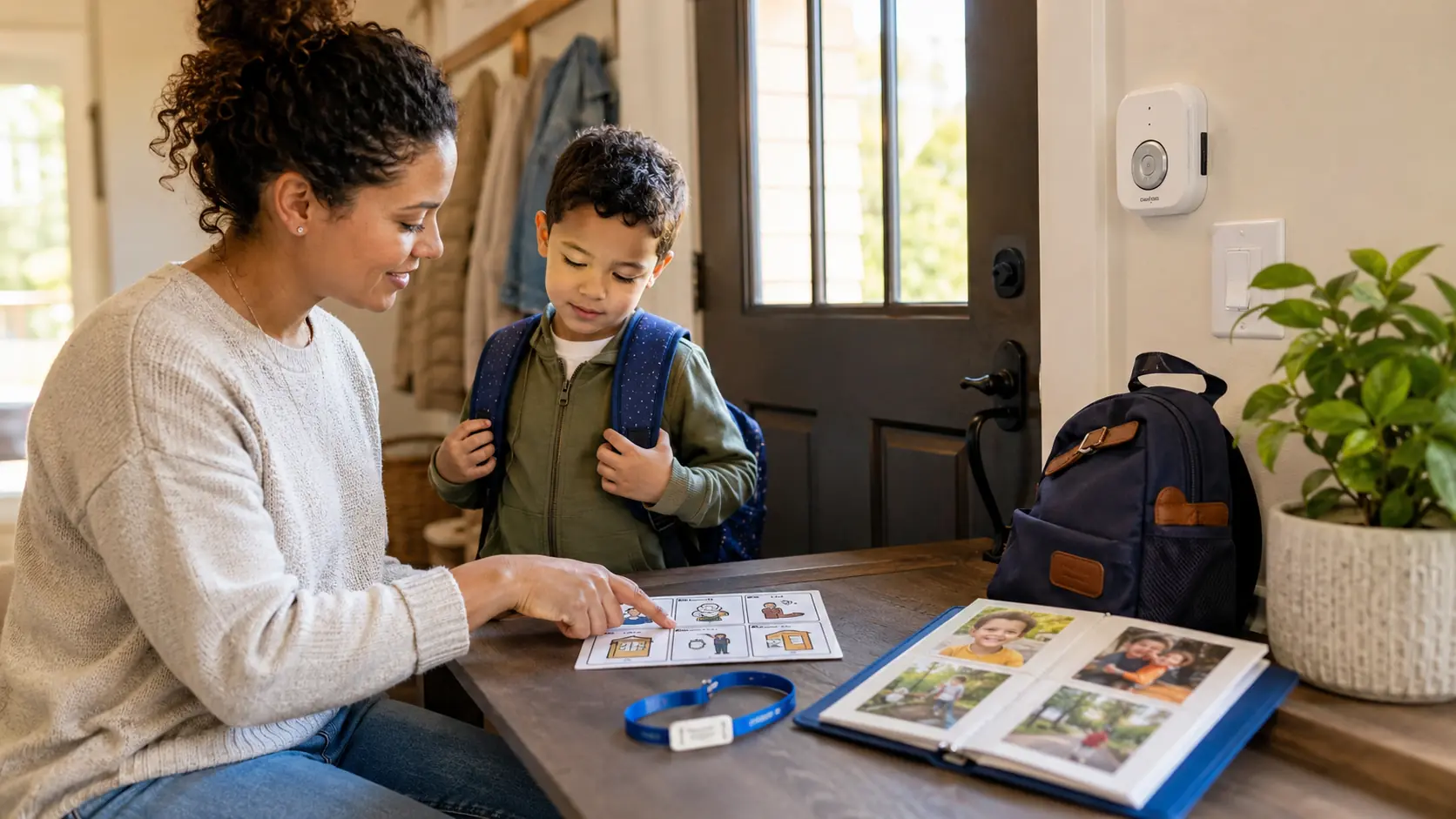
Transitions are often easier when children know what to expect. A consistent pickup routine and a simple visual schedule — such as arrive, snack, quiet time, then the next planned activity — can reduce uncertainty and the need for repeated verbal reminders.
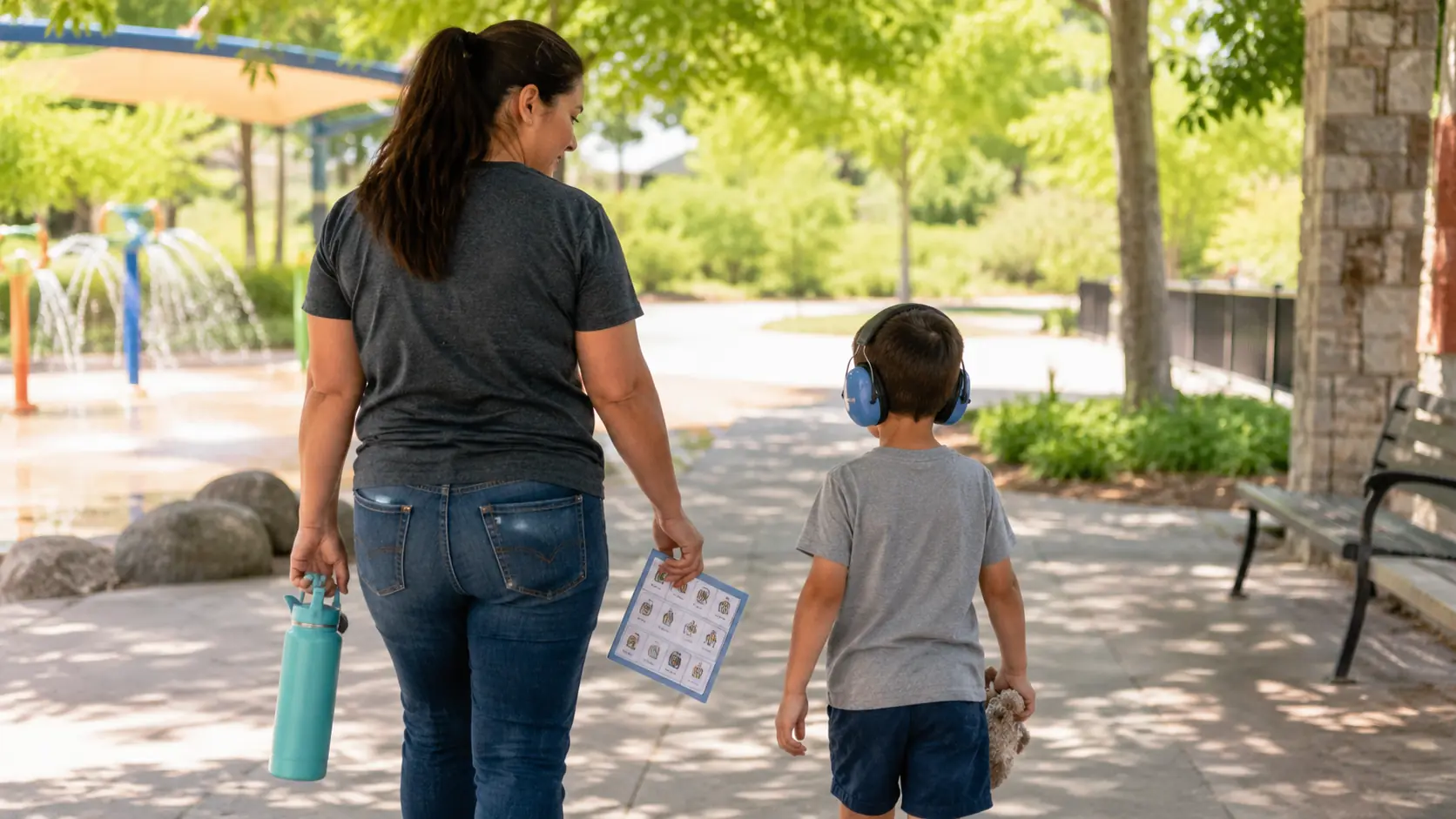
If your child uses AAC, picture symbols, or another communication support, keep it accessible during pickup and the journey home rather than packed away.
Simple communication with school can also provide useful context. Knowing about changes such as a fire drill, substitute teacher, skipped lunch, or difficult social interaction may help explain a harder-than-usual afternoon.
When Homework and Other Demands Should Be Introduced
Homework does not need to begin immediately after school, especially if the child is still dis regulated or recovering from the day.
The best timing depends on the child. Some may do well after a short break, while others may be more ready later in the evening. Breaking homework into smaller steps, using a visual schedule, and providing a clear endpoint can make the routine easier to manage.
If homework regularly causes significant distress, consider discussing accommodations, workload adjustments, or alternative arrangements with the school team.
When Frequent After-School Meltdowns Need Further Assessment
Occasional difficult afternoons can happen, but further assessment may be helpful when:
- Episodes are frequent or severe, especially if they involve self-injury, aggression, or elopement.
- Dis regulation lasts for hours or regularly affects sleep and family routines.
- Behavior changes suddenly from the child’s usual pattern.
- Eating, sleep, or daily living skills are being significantly disrupted.
Assessment should look beyond behavior alone. Sleep problems, pain or illness, anxiety, bullying, academic demands, and sensory or communication challenges may all contribute. A functional behavior assessment can also help identify patterns when difficulties are ongoing.
For sudden changes or possible medical or mental health concerns, contact the child’s pediatrician or another qualified clinician.
How ABA Parent Coaching Can Support After-School Routines
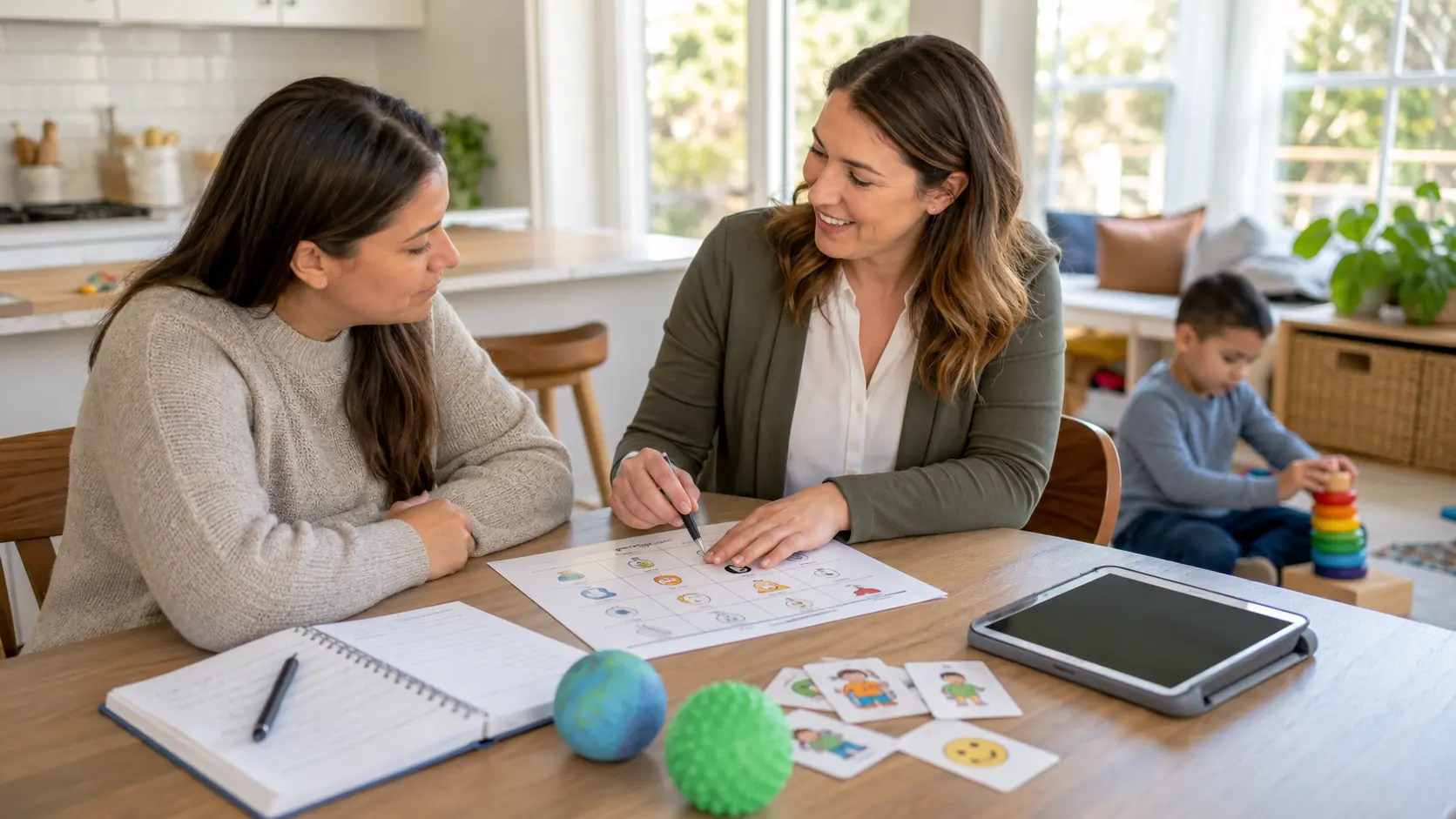
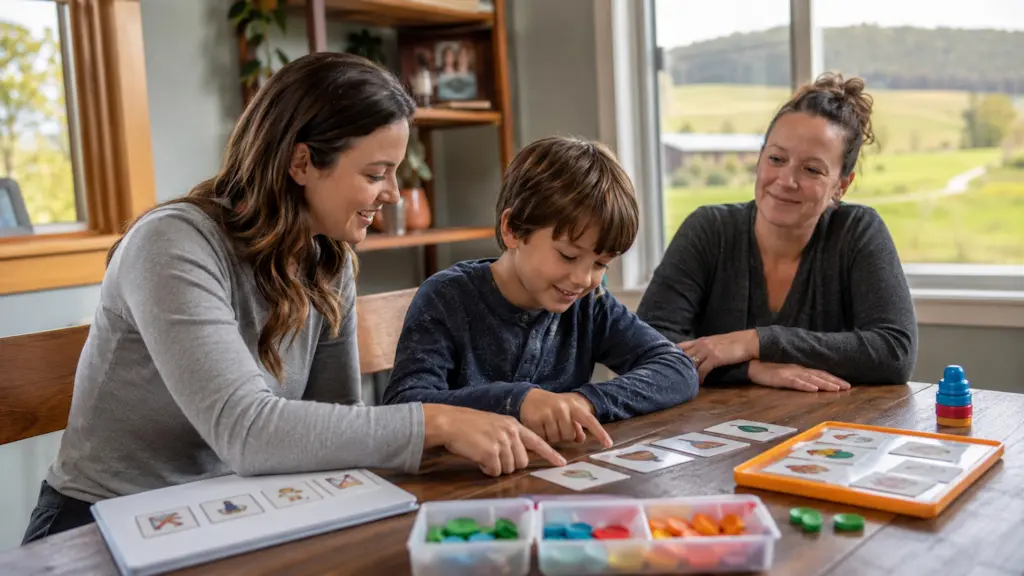
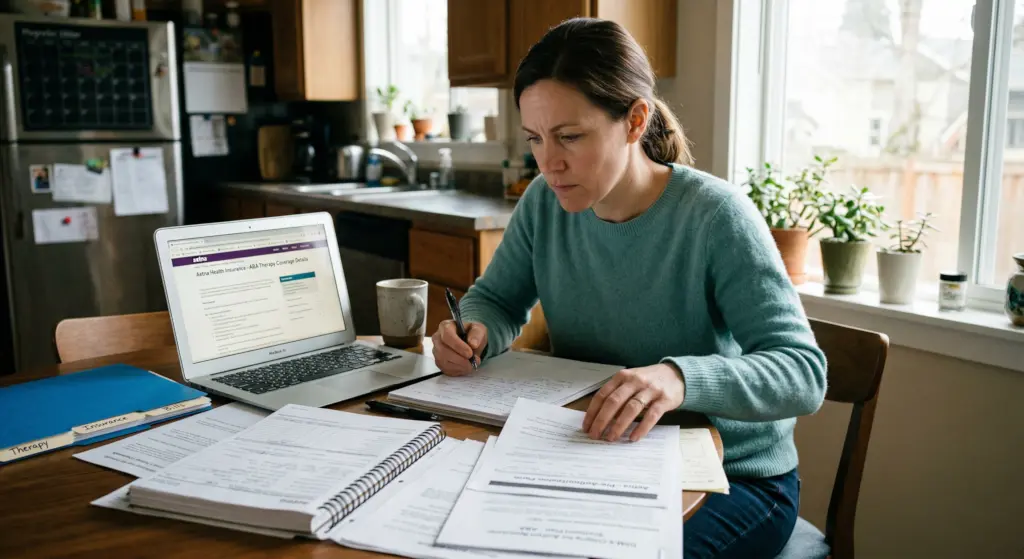
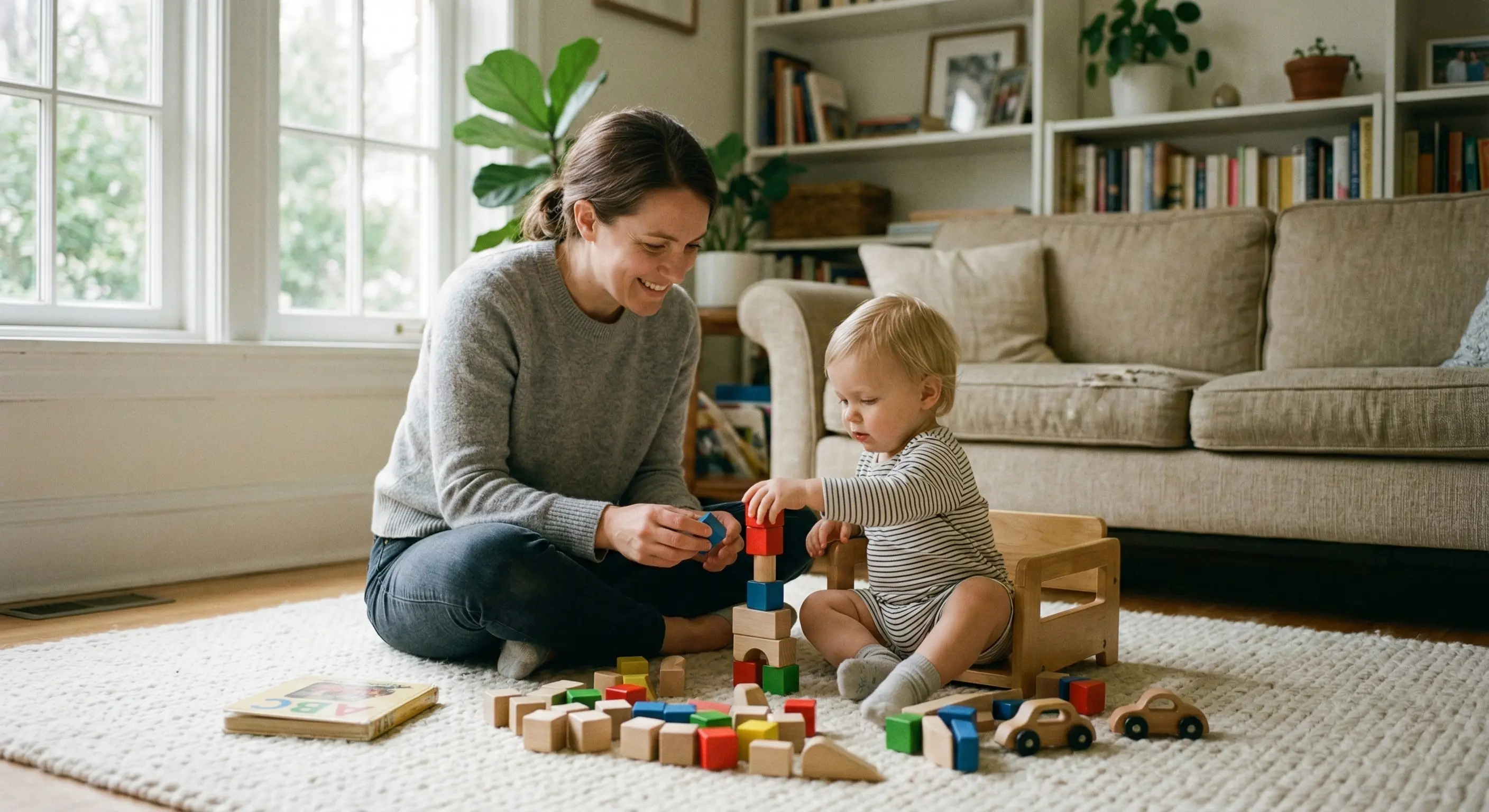
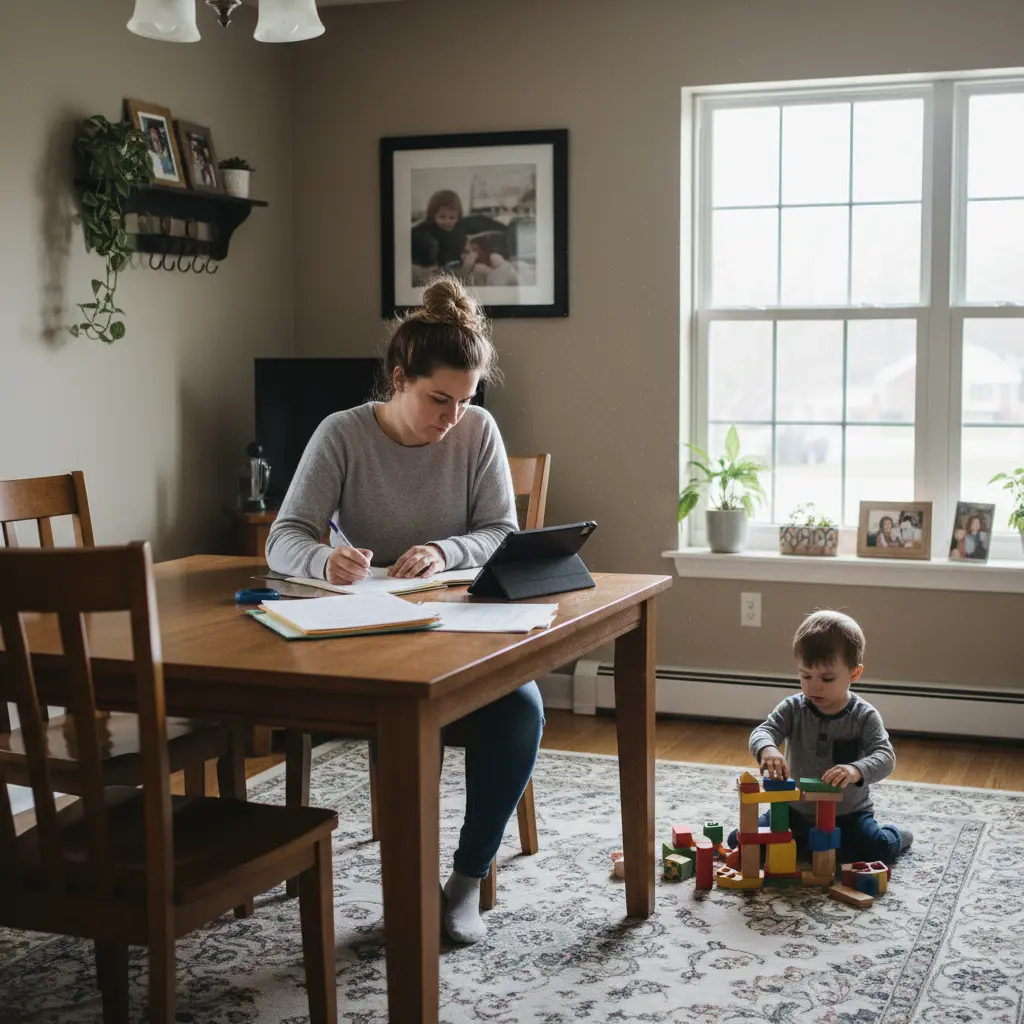
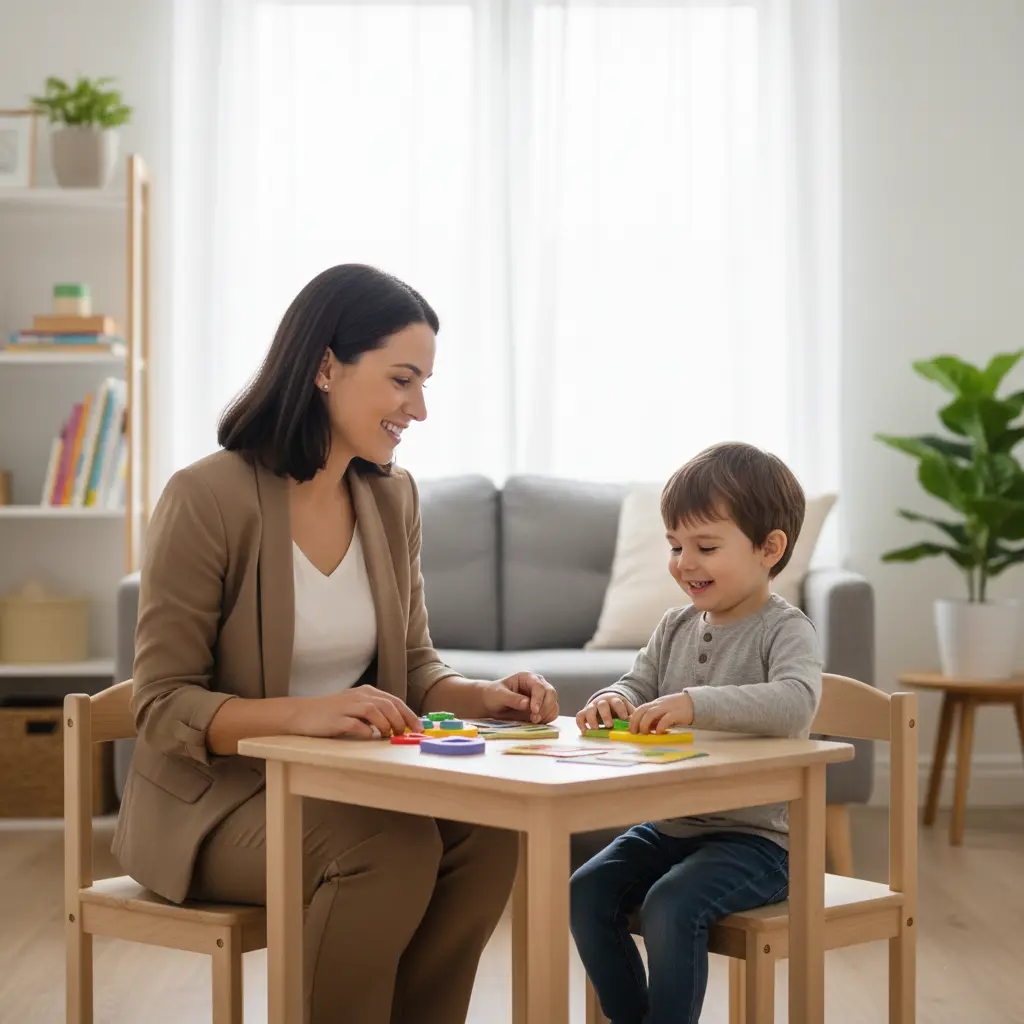
ABA parent coaching can help caregivers identify patterns, adjust the environment, strengthen communication, and build more predictable after-school routines.
For example, a clinician may help a family notice that difficult afternoons are more common after a long bus ride, missed snack, and immediate homework. The routine can then be adjusted with food, decompression time, and a slower introduction of demands.
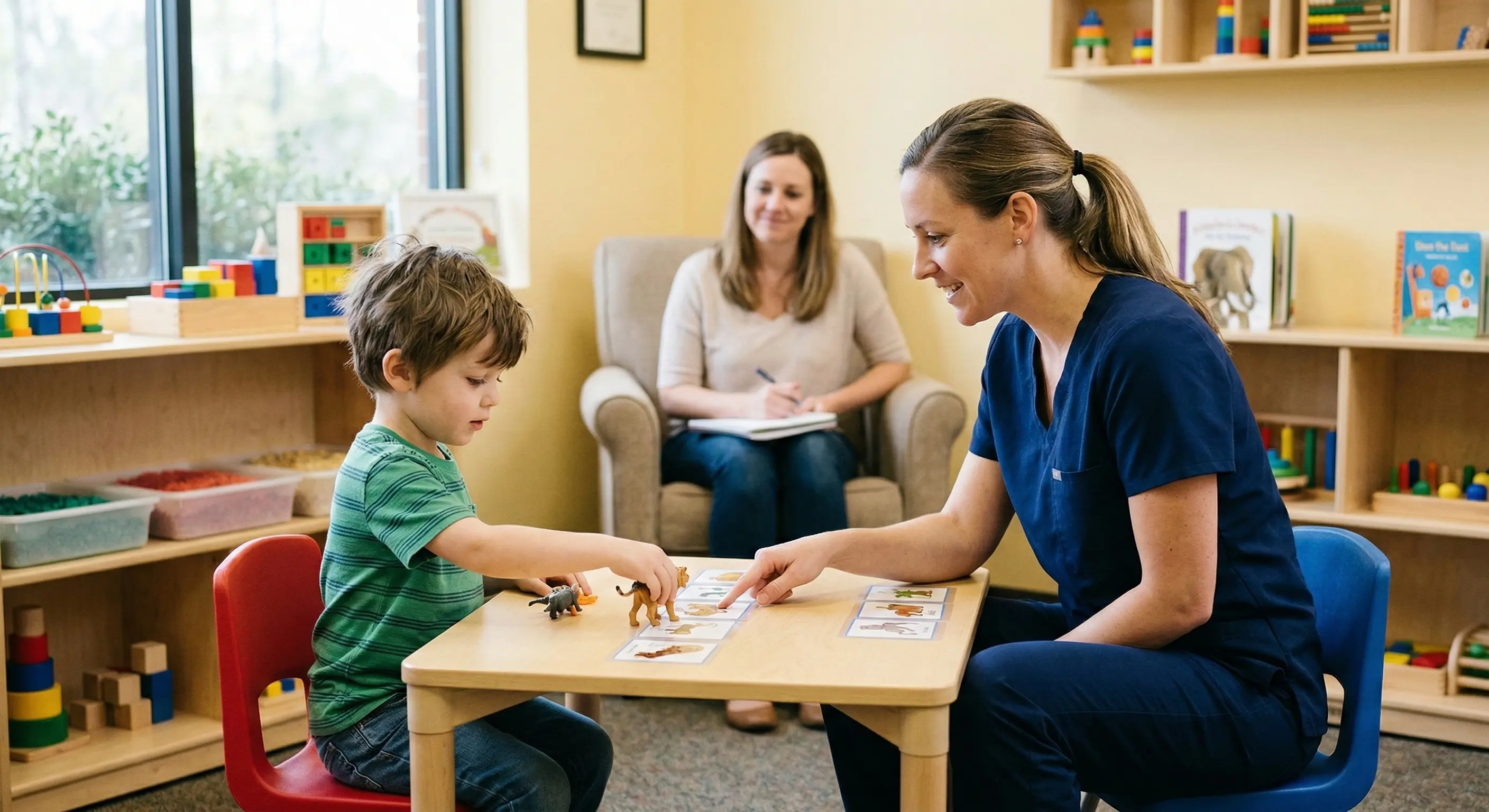
Parent coaching should be individualized and collaborative. Depending on the child’s needs, occupational therapy, speech therapy, school support, or mental health services may also be helpful.
AtlasCare ABA provides parent coaching, behavior assessment, and support for home routines, transitions, communication, and regulation. If after-school dis-regulation is disrupting daily life, our team can help develop a plan that fits your child and family.
Supporting Your Child After School
After-school meltdowns can be a sign that your child needs fewer demands, more predictable transitions, or additional support after a challenging school day. The goal is not to force a child to “hold it together” longer, but to understand what is contributing to the pattern and build routines that support regulation and communication.
If after-school difficulties are regularly affecting your family, AtlasCare ABA can help you identify patterns and develop an individualized plan through parent coaching and behavior support.







.webp)


.webp)

.webp)
.webp)
.webp)




.jpg)
.webp)

.webp)
.webp)




%20During%20Play%20in%20the%20Home.webp)