Back-to-school season can be exciting, but for many autistic children it also means new routines, new people, new sensory demands, and new expectations — all arriving at once. For New Mexico parents, the best preparation often starts before the first day: reviewing the IEP or 504 plan, communicating with teachers early, and rebuilding predictable home routines that support school success. IEP accommodations for autism are one of the most practical tools available for helping your child access the school day more comfortably — but knowing what to ask for, how to communicate effectively, and how ABA fits into the picture takes some planning.
Why Back-to-School Planning Matters for Autistic Children
Autistic children often rely on predictability to stay regulated. A new school year can bring many changes at once: a new classroom, teacher, schedule, environment, and set of expectations.
A difficult school transition may lead to sleep problems, stressful mornings, more meltdowns after school, skill regression, or communication breakdowns as demands increase.
Your child is not being difficult. The change may simply be happening faster than their coping skills can adjust. Planning before the first day — practicing routines, communicating with the teacher, and reviewing IEP accommodations — can make the back-to-school transition much smoother.
What New Mexico Parents Should Review Before School Starts
New Mexico school districts may manage IEP processes, calendars, transportation, and support services differently. Before school begins, parents should review what is already in place and what needs to be updated.
Before the First Day: New Mexico Parent Checklist
- Review your child’s current IEP or 504 plan, including goals, accommodations, and services.
- Confirm teacher assignment, classroom location, and whether an orientation visit is possible.
- Review transportation details, including bus route, pickup time, and special instructions.
- Update health plans, medication instructions, allergy protocols, or emergency plans.
- Confirm that staff understand the behavior support plan.
- Set a school-home communication method, such as email, app, log, or daily note.
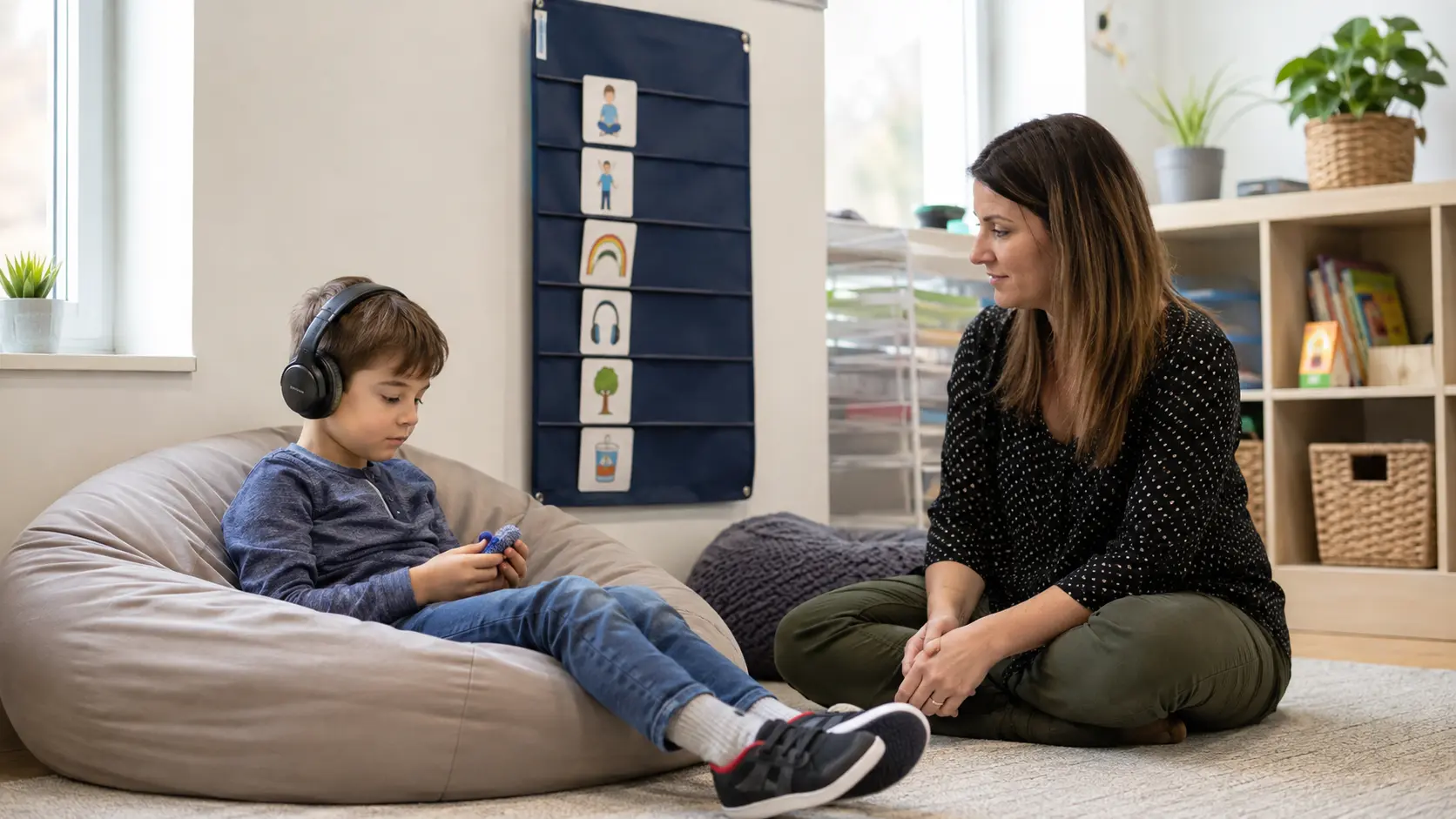
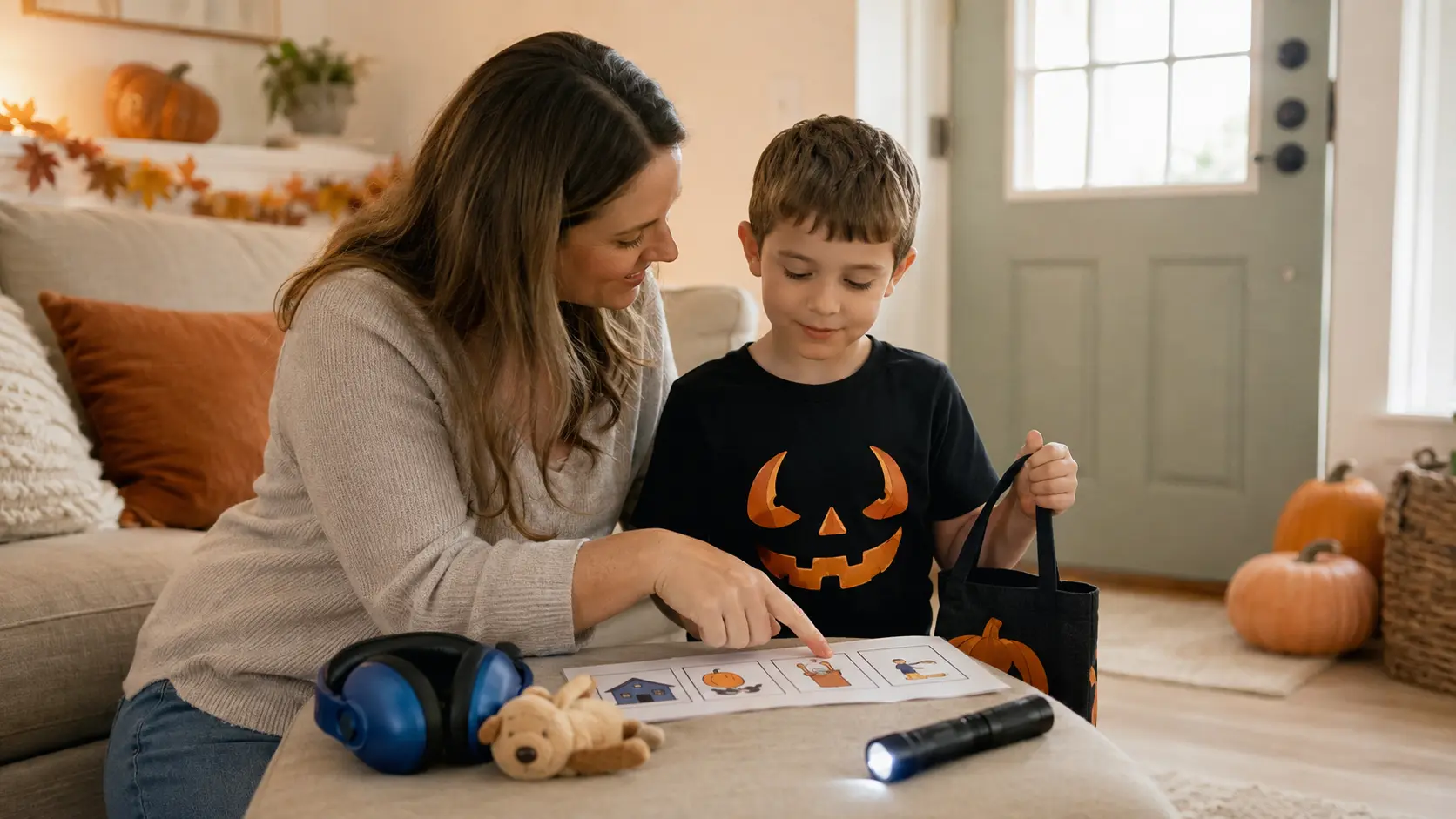
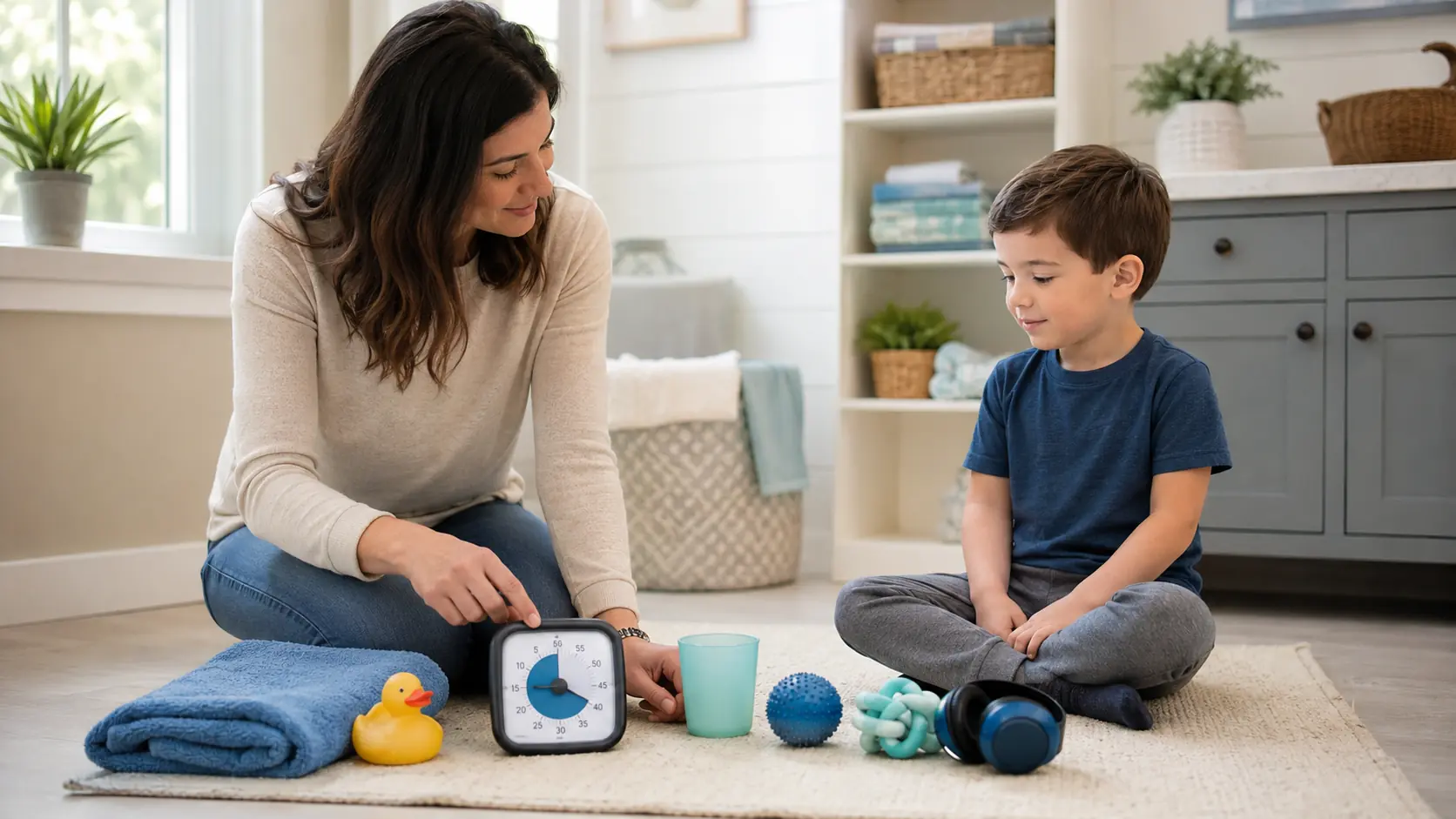
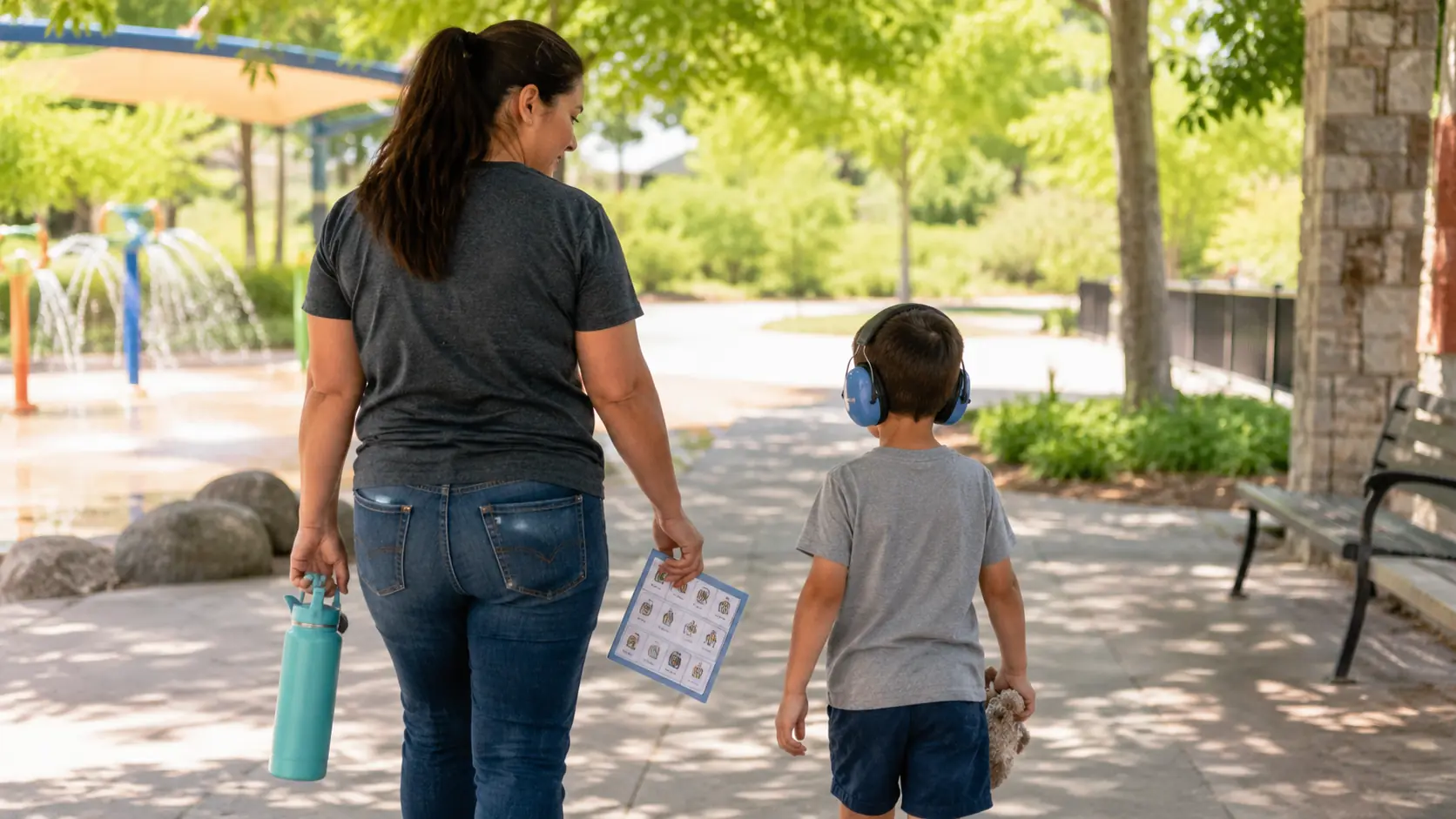
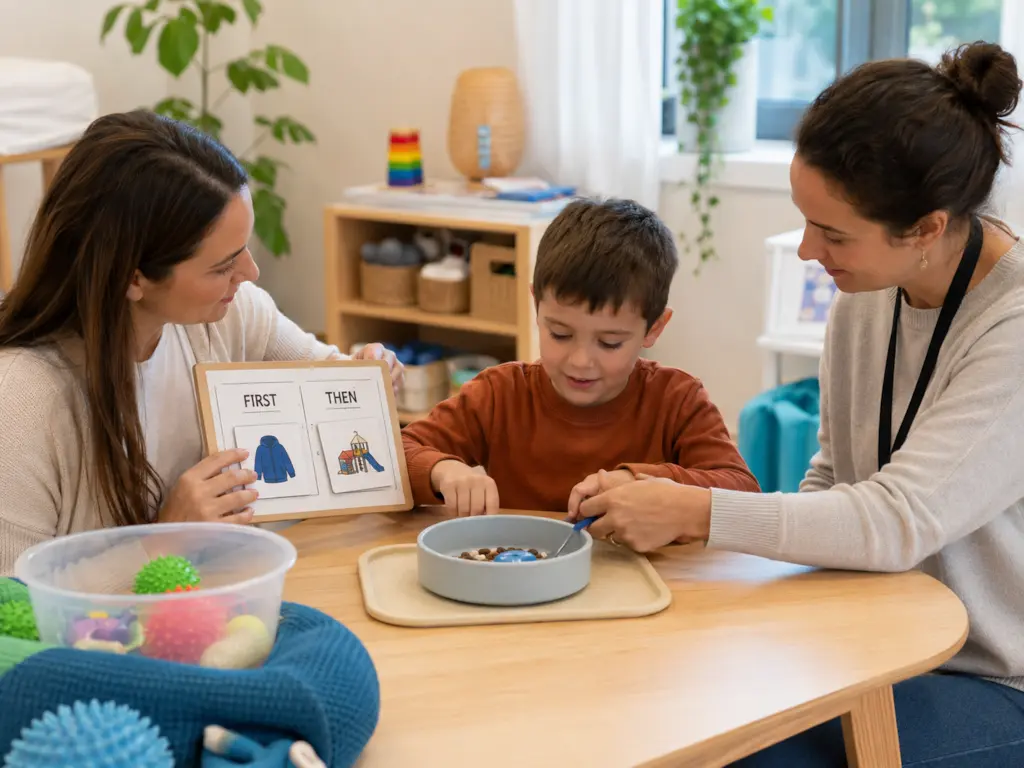
- Pack approved sensory tools, such as headphones, fidgets, comfort items, or visual cards.
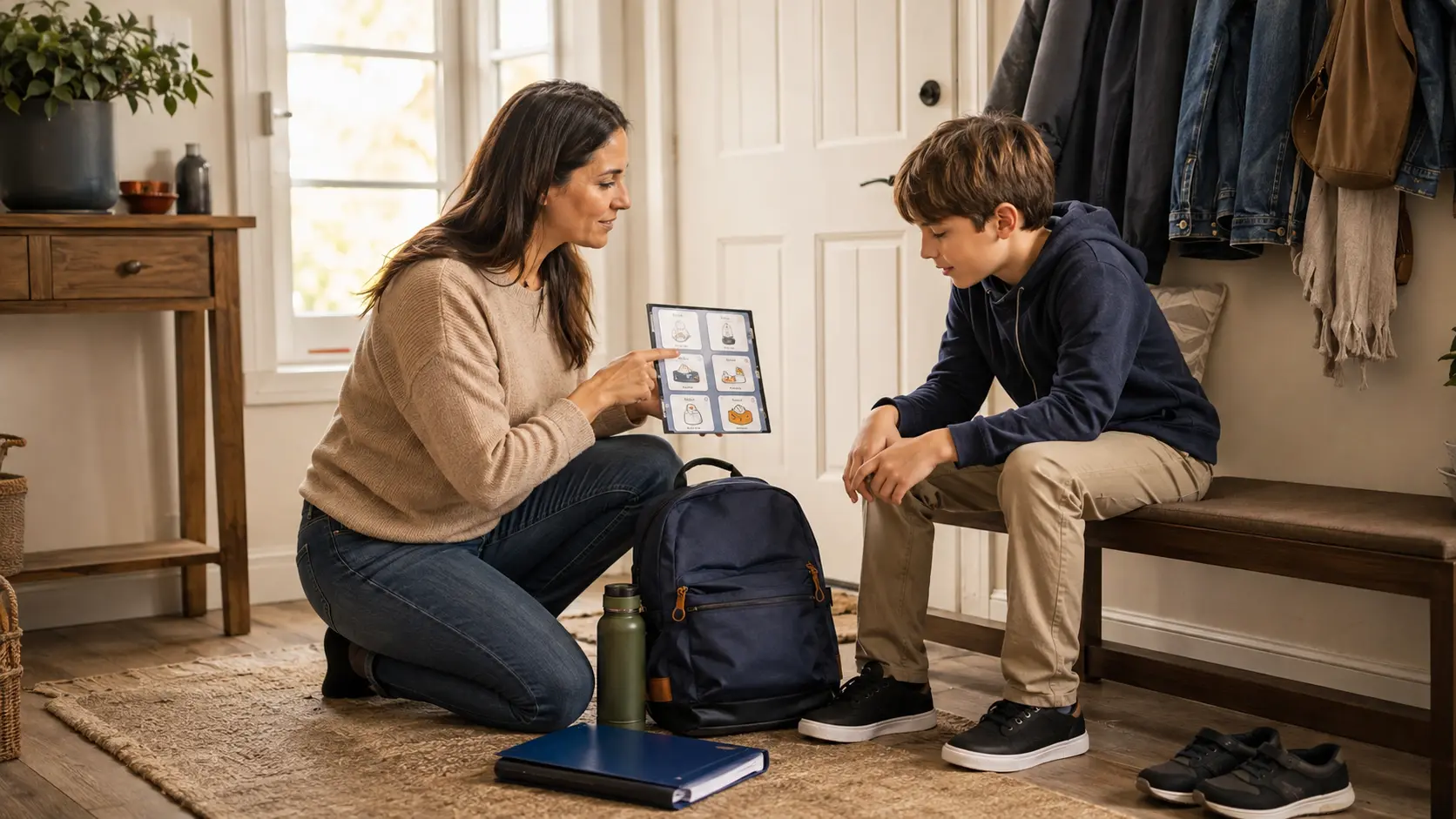
- Label supplies and practice the backpack routine before school starts.
- Talk with your child’s BCBA or ABA team about school-year goals that connect to home routines.
- Note holidays, early release days, and schedule changes that may affect routine.
New Mexico parents can also use NMPED special education resources, PTINM, and UNM Center for Development and Disability resources to better understand school support and special education options.
Understanding IEPs, 504 Plans, and Autism Support
Parents comparing IEP vs ABA should remember that school-based plans and private therapy serve different roles. An IEP may provide special education for autism when the child qualifies, while ABA can support skill-building, routines, communication, and behavior strategies outside the school plan.
IEPs, 504 plans, and ABA support are often discussed together, but they are not the same. Each serves a different purpose in helping autistic children succeed at school.
Does IEP Mean Autism?
No. An IEP means the school has determined that a child qualifies for special education and related services. Autism is one eligibility category, but not every child with an IEP has autism, and not every autistic child has an IEP.
Eligibility depends on whether the disability affects educational performance and whether specialized instruction is needed. Some autistic students may instead receive a 504 plan for classroom accommodations and equal access.
Common IEP Accommodations for Autism
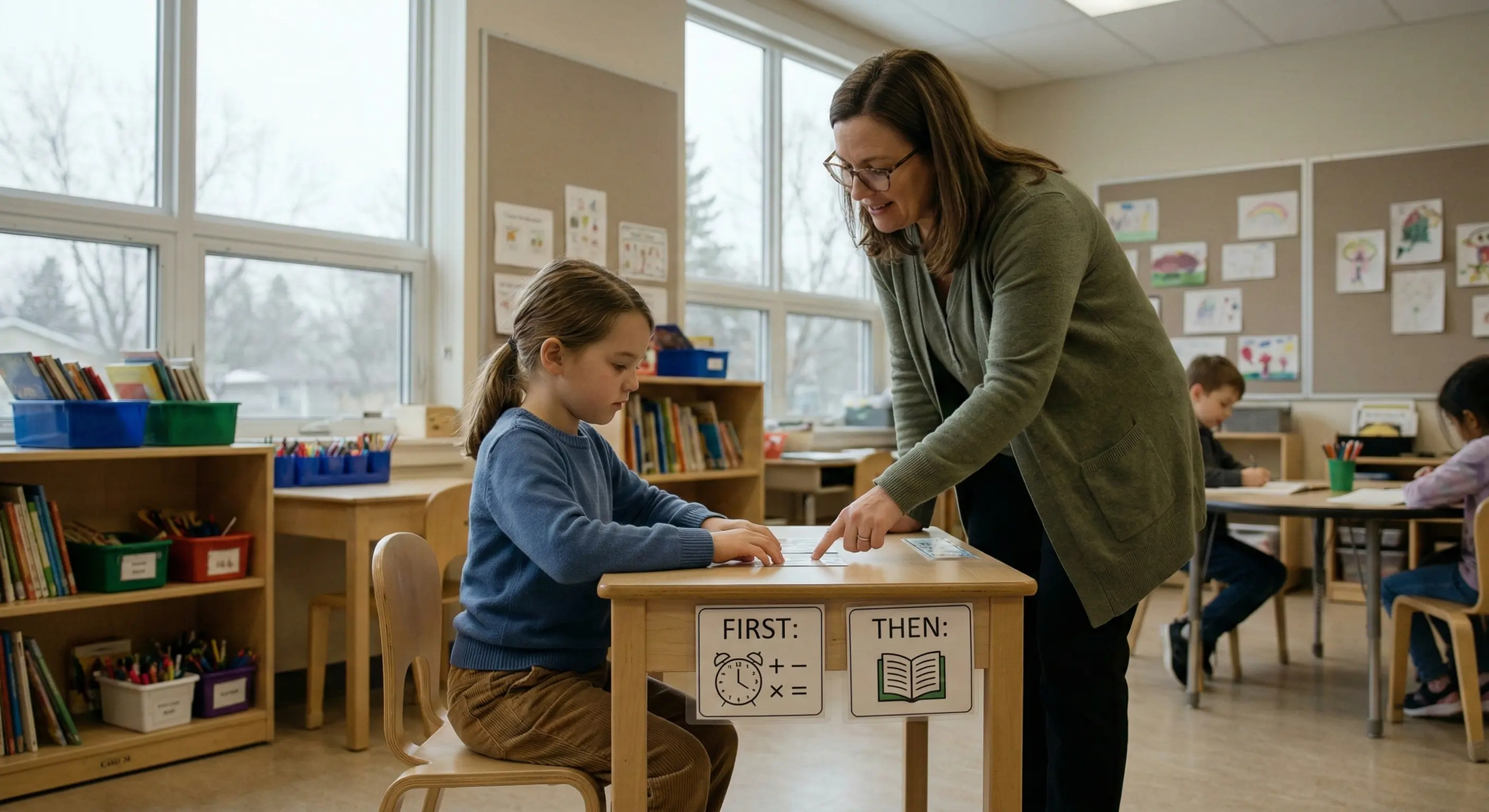
IEP accommodations for autism are supports that help a student access learning without lowering academic expectations. They adjust how the student participates, learns, or shows understanding.
Accommodations should be individualized. Instead of asking for a general support, parents should describe the specific barrier, such as difficulty with transitions, sensory overload, or communication needs.
IEP Goals for Autism: Examples and What Makes a Good Goal
An IEP for autism example or IEP autism sample can be helpful for understanding format, but the final goals should always be customized to the child’s present levels and school needs.
IEP goals for autism are measurable skill targets. Unlike accommodations, goals focus on what the child is learning to do with support.
An autism IEP goal bank can help with ideas, but goals should never be copied without tailoring. Good goals are based on the child’s current needs, present levels, and real school routines.
How ABA Can Support School Routines and Transitions
An IEP and ABA therapy are different supports that can work together. An IEP is a school-based education plan, while ABA focuses on communication, routines, skill-building, and behavior support.
What is ABA in schools?
ABA may be part of a school plan when the IEP team recommends behavior support or related services. This usually requires coordination with the school team and parent consent.
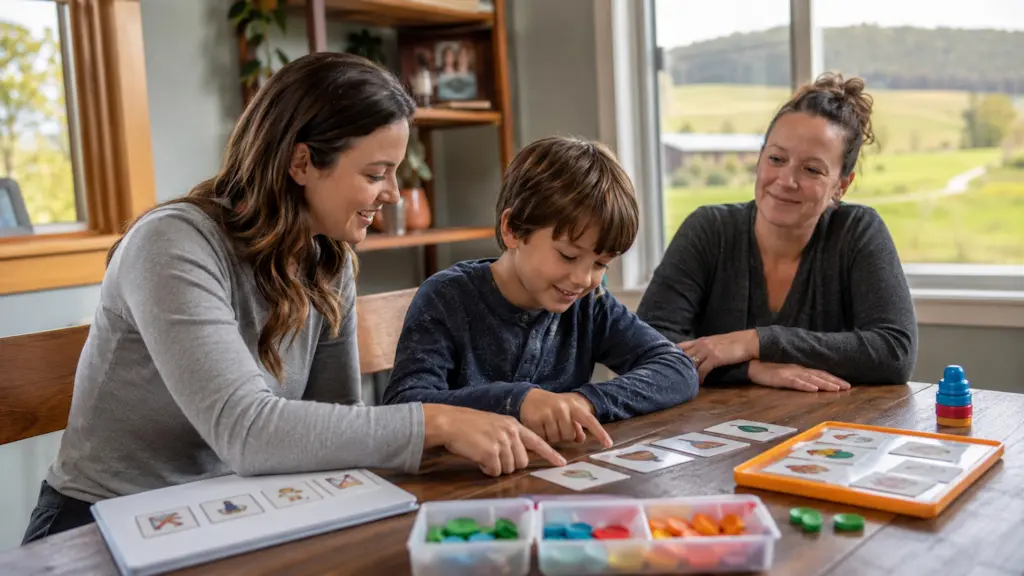
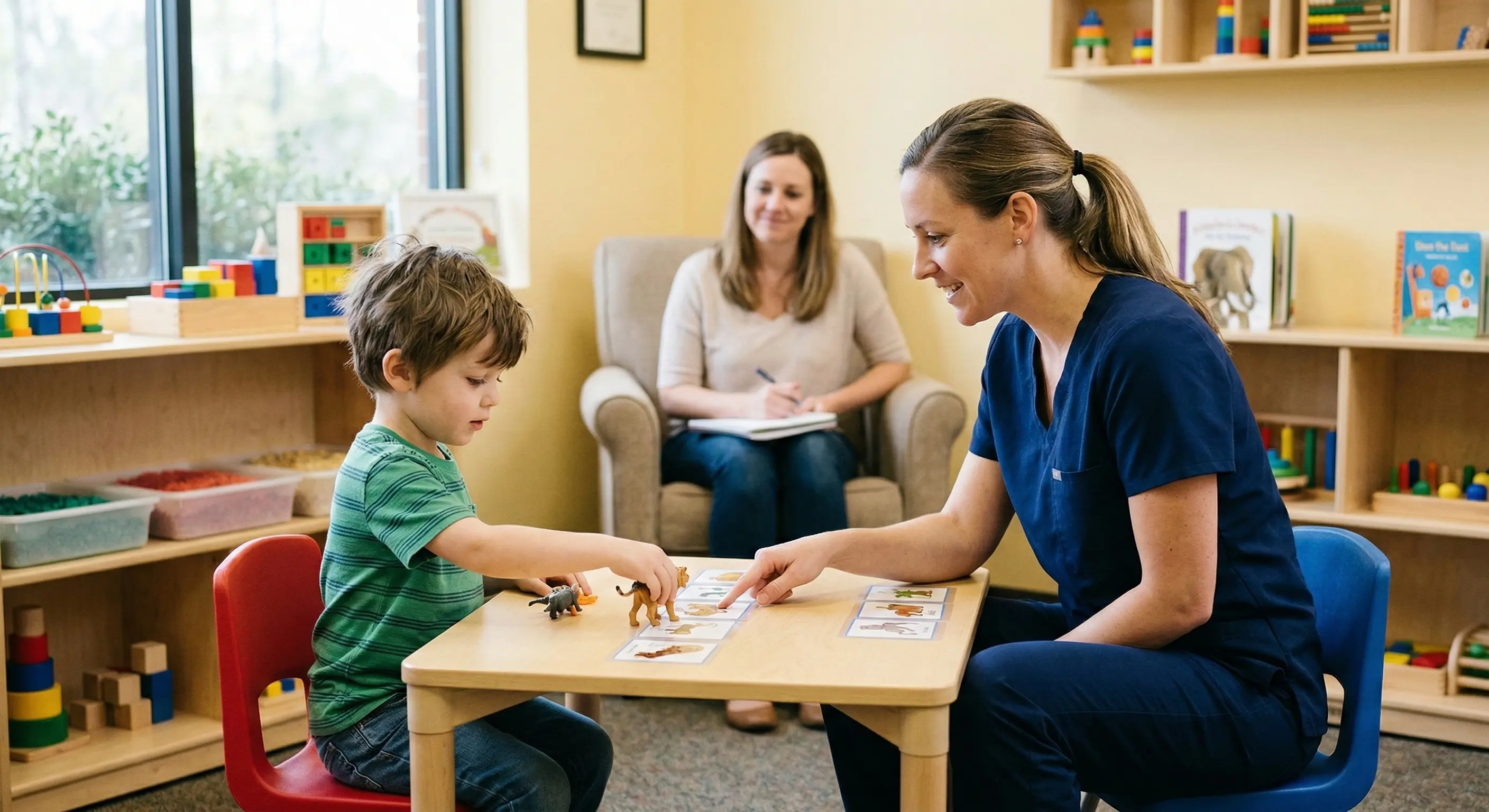
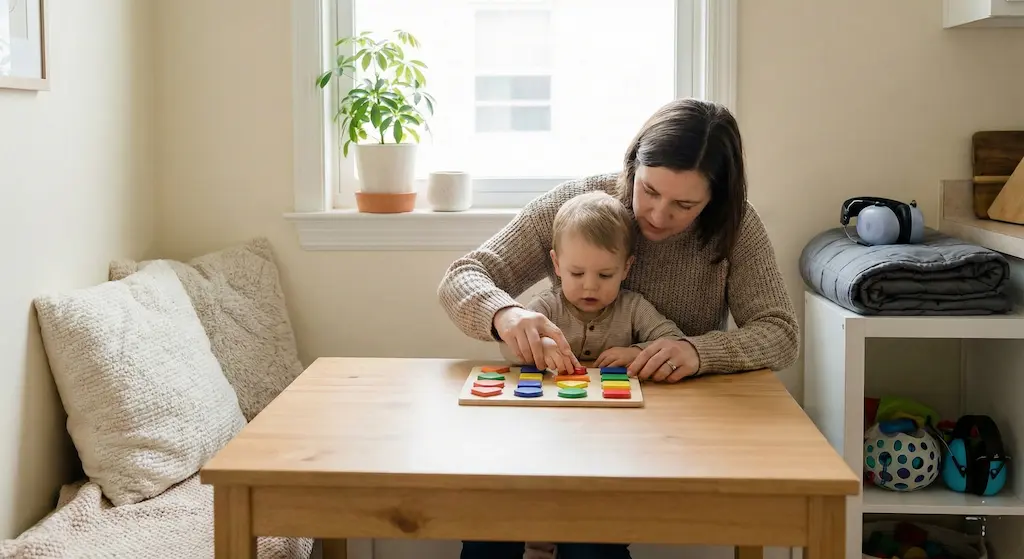
Private ABA, such as support through AtlasCare ABA, often happens outside school hours. It can help children build skills that support school success, including morning routines, transitions, homework habits, communication, emotional regulation, and school attendance.
ABA parent coaching may also help families:
- Practice predictable morning, homework, and bedtime routines
- Teach children to request breaks, ask for help, or express needs
- Build tolerance for school transitions
- Support school refusal concerns through gradual practice
- Coordinate with teachers when parents provide written consent
ABA does not replace the IEP team, but it can help families build the daily skills that make school routines more manageable.
Teacher Communication Tips for Parents
The best teacher communication starts early, before problems build. During the first week of school, send a short, positive message that helps your child’s teacher understand what works.
What to Share With Your Child’s Teacher
- Strengths: What your child enjoys and does well
- Known triggers: Demands, noises, transitions, or situations that may be difficult
- Calming supports: Tools or strategies that help your child regulate
- Communication style: How your child asks for help, says “no,” or shows they are overwhelmed
- Motivation: Preferred items, activities, or praise that encourage participation
- What worked last year: Specific strategies that helped before
- Preferred contact method: Email, app, backpack note, or communication log
Keep the message brief and practical. A short bulleted email is more helpful than a long history. Think of it as a quick guide to helping the teacher connect with your child successfully.
Building Morning, Homework, and Bedtime Routines
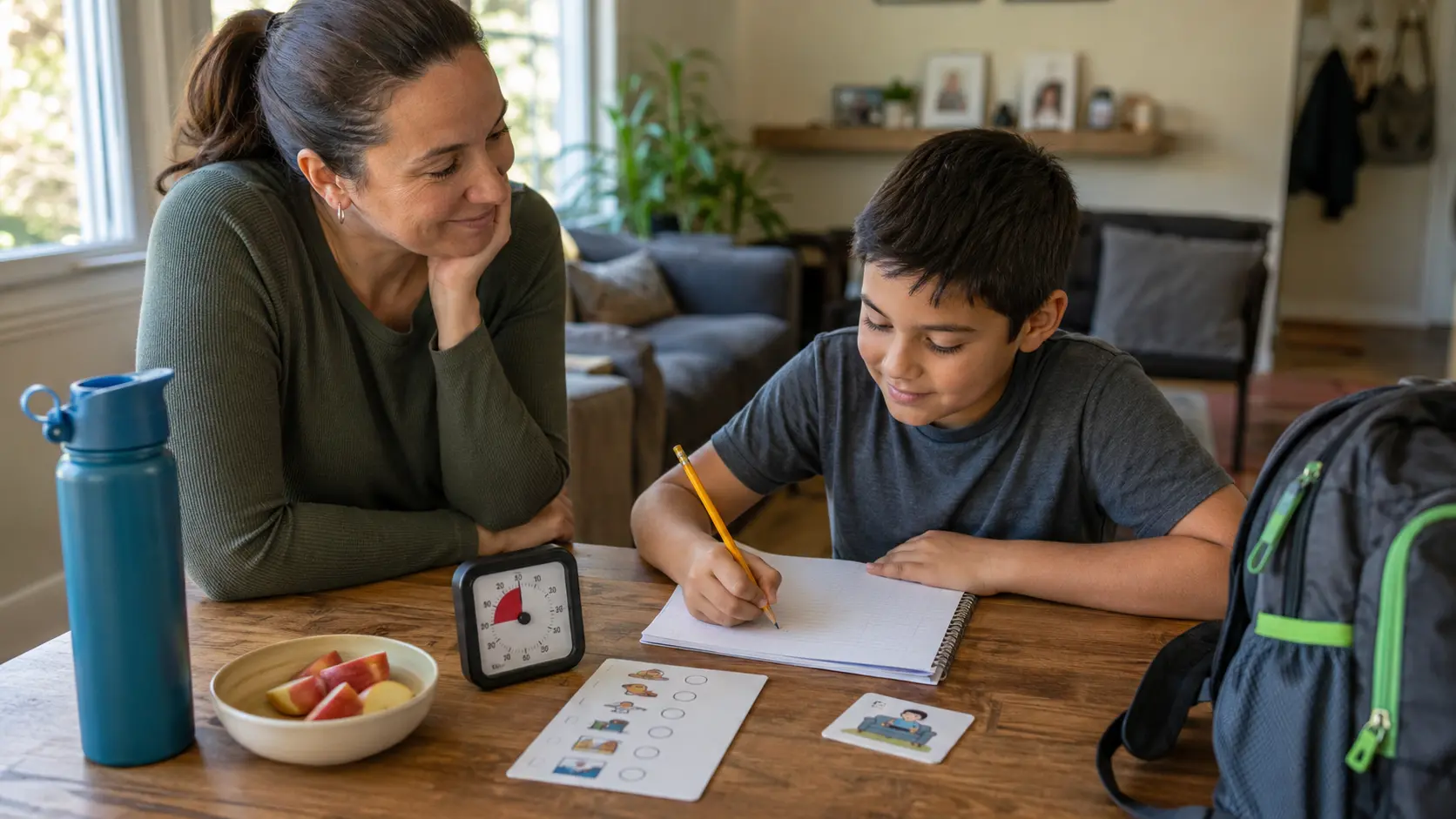
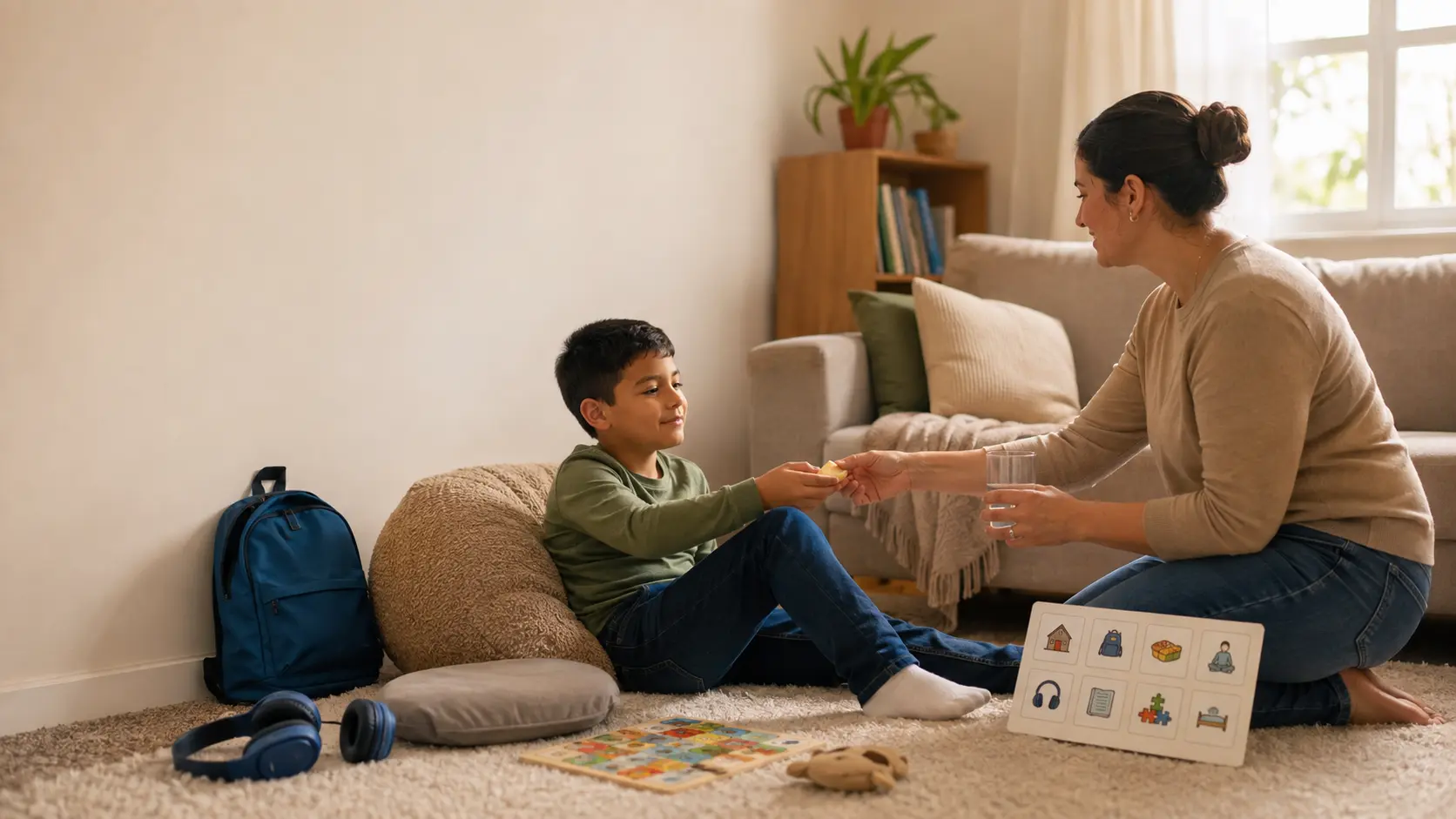
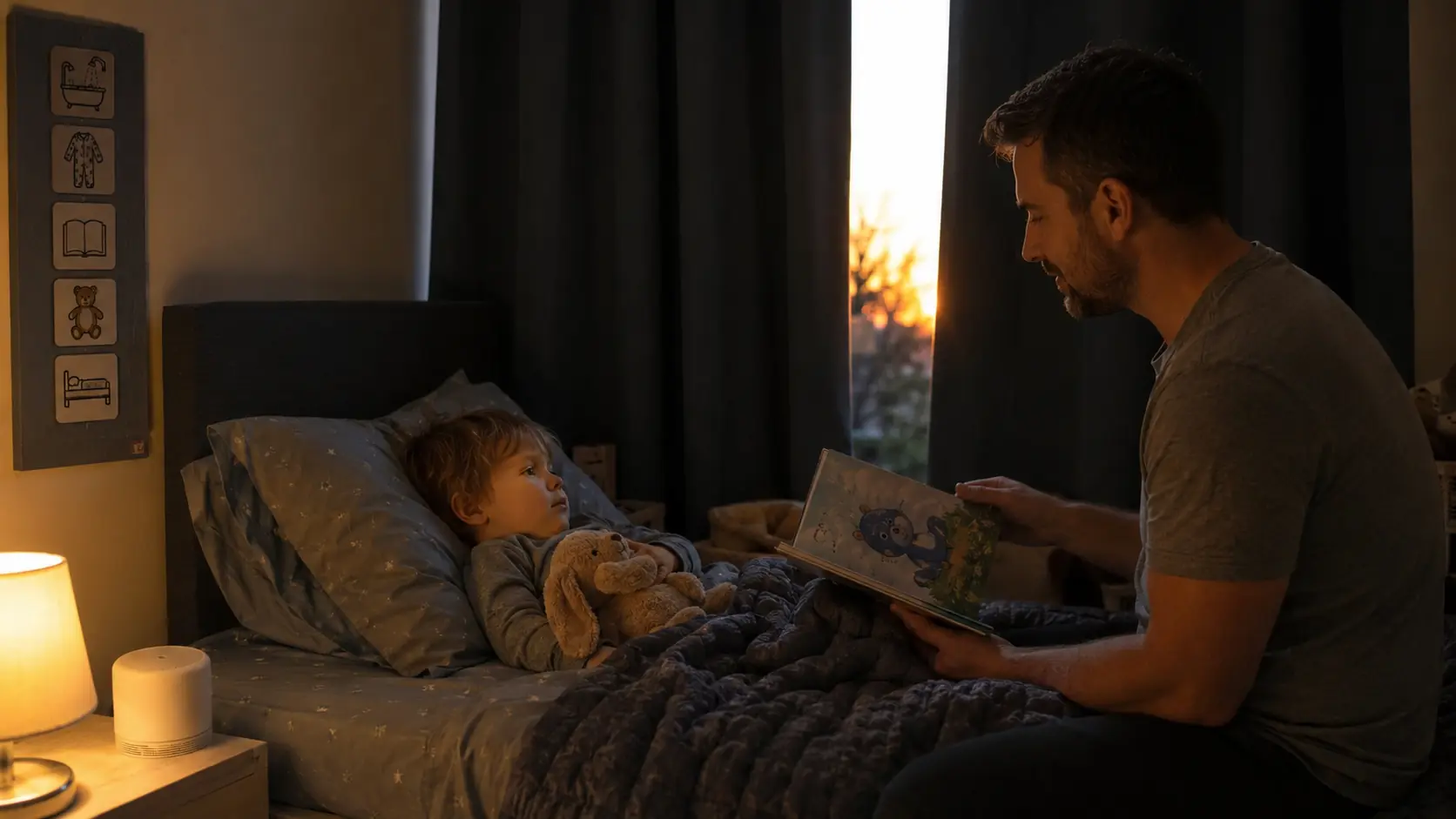
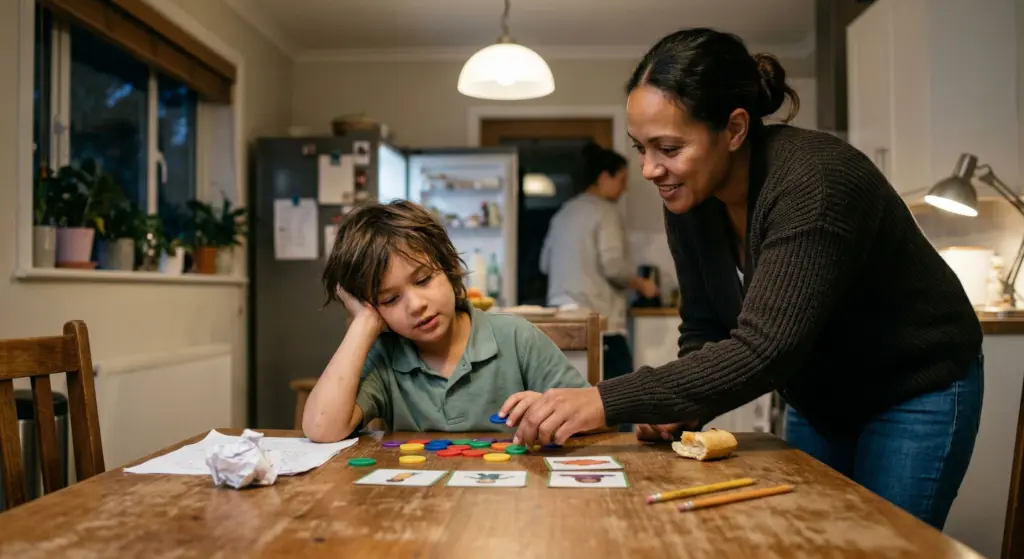
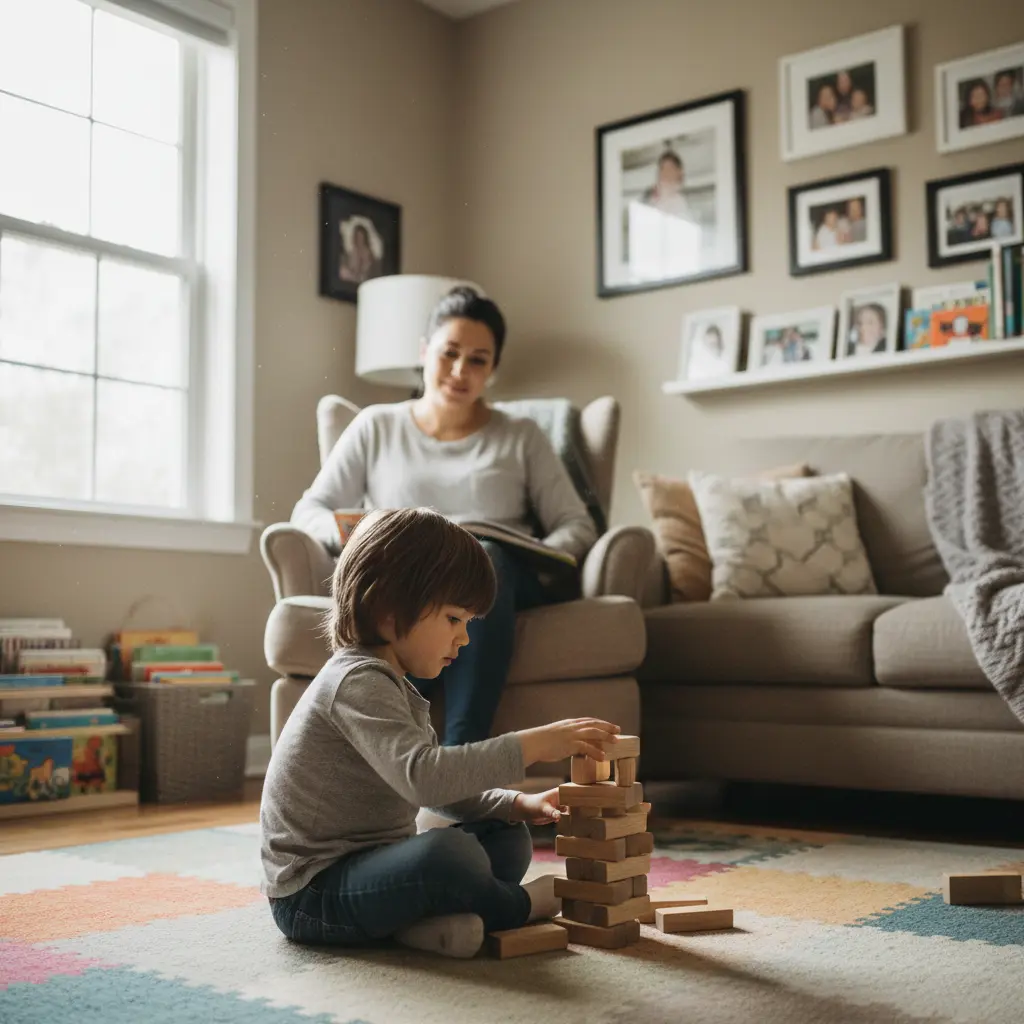
Consistent home routines help autistic children stay regulated during the school year. Predictable mornings reduce stress before school, after-school decompression supports homework readiness, and steady bedtime routines improve sleep and next-day regulation.
Helpful routine strategies include:
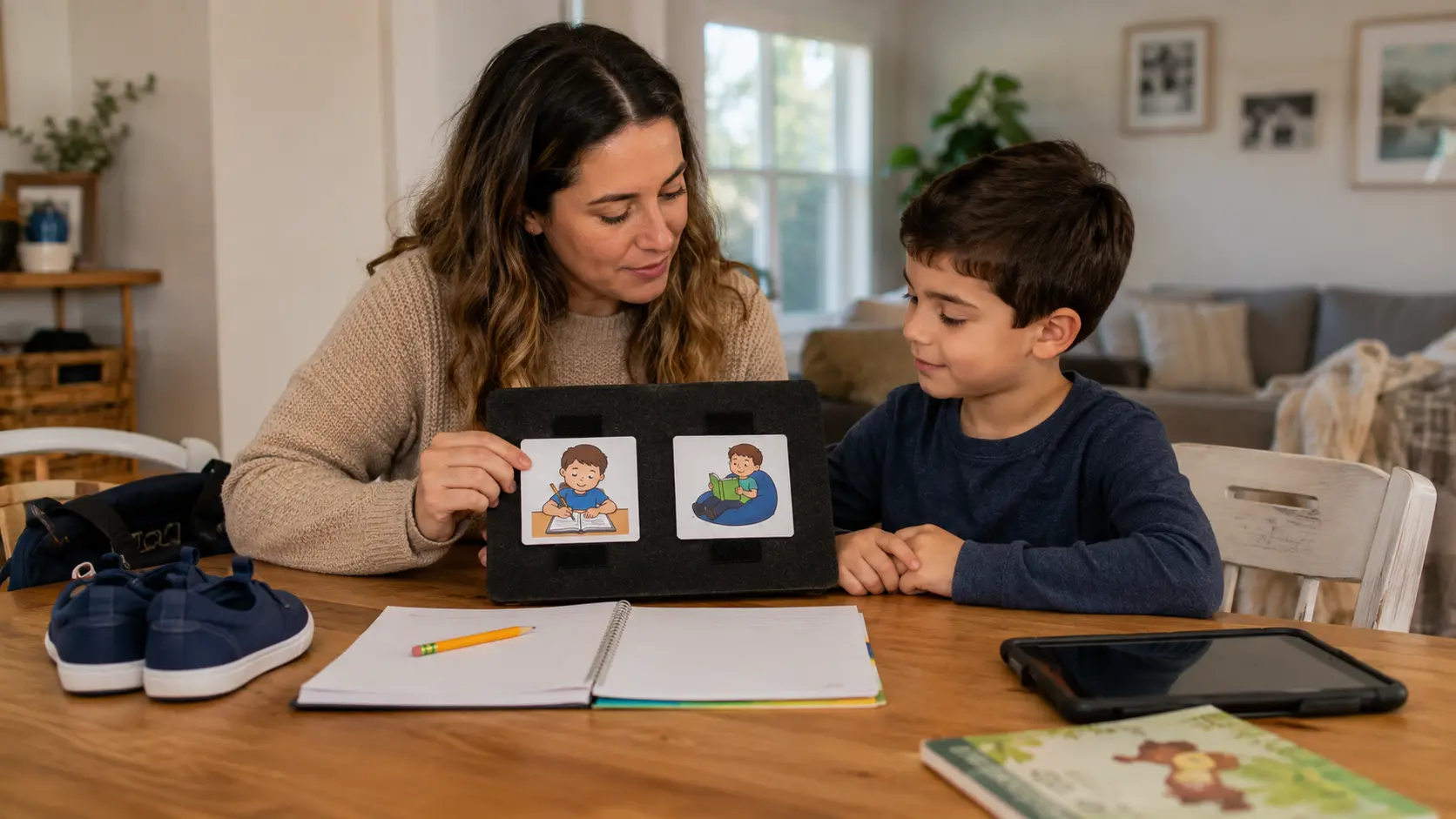
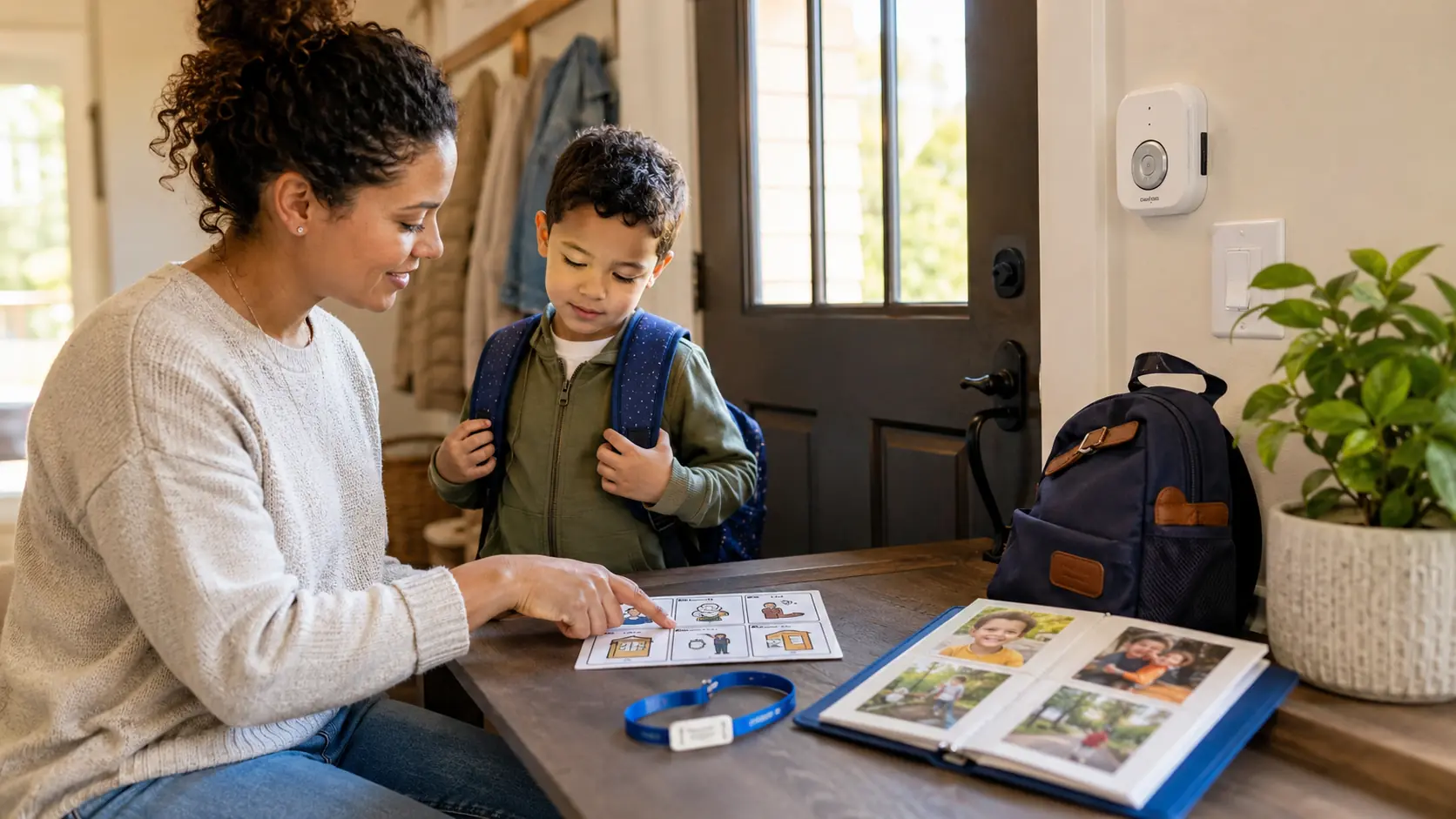
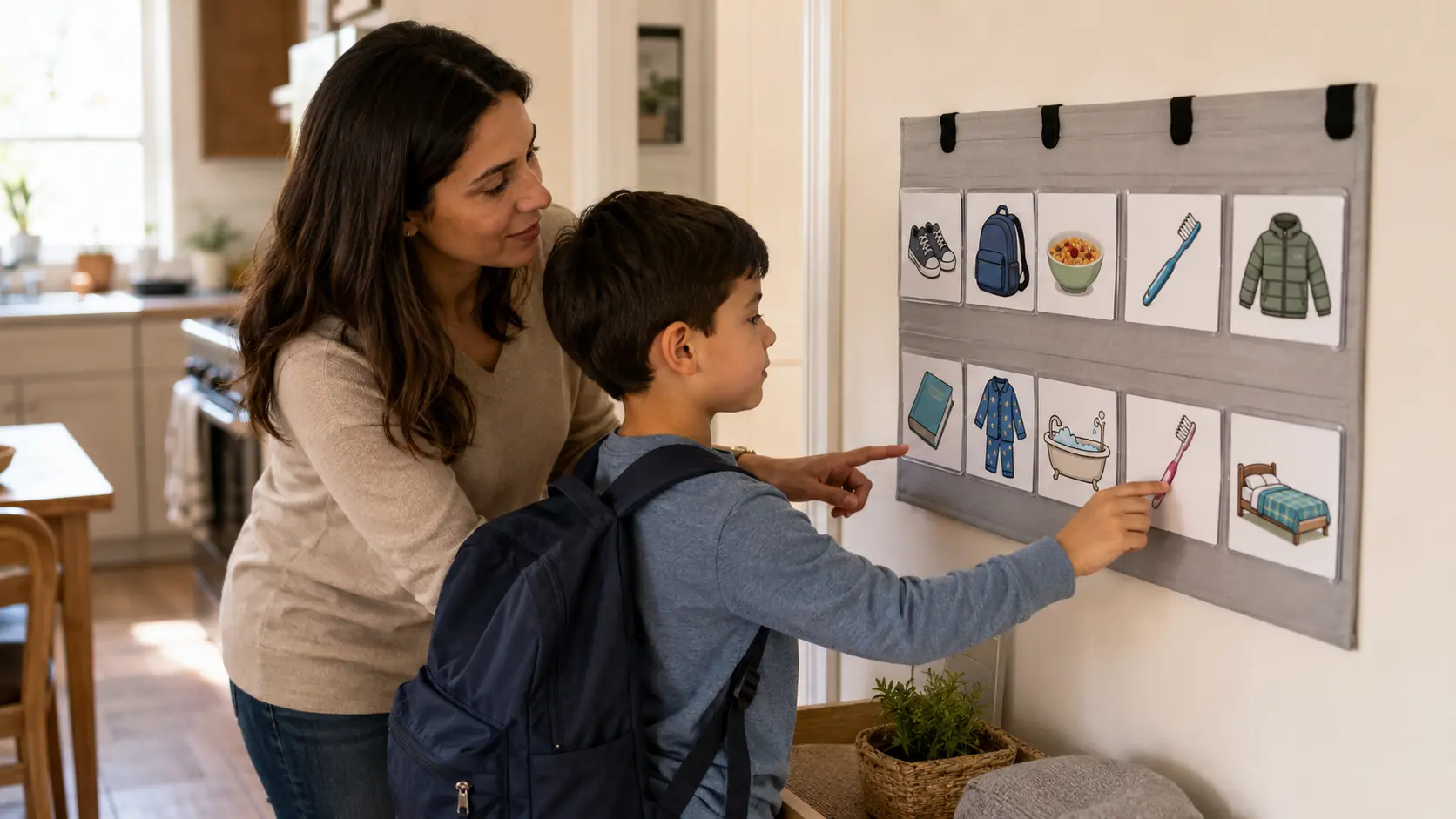
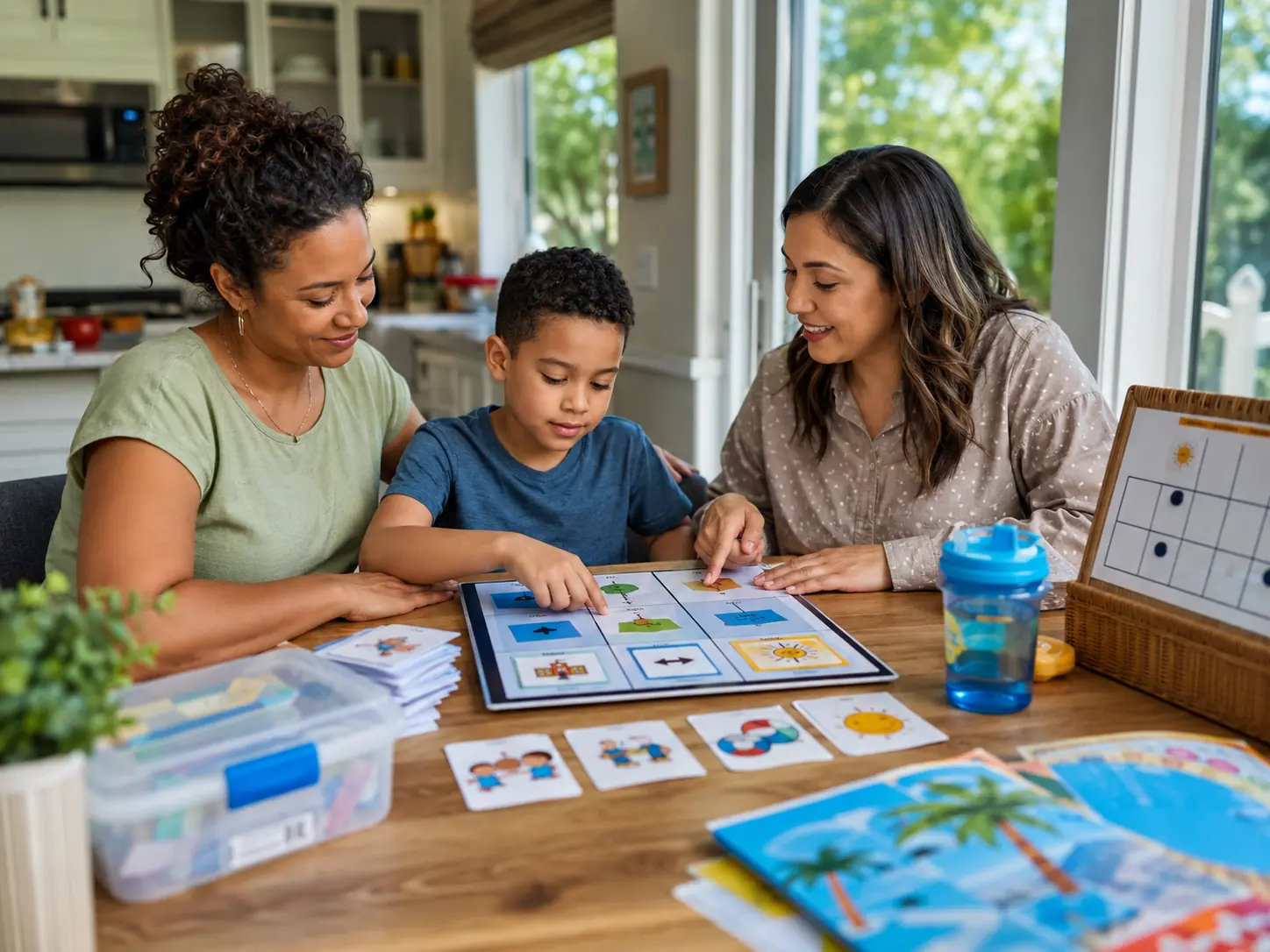
- Use visual schedules: Show each morning step with pictures or icons so your child can see what comes next.
- Practice before school starts: Run through the full morning routine at the real school-day time for at least a week.
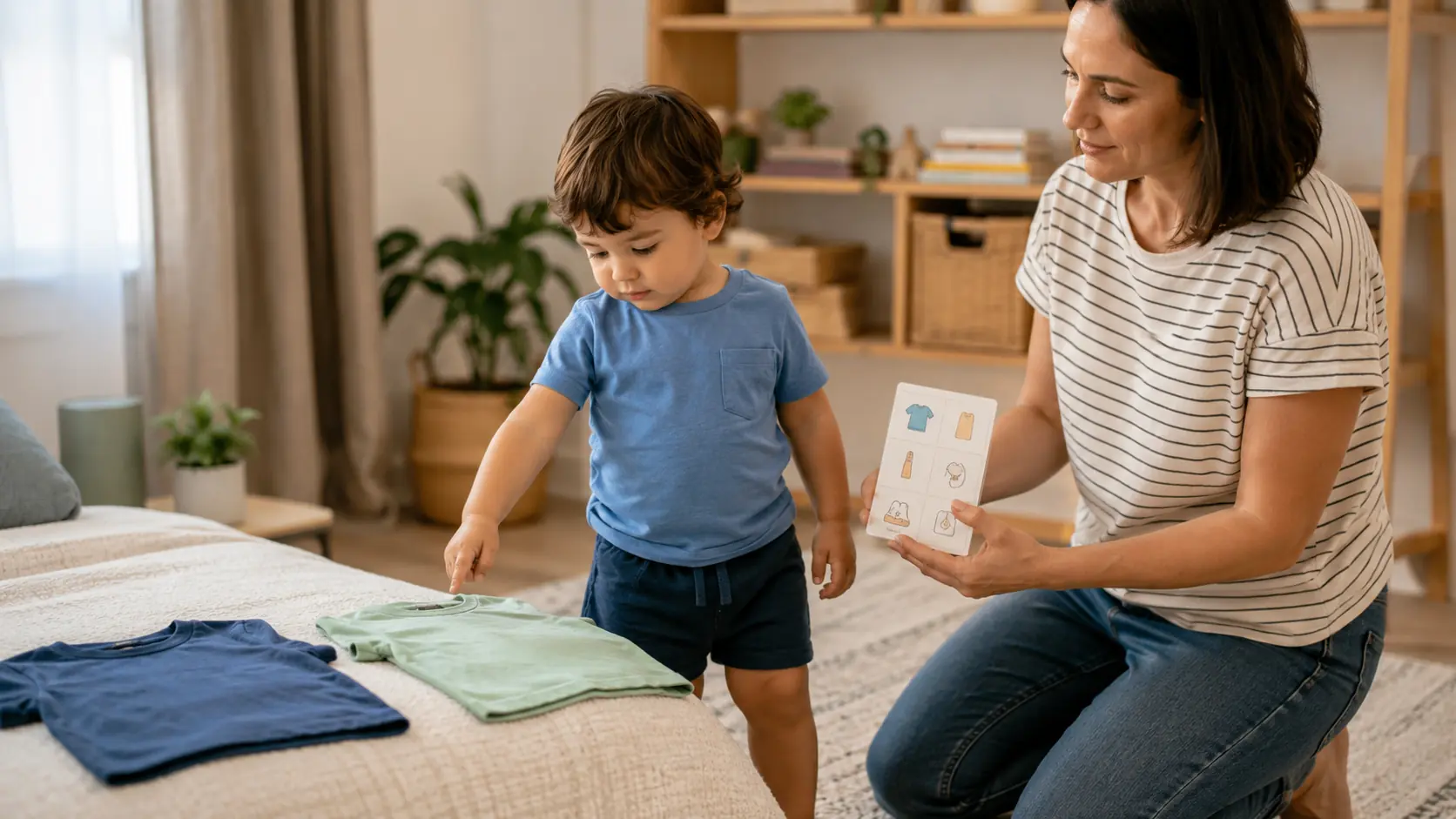
- Prepare the backpack at night: Pack supplies and choose clothes in the evening to reduce morning stress.
- Protect after-school decompression: Give your child a low-demand break before homework or chores.
- Adjust sleep gradually: Move bedtime earlier in small steps before school starts instead of making a sudden change.
Small routines, practiced consistently, can make school days feel more predictable and manageable. Families can also use visual schedules at home to make these routines easier to follow.
How Parent Coaching Helps Families Stay Consistent
Back-to-school routines work best when all caregivers use the same strategies consistently. If one adult uses the visual schedule and another skips it, the child may become confused instead of more independent.
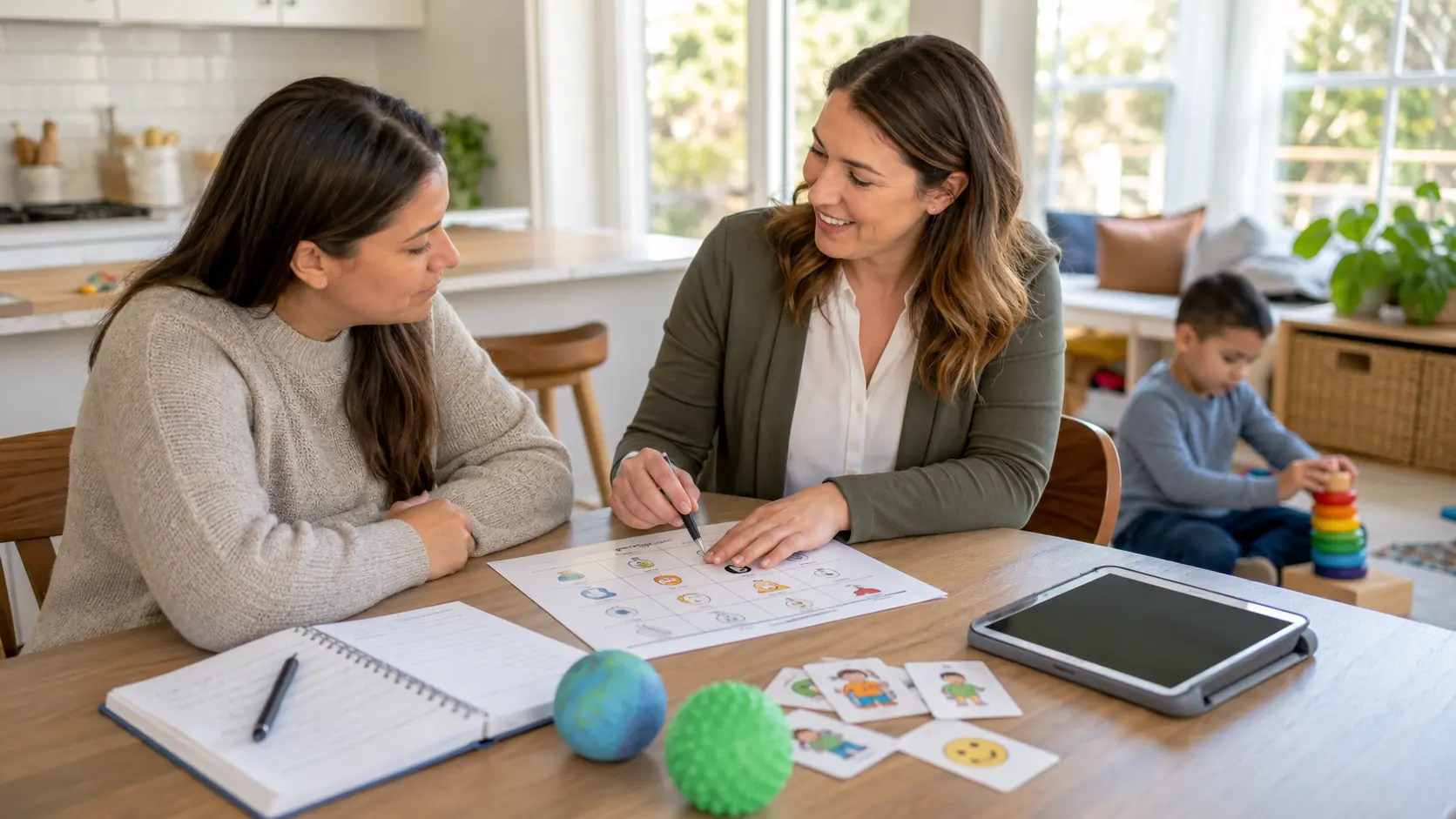
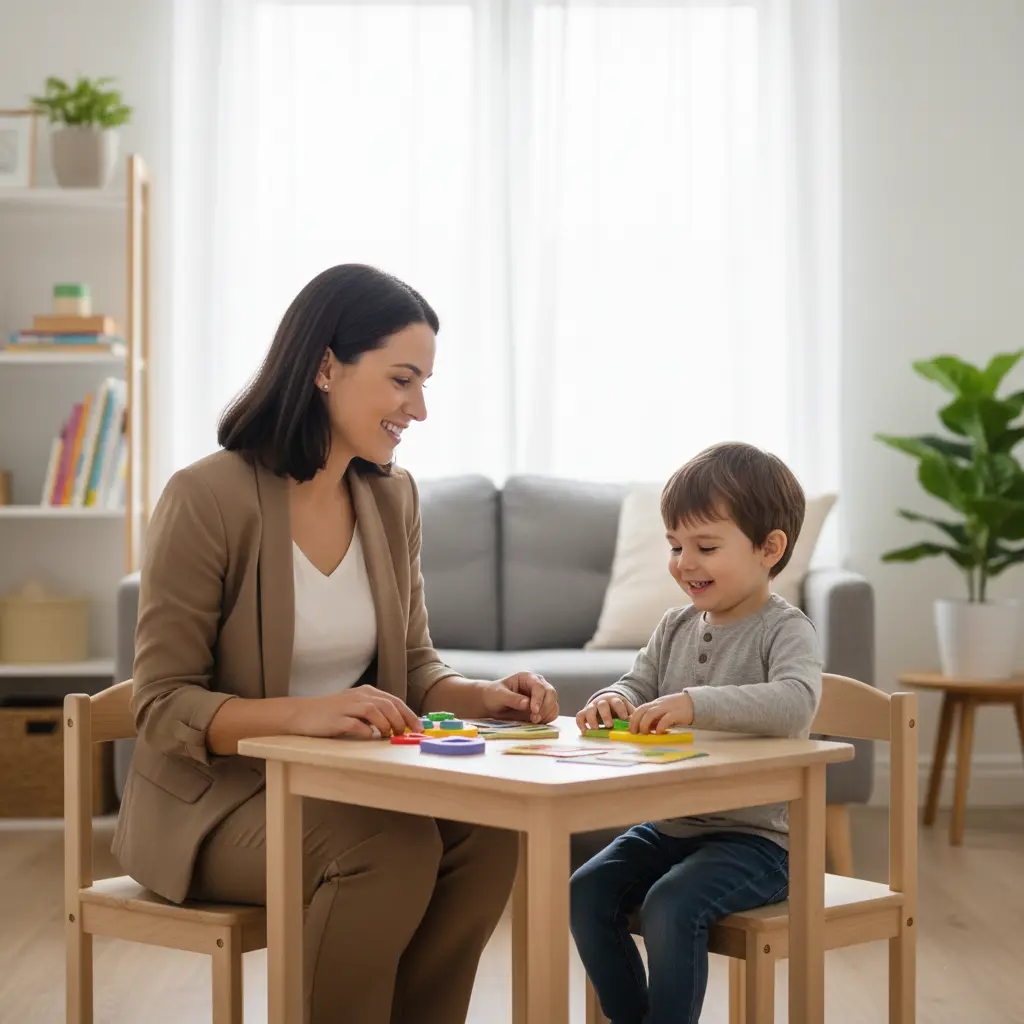
ABA parent coaching helps families build that consistency. It teaches caregivers how to use routines, respond when things break down, and track whether the plan is working in daily life.
AtlasCare ABA’s parent coaching support in New Mexico can help families prepare for school transitions, strengthen home routines, and carry ABA strategies across home and community settings. With parent consent, ABA providers may also coordinate with school teams so support is more aligned.
When to Ask for More School or ABA Support
Some back-to-school disruption is normal, but ongoing or worsening challenges may mean your child needs more support from the school team, ABA provider, or both.
Parents should ask for more support if:
- Meltdowns are increasing in frequency or intensity
- School refusal becomes persistent
- Previously stable skills are regressing
- The teacher raises concerns about safety, behavior, or participation
- IEP accommodations are not being used consistently
- IEP goals are not being addressed or progressing
- Sleep disruption continues beyond the first few weeks
- School communication feels unclear or inconsistent
Parents can request an IEP team meeting at any time. You do not have to wait for the annual review if accommodations, goals, behavior support, or school participation need to be discussed.
Back-to-School Is a Process, Not a Single Day
The first week of school matters, but it does not define the whole year. Some children need several weeks to adjust, some accommodations take time to become consistent, and some routines need more practice.
AtlasCare ABA can help New Mexico families build back-to-school routines, prepare for IEP conversations, support transitions, and use parent coaching strategies that make the school year more predictable.
Contact AtlasCare ABA to ask about back-to-school parent coaching and school routine support in New Mexico.



.webp)
.webp)

.webp)
.webp)
.webp)







.jpg)
.webp)

.webp)
.webp)






%20During%20Play%20in%20the%20Home.webp)