
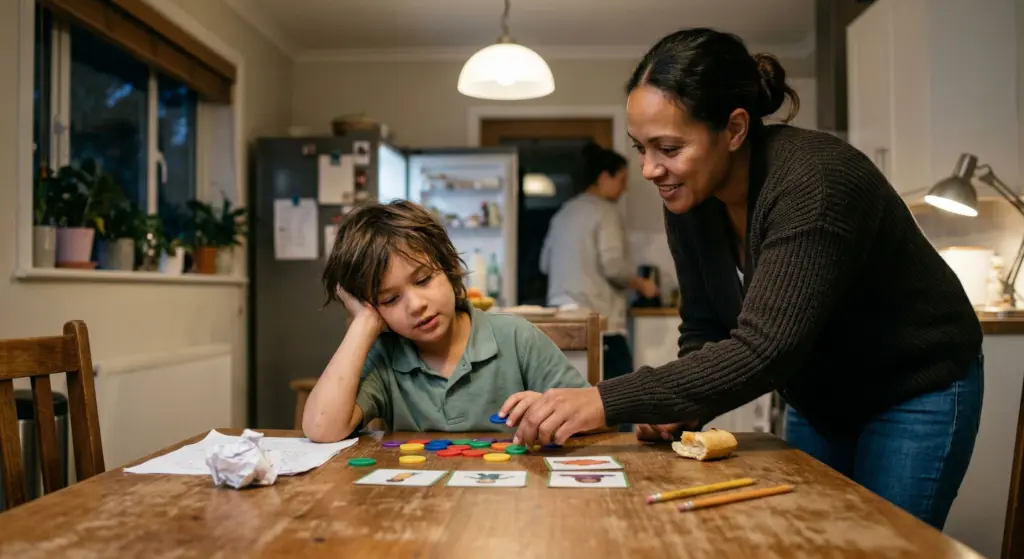
The backpack is packed and the bus is due in ten minutes. But your child is crying, hiding behind the couch, reporting a stomachache, or becoming increasingly distressed with each step toward the door.
When this happens repeatedly rather than as an occasional difficult morning, autism school refusal is a signal worth paying attention to. It is not simply laziness, manipulation, or a child choosing to make the morning difficult.
Repeated school avoidance in autistic children can have many causes, including anxiety, sensory demands, difficult transitions, social stress, or challenges within the school environment. The first step is to understand what may be driving the refusal rather than simply increasing pressure to attend.
What Is School Refusal?
School refusal — sometimes called autism school avoidance — describes a pattern of significant difficulty attending, entering, or staying at school, often with distress before or during the attempt. It is not a diagnosis on its own, but a pattern that needs to be understood.
Common signs may include:
- Morning refusal: Crying, hiding, shutting down, or escalating before leaving home
- Repeated requests to stay home: Beyond occasional reluctance
- Physical complaints: Stomachaches, headaches, or nausea that often appear around school attendance
- Severe drop-off distress: Difficulty separating or settling at school
- Leaving school early: Regularly being unable to remain for the full day
- Declining attendance: Gradual worsening after previously attending more consistently
School refusal is not simply truancy or defiance. The reason behind the avoidance matters because it determines what kind of support is most likely to help.
Why Autistic Children May Avoid School
There is rarely one single cause of school refusal. For autistic children, several factors may overlap, and understanding the pattern is the first step toward choosing the right support.
Common contributors include:
- Anxiety and anticipatory anxiety: Worry about transitions, social situations, unexpected events, or the demands of the day can build before school even starts.
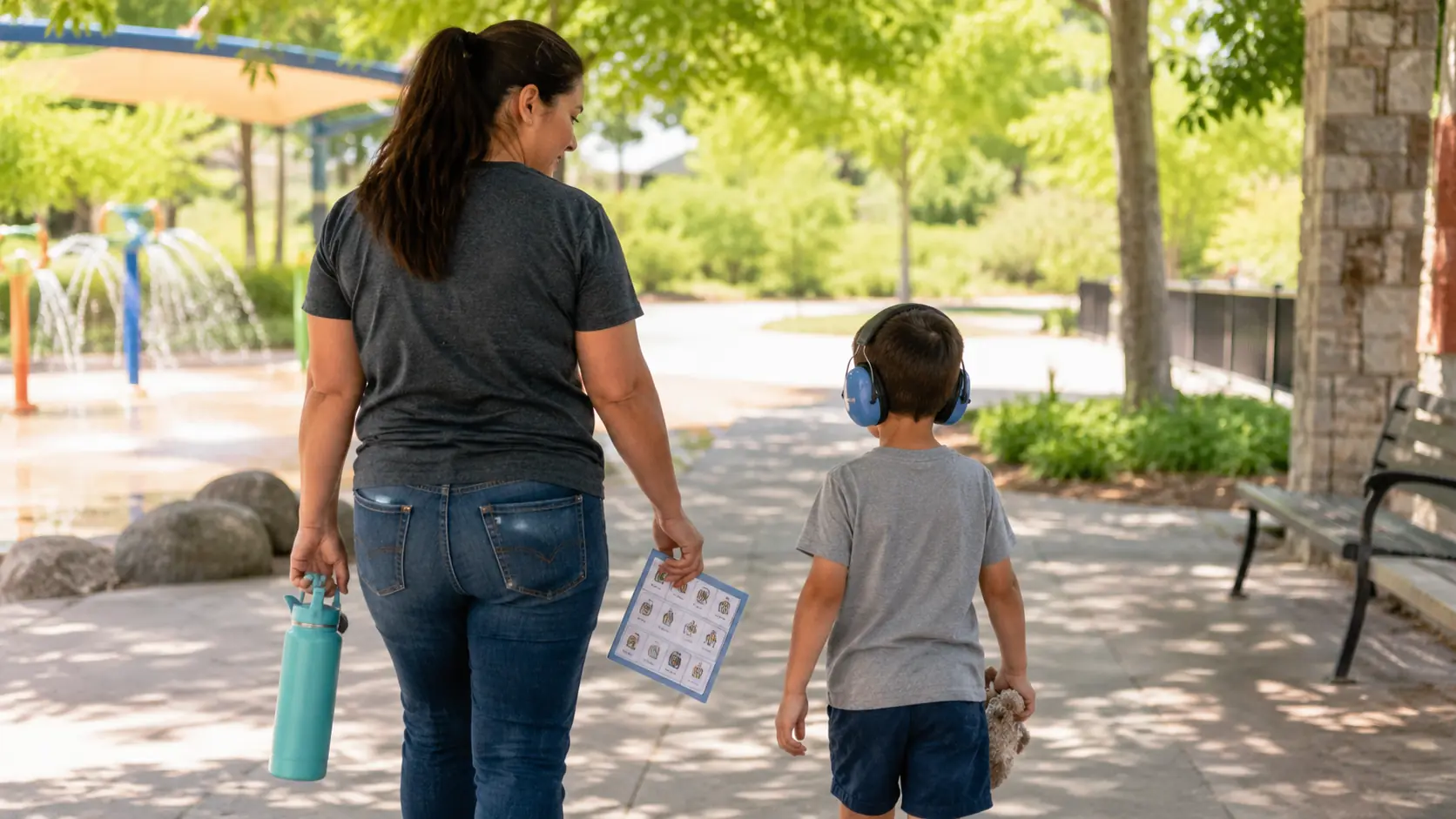
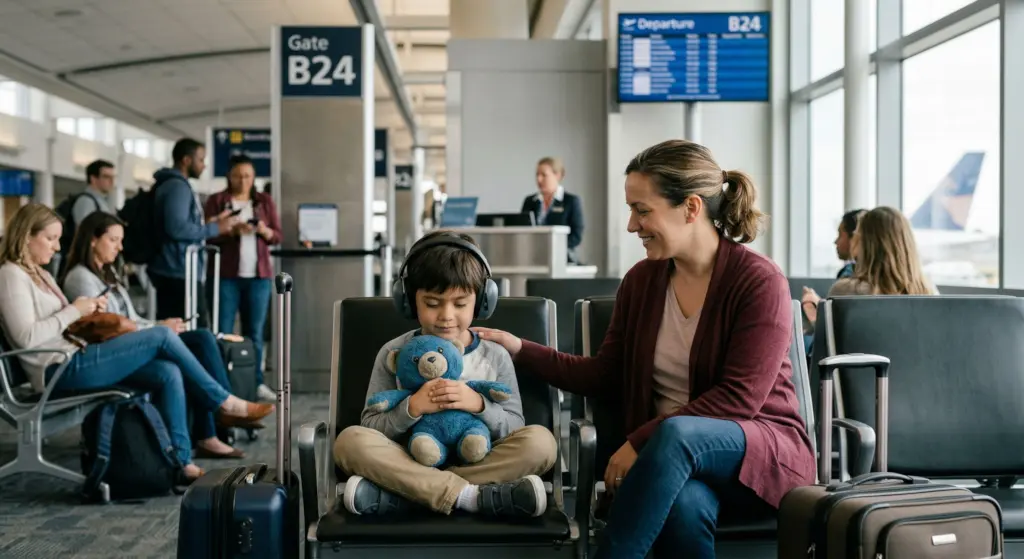
- Sensory overload: Noise, crowds, bright lighting, and other school-based sensory demands can become exhausting. See the AtlasCare guide on sensory overload at school for more.
- Social stress: Bullying, exclusion, peer conflict, or difficulty navigating social expectations can make school feel unsafe or overwhelming.
- Academic or communication demands: Group work, verbal participation, difficult assignments, or an instruction style that does not fit the child’s needs may increase stress.
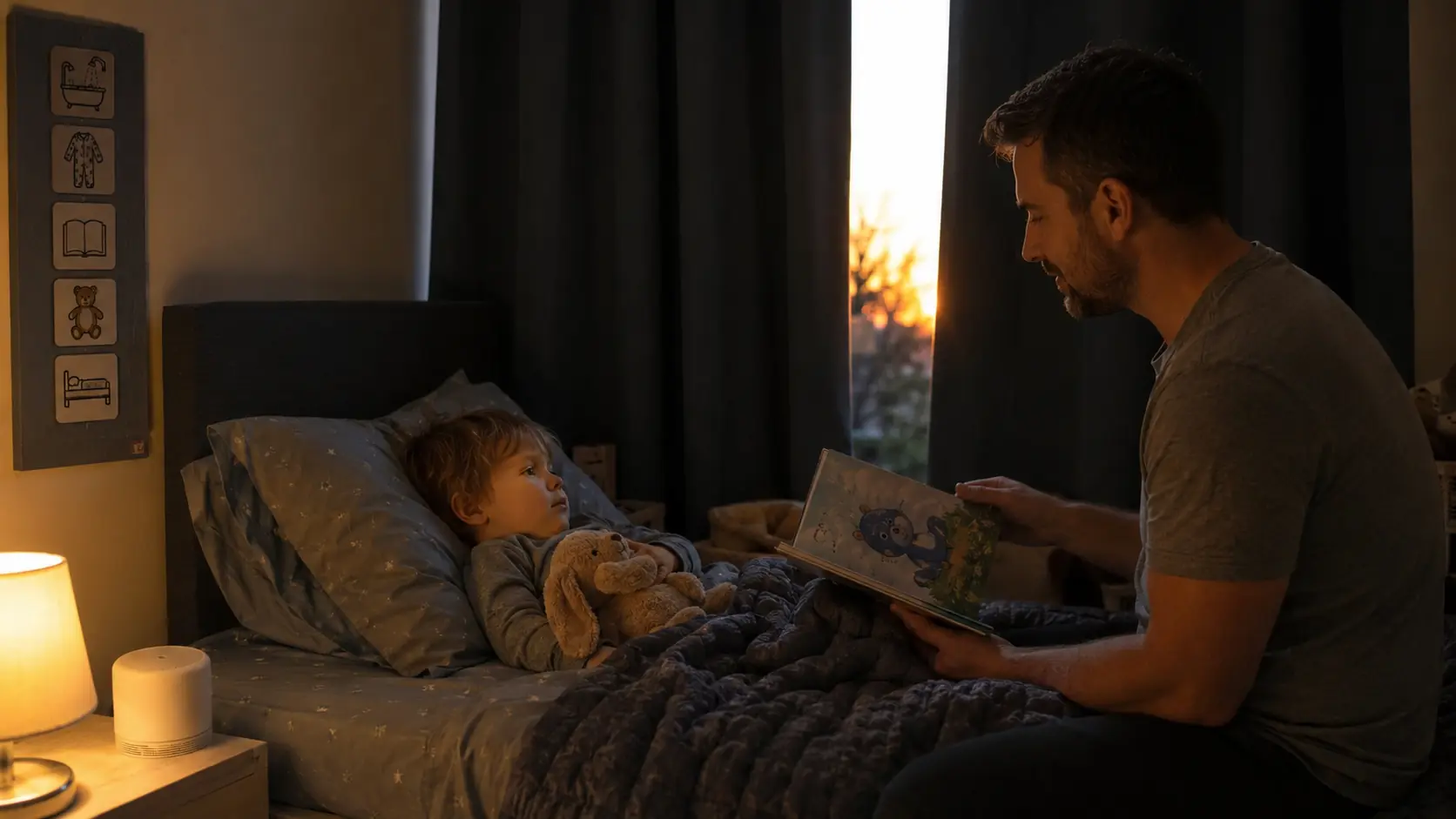
- Fatigue or sleep difficulties: Starting the day already tired can reduce the child’s ability to manage school demands.
- Physical discomfort or illness: Headaches, gastrointestinal issues, pain, or other health problems may contribute to avoidance.
- Unpredictable routines: Substitute teachers, schedule changes, new seating, or unexpected events can make the day harder to manage.
- Demand avoidance: Some autistic children experience intense distress around demands or loss of control. Families may hear terms such as PDA or persistent drive for autonomy, although PDA is not a standalone diagnosis in the DSM-5-TR.
- Cumulative burnout: A child who has been coping or masking for long periods may eventually reach a point where regular attendance becomes difficult.
Several of these factors may happen at the same time, and the main trigger may change from day to day. That is why school refusal is best understood by looking at patterns over time rather than assuming one obvious cause.
School Refusal vs. Defiance
From the outside, refusing to get dressed, enter the car, or walk into school can look oppositional. But behavior alone does not explain what is driving the refusal, and treating it as deliberate defiance can make the situation harder to understand.
Questions to Ask Instead
- What usually happens before the refusal?
- Is there a consistent trigger?
- What is the child communicating through words, behavior, or body language?
- What makes attendance easier or harder?
- Does the distress decrease once the school demand is removed?
The goal is not to decide who is at fault. It is to understand what is making school feel unmanageable and what changes may make attendance more achievable.
Identifying What Happens Before the Refusal
One of the most useful things families can do is track what happens before school refusal, not just the refusal itself. Patterns that are easy to miss in one difficult morning often become clearer after a week or two.
When a child is already distressed, avoid pressing for an explanation in the moment. Use calm, brief reassurance first, then ask questions later when the child is regulated.
A short written note, drawing, AAC response, or quiet conversation may provide more useful information than asking repeatedly during a stressful morning.
How Parents and Teachers Can Share Information
School refusal can become harder to address when families and school staff are each seeing different parts of the pattern. A short, consistent communication format is usually more useful than long emails sent only during a crisis.
What the School Can Share
- Arrival and drop-off patterns
- Classes, transitions, or times of day where difficulty increases
- Sensory conditions on harder days
- Peer or social situations that may be relevant
- Academic demands or assessment periods
- Supports tried and what seemed to help
What Parents Can Share
- Sleep quality and physical complaints
- Morning distress compared with other days
- Anything the child communicated about school
- Relevant health or medication changes
- What made leaving home easier or harder
Keep communication brief and observational — focus on what happened, not who is to blame. The goal is to identify patterns over time and build a more coordinated response.
IEP Accommodations That May Support Attendance
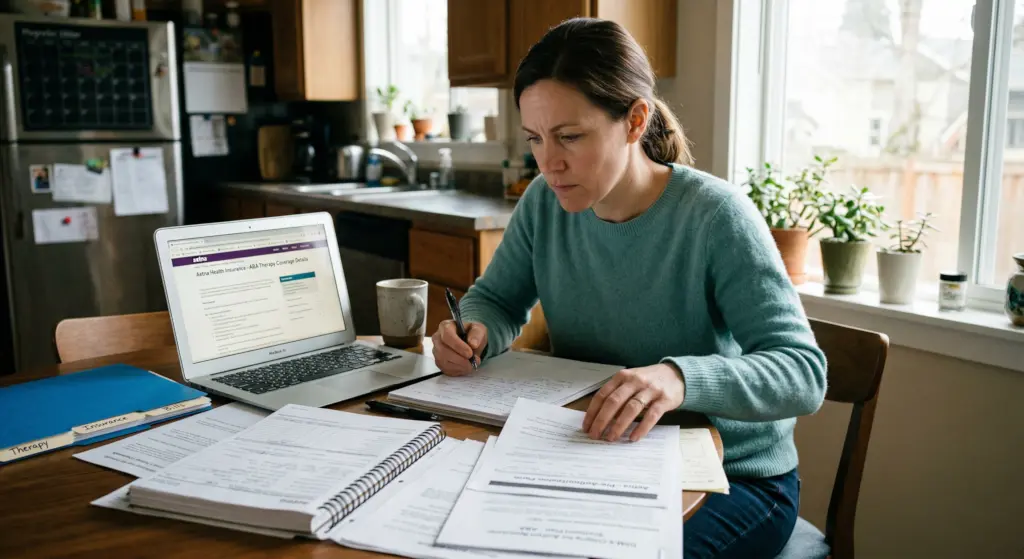
When school refusal is linked to specific barriers at school, those barriers may be addressed through the child’s IEP or other school support plan. Accommodations should be individualized through the school team and local process.
Possible supports to discuss include:
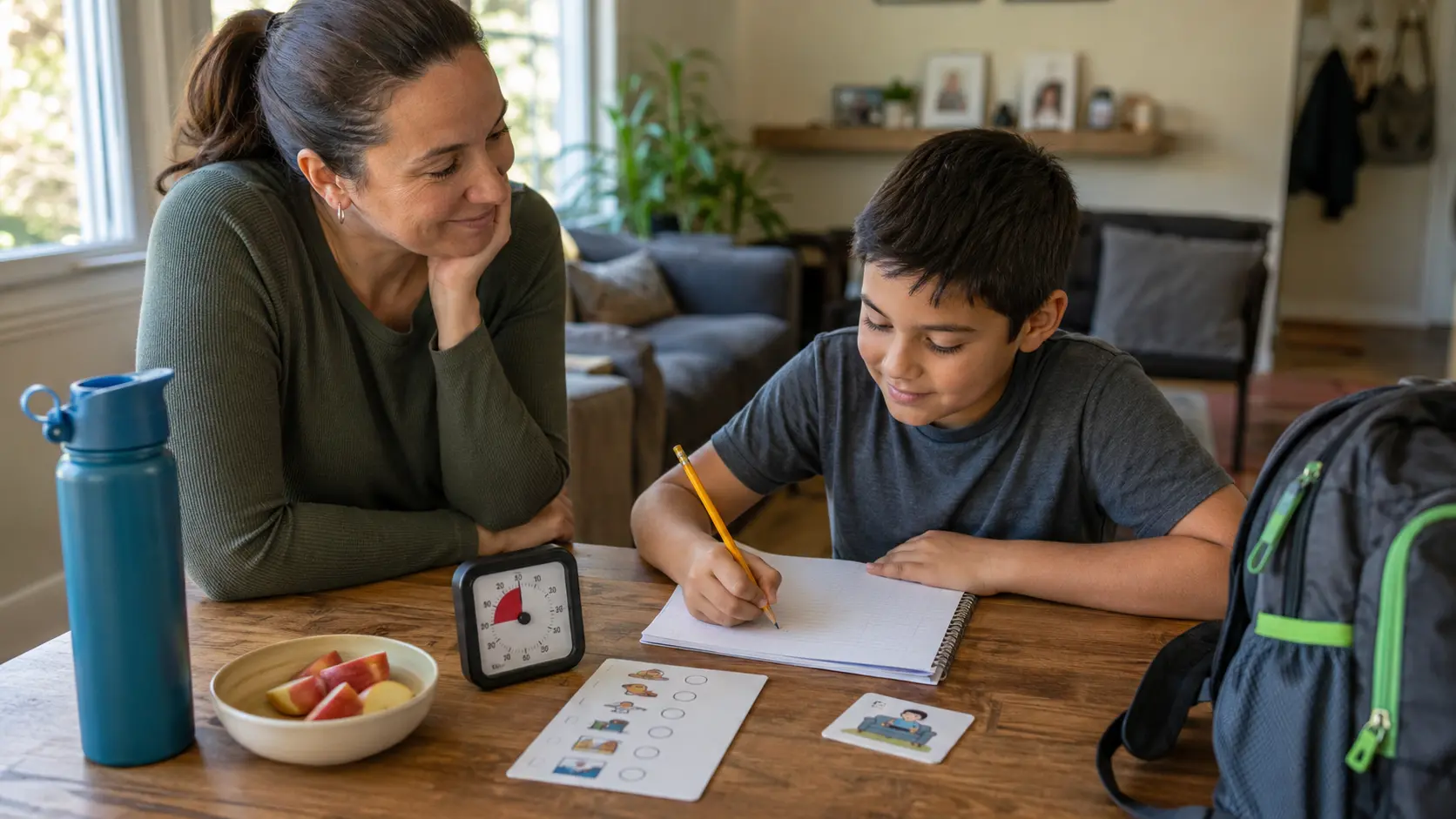
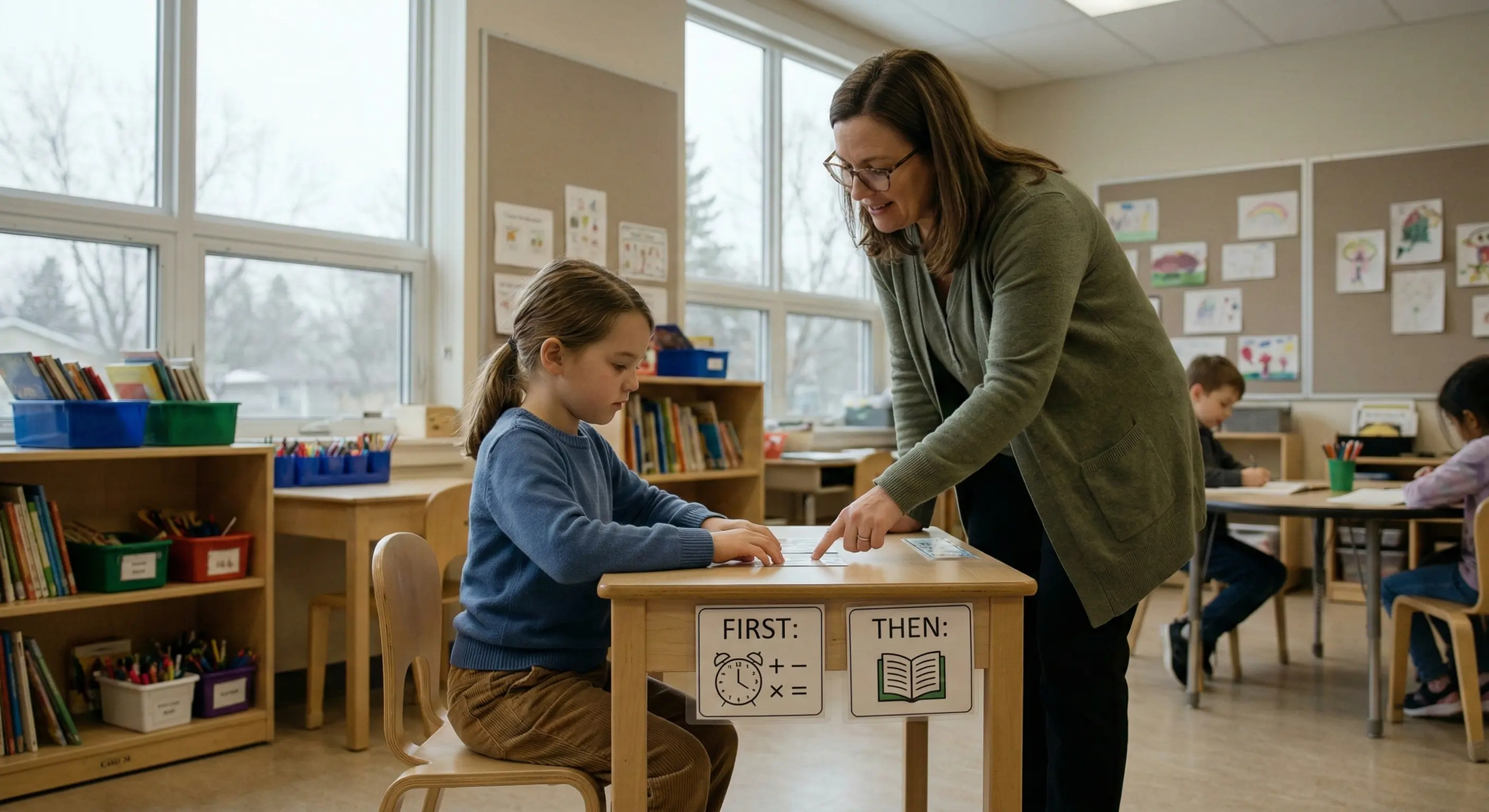
- Predictable arrival routine: A consistent sequence for who greets the child, where they go, and what happens first.
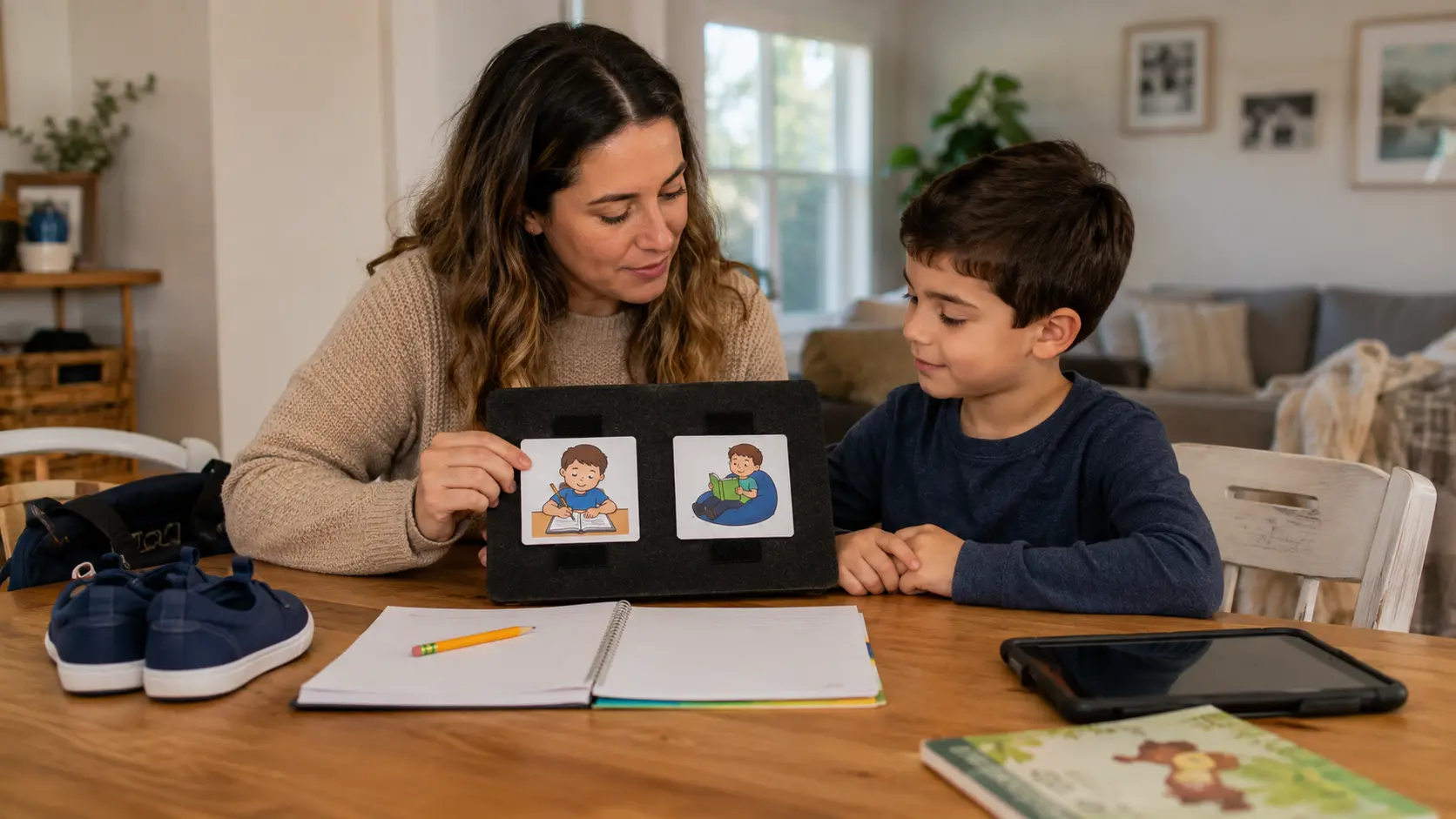
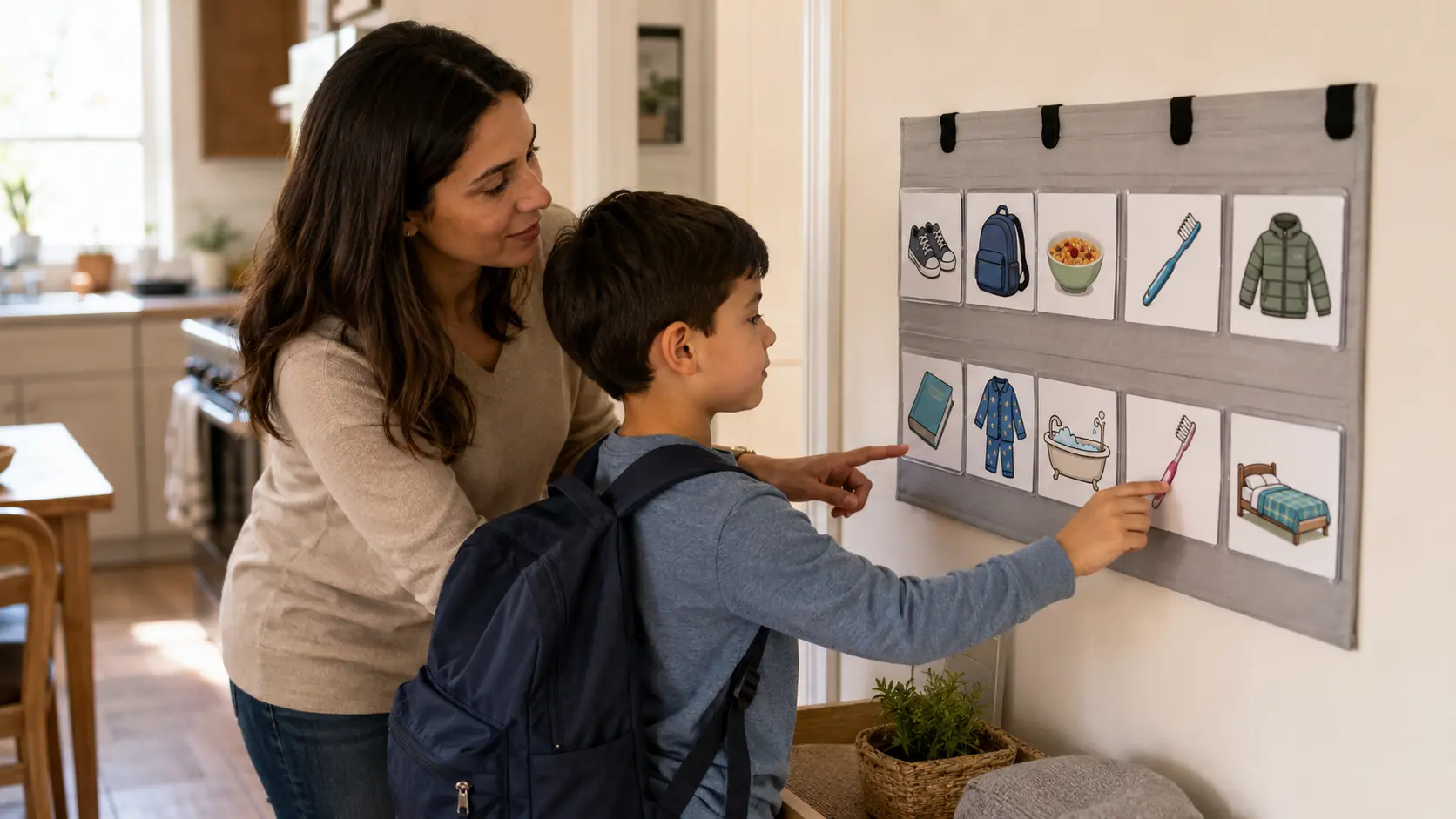
- Visual schedule: A first-then board or daily visual schedule showing what comes next. See the AtlasCare first-then board guide for examples.
- Quieter entry option: An alternative arrival time or entrance that reduces sensory and social demands.
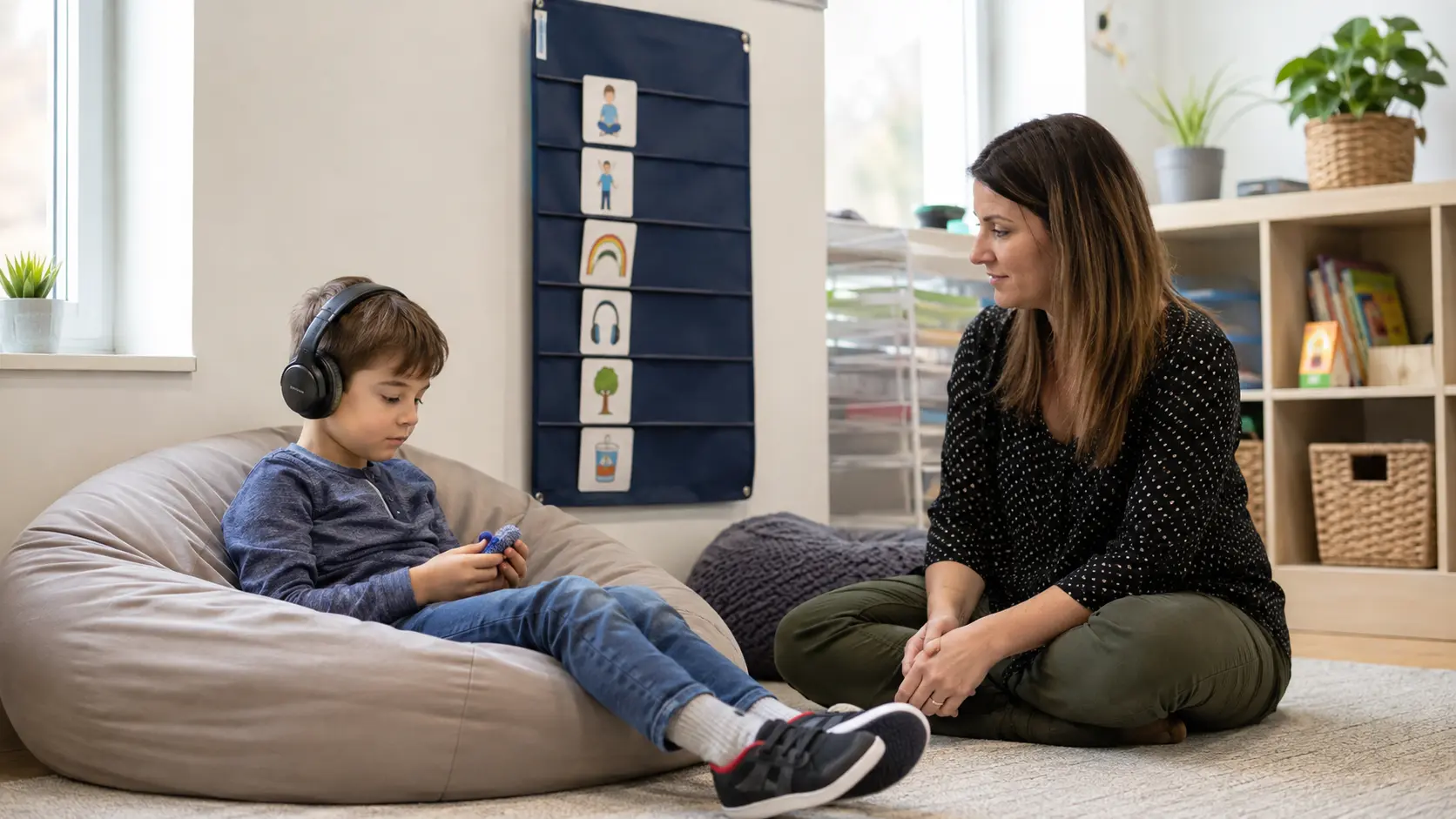
- Designated safe space: A quiet, low-demand area the child can access when needed.
- Trusted adult check-in: A brief, predictable check-in with a familiar staff member.
- Reduced sensory demand: Seating changes, noise-reducing supports, lighting adjustments, or access to sensory breaks.
- Advance notice of changes: Visual or written notice of schedule changes, substitutes, or assemblies.
- Communication supports: Access to AAC or other communication tools during high-stress moments.
- Gradual re-entry plan: A coordinated plan for rebuilding attendance over time.
These discussions are most useful when parents bring specific examples showing how refusal connects to particular school conditions rather than requesting accommodations in general.
Building a Gradual and Predictable Return Plan
When school avoidance has become established, an immediate return to full attendance may be too much. A gradual return plan rebuilds attendance step by step, with support at each stage.
The plan should be written down and shared with everyone involved. Clarify who meets the child, where breaks happen, what success looks like at each stage, and when the pace should be adjusted.
The goal is not to restore full attendance as quickly as possible. It is to build attendance from a stable, manageable foundation with the right supports in place. Forced exposure through severe distress should not be part of a gradual return plan.
When School Refusal Requires Clinical or Medical Support
Persistent or worsening school refusal may need professional evaluation, especially when it begins affecting the child’s broader daily functioning.
Seek additional support when:
- Refusal has been severe or escalating for several weeks
- Anxiety, panic, depression, or withdrawal extends beyond school mornings
- Recurring stomachaches, headaches, nausea, or other physical symptoms need evaluation
- Sleep or eating are significantly disrupted
- The child shows intense distress, hopelessness, or other concerning emotional changes
The right professional depends on the pattern. A pediatrician can assess physical symptoms, a mental health professional can evaluate anxiety or mood concerns, a school psychologist or counselor can review school-specific factors, and OT or behavioral providers may help with sensory, communication, routine, and transition needs.
If the child expresses thoughts of self-harm or there is an immediate safety concern, seek urgent professional or emergency support rather than focusing on attendance strategies.
School anxiety in autism can overlap with other clinical concerns, so a broader evaluation may be appropriate when symptoms are persistent or severe.
How ABA Can Support School Participation
ABA can be one part of a coordinated support plan for school refusal. It does not replace school accommodations, mental health care, occupational therapy, or medical evaluation when those are needed.
ABA may help with:
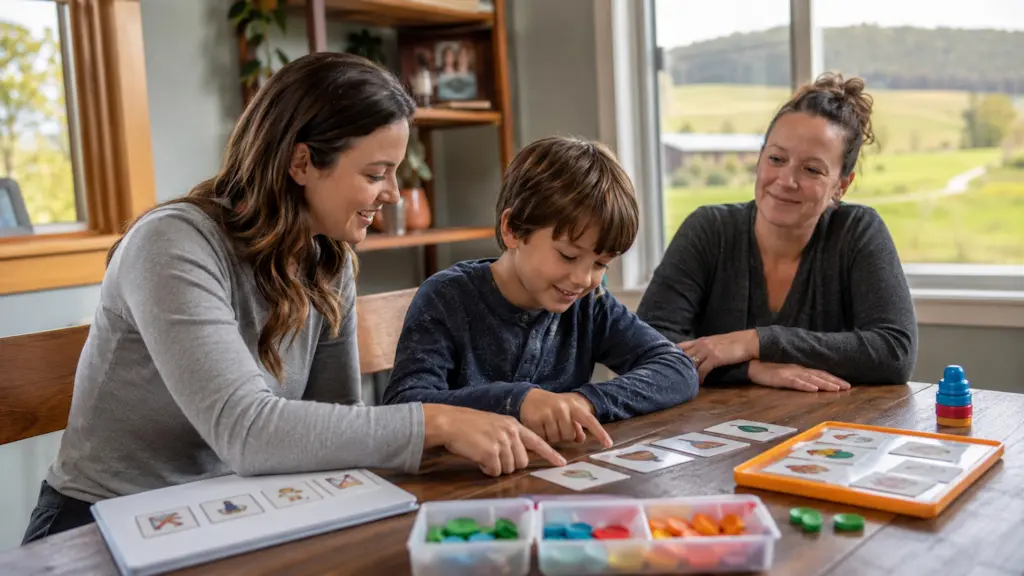
- Functional communication: Teaching the child to request a break, ask for help, or communicate what is making school difficult.
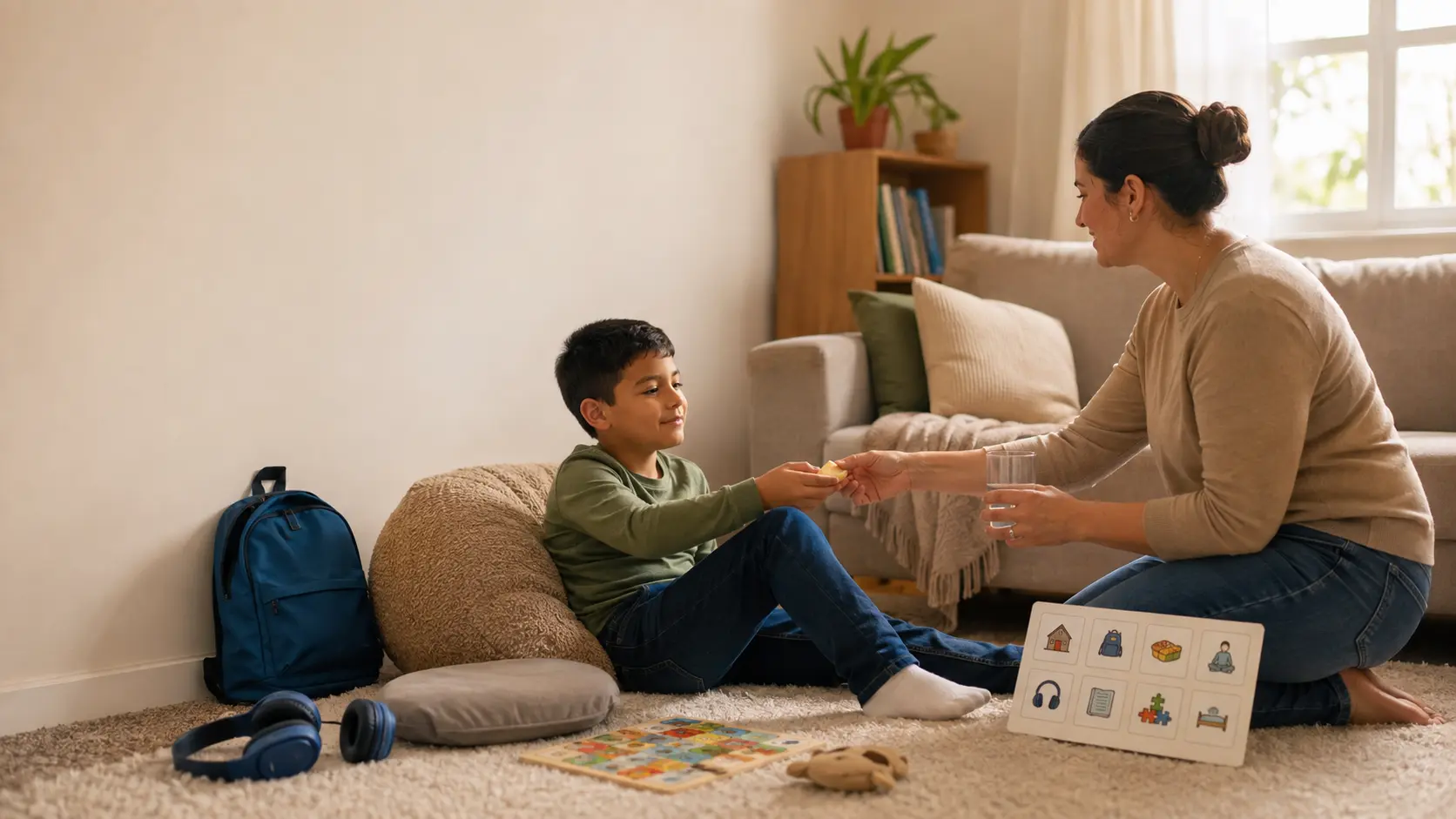
- Predictable morning routines: Building a clear, visually supported sequence from waking through departure.
- Transition supports: Using coping strategies and visual supports to make home-to-school and school-based transitions more manageable.
- Task initiation and coping: Helping the child begin tasks, manage brief demands, and use agreed regulation strategies before distress escalates.
- Caregiver and school consistency: Parent coaching can help adults use similar language, routines, and responses across settings.
A functional behavior assessment may also help identify patterns contributing to school avoidance. However, school refusal should not be reduced to simple “escape behavior.” Anxiety, sensory needs, health concerns, academic demands, and social experiences may all be part of the picture.
School Attendance Gets Easier When the Right Pieces Are in Place
The goal is not to win a morning battle. Progress comes from understanding what makes school difficult, reducing barriers, building predictable routines, strengthening communication, and keeping home and school supports aligned.
When the adults around the child are working from the same information and the right supports are in place, attendance can become more manageable.
Is School Avoidance or Morning Refusal Affecting Your Family?
If autism school refusal, difficult transitions, or inconsistent home-school strategies are affecting daily routines, AtlasCare ABA parent coaching can help families identify patterns and build more consistent support.
Contact AtlasCare to learn more about parent coaching and school-home coordination.










.webp)


.webp)

.webp)
.webp)
.webp)





.jpg)


.webp)

.webp)
.webp)









%20During%20Play%20in%20the%20Home.webp)