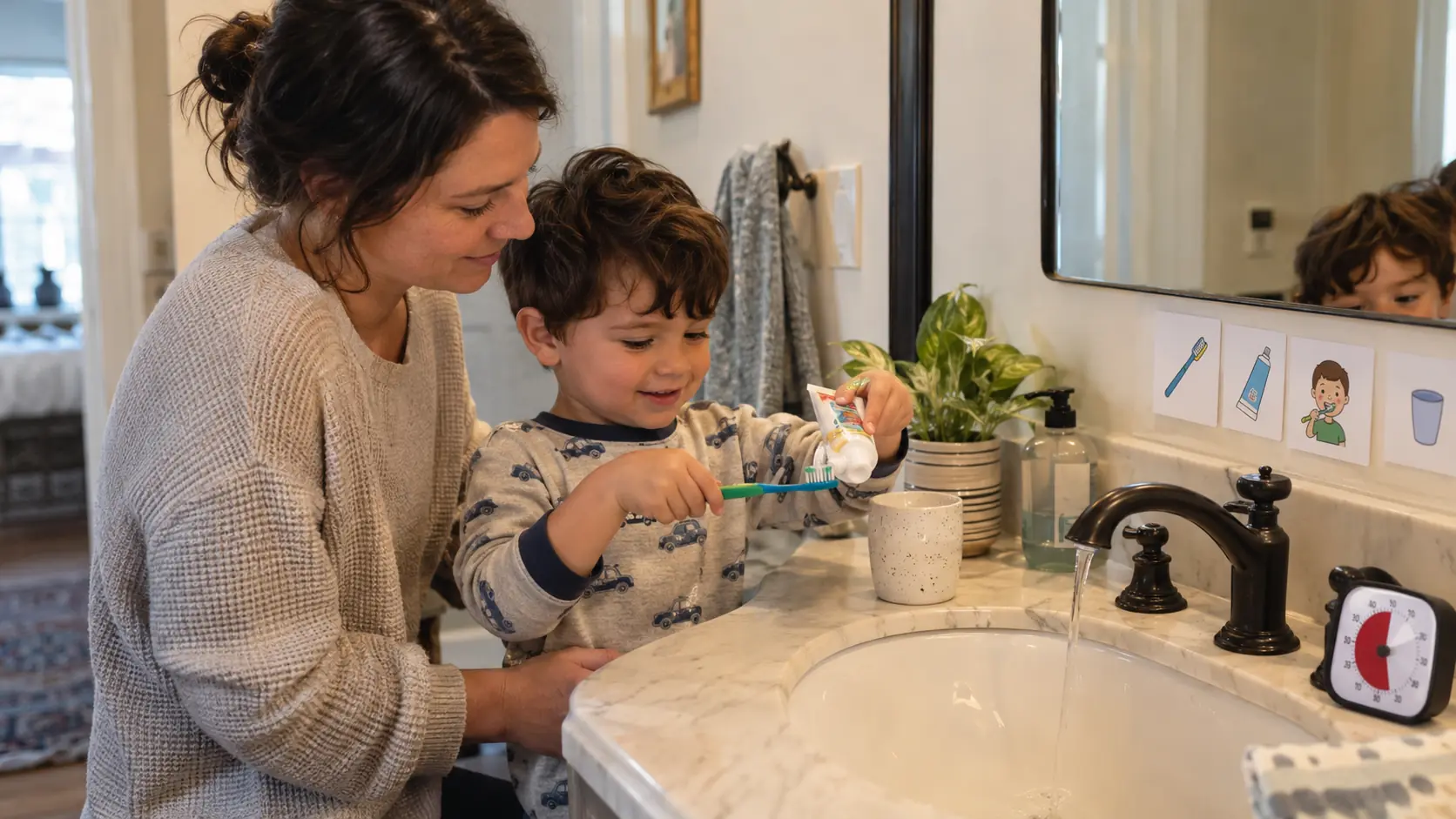
For some autistic children, tooth brushing can quickly become a stressful part of the day — turning away, clamping the mouth shut, crying, or refusing the toothbrush altogether.
The difficulty is rarely about cooperation alone. Tooth brushing combines taste, smell, texture, sound, water, close contact, motor skills, and several small steps in one routine.
For many children, one or more of these parts may be genuinely difficult. The goal is to understand which part is causing the problem and build a routine that feels more manageable.
Why Tooth Brushing Can Be Difficult for Autistic Children
When tooth brushing becomes a daily struggle, the first question is not simply how to get the child to brush, but what part of the routine is making it difficult.
Common reasons may include:
- Sensory input: Bristle texture, toothpaste flavor or smell, foam, water temperature, vibration, bathroom lighting, or sound can feel overwhelming.
- Motor planning and coordination: Reaching back teeth, controlling the brush angle, and managing rinsing or spitting may be difficult.
- Sequencing and executive function: Remembering the steps, knowing what comes next, and understanding when brushing is finished may require extra support.
- Communication: A child who cannot easily say “this hurts,” “I need a break,” or “I don’t understand” may communicate through refusal or avoidance.
- Demand-related distress: Some children experience strong distress around required routines or loss of control.
- Negative past experiences: Previous discomfort or distress can make future brushing feel threatening.
- Dental pain or oral-health concerns: Sudden refusal or protecting one area of the mouth may indicate tooth decay, gum irritation, a new tooth, or another dental issue.
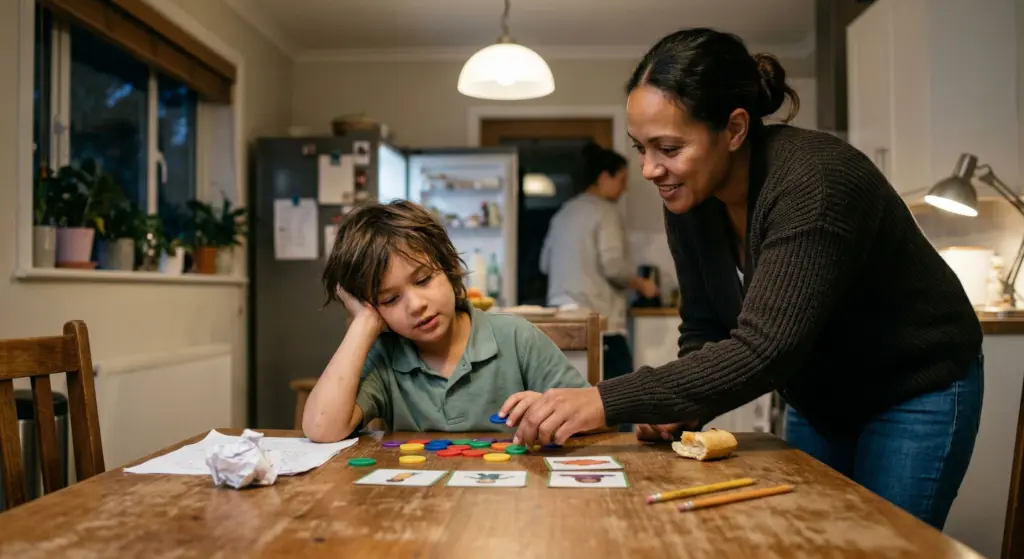
The key is to treat refusal as information. Identifying which part of the routine is difficult makes it easier to choose the right support.
Identifying What Part of Tooth Brushing Is Difficult
Breaking the routine into individual steps can make it easier to see where most of the distress is happening.
A brief note over several days can also help. Track what triggered distress, what helped, and whether the same pattern repeats.
This information can be useful when discussing the routine with a dentist, occupational therapist, or ABA provider.
Choosing a Toothbrush and Toothpaste the Child Can Tolerate
There is no single best toothbrush or toothpaste for autistic children. The goal is to find options the child can tolerate and change one feature at a time so it is easier to see what helps.
Toothbrush Features to Consider
- Soft bristles: May feel gentler on sensitive teeth and gums
- Smaller brush head: Can feel less overwhelming inside the mouth
- Comfortable handle: Makes the brush easier to hold and control
- Manual vs. powered: Some children benefit from powered brushes, while others find the vibration or sound difficult
- Simple vs. character designs: Follow the child’s preference and attention needs
Toothpaste Sensitivity
Flavor, smell, texture, and foaming can all make toothpaste difficult to tolerate. Mild-flavored, low-foaming, or unflavored options may be easier for some children.
Fluoride toothpaste is generally recommended for cavity prevention. If a child cannot tolerate available fluoride toothpaste, discuss alternatives with their dentist rather than changing products without guidance. The dentist can recommend options based on the child’s oral-health needs.
For most children, the oral-health goal is brushing twice a day for about two minutes with fluoride toothpaste, with adult assistance or supervision as needed. Skill-building may begin with much shorter practice steps, while the child’s dentist can provide individualized guidance for maintaining effective daily cleaning.
Breaking Tooth Brushing Into Smaller Steps
Breaking tooth brushing into small, visible steps can make the routine easier to learn. Instead of teaching the whole sequence at once, focus on one step at a time.
Some children may already complete most steps independently and need help with only one or two. Identifying those specific steps makes practice more focused and supports gradual independence.
Using a Social Story or Simple Visual Sequence
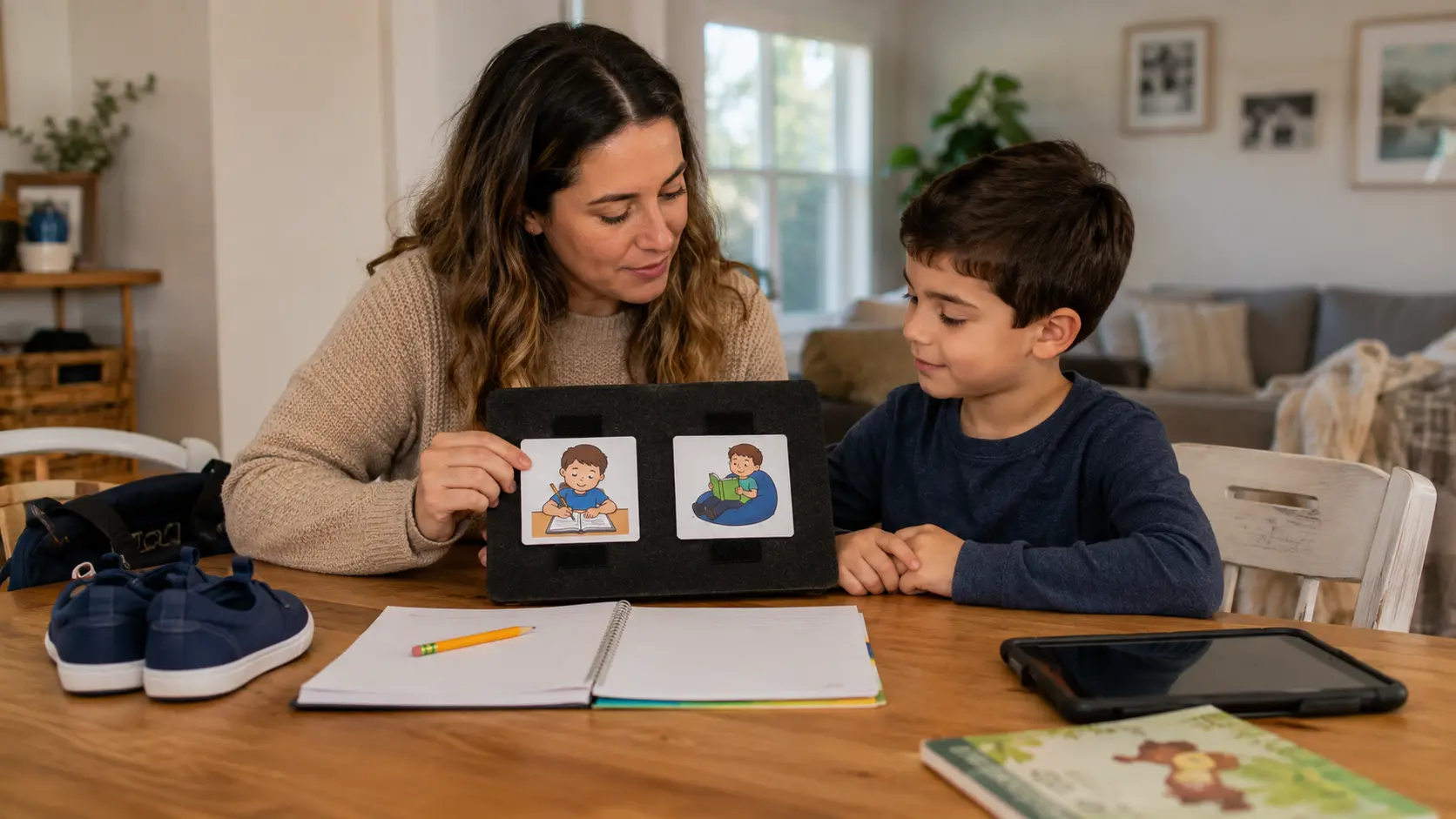
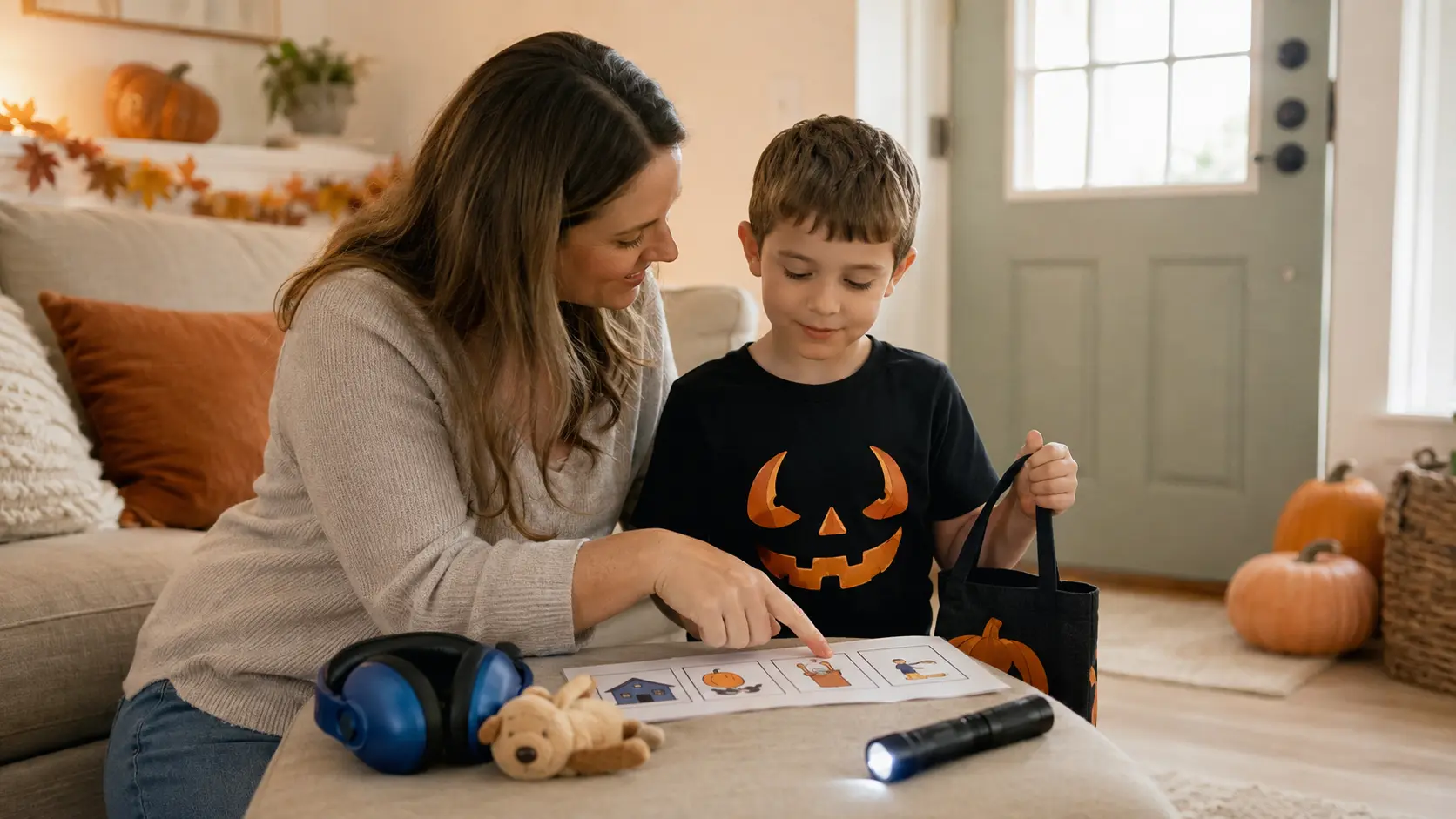
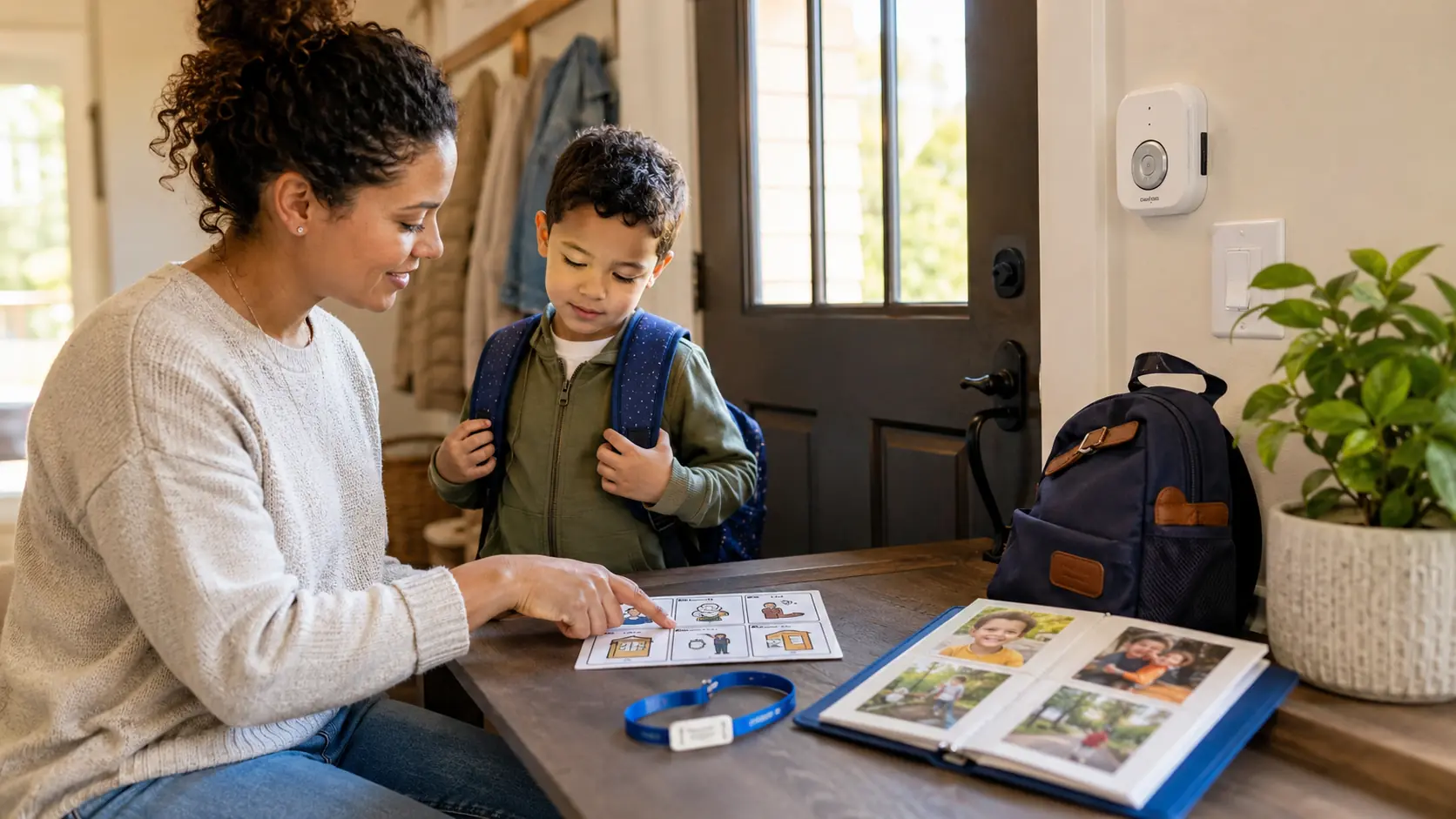
A short social story or visual sequence can make tooth brushing more predictable by showing the child what will happen before the routine begins.
Keep it simple and concrete:
- Show the sequence: “First bathroom, then toothbrush, then toothpaste, then top teeth, bottom teeth, and finished.”
- Make the endpoint clear: Use a timer or another consistent cue so the child knows when brushing is over.
- Show what happens next: Connect the end of brushing to a predictable next activity.
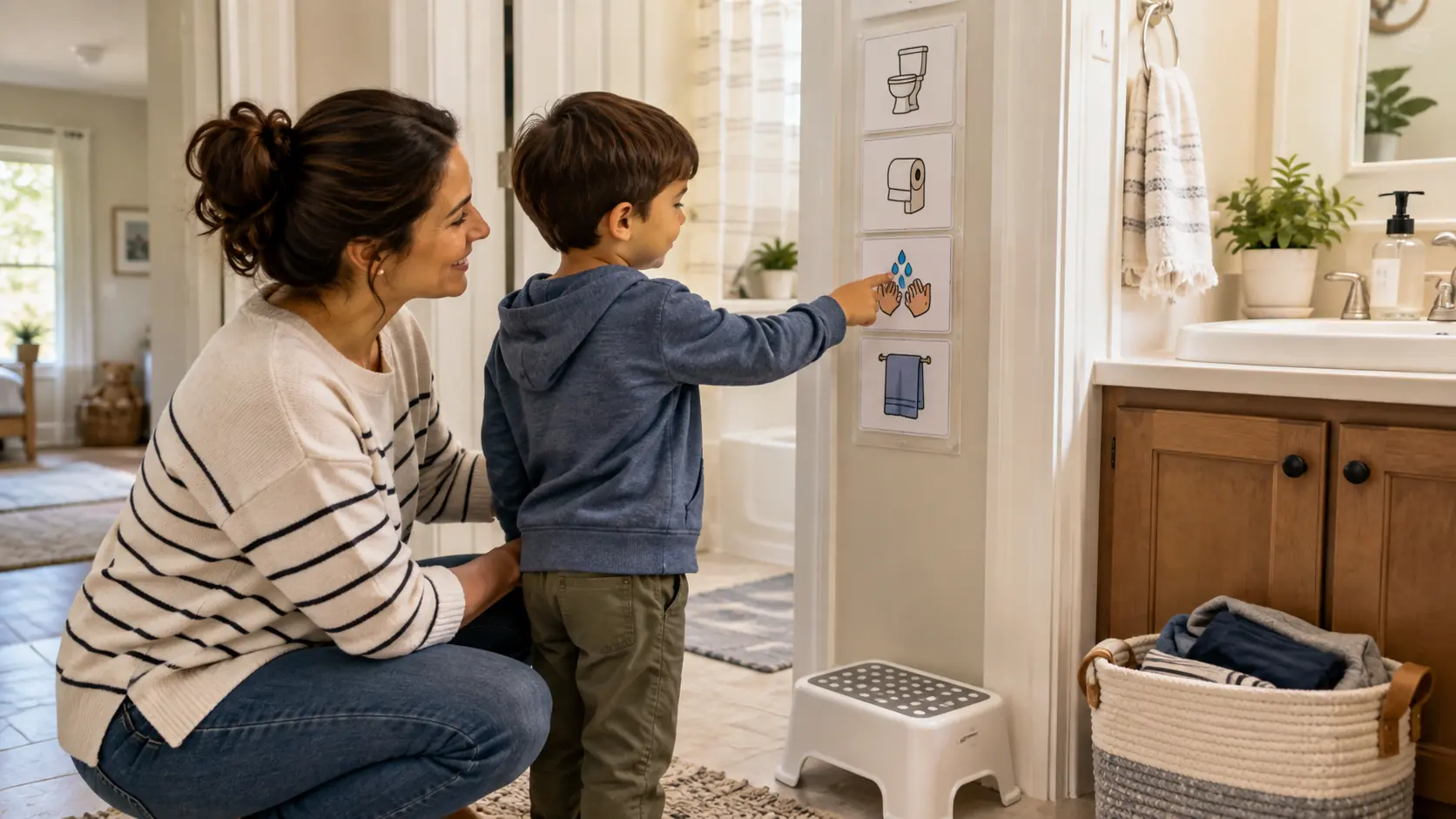
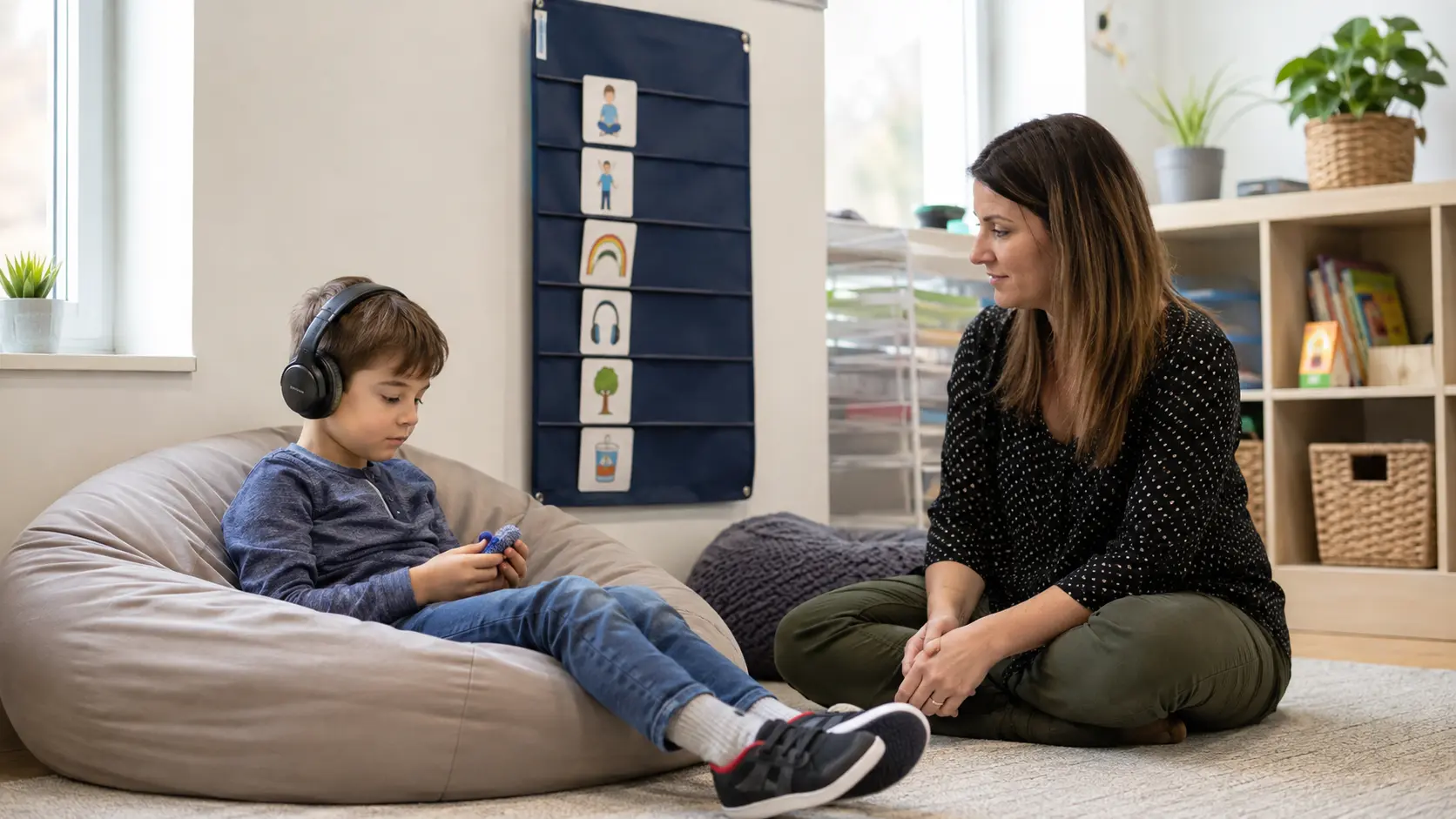
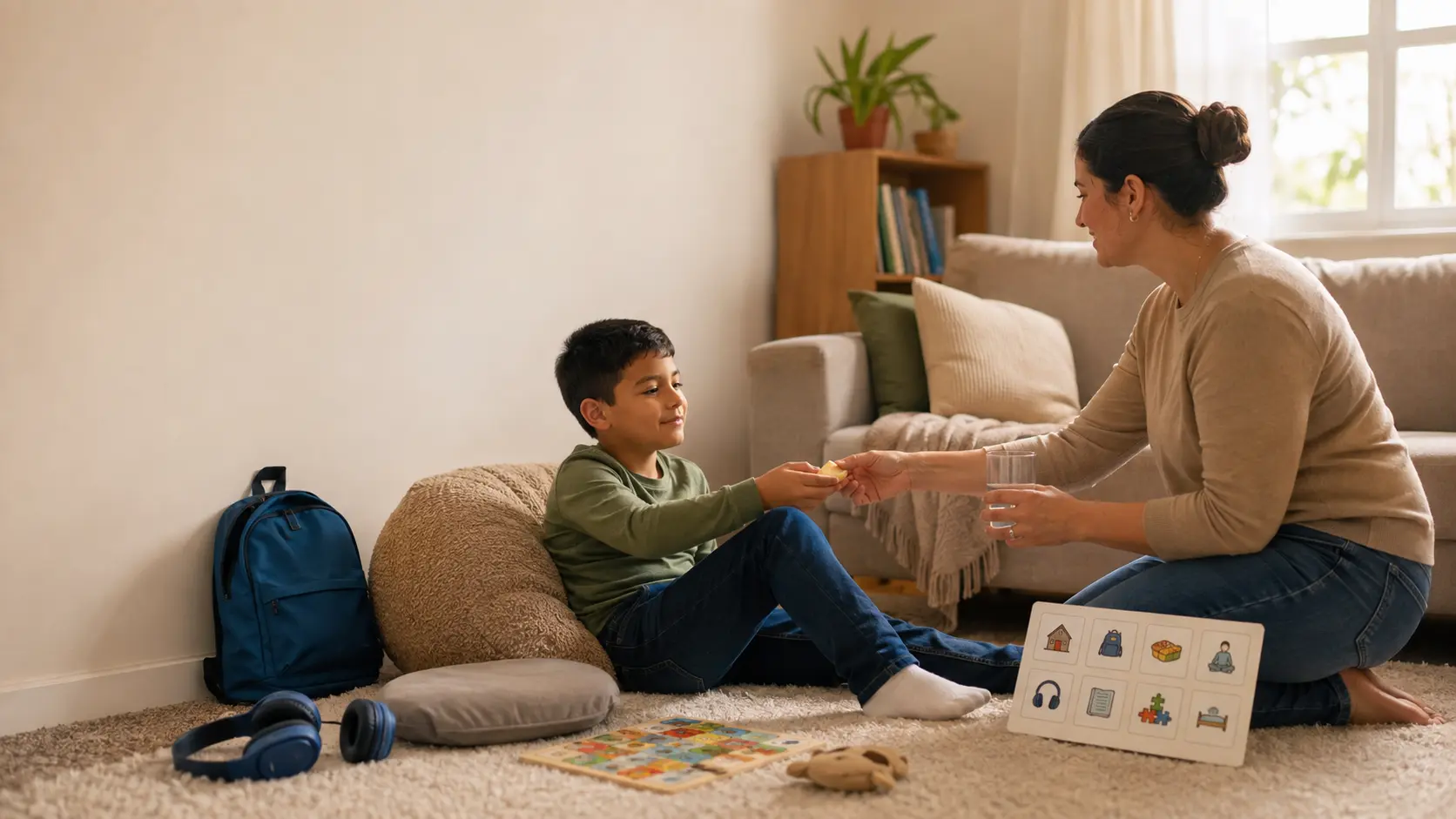
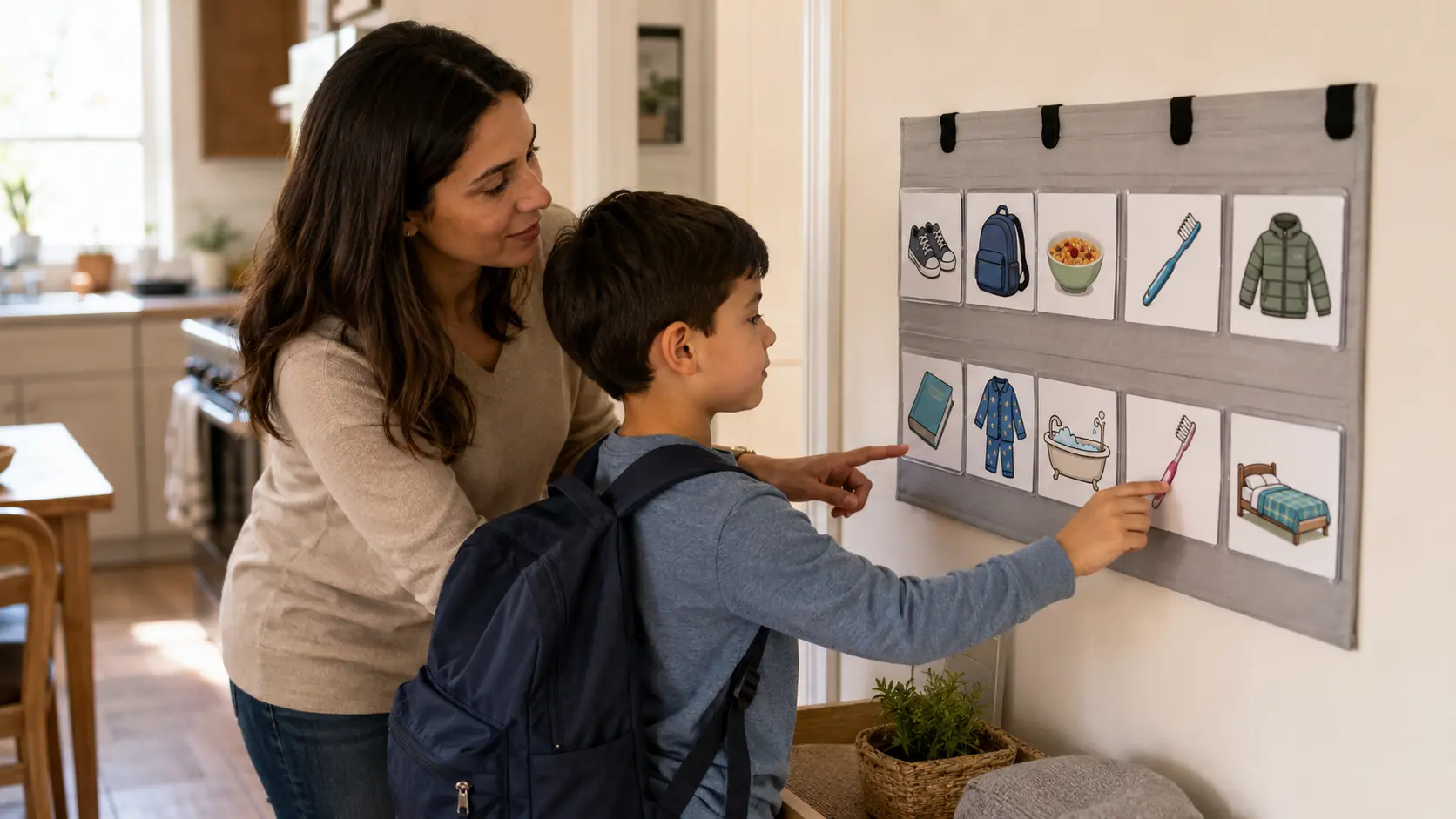
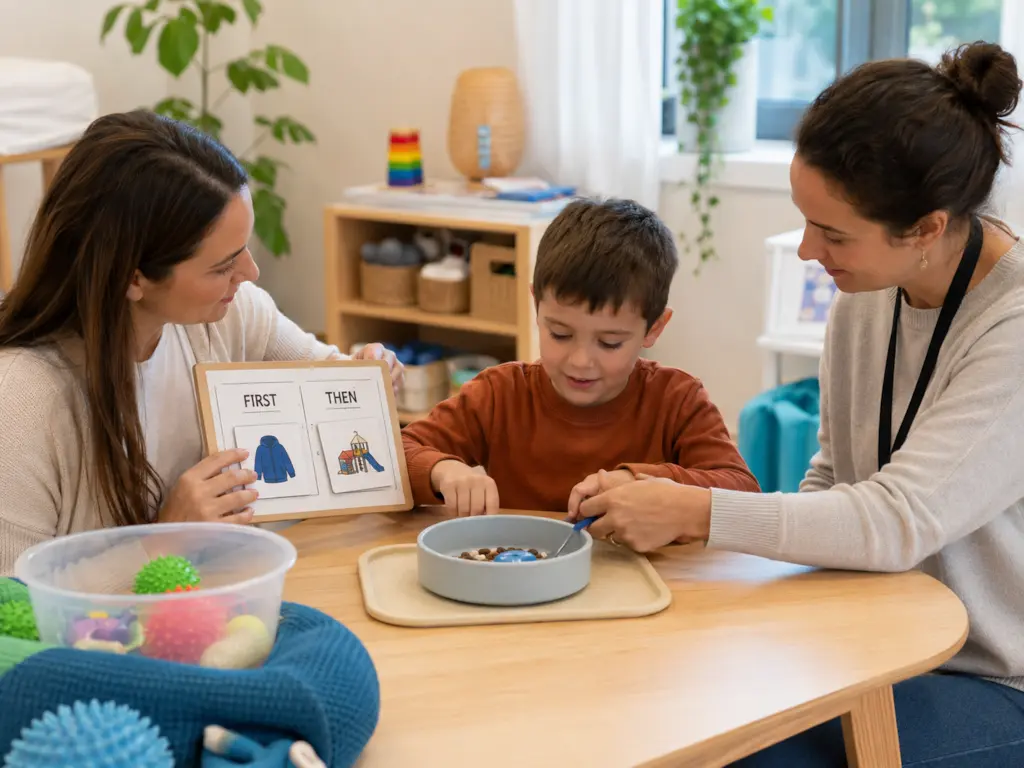
Visual supports such as picture cards or a bathroom routine strip can serve the same purpose. They help the child see what comes next without relying on repeated verbal prompts.
A social story can improve predictability, but it does not remove sensory, motor, or dental barriers. Those difficulties may still need separate support.
Building Tolerance Gradually
Gradual tolerance-building means practicing difficult parts of tooth brushing in small, manageable steps rather than expecting full brushing immediately.
A simple progression might look like:
- Toothbrush is present in the bathroom
- Child holds the toothbrush
- Toothbrush briefly touches the lips
- Toothbrush touches the front teeth for a few seconds
- Brief brushing begins with a clear endpoint
- Brushing time increases gradually
- Additional tooth surfaces are added one at a time
The pace should match the child’s tolerance. If practice regularly ends in significant distress, the steps may be too large or moving too quickly.
If tolerance suddenly worsens or the child consistently protects one area of the mouth, pause practice and consult a dentist to rule out pain or another oral-health concern.
Teaching a Child to Brush More Independently
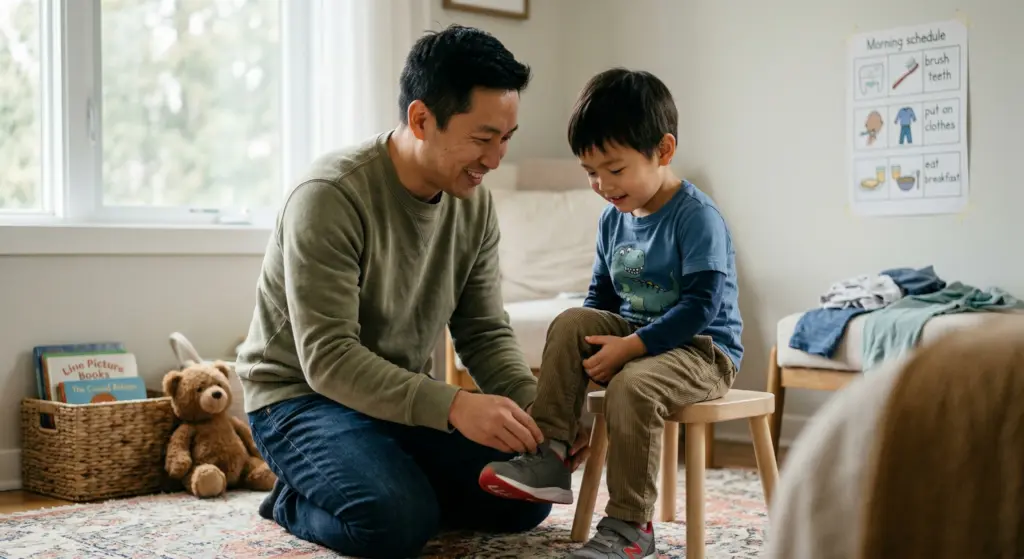
The goal is to gradually shift more of the tooth-brushing routine to the child while keeping support in place for steps that are still difficult.
Helpful strategies include:
- Modeling: Brush alongside the child so they can see the sequence and movements.
- Let the child complete mastered steps: If they can already manage part of the routine, let them do that step independently while helping only where needed.
- Use supportive physical guidance when appropriate: Hand-under-hand guidance can allow more child control than fully directing the movement.
- Mirror practice: Brushing in front of a mirror can provide useful visual feedback.
- Fade prompts gradually: Start with visual or verbal prompts, then reduce them as the child becomes more confident.
Some children may still need adult help for thorough brushing even as independence improves. The amount of assistance needed depends on age, motor skills, and individual dental needs, and the child’s dentist can help guide what effective home brushing should look like.
Reducing Repeated Prompts Over Time
If a child waits for verbal directions at every step, repeated prompting may have become part of the routine. Gradually fading those prompts can support greater independence.
A simple approach is to:
- Move from verbal instructions to gestures or pointing
- Use the visual schedule or checklist as the main cue
- Pause briefly before prompting to give the child a chance to begin independently
- Reduce prompts to occasional check-ins as skills improve
- Recognize independent initiation, such as picking up the toothbrush without being asked
Prompt fading should happen gradually and based on the child’s success. Removing support too quickly can increase frustration and make the routine harder.
When Oral Health Concerns Need Professional Dental Care
Behavioral and routine strategies can support brushing skills, predictability, and sensory tolerance, but they do not treat dental pain or oral disease.
Contact a Dentist If You Notice:
- Tooth or mouth pain
- Facial or gum swelling
- Unusual or persistent bleeding
- Visible tooth damage, darkening, or suspected decay
- Mouth sores that do not heal
- Dental trauma
- Persistent bad breath despite regular hygiene
- A sudden change in brushing tolerance
- Ongoing difficulty maintaining adequate oral hygiene
Seek urgent medical or dental care if swelling is rapidly worsening, spreads into the face or neck, or affects breathing or swallowing.
Some autistic children may also need extra support to tolerate dental visits. Preparing for the dental chair, tools, sounds, and procedures is a separate skill-building process from daily brushing, although some strategies may overlap.
Families can discuss dental-visit preparation with the child’s dentist and, when appropriate, with AtlasCare as part of broader routine and self-care support.
How ABA Can Support Daily Oral Hygiene Routines
ABA can be one part of a coordinated approach to building self-care independence. It does not replace dental care or other clinical support when those are needed.
ABA may help with:
- Functional communication: Teaching the child to request a break, ask for help, say they are finished, or signal pain.
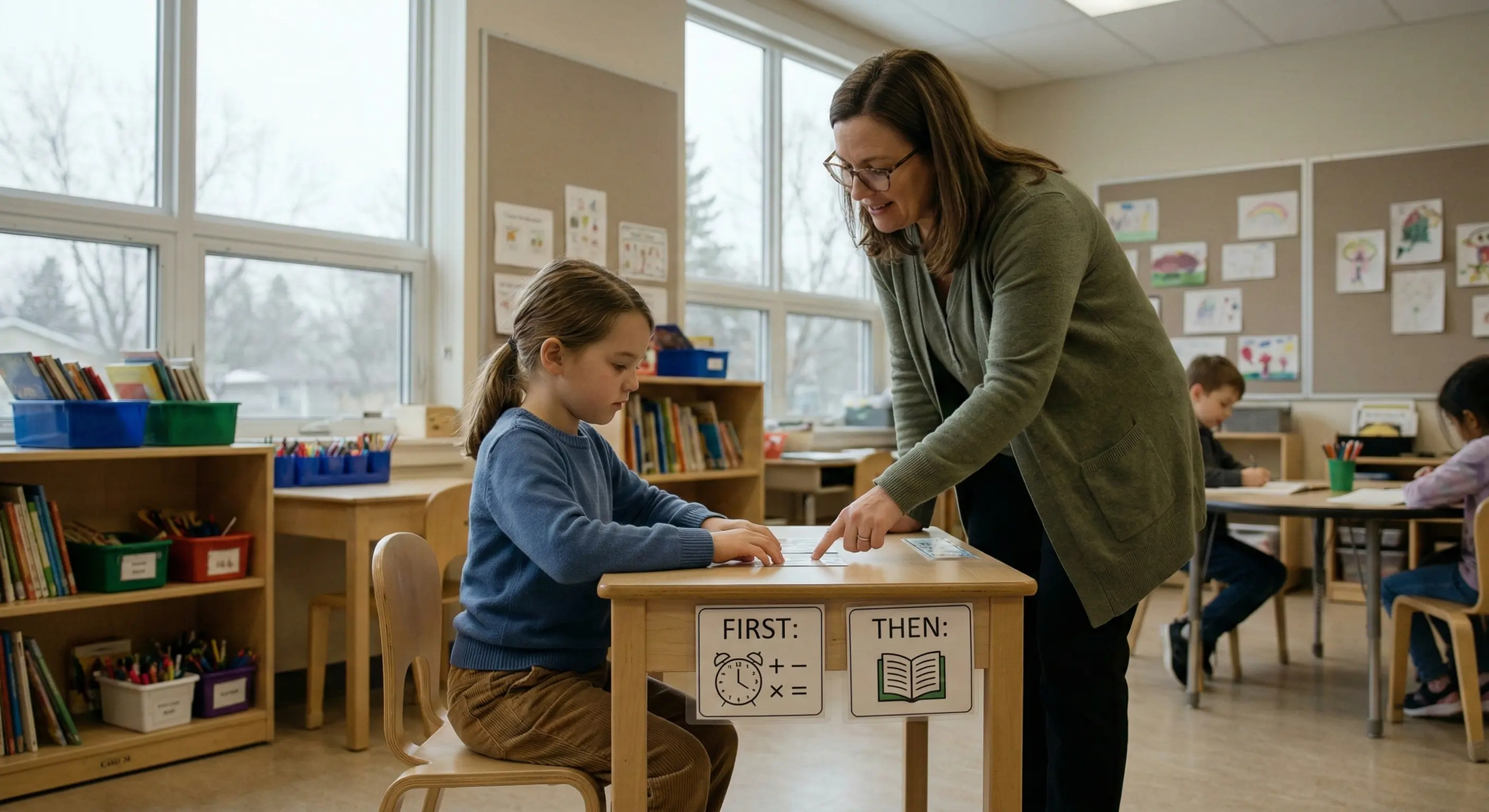
- Visual routines: Using schedules or first-then boards to make each brushing step predictable.
- Task analysis: Breaking brushing into smaller steps and teaching one step at a time.
- Prompt fading: Providing support when needed, then gradually reducing prompts as independence improves.
- Reinforcement: Using preferred activities or other meaningful rewards to support participation.
- Caregiver coaching: Helping adults use consistent language, routines, and prompting approaches.
- Generalization: Practicing the routine across caregivers, settings, and small routine changes.
ABA should not be used to push through suspected dental pain or significant distress. When sensory, motor, communication, and dental concerns overlap, coordination between the dental team and relevant therapy providers may be the most effective approach.
Finding the Barrier Is the Starting Point
Tooth-brushing refusal can signal that part of the routine is too difficult. Identify the main barrier, adjust one thing at a time, use visual supports, and build independence gradually.
Ask About Home-Routine and Self-Care Support
If tooth brushing or other self-care routines are stressful at home, AtlasCare ABA parent coaching may help families build more predictable routines and greater independence.
Contact AtlasCare ABA to learn more.











.webp)
.webp)
.webp)
.webp)
.webp)






.jpg)


.webp)

.webp)
.webp)









%20During%20Play%20in%20the%20Home.webp)