
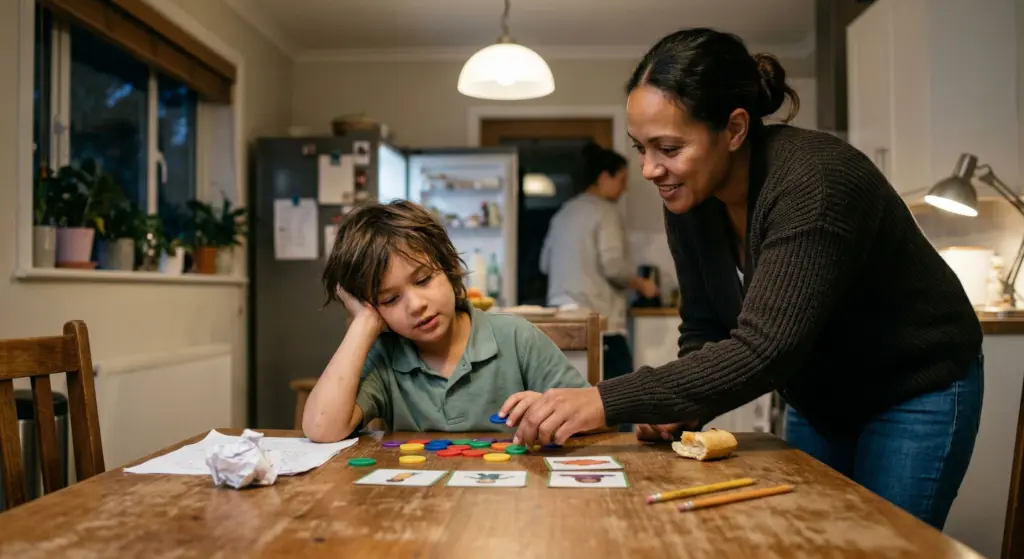
A child faces a task that feels too difficult. They push materials away, cry, leave, or become distressed because they may not yet have a reliable way to say, “I need help” or “I need a break.”
Functional Communication Training (FCT) teaches a clearer communication response that helps the child express what they need instead of relying on distress or avoidance.
The response does not have to be spoken. It may be a word, gesture, sign, picture, or AAC response. The goal is to give the child a reliable and accessible way to communicate across everyday situations.
What Is Functional Communication Training?
Functional Communication Training (FCT) is a function-based approach commonly used in ABA. The goal is to identify what a behavior is helping the child achieve and teach a communication response that serves the same purpose.
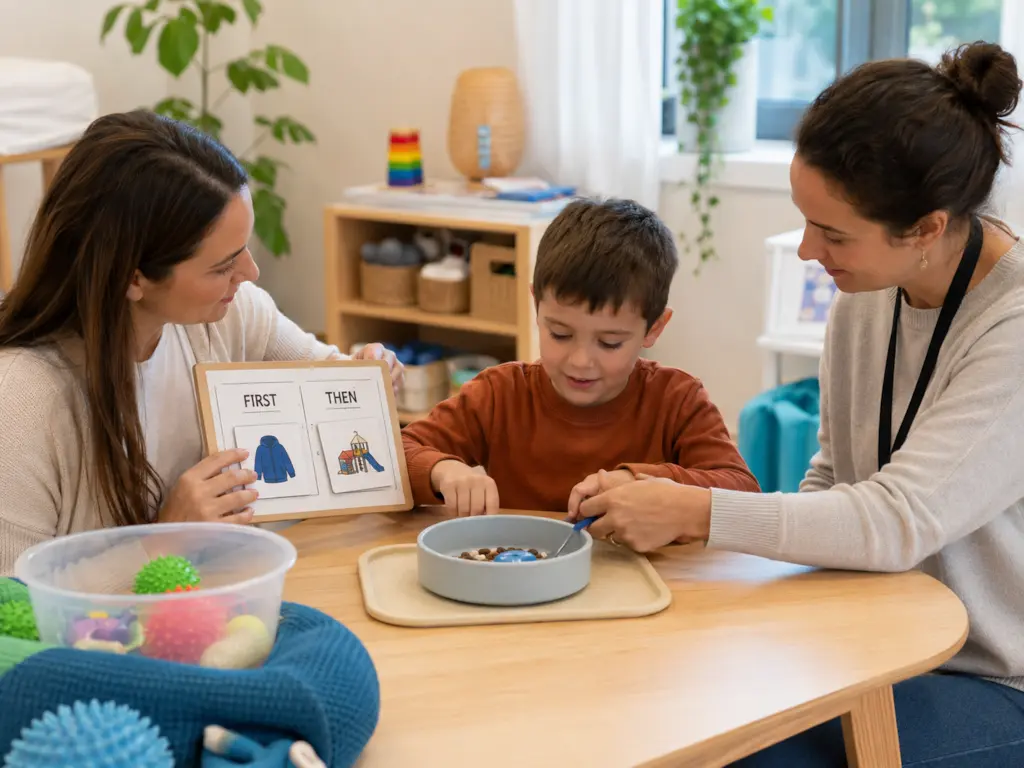
For example, instead of pushing work away when a task feels too difficult, the child may learn to say, sign, gesture, or select “help” or “break.”
FCT is not one fixed method. The communication response should match the child’s current abilities, existing communication system, and everyday needs. The approach is individualized through assessment and observation.
Why Functional Communication Is Important
Communication is most useful when it reliably changes something. If a child asks for help, requests a break, or says “finished,” adults need to respond consistently so the child learns that communication works.
Functional communication can reduce frustration by giving the child a clearer way to express needs before distress escalates. The goal is not to suppress behavior, but to provide more effective communication access.
FCT may support calmer routines, but it is not a solution for every challenging behavior. Sensory needs, pain, anxiety, skill gaps, and environmental factors may also contribute and need separate support.
Examples of Useful Functional Communication Skills
Functional communication goals should reflect the child’s real daily needs rather than a generic list of words.
Other useful requests may include bathroom, wait, I don’t understand, attention, or open.
Goals should focus first on the requests that are most important and most frequently needed in the child’s everyday routines.
Teaching a Child to Ask for Help
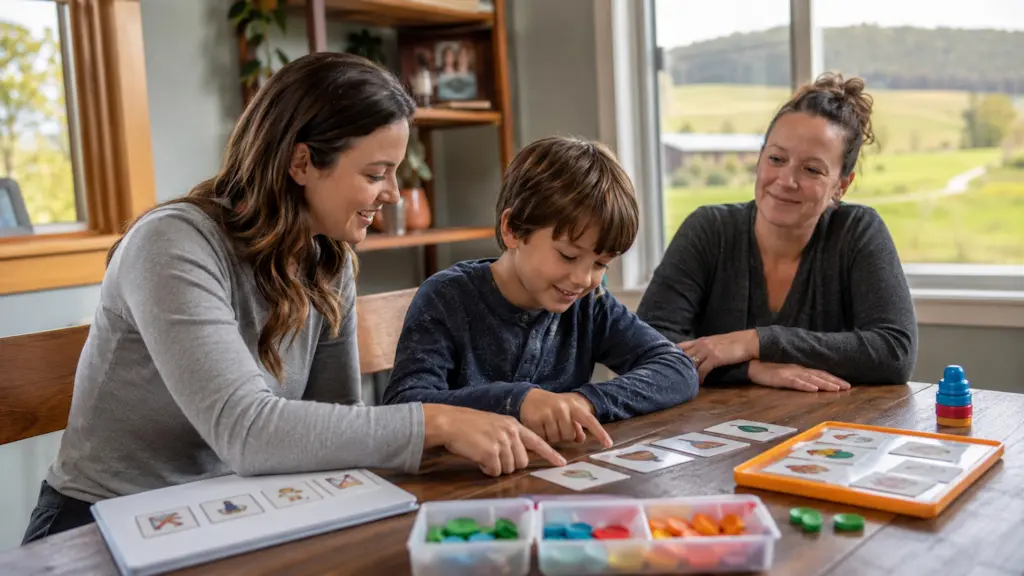
A simple FCT approach is to create a natural situation where help is needed, prompt the request before frustration builds, provide help quickly, and repeat until the child begins requesting more independently.
Helpful strategies include:
- Choose appropriate situations: Use everyday tasks where support is genuinely needed, such as opening a container, fastening clothing, or completing a difficult puzzle.
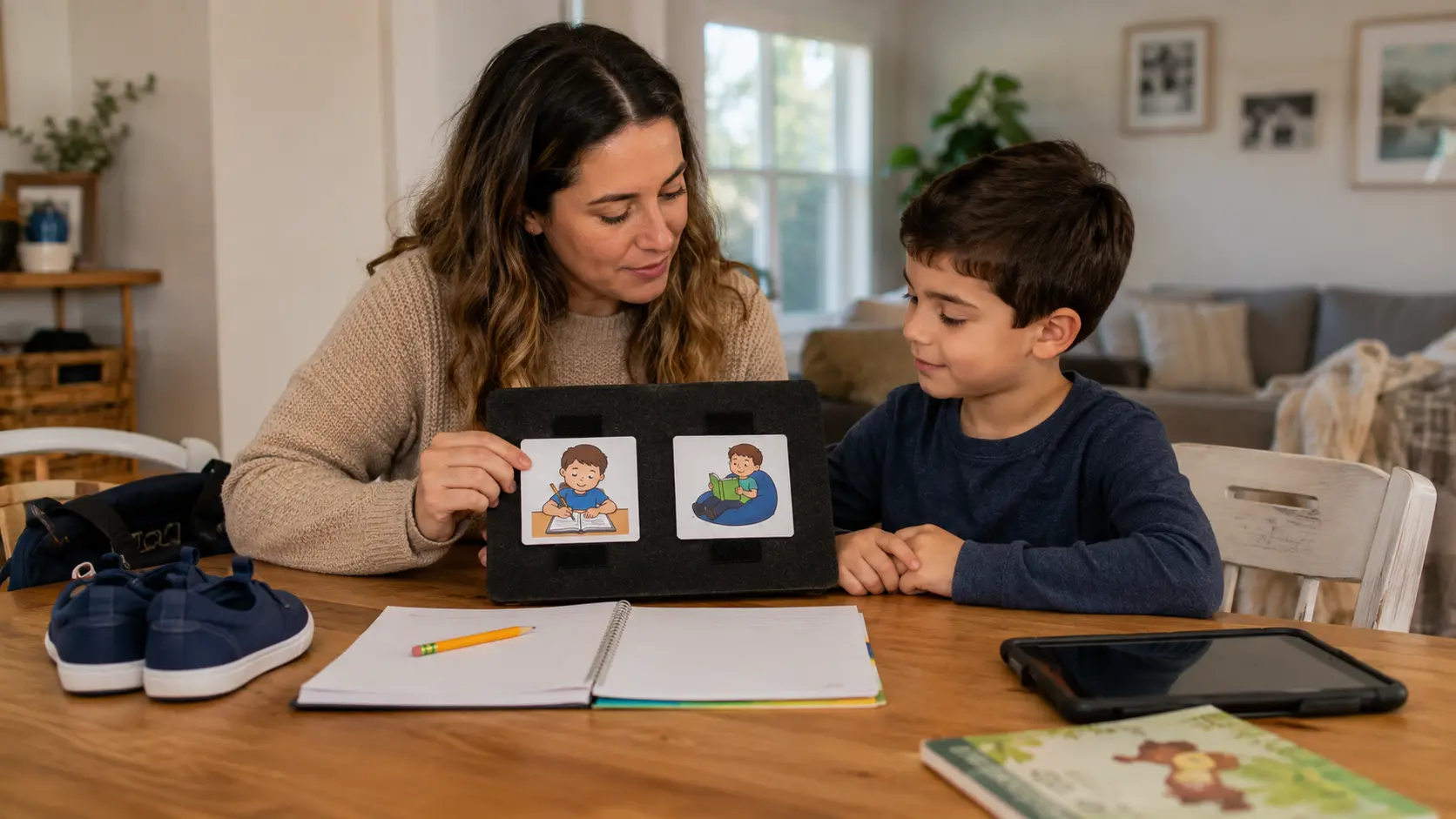
- Keep the request easy: Saying, signing, pointing to a card, or using AAC should be quick and simple for the child.
- Prompt early: Support the help request before the child becomes highly frustrated or disengaged.
- Respond promptly: During early teaching, the child needs to learn that asking for help reliably leads to help.
As the child becomes more successful, prompts can be reduced gradually. The pace should depend on the child’s progress rather than a fixed timeline.
Teaching a Child to Request a Break
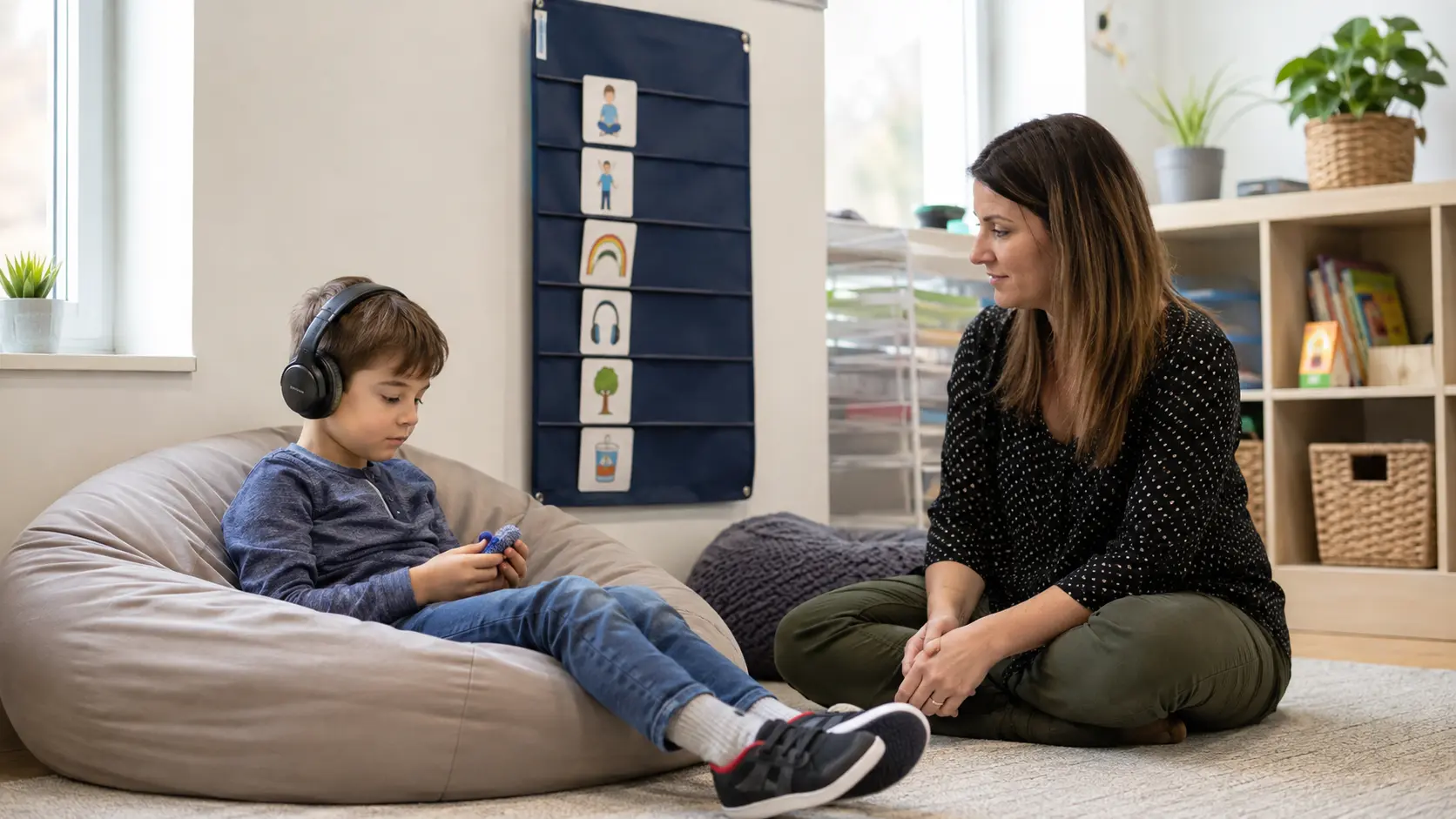
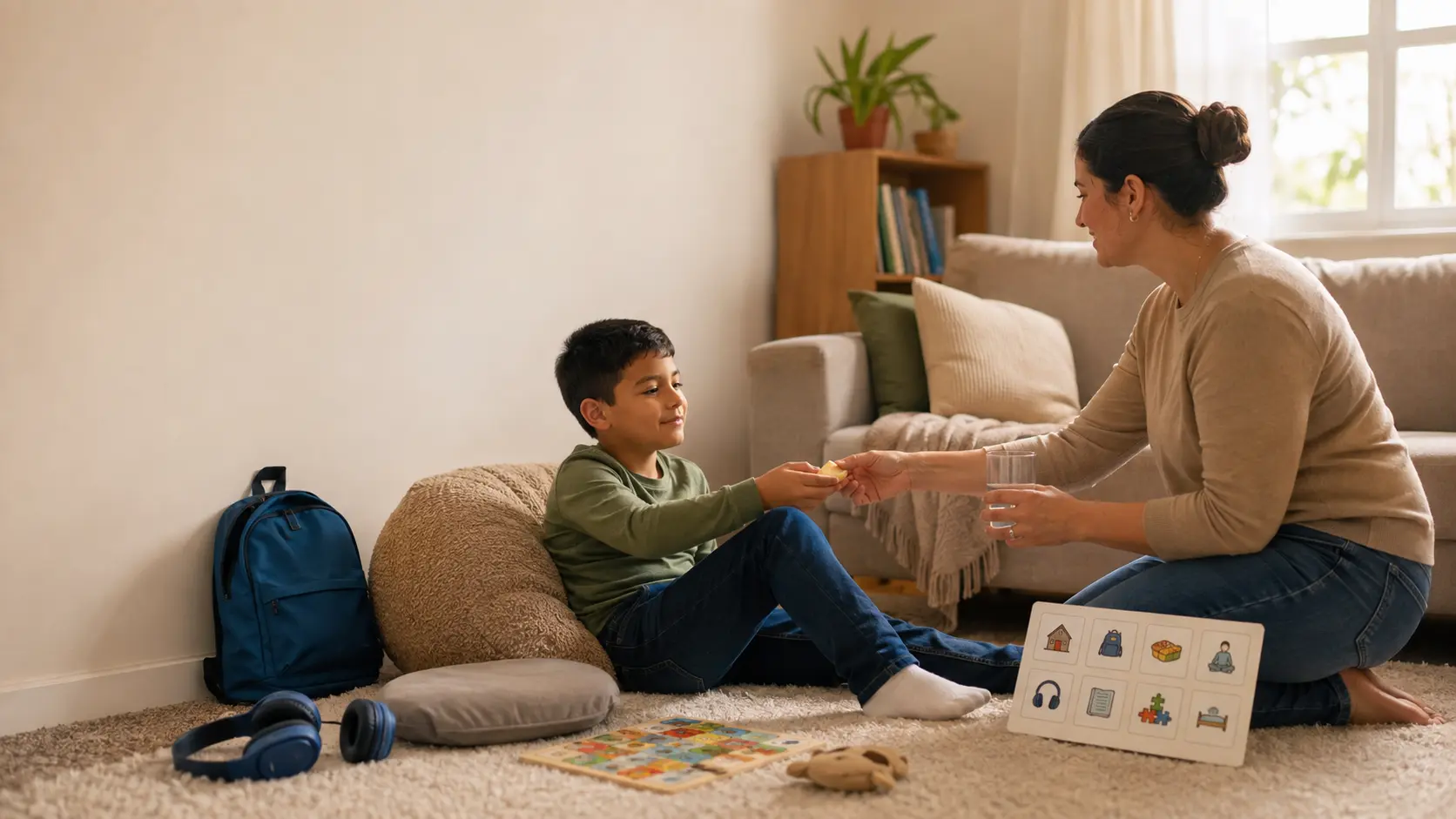
Teaching a reliable break request gives the child a clear way to communicate that a task, interaction, or sensory demand is becoming too much.
Helpful principles include:
- Teach the request early: Prompt the break response before distress becomes intense.
- Honor it consistently: During early teaching, the child needs to learn that requesting a break reliably leads to a break.
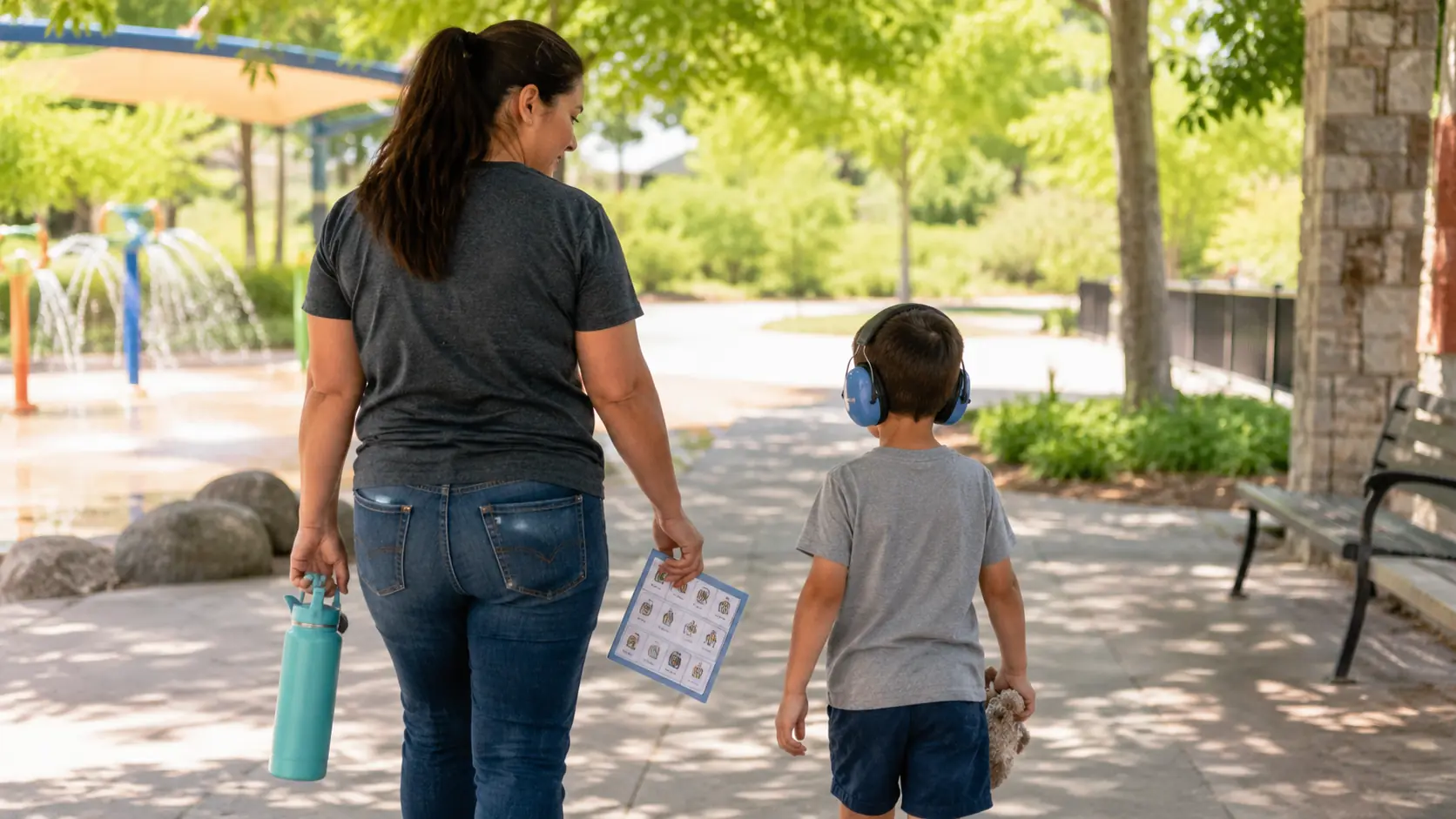
- Keep it accessible: The word, gesture, card, sign, or AAC option should be available wherever breaks may be needed.
- Avoid frequent denial: If break requests are routinely ignored, the child may stop using them.
Later goals may include returning to the activity, waiting briefly, or gradually increasing work time. These should be introduced only after the child has a reliable way to request a break.
Teaching Stop, Finished, More, and Other Everyday Requests
Requests such as stop, finished, more, and wait give the child clearer ways to communicate what they need during everyday routines.
Examples include:
- More: Ask to continue a snack, toy, bubbles, music, or another preferred activity.
- Finished / all done: Signal that a meal, task, or activity is complete.
- Stop: Communicate that physical contact, sound, or another form of input needs to end.
- Wait / one more minute: Ask for brief preparation time before a transition.
These requests work best when adults respond consistently. Requests to stop pain, discomfort, or unwanted physical contact should be acknowledged and acted on promptly. When another request cannot be fulfilled immediately, acknowledge it clearly and explain what will happen next, such as, “One more step, then break.”
Supporting Speaking and Nonspeaking Children
Functional communication is not limited to speech. The goal is to give the child a reliable way to communicate when they need something.
Possible communication forms include:
- Spoken or approximated words
- Signs or gestures
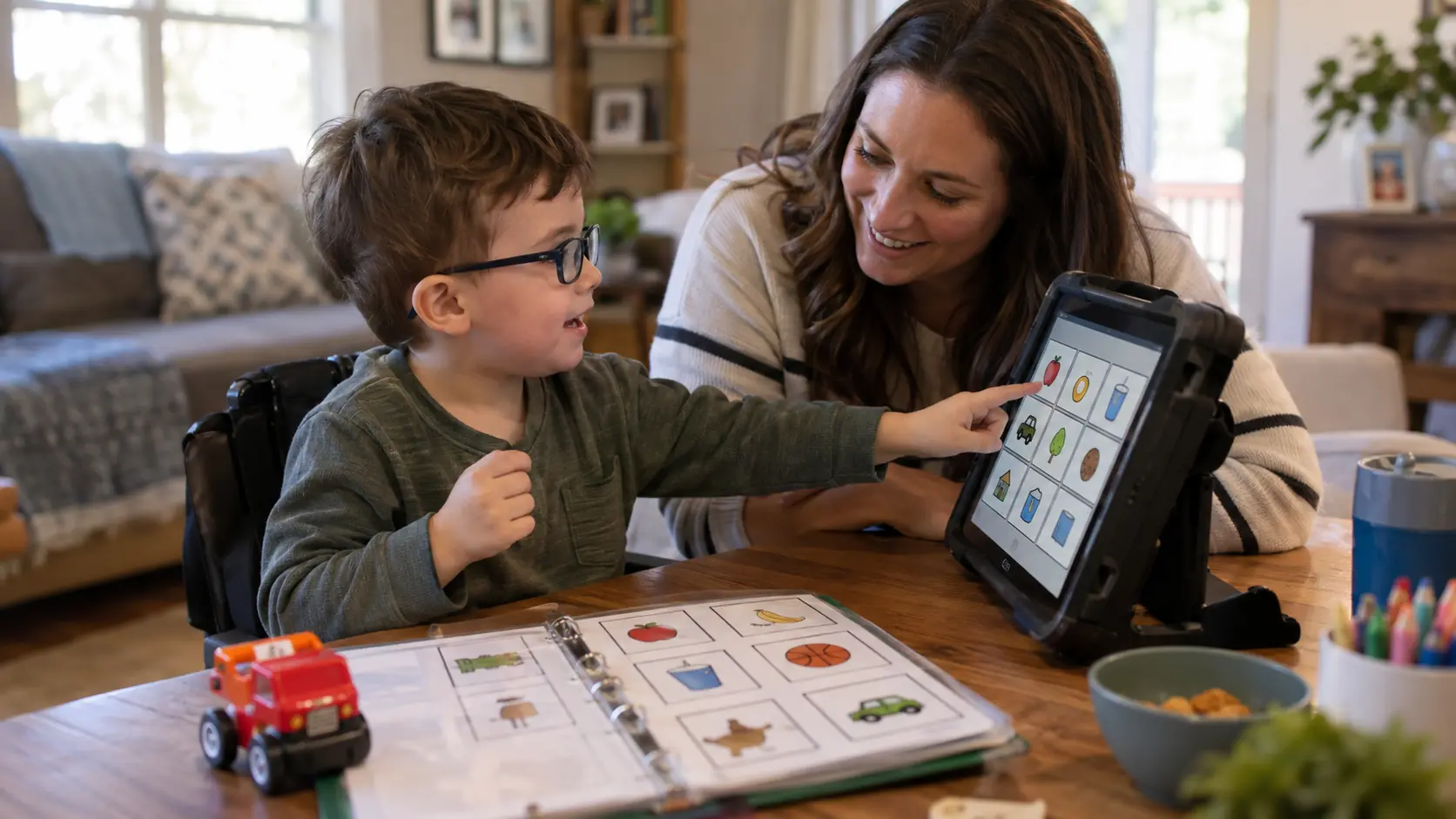
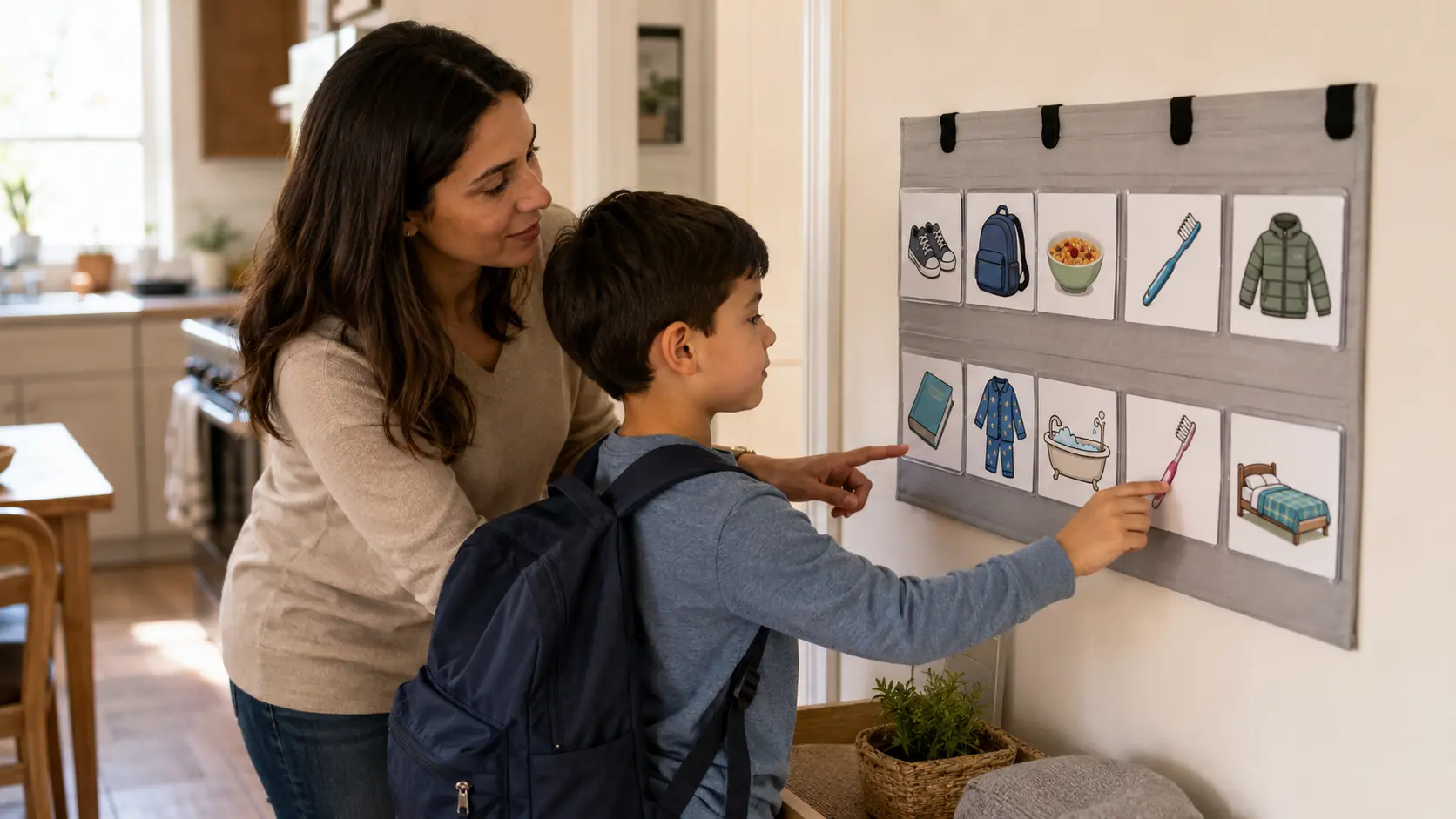
- Picture exchange or communication boards
- Speech-generating devices and other AAC systems
AAC should work as part of the child’s existing communication system, not as a separate or last-resort option. A gesture or word approximation can also be functional if it reliably communicates the child’s meaning.
For nonspeaking children, or children who have difficulty speaking during distress, the key question is: What communication method can they use reliably when they need it most?
Practicing Communication Across Everyday Situations
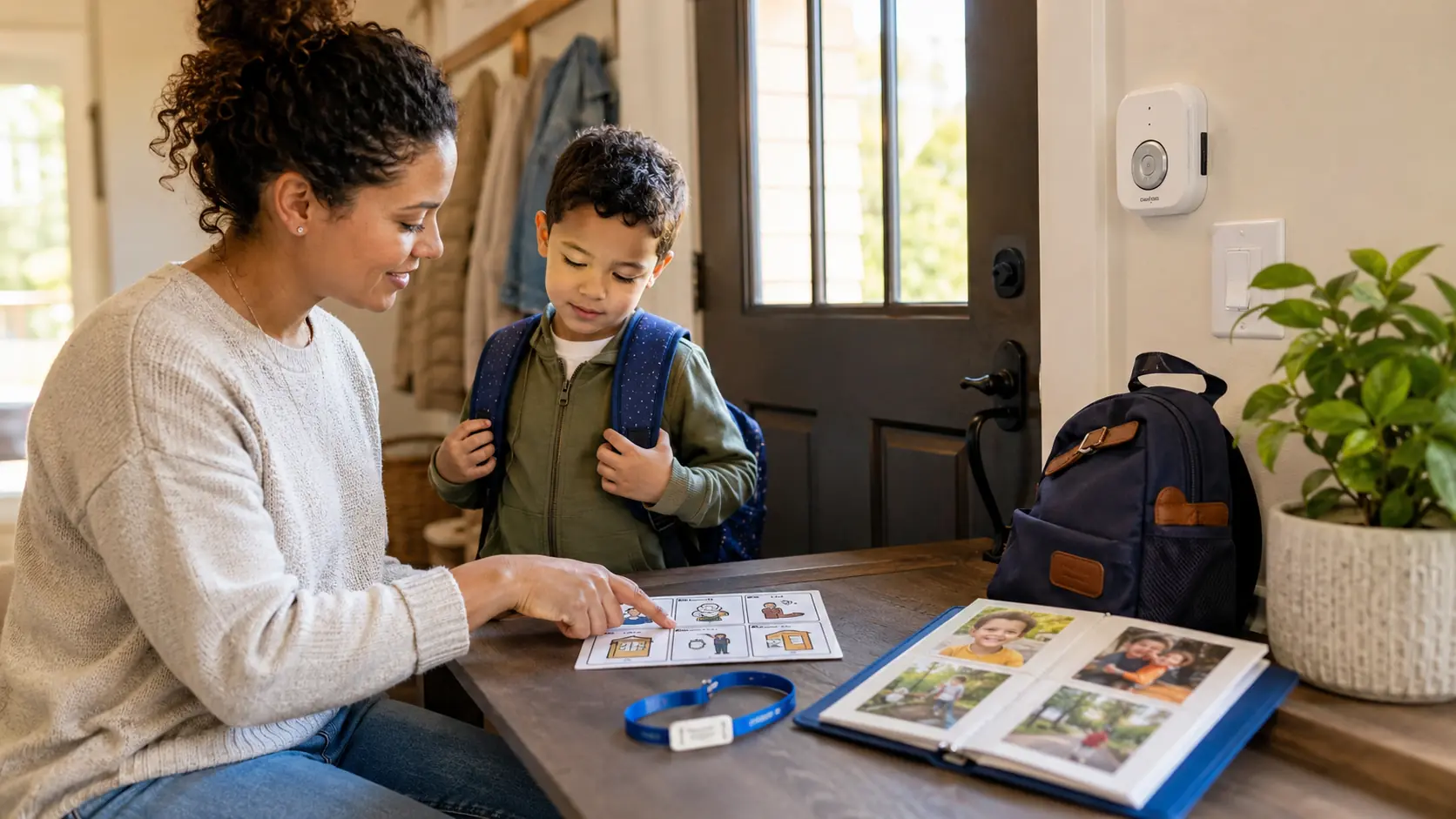
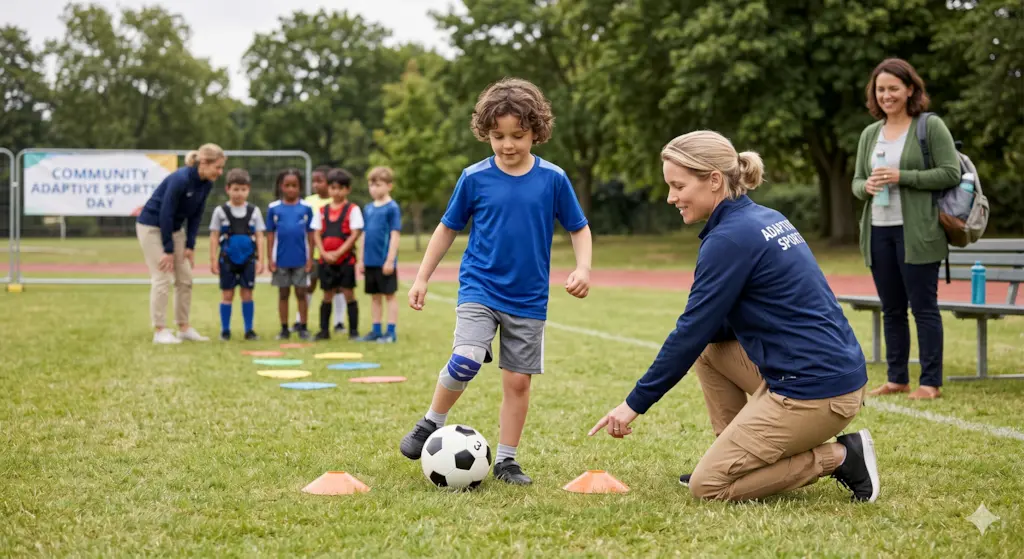
Generalization means using the same communication skill across different people, places, and routines. A help or break request learned with a parent should also be usable with teachers, caregivers, and in other everyday settings. Natural practice throughout the day helps build this flexibility.
Useful opportunities include:
- Dressing: Ask for help with shoes, buttons, or stuck clothing
- Mealtimes: Practice “more,” “finished,” and “help”
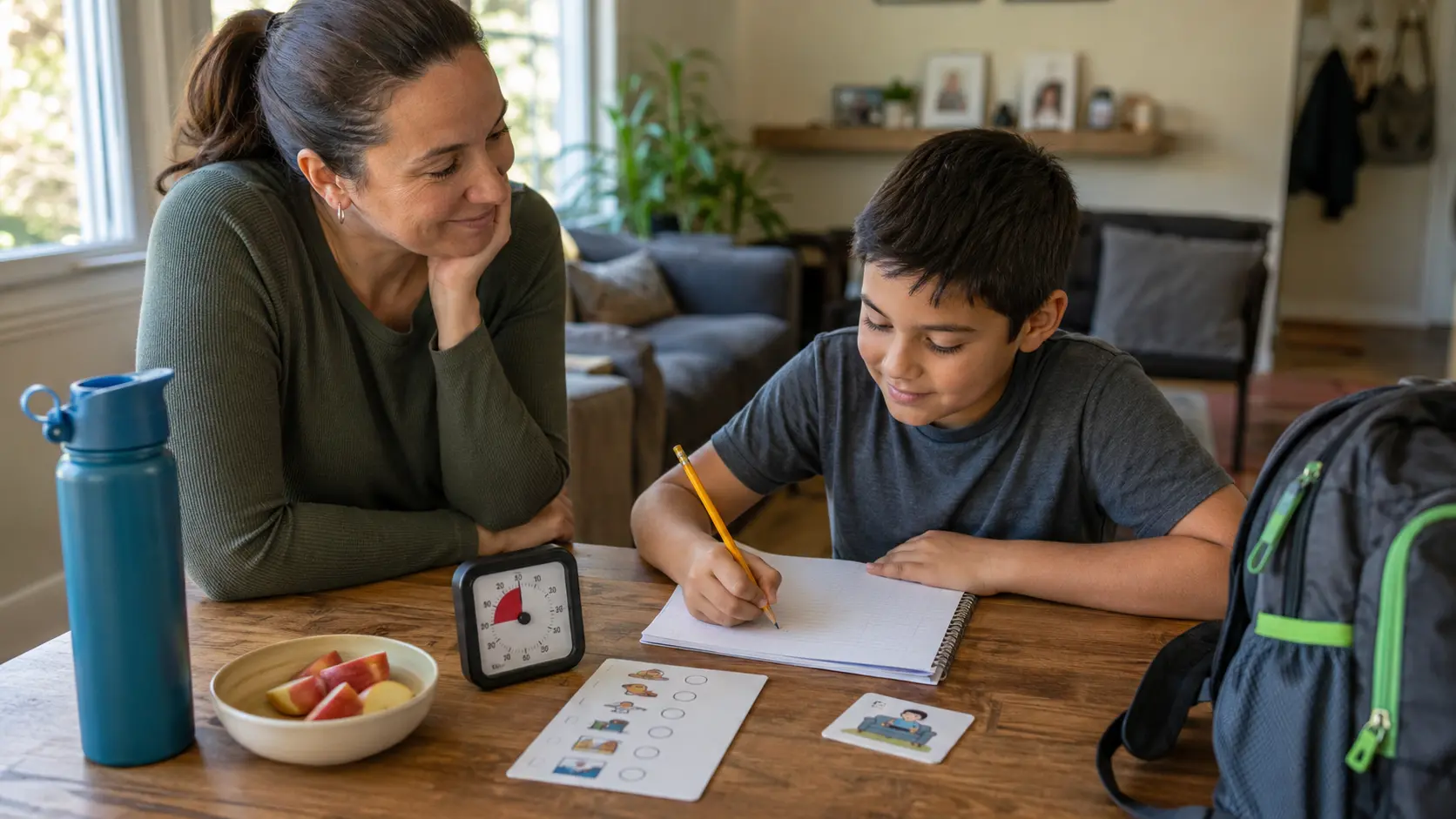
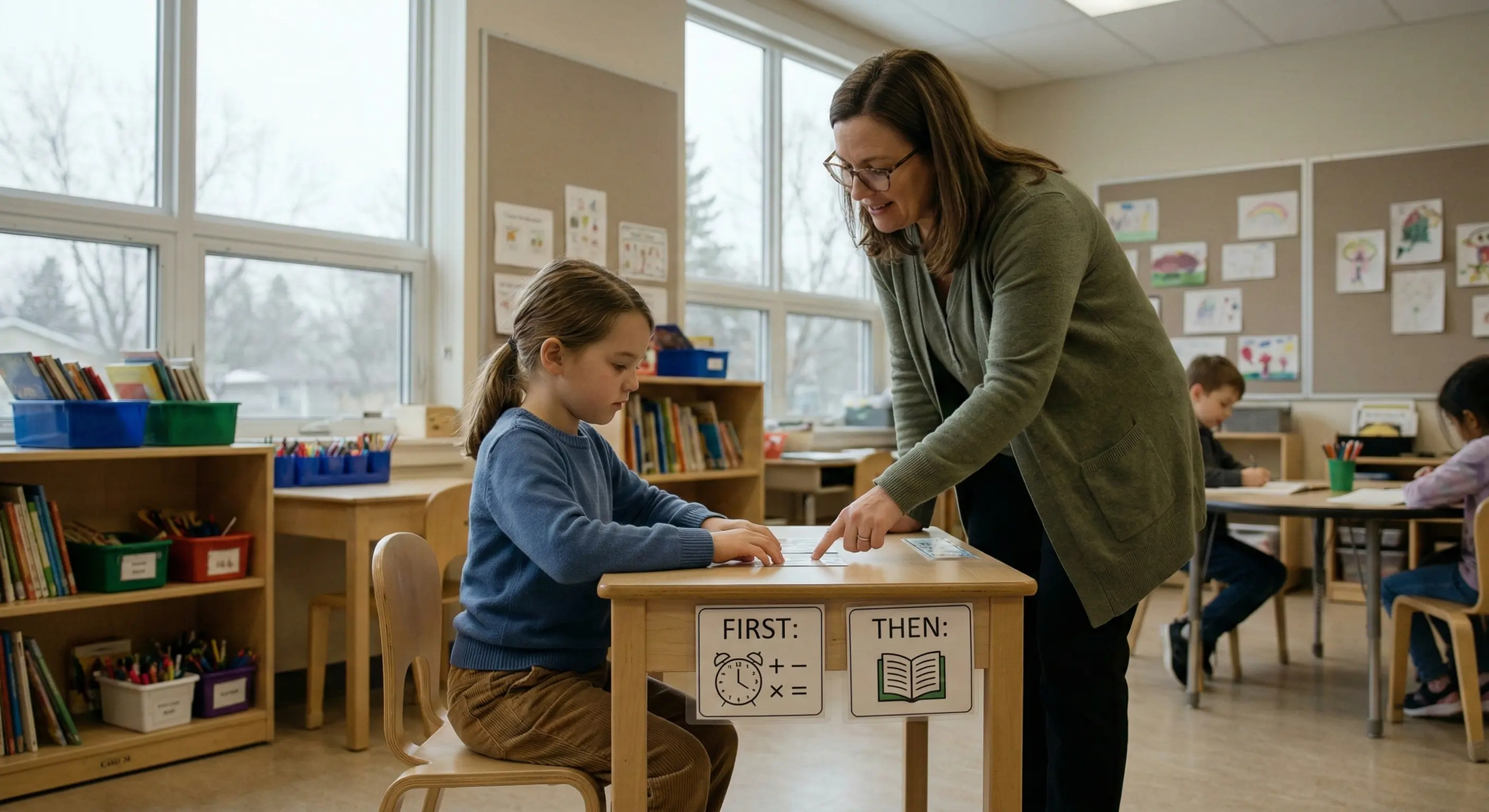
- Homework or schoolwork: Request help when a task is genuinely difficult
- Transitions: Use “wait” or “one more minute”
- Self-care: Ask for help or a break during brushing, bathing, or grooming
- Play: Use “more” to continue or “stop” when an activity becomes uncomfortable
Spontaneous communication is especially important. When the child makes a request without prompting, respond clearly and consistently so they learn that independent communication works.
Reducing Prompts as Communication Improves
Prompted communication is only the starting point. The goal is for the child to use the request independently without waiting for an adult cue.
A simple fading sequence is:
- Full model: Adult demonstrates the complete response
- Partial model or gesture: Adult gives only part of the cue
- Pause and wait: Adult creates the opportunity and gives the child time to respond
- Independent: Child makes the request without prompting
Give the child enough processing time before prompting again, and reduce support gradually based on success.
Independent requests should be recognized and reinforced clearly. Fading prompts too quickly can increase frustration and make communication harder.
How Functional Communication Training Is Used in ABA
In ABA, FCT begins with a functional assessment to understand what a behavior may be helping the child access or avoid. The team may use direct observation, caregiver input, and other assessment methods before selecting an appropriate communication response.
A typical FCT process includes:
- Assess the need: Identify what the behavior may be communicating
- Choose the response: Select a word, gesture, sign, card, or AAC response the child can use reliably
- Prompt and respond: Prompt the communication early and respond consistently during teaching
- Practice across settings: Use the same response with different people and routines
- Fade prompts: Reduce adult support as independent communication improves
- Build flexibility: Expand communication goals once the first response is well established
Caregiver coaching is important because communication needs to work across home, school, and community settings. Consistent adult responses help the child learn that the request is reliable wherever it is used.
Simple FCT Teaching Flow
- Identify the communication need
- Choose an accessible response
- Prompt before escalation when possible
- Respond consistently
- Practice in real-life situations
- Fade prompts gradually
AtlasCare can support individualized communication goals and caregiver coaching as part of an appropriate ABA treatment plan.
Communication Access Is the Starting Point
Functional Communication Training gives the child a clearer, more reliable way to express needs such as help, break, finished, more, and stop.
A practical starting point is to teach one high-value request, respond to it consistently, and then build from there. Keep the communication response easy to use and practice it across the people and settings in the child’s daily life.
Ask AtlasCare About Communication Goals and Caregiver Support
If help requests, break requests, or other everyday communication needs are difficult at home, AtlasCare ABA can support individualized functional communication goals and caregiver coaching as part of an appropriate treatment plan.
Contact AtlasCare ABA to learn more about communication-focused ABA support.














.webp)
.webp)

.webp)
.webp)
.webp)







.jpg)


.webp)

.webp)
.webp)









%20During%20Play%20in%20the%20Home.webp)